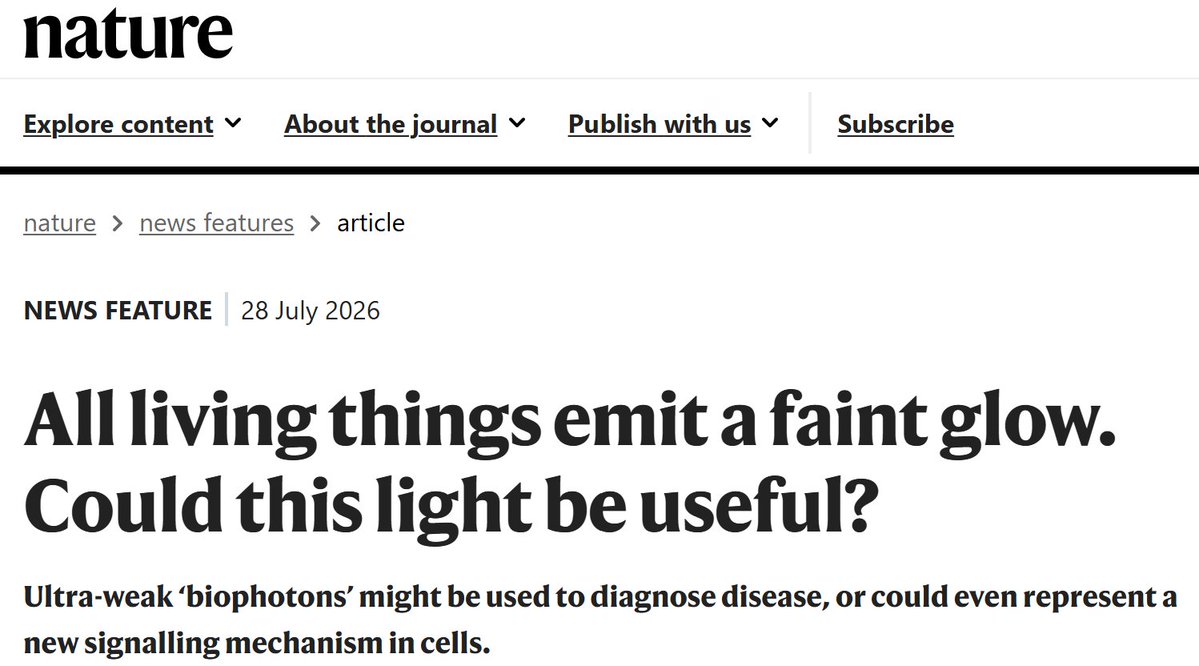
You emit light.
Expanding biology beyond molecules allows us to consider another layer of life: how energy, including light, may reflect and perhaps help coordinate biological activity.
Thank you to @JoMarchant and @Nature for featuring our work alongside other leaders in the field, and for opening a broader conversation about what might be possible, the tools we must build, and the next generation of scientists we must train.
Now, we have the opportunity to determine what the light of life is telling us.
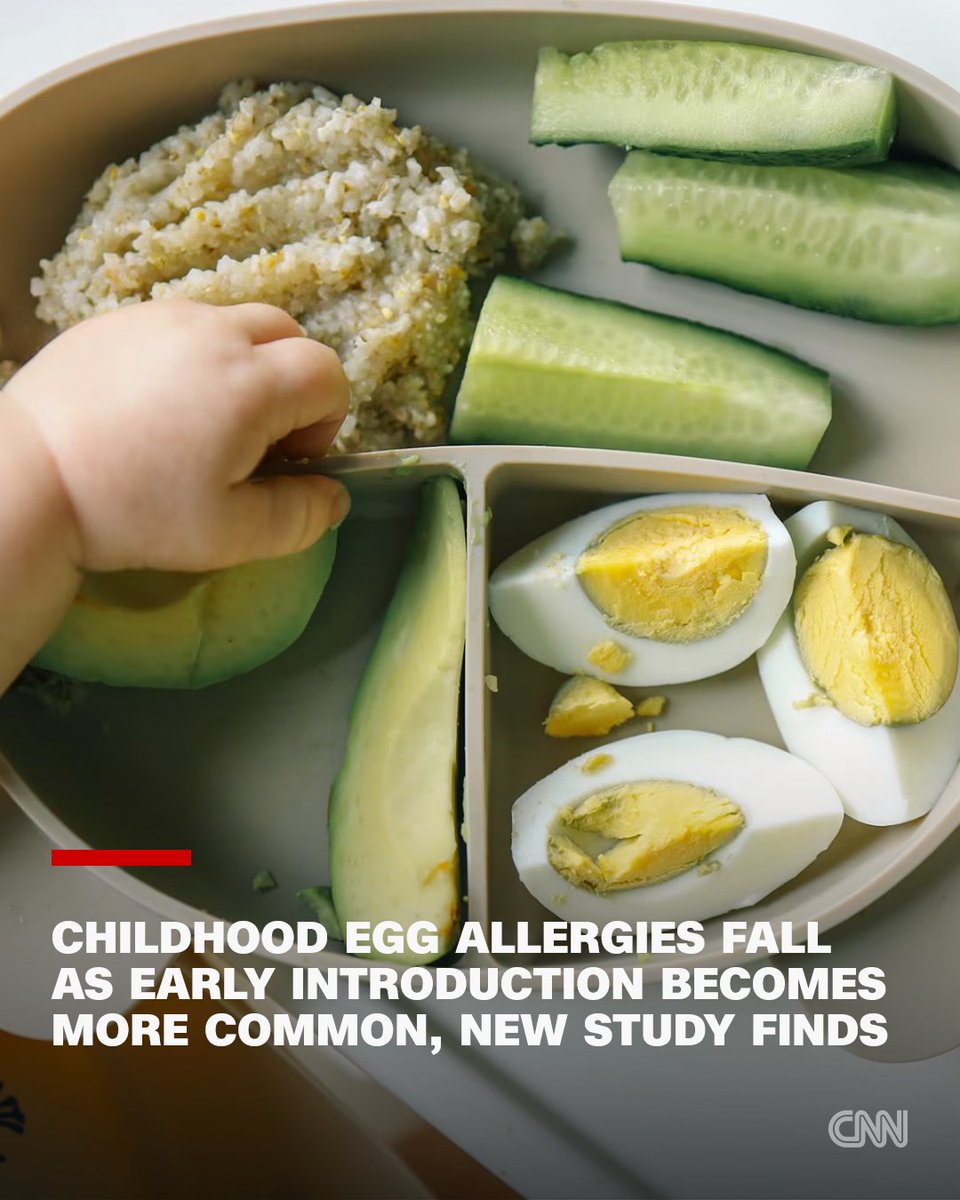
After the drastic change in guidance to no longer keep allergenic foods away from babies until 1 to 3 years of age and instead introduce them by 6 months of age, the prevalence of egg allergy among children fell by more than 17% in a new study published Monday in the journal JAMA Pediatrics. https://t.co/DAYqlFom8N
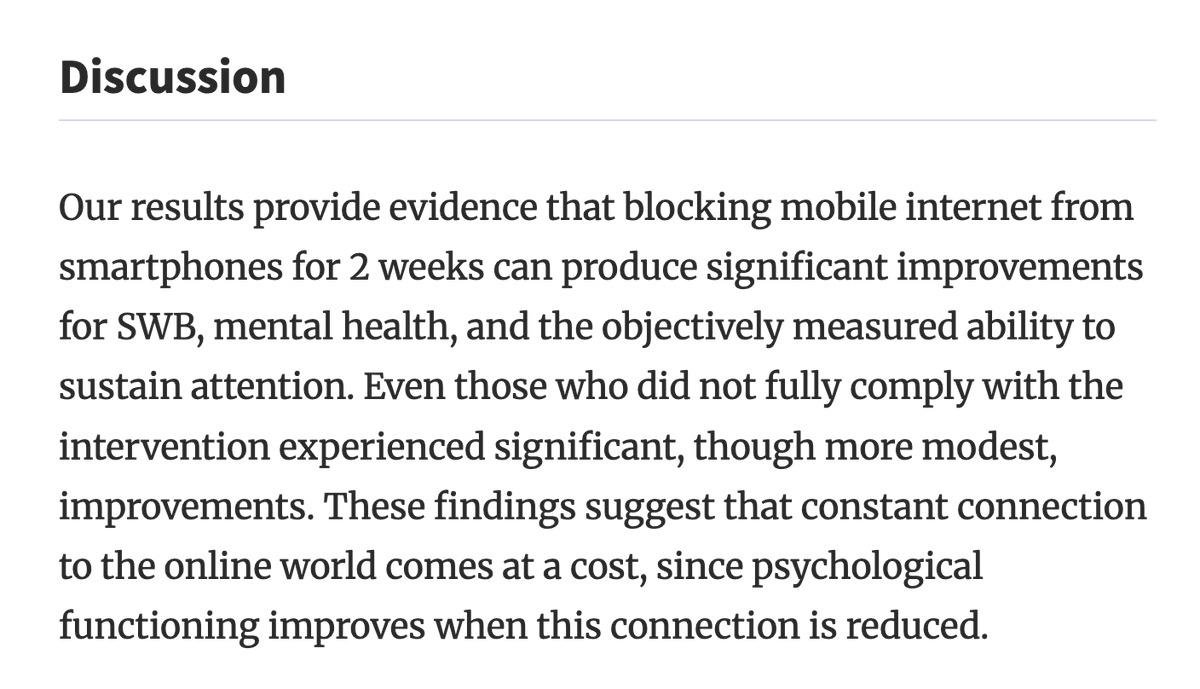
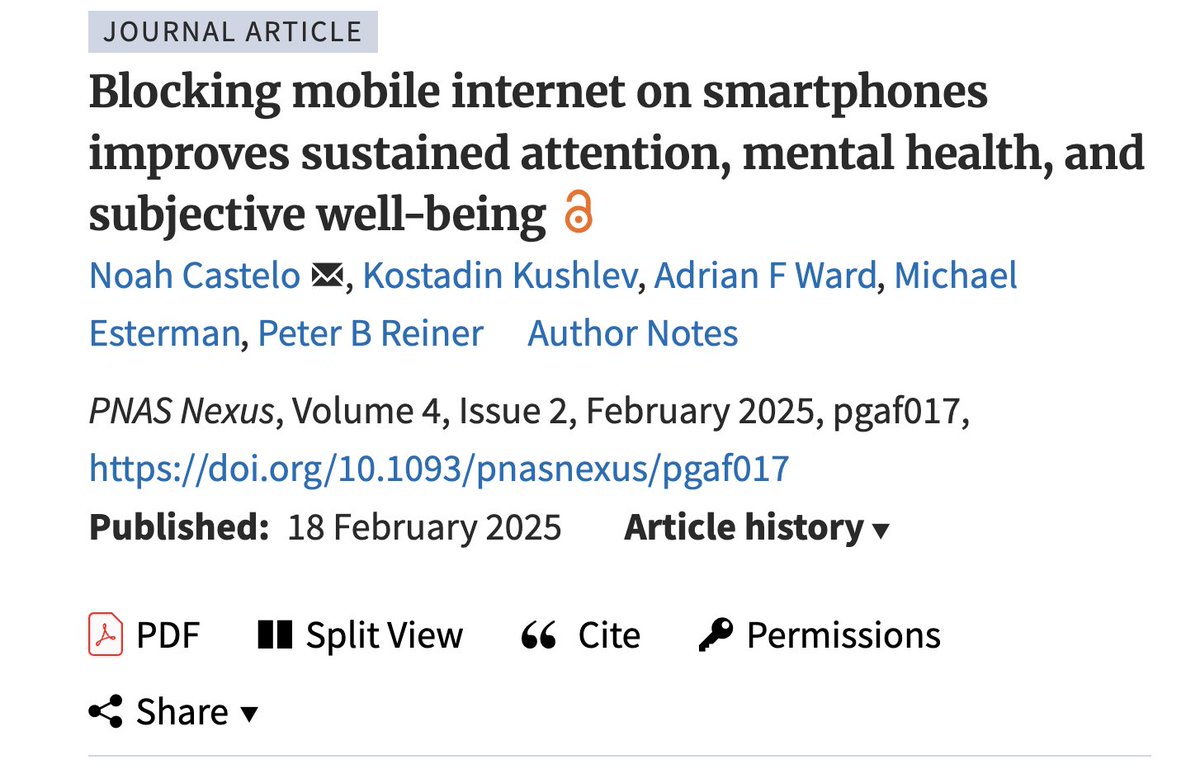
In adults, limiting smartphone functionality to texting and calls and blocking all social media and mobile internet for 2 weeks significantly improved attention, self-reported well-being and mental health. 90% of participants experienced a benefit.
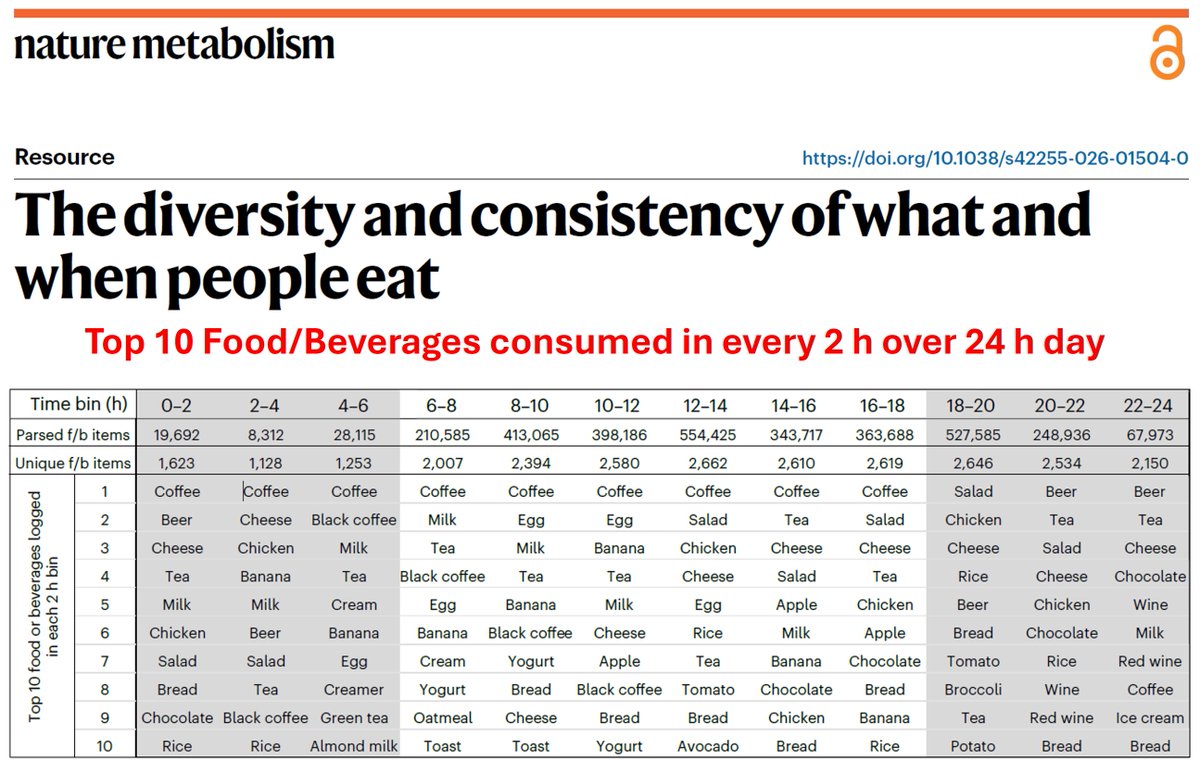
We analyzed 2.6M food & beverage logs from ~20,000 people to uncover (among other insights) what’s consumed every 2 hours across a 24h day.
Some usual suspects… and a few surprises.
Take a guess—then check the list 👇
https://t.co/ifqEyMnIEp
@NatMetabolism
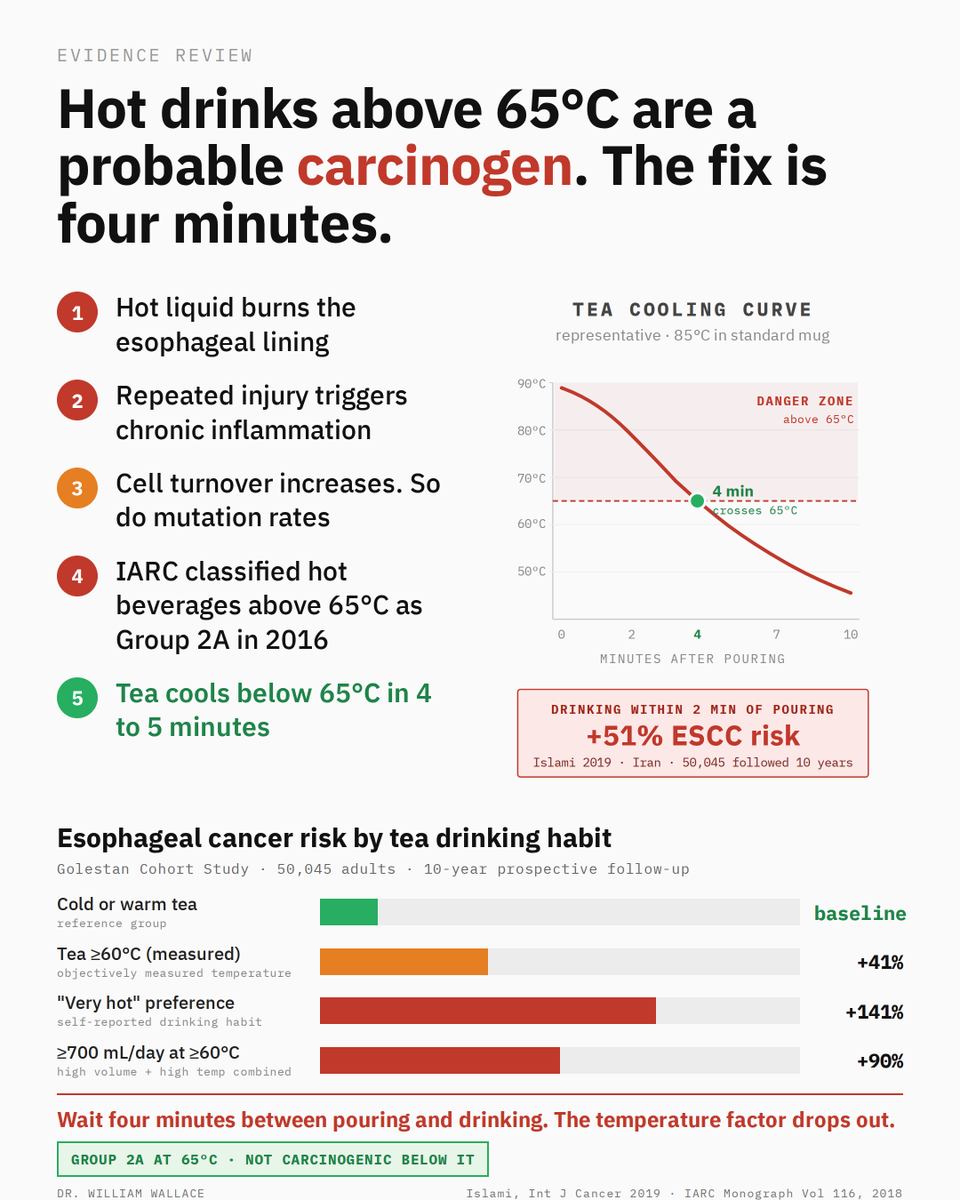
Drinking beverages above 65°C is a Group 2A carcinogen. The mechanism is thermal injury to the esophageal lining, repeated over years, driving chronic inflammation and cell turnover.
Islami 2019 prospectively followed 50,045 adults in Iran for 10 years and measured tea drinking temperature objectively. People who drank tea at 60°C or higher had 41% higher risk of esophageal squamous cell carcinoma. People who preferred "very hot" tea had 141% higher risk. People who drank within 2 minutes of pouring had 51% higher risk than people who waited 6+ minutes.
A separate cohort in Kenya (Middleton 2019) found 3.7 times the risk for "very hot" drinkers vs warm.
Tea cools below 65°C in roughly 4 to 5 minutes in a standard mug. The threshold is the temperature, not the drink.
Islami, Int J Cancer 2019: https://t.co/EATANIFVdl
Middleton, Int J Cancer 2019: https://t.co/zqCaq0nQOf
A randomized trial to reduce plastic exposure in food and daily life shows marked impact for reducing plastic-associated chemical (PAC) excretion. Personal care product replacement lowered an important one, MBzP
https://t.co/qGGTVqf952
Sleep regularity may matter more than sleep duration.
Using wearable data from >60,000 adults, sleep regularity was a stronger predictor of mortality risk than sleep duration.
Pick a consistent bedtime and protect it as much as possible.
New post! I've written a round up of what you've missed in biology and medicine, with @NikoMcCarty. It includes news like:
- Organ transplant recovery has surged. Recovery rates from circulatory-death donors rose from 2% in 2000 to 49% in 2025, likely because of advances in normothermic perfusion.
- Semaglutide doesn't slow Alzheimer's. Two large phase 3 trials found no effect on disease progression, despite earlier observational studies.
- A transformative new drug for pancreatic cancer, which has been extremely hard to treat so far.
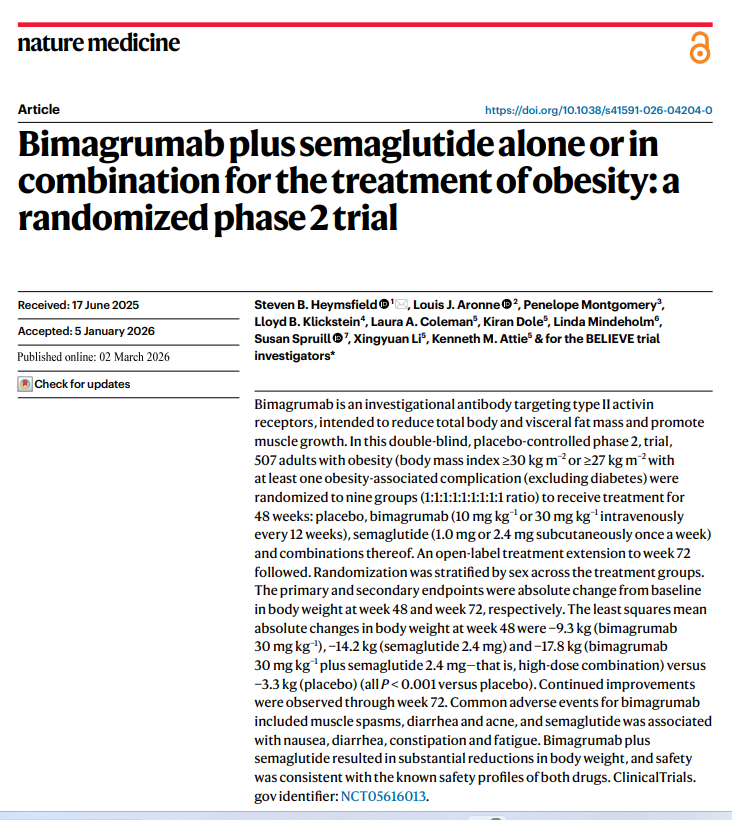
- Weight loss drugs that also preserve muscle are in the pipeline. Phase 2 trials find that the combination of bimagrumab and semaglutide increased fat loss while largely preventiny the lean mass loss with semaglutide alone.
... and much more. Read it here:
https://t.co/G4Tr0LFamA
Eli Lilly have a new, once-monthly GLP1/GIP agonist (Brenipatide) and they're running some fascinating trials with it
Smoking cessation, bipolar disorder, schizophrenia, opioid use disorder, depression, alcohol use disorder, and asthma
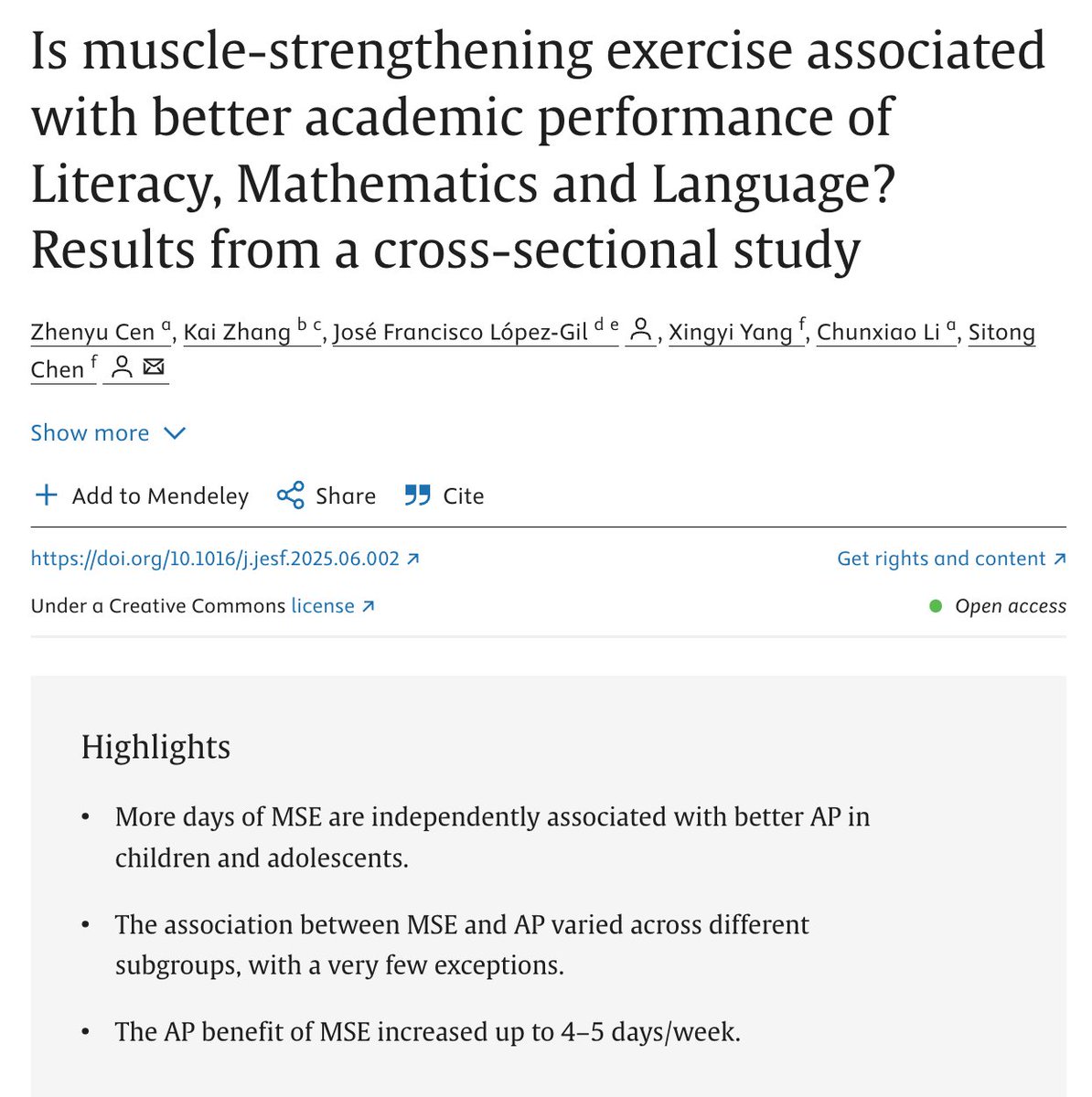
Strength training is linked to better grades
Among 67,281 students, at 4 days/week:
↑ 42% higher odds of better literacy grades
↑ 39% for math
↑ 31% for English
Benefits peaked at 4-5 days/week.
The "Athlete's Heart" Paradox is a fascinating and ongoing question.
Open-access review paper below for details; here's a summary.
The term was 1st coined in 1899, but we've long acknowledged that exercise is good for the heart; too much, however, is actually dangerous.
Think the classic story of the Marathon (soldier runs from the city of Marathon to Athens, 26.2 miles, then dies).
Centuries later, when the Olympic Games returned in 1896, the Marathon event exploded in popularity and really launched scientific inquiry into what's happening in the heart with extreme exercise.
Things changed dramatically after a series of studies in the 1960-70's provided imaging of the architecture of the heart and confirmed what was speculated, endurance exercise was causing structural changes in the heart that look incredibly similar to heart disease....but yet....they were performing BETTER physically and were at MUCH lower risk of heart disease.
Exercise-induced adaptations mimicked disease.
What we know as of now is that exercise is on net balance, extremely protective of health - but for some people, it might open them up to additional risks.
Officially termed: "Exercise-Induced Cardiac Remodeling" the
3 Main maladaptations are:
1⃣ Arrhythmia risk (classic "A Fib.")
2⃣ Coronary Artery Calcification
3⃣ Myocardial Fibrosis
3 Main Benefits are:
1⃣ Cardiac Enlargement
2⃣ Vascular Compliance
3⃣ Enhance Metabolic Flexibility
HOWEVER: These risks generally are greatly exceeded by the net profound benefits of exercise, but does suggest personalized interpretation for highly trained individuals.
PS: These issues are far more common and problematic in men than women, but more research is needed.
https://t.co/G95YEoGlLy
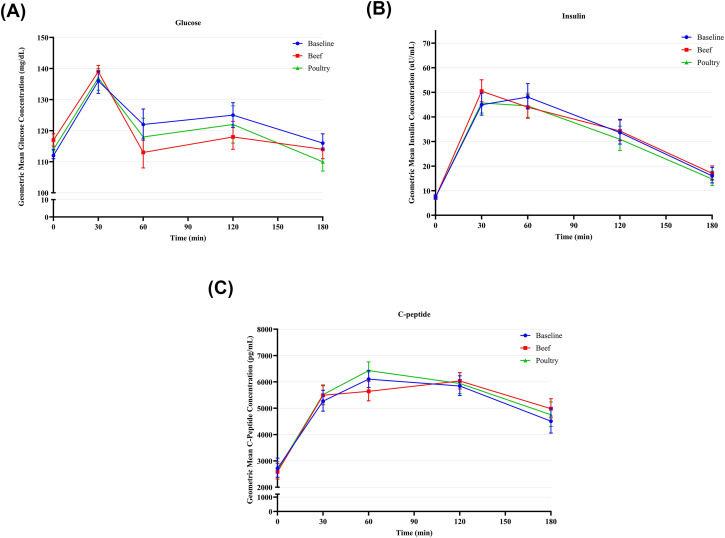
Effects of Minimally Processed Red Meat within a Plant-Forward Diet on Biomarkers of Physical and Cognitive Aging: A Randomized Controlled Crossover Feeding Trial https://t.co/s1UlTSEZNK
*not fast food burgers without the bun
BELIEVE it or not… this obesity trial suggests we may finally separate fat loss from muscle loss.
In the BELIEVE trial (Nature Medicine):
🔹 Semaglutide alone → ~15.7% weight loss
🔹 Combination therapy → ~22% weight loss (~24 kg)
🔹 Total body fat ↓ ~46%
🔹 Visceral fat ↓ ~58%
🔹 Lean muscle largely preserved
For decades, weight loss meant losing muscle + metabolic reserve.
This approach targets appetite AND muscle biology simultaneously.
If confirmed in outcomes trials, this could reshape how we think about:
❤️ cardiometabolic disease
💪 sarcopenic obesity
🫀 surgical risk & frailty
We may be moving from weight loss → body composition medicine.
#Obesity #CardioMetabolic #GLP1 #Semaglutide #Longevity #HeartHealth #PreventiveMedicine #NatureMedicine #MedTwitter #Cardiology #Endocrinology #DigitalHealth #FutureOfMedicine #HealthyAging #PrecisionMedicine
Aerobic exercise counteracts many of the chronic effects of TBI, including aortic stiffening, ANS dysregulation (↓HRV), and impaired cerebrovascular function.
Important reason why contact-sport athletes (and anyone else with a concussion history) should maintain life-long AE.
Recent meta showed longer-term chlorogenic acid intake (~300 mg/day, roughly the amount found in ~2–4 cups of coffee, depending on roast and brew) improved endothelial function by ~2.5% (a clinically meaningful vascular benefit).
https://t.co/8FX0x0Qh3P