You are being misled by him with promises that development will suddenly move to Luoland simply because he needs your votes. Don’t be used for political gain. Demand accountability and judge him by what they have delivered...not just what they promise
BEYOND THE DUST: HOMA BAY'S LONG ROAD FROM MARGINALISATION TO TRANSFORMATION
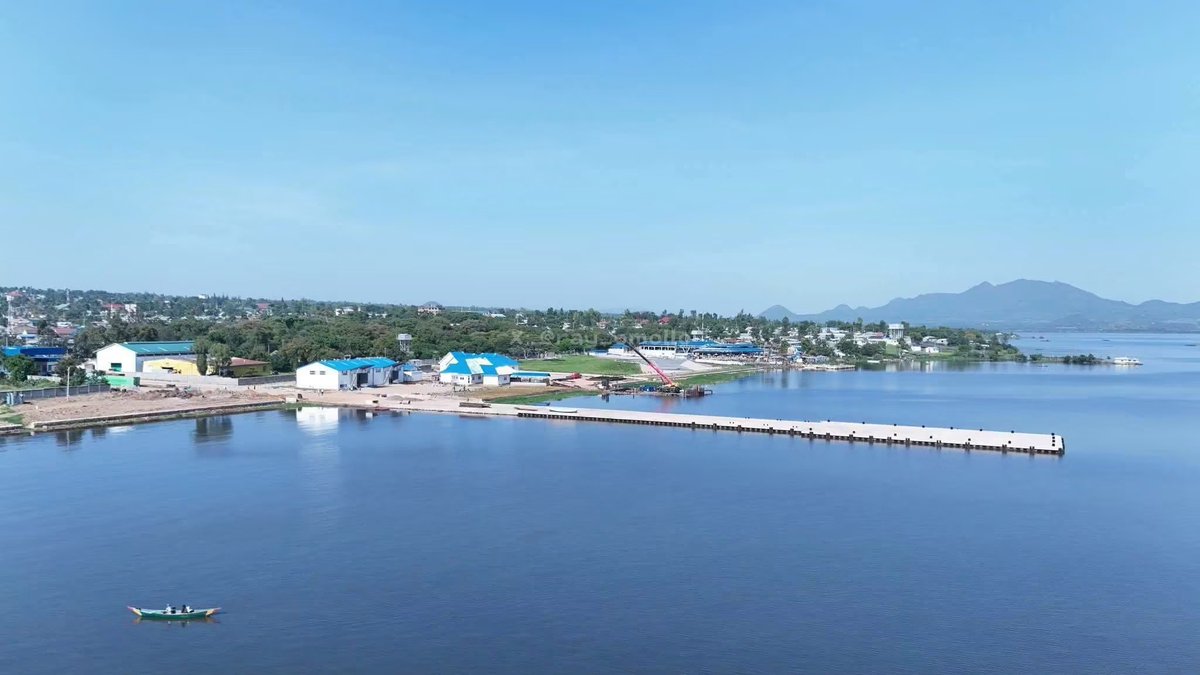
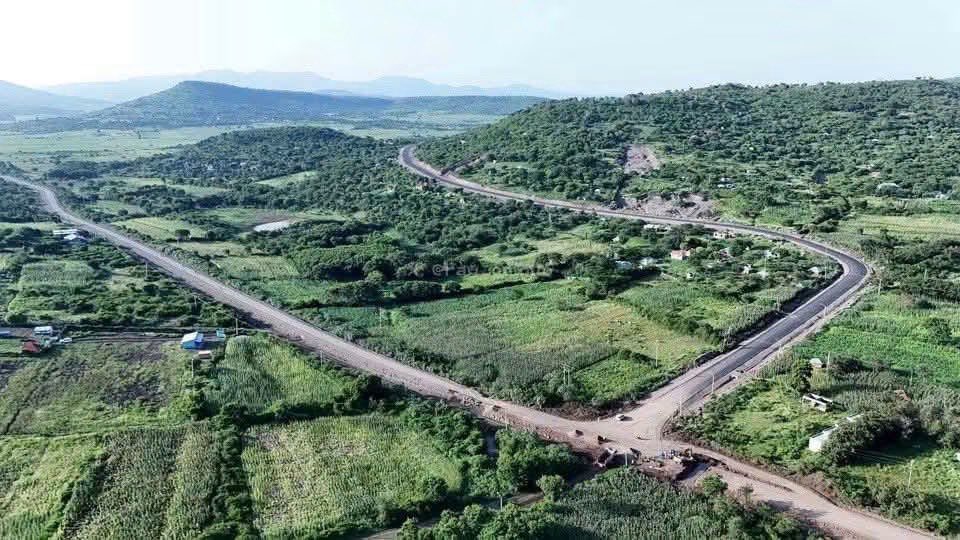
The dust on the Mbita–Sindo–Kiabuya–Sori corridor tells a story. But it is not the story of a people who have failed. It is the story of a region that has waited far too long for the infrastructure required to unlock its potential.
What was billed as a tour of Homa Bay by Linda Mwananchi ended up doing something its organisers did not intend: it highlighted the very tribulations our community has been fighting to overcome. Rough roads in parts of Suba South became a visual metaphor, and a source of ridicule, for Homa Bay's exclusion from development (including by their main sponsor). For the people who live along these roads, however, their condition is no joke; it is a daily reality that shapes access to markets and services, the cost of doing business, and the pace at which communities can develop.
Homa Bay has lived with this reality for decades. Since independence, the county, like many others across the country, has been evidence of a structural deficit that stretches from God Odiado in Siaya to Wuoth Ogik in Nyatike, shared by Turkana, Maasailand, Western Kenya, the Coast and other regions that have waited since 1963 for a fair share of the republic.
These regions have experienced acute economic marginalisation reflected in an infrastructure deficit far greater than what their population, resources and potential should have allowed. Those roads have their origins in independent Kenya, and their neglect spans every administration: fifteen years under Jomo Kenyatta, twenty-four under Daniel Arap Moi, ten under Mwai Kibaki, and ten more under Uhuru Kenyatta. It is a matter of historical record, not grievance for its own sake, that the roads Linda Mwananchi's cameras found so remarkable are the same roads generations of governments chose not to build. The Mbita road itself tells that story in miniature: first awarded in 2016 under the Uhuru Kenyatta government to Put Sarajevo, it stalled for lack of allocated funds, with only 7km of its 74km completed. It was re-awarded in 2020 and again saw little progress. In the last two years, 28km have so far been tarmacked, with works currently ongoing. It is important to note that a 74km trunk road is not something that devolution or CDF can address.
However, devolution matters. Some would ask what devolution has done? It is devolution, championed for decades by leaders including Raila Odinga, that has begun to give counties like Homa Bay a say over their own development and a share of resources once concentrated at the centre. This has turned the case for correcting marginalisation from a matter of goodwill into a constitutional guarantee.
We are not embarrassed by that history. If images of rutted roads earned Homa Bay comparisons to conflict zones, we take that as a badge of honour to our marginalisation and resilience, not an insult requiring our silence. We are convinced that these roads would have been tarmacked decades ago had Tom Mboya and Jaramogi Oginga Odinga remained in government. Jaramogi was forced out in 1966, Mboya assassinated in 1969, both on a path toward the presidency. Raila Odinga, many believe, would have delivered that infrastructure as president, but when Kenyans elected him, that mandate was denied to him by force. That history is why the current moment deserves to be judged on its own terms, not dismissed as political theatre.
@gladyswanga You are being misled by him with promises that development will suddenly move to Luoland simply because he needs your votes. Don’t be used for political gain. Demand accountability and judge him by what they have delivered...not just what they promise.