The surge in AI-related demand for DRAM — or Dynamic Random Access Memory — is tightening supply and pushing up prices in parts of the chip industry. Consumer-facing companies are being forced to either curtail supply or raise prices due to exploding costs.
@rwang07, an analyst at SemiAnalysis, joins @thestalwart and @tracyalloway on the Odd Lots podcast to discuss what this means for the consumer https://t.co/TZFf3yXImB
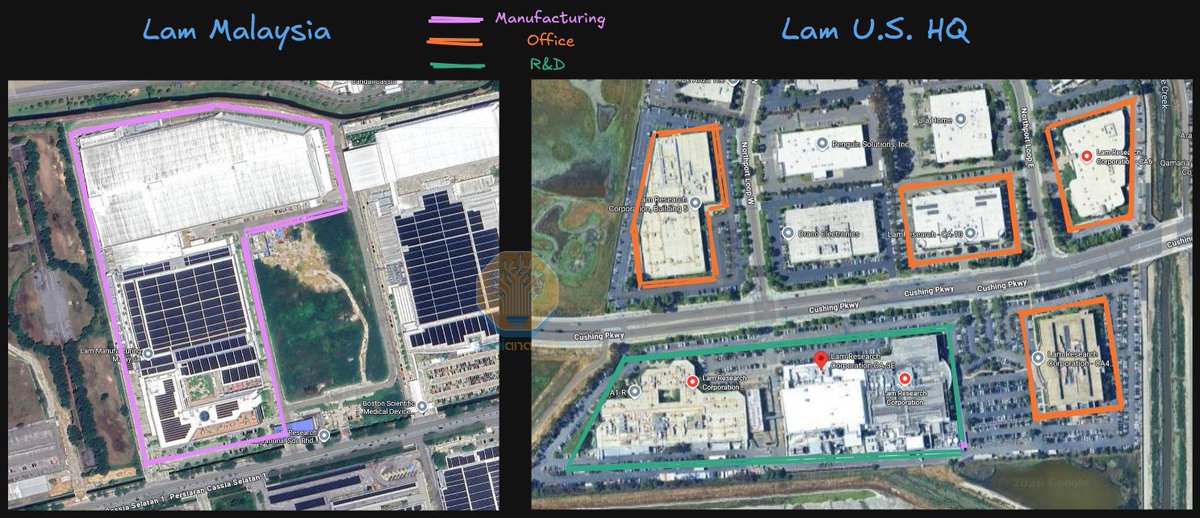
The U.S. wants 40% of chips made onshore. But quietly, the equipment that makes those chips is moving offshore fast. This gap matters just as much as the chips themselves. (1/6) 🧵
Apple-TSMC: The Partnership That Built Modern Semiconductors
Wafer Demand Model,
Node Economics,
and the shifting power dynamics as AI reshapes the foundry landscape
https://t.co/7oZCFnNIJS
"Fuck Everything, We're Doing Seven Patterning Steps"
What part of this don't you understand? If double patterning is good, and quad patterning is better, obviously septuple patterning would make us the best fucking fab that ever existed. Comprende? We didn't claw our way to the top of the lithography game by clinging to the single-exposure industry standard.
TSMC Overseas Fabs – A Success?
Why Morris Chang Said U.S. Fabs Will Fail,
Wafer Cost and Economics of Taiwan vs. U.S. Fabs,
TSMC Supply Chain Details
https://t.co/Fhb9K5SzSy
PFAS-free is a big deal in semiconductors. Getting rid of “forever chemicals” seems like a clear win, right? Turns out it’s probably greenwashing: 🧵1/10