Metros didn’t fail. They got expensive.
50%+ startups now rise from Tier 2. Lower costs. Real markets. Faster signal.
Jaipur proves it.
The next unicorn won’t be metro-born.
#jaipur#startups#metrocities#ecosystem
Top startup accelerators, 2026.
Y Combinator, Techstars, Antler, and more.
They do not create great startups.
They amplify the ones already working.
Focus on building something that cannot be ignored.
#Startups#Founders#Innovation
Startup advantage used to be money and headcount
Today that advantage is disappearing
AI has crushed the cost of building
Distribution decides who wins
Small teams with niche expertise are out-executing funded startups
The new moat : learn faster, reach users sooner
The next wave of India’s startups is women-led. From bootstrapped ventures to billion-dollar firms, they’re reshaping industries and setting new benchmarks
Which sector do you think will see the biggest impact next? #WomenInStartups#IndiaStartups#jic
Women founders in India aren’t just building companies some are creating entirely new categories
From fintech to wellness and commerce, they’re changing the way industries evolve
Highlighting a few ⬇️
• Falguni Nayar → Nykaa: Scaled India’s largest beauty commerce platform
• Upasana Taku → MobiKwik: Early builder in India’s fintech & digital payments space
• Ghazal Alagh → Mamaearth: Built one of India’s most iconic digital consumer brands
The sustainable model isn’t bootstrap or fundraise
It’s hybrid
Revenue buys time
Capital buys speed
Teams that combine both retain leverage and avoid being forced into bad decisions later
Bootstrapping is often framed as independence
In practice, it’s usually dependency just on fewer options
Most teams don’t fail because they bootstrap
They fail because they mistake constraint for strategy
The real issue isn’t lack of funding.
It’s overlooked revenue paths
Teams wait for “proper monetization” while ignoring:
• paid pilots
• services layered over product
• early enterprise contracts
Autonomy erodes quietly when cash flow stays theoretical
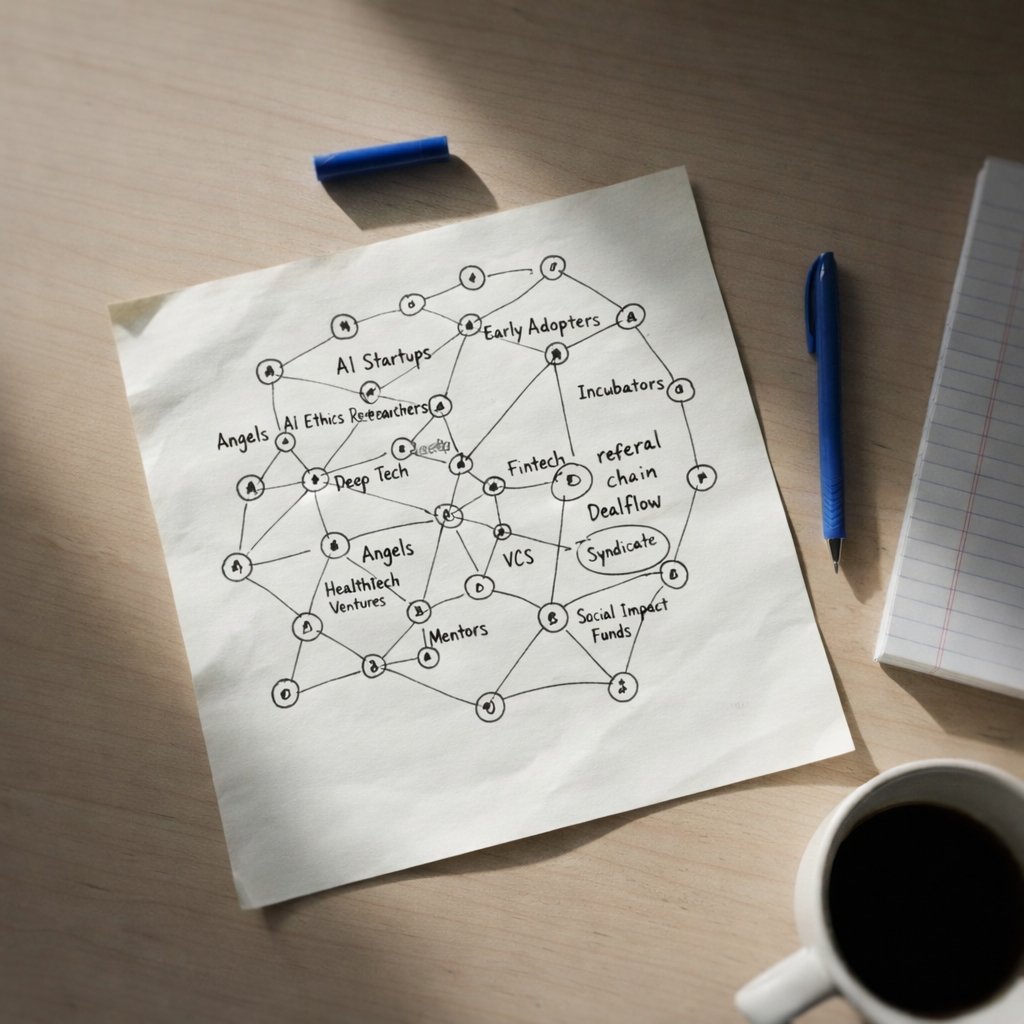
Good deals rarely appear in isolation.
They travel through networks
Referral chains act as trust filters:
each introduction carries a quality signal,
reducing noise in crowded deal flow
In ecosystems, access isn’t random
It’s routed through credibility
@riteshagar Places can carry history and beauty, but they also carry responsibility. It’s hard to separate admiration for architecture or legacy from the lived experiences of people who interact with systems today. Both truths deserve space in the same conversation
@startupindia@narendramodi The journey so far shows how quickly ecosystems can expand. The next phase, focused on quality, feels like a reminder that scale only matters when it’s backed by strong fundamentals and long-term thinking
Iteration breaks when experiments grow faster than they finish
Bounded experiments keep operations focused: clear scope, measurable outcomes
Progress isn’t doing more
It’s closing small loops before opening new ones
That’s how teams scale execution without losing control
Better question than “Should we launch now?”
Ask:
– Are users already hacking solutions?
– Is money already allocated?
– Are buyers embarrassed by the problem?
Markets open when pressure crosses a threshold
not when founders feel ready
A common founder mistake isn’t launching the wrong product
It’s launching the right product too early and calling the struggle “distribution problems.”
Timing mistakes hide well
What founders misread as “competition failure” is often:
– High education cost
– Low buyer readiness
– No internal owner for the problem
Those signals matter more than why the competitor shut down
@AshwiniVaishnaw@ThomasOrTK Building a full semiconductor ecosystem feels like a long, patient exercise in coordination. Design, manufacturing, supply chains, and talent all moving together matters more than any single announcement. If this momentum holds, trust seems to compound quietly over time