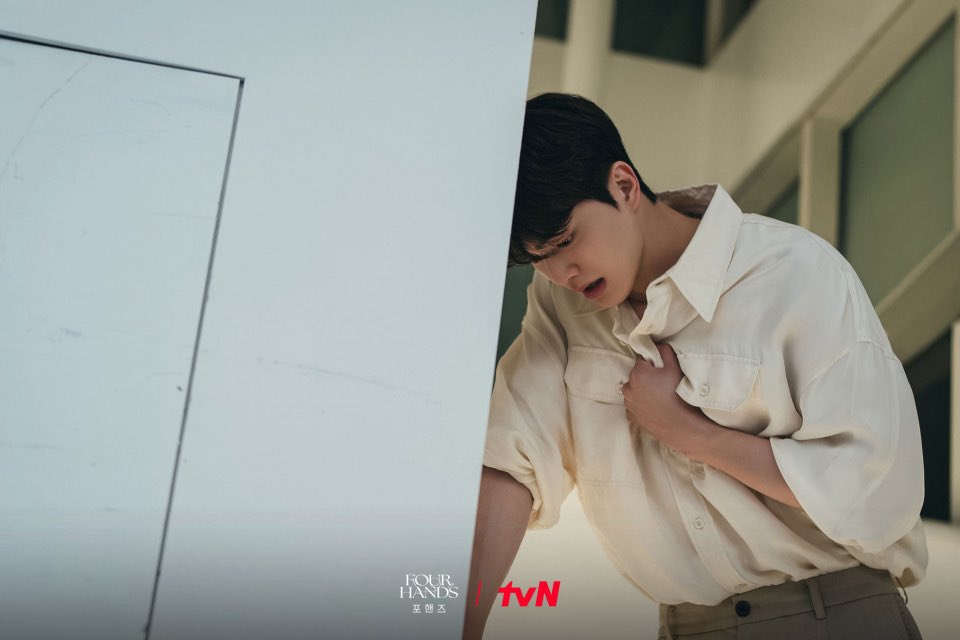
NONE of you guys told me they were ACTIVELY courting each other in high school infact WHAT WAS THAT HAND SLIDE ON THE SHOULDER???? PIO'S BAFFLED EXPRESSION???? JEONGYO SLYLY PUSHING HIM INTO THE PIANO ROOM?????? THEY WAS FAWKING ON THAT PIANO 😭😭😭😭
#Fourhandstwosonatas
O Trump tá querendo trazer a onda laranja dele pro Brasil. Não é só papo: o Intercept teve acesso aos documentos da Rockbridge, uma rede de doadores conservadores que queria aproximar investidores gringos e bancar mídia / campanha de direita por aqui.
Esses caras têm um plano que não termina na eleição. As consequências vão longe. Então pensa no laranjão dos Estados Unidos antes de votar. Não dá mole.
ㅡ #FourHandsTwoSonatas
“Jeongyo was just a wolf who loved a sheep”… The writer reveals the ‘destined’ fate of Song Kang and Lee Junyoung.
Reactions noting that Pio and Jeongyo's narrative is “more poignant than most romances” stem from how the emotional trajectory they experience mirrors the moments when real lovers fall in love and part ways. Growing up in different environments, the two friends forge a friendship through the medium of the piano, passing through stages of deeply cherishing while simultaneously keeping each other in check.
Writer Shin projected the image of “Heathcliff” a lone wolf roaming the wild onto Jeongyo, while wrapping Pio in the texture of “Catherine” as cold and cynical as an impenetrable wall. In Four Hands Two Sonatas, although Pio grew up in an affluent environment, his family was never once a comfortable presence, while Jeongyo had to force the only person who felt like family Pio out of his heart. In the end, because they were each other's sole refuge, an inseparable bond was inevitable.
“A starving wolf loves a sheep.” By instinct, a sheep is food for a wolf to satisfy its hunger, but the moment it falls in love with that sheep, the wolf falls into a contradiction between its desires and its love.
Jeongyo is no different. Although Pio sits at the end of the revenge that helped him endure the past nine years, the more he tries to tear Pio down, the more he faces the reality that he still deeply cares for him. Pio is both the target of his revenge and the person he refuses to lose.
The writer layered Jeongyo’s dilemma unable to harm him because he loves him, yet unable to let go because he hates him. With the image of the “starving wolf” deepening the narrative of revenge and a love-hate dynamic toward Pio.
ㅡ #FourHandsTwoSonatas
“Jeongyo was just a wolf who loved a sheep”… The writer reveals the ‘destined’ fate of Song Kang and Lee Junyoung.
Reactions noting that Pio and Jeongyo's narrative is “more poignant than most romances” stem from how the emotional trajectory they experience mirrors the moments when real lovers fall in love and part ways. Growing up in different environments, the two friends forge a friendship through the medium of the piano, passing through stages of deeply cherishing while simultaneously keeping each other in check.
Writer Shin projected the image of “Heathcliff” a lone wolf roaming the wild onto Jeongyo, while wrapping Pio in the texture of “Catherine” as cold and cynical as an impenetrable wall. In Four Hands Two Sonatas, although Pio grew up in an affluent environment, his family was never once a comfortable presence, while Jeongyo had to force the only person who felt like family Pio out of his heart. In the end, because they were each other's sole refuge, an inseparable bond was inevitable.
“A starving wolf loves a sheep.” By instinct, a sheep is food for a wolf to satisfy its hunger, but the moment it falls in love with that sheep, the wolf falls into a contradiction between its desires and its love.
Jeongyo is no different. Although Pio sits at the end of the revenge that helped him endure the past nine years, the more he tries to tear Pio down, the more he faces the reality that he still deeply cares for him. Pio is both the target of his revenge and the person he refuses to lose.
The writer layered Jeongyo’s dilemma unable to harm him because he loves him, yet unable to let go because he hates him. With the image of the “starving wolf” deepening the narrative of revenge and a love-hate dynamic toward Pio.