When I watched the Ecuador coach celebrate so passionately after his team's victory over Germany yesterday, I was reminded of a profound truth often associated with Napoleon Hill:
"The most powerful mastermind alliance a man will ever form is in his marriage. A woman, rightly chosen, aligned in vision, and honored in spirit, can make a man unbreakable. But a woman wrongly chosen or unaligned in purpose will drain him of vision, strip him of confidence, and sentence him to spiritual poverty.
Many men fall not because of failure in business, but because of conflict in the home. They rise with vision only to have it mocked. They speak with clarity only to have it questioned. They act with courage only to be met with resistance. This is not partnership. This is war. And a man at war with his household cannot build peace outside of it.
But when a woman supports a man's purpose, when she believes in his destiny, when she reflects his greatness before the world sees it, that woman becomes the mastermind in motion. Her energy fuels him. Her intuition sharpens him. Her peace steadies him. Her presence becomes a sanctuary. And the man with that kind of partner is dangerous to every limitation.
You must choose this alliance with wisdom. And if you are already in one, you must train it, not ignore it. Share your aim. Speak your plan. Invite her insight. Draw strength from her spirit. This is not weakness. This is wisdom. This is law."
@_Meli_P@lindesireeone Non nego il cambiamento climatico ..,combatto contro le false cause che mi vengono proposte come dogmi ed aborro le soluzioni proposte
Il condizionatore raffredda l'appartamento. Ma scalda la strada.
È un paradosso che in pochi visualizzano davvero: un climatizzatore non distrugge il calore — lo sposta. Estrae l'energia termica da dentro e la espelle fuori, sommandovi il calore prodotto dal suo compressore. Risultato: la strada sotto è un po' più calda dopo ogni ciclo.
Alla scala di un intero quartiere, l'effetto diventa misurabile. Nelle città che dipendono molto dal condizionamento, la temperatura urbana sale — con un picco di notte, quando il cemento rilascia il calore accumulato di giorno mentre le unità esterne continuano a espellere il loro.
Un albero funziona all'opposto.
Per evapotraspirazione converte l'energia solare in vapore acqueo senza rilasciare calore residuo: l'acqua, per evaporare, sottrae calore all'aria circostante e la raffredda. Un grande albero adulto può traspirare fino a circa 400 litri d'acqua al giorno — un effetto rinfrescante paragonabile a quello di diversi condizionatori, ma orientato verso tutto il quartiere invece che verso una sola stanza.
E c'è di più: piantare alberi sul lato sud e ovest di un edificio riduce il fabbisogno di climatizzazione estiva. L'ombra portata su un muro è un isolamento passivo che si ripaga ogni estate. Secondo diversi studi, ombra ed evapotraspirazione insieme possono abbassare le temperature estive di diversi gradi.
🌳 Un albero non sposta il calore. Lo dissipa — per tutto il quartiere, gratuitamente.
- Suggerimenti e Segreti di Nonna
When Chekhov bought his country estate in Melikhovo, he wanted to ensure the local peasants knew when he, as a doctor, was available to help. He set up a simple but effective system: whenever he was home and ready to receive patients or head out on house calls, he would hoist a specific medical flag on a pole outside his house. Local villagers would watch the horizon for the flag, knowing that if it was flying, "the good doctor" would treat their illnesses completely free of charge.
For the struggling farmers of the Russian countryside, that simple piece of cloth waving in the wind was the difference between life and death. They did not care that the man pulling the rope was a famous writer whose stories were debated in the grand salons of St. Petersburg. To them, Anton Pavlovich was the tireless soul who would ride his horse carriage through freezing mud in the dead of night just to soothe a child's fever.
This deep bond with the poor defined his entire existence. Chekhov lived a short life, dying of tuberculosis at just 44 years old, but he packed more humanity into those years than most do in a century. He managed to balance two demanding worlds simultaneously, famously explaining his double life to a friend with a sharp flash of humor.
Medicine is my lawful wife, and literature is my mistress, Chekhov said. When I get fed up with one, I spend the night with the other.
This unconventional arrangement worked beautifully. Rather than distracting him, his medical training became the secret lens through which he viewed the human condition. He did not look at people as characters to judge or lecture; he looked at them as a caring physician looks at a patient, observing their flaws, their quiet heartbreaks, and their daily contradictions with complete empathy.
His literary mistress brought him worldwide fame, but his lawful wife kept him grounded in the harsh realities of human suffering. When a devastating cholera epidemic struck the surrounding provinces, Chekhov did not use his growing celebrity status to flee to safety. Instead, he took charge of multiple medical districts entirely on his own, treating thousands of destitute peasants without asking for a single ruble in return.
Even as his own lungs failed him and he began coughing up blood from the disease that would eventually kill him, his focus remained fixed outward. He used his literary earnings to fund the construction of rural schools, organize relief projects for families facing famine, and build a public library in his impoverished hometown of Taganrog, personally shipping crates of books to fill the shelves.
He firmly believed that life had to be measured by concrete actions rather than beautiful theories. He once noted that it is good if each of us leaves behind something good, a trace that will continue to exist and prove our lives did not pass in vain.
When he finally closed his eyes for the last time in the summer of 1904, the literary world mourned a genius, but the peasants of Melikhovo mourned a protector. Long after his physical presence faded, the warmth of his extraordinary generosity remained.
Chekhov showed the world that true greatness is not found in how high you rise above others, but in how low you are willing to bend to lift them up. His life reminds us that a legacy built on pure kindness is the one thing that never truly fades away.
"Podczas kręcenia filmu Kolor pieniędzy w 1985 roku Paul Newman zaskoczył ekipę decyzją, której nikt się po nim nie spodziewał.
Po negocjacjach kontraktowych, w których przewidziano dla niego luksusowe zakwaterowanie, codzienne dostawy wina i prywatnych kucharzy, Newman po cichu zrezygnował z tych przywilejów jeszcze przed rozpoczęciem zdjęć. Pieniądze przekierowano do szpitala dziecięcego w Chicago, niedaleko miejsca, gdzie pracowała ekipa filmowa. Pracownicy placówki byli zdumieni, gdy otrzymali hojny anonimowy dar. Bez fleszy, bez konferencji prasowej, bez nazwiska na pierwszym planie. Dopiero dużo później dowiedzieli się, kto naprawdę za tym stał.
Podobny schemat powtarzał się na kilku planach filmowych w latach osiemdziesiątych. Newman wpisywał do kontraktów kosztowne udogodnienia: limuzyny, pięciogwiazdkowe apartamenty, najlepszy catering. A kiedy budżet był już zatwierdzony, prosił swoją ekipę, by wszystko wykreśliła. Zaoszczędzone pieniądze trafiały potem do szpitali pediatrycznych w pobliżu planów zdjęciowych. Często anonimowo. Zawsze cicho.
Jeden z producentów, wspominając pracę przy Kolorze pieniędzy, opowiedział zdanie, które dobrze oddawało sposób myślenia Newmana:
„Powiedział mi: jeśli ktoś ma płacić za wino, niech lepiej te pieniądze pomogą dzieciom, które nigdy nie dostały prawdziwej szansy”.
W tym samym tygodniu jeden ze szpitali dziecięcych w Nowym Jorku również otrzymał znaczącą darowiznę, gdy trwały przygotowania do kolejnego filmu z udziałem Newmana.
Newman nigdy nie robił z tego publicznego wydarzenia. Nie zapraszał dziennikarzy. Nie domagał się tabliczki z nazwiskiem. Żadne skrzydło szpitala nie musiało nosić jego imienia. Jego pomoc była dyskretna, świadoma i bardzo osobista. Współpracownicy często dowiadywali się o tych gestach przypadkiem.
Na planie Harry i syn jeden z asystentów produkcji zauważył, że Newman codziennie przyjeżdża zwykłym wypożyczonym samochodem, choć w kontrakcie miał zapewnione luksusowe auto. Kiedy zapytał go o to, aktor tylko się uśmiechnął i odpowiedział:
„Niech ktoś inny jeździ pierwszą klasą, jeśli dzięki temu jakieś dziecko dostanie dodatkowe łóżko”.
Te gesty mówiły o czymś więcej niż o samej hojności. Pokazywały powściągliwość, pokorę i rzadką umiejętność zamieniania przywileju w realną pomoc. Newman dobrze znał siłę zainteresowania, jakie budziła jego osoba, ale potrafił świadomie odwrócić uwagę od siebie.
Członek ekipy filmu Blaze wspominał, że podczas jednej z przerw zobaczył Newmana siedzącego samotnie z listą lokalnych klinik. Nie uczył się wtedy kwestii, nie przeglądał kostiumów. Porównywał adresy z mapą miasta i sprawdzał, gdzie przekazane środki mogą zrobić największą różnicę.
Nawet za kulisami zachowywał się inaczej, niż można by oczekiwać od wielkiej gwiazdy kina. Miał pozycję, która pozwalała mu dyktować warunki całym ekipom, a mimo to często siadał do lunchu z oświetleniowcami, technikami albo statystami.
Podczas pracy nad Werdyktem powiedział podobno jednemu z aktorów, że najważniejszą rzeczą, jaką zrobił w tamtym roku, nie była żadna scena przed kamerą, lecz wiadomość, że dziecko leczone w jednym ze wspieranych szpitali znowu zaczęło chodzić.
Nie szukał zaszczytów.
Kiedy podczas zdjęć do Fat Man and Little Boy jeden z dziennikarzy zapytał go o plotki dotyczące anonimowych darowizn, Newman obrócił wszystko w żart i natychmiast zmienił temat. Dla niego liczył się efekt, nie nagłówki. Zbyt dobrze znał świat, by dać się uwieść pochwałom.
Ludzie, którzy z nim pracowali, często wychodzili z tych spotkań odmienieni. Jeden z operatorów z końca lat osiemdziesiątych opowiadał, że gdy dowiedział się, co robi Newman, sam zaczął przekazywać część wynagrodzenia lokalnym szkołom w miejscach, gdzie kręcił filmy. Newman nigdy nikomu niczego nie narzucał. Po prostu dawał przykład, bez wykładów i moralizowania.
Pamiętać Paula Newmana to pamiętać człowieka, który mógł korzystać ze wszystkich przywilejów sławy, a wybrał podnoszenie innych.
W branży zbudowanej na blasku, pozorach i czerwonych dywanach potrafił po cichu postawić na to, co naprawdę ważne.
Udowodnił, że najmocniejsze sceny często rozgrywają się poza kamerą — wtedy, gdy nikt nie patrzy, a scenariusz pisze zwykła dobroć."
za Przytulność
@GretaSalve Come tutti gli arroganti merita una punizione …. Lascia che ti buchi le gomme e se hai modo di mettere una telecamera …denuncialo x tutto .. dalle minacce ai danni materiali e morali
La Porsche serve a mascherare il suo senso di inferiorità
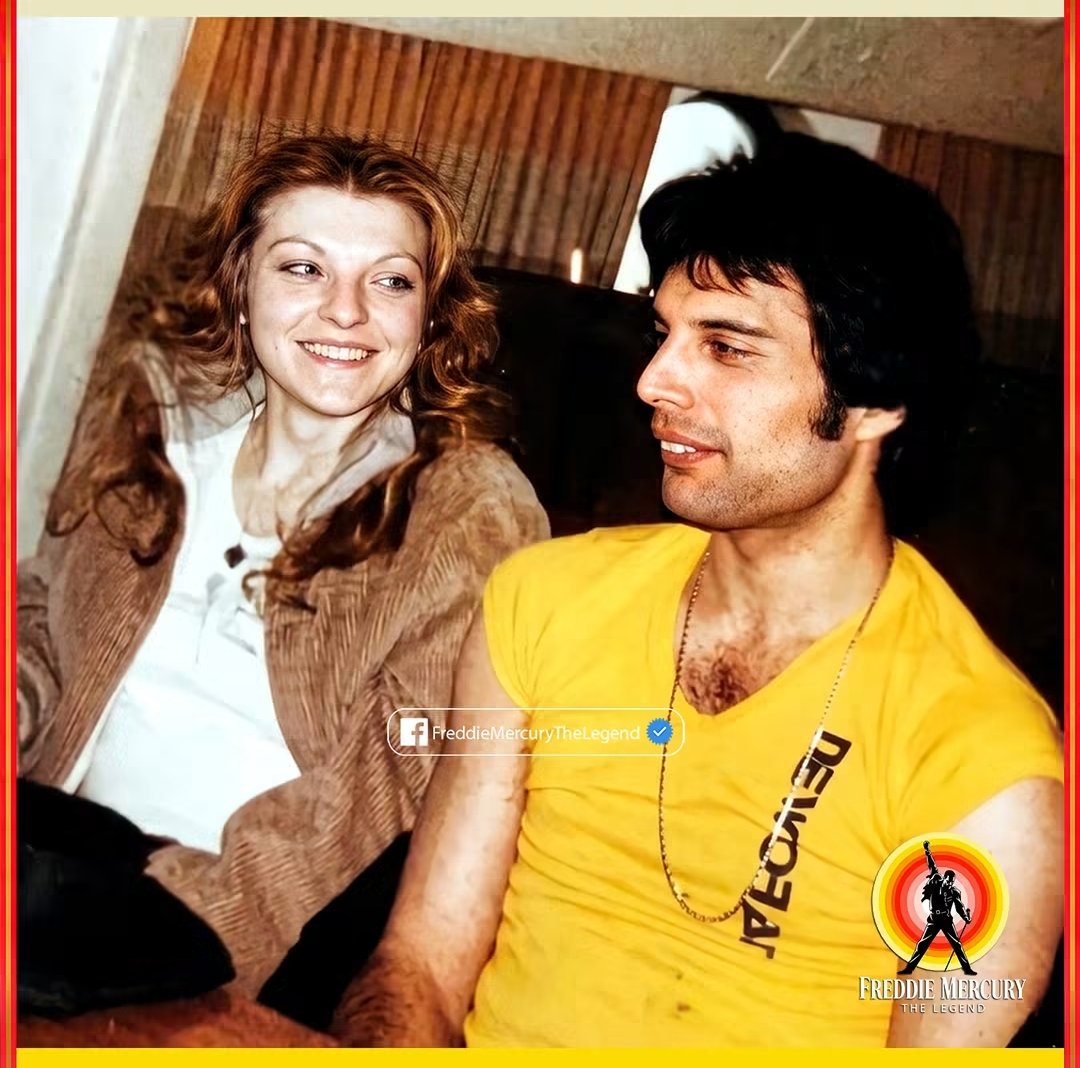
She was 19 years old when she first met him in a London boutique. Today she is 74, and after more than 57 years, she still keeps one of the most personal promises she ever made to him. She has never told anyone where she finally laid his ashes to rest.
This was long before the legend of Freddie Mercury existed. Long before the voice that would fill stadiums around the world. At the time, he was simply Farrokh Bulsara, a shy young graduate from art college who spent his time browsing the racks at Biba, a fashionable boutique in Kensington.
Behind the counter worked Mary Austin, a quiet young woman from Fulham. Her parents were deaf, and she had left school at fifteen to help support her family. By nineteen, she had found work at one of London’s trendiest shops.
He was 24, she was 19, and for six months he came into the shop without ever finding the courage to speak to her. He would pretend to browse the clothes while stealing quick glances in her direction. It seems almost impossible now: the man who would one day command crowds of 100,000 people couldn’t bring himself to ask one woman out to dinner.
Finally, on September 5, 1969—his birthday—he gathered the courage and invited her out.
Mary thought it was just a casual outing with friends. She had no idea he meant it as a date.
But that evening something changed. The nervous young man who had been quietly visiting the shop opened up. They talked for hours, and within five months they were living together in a small flat near Kensington Market.
At that time, Queen did not yet exist as a global phenomenon. Freddie was chasing a dream with a band that very few people believed in. Mary worked and paid the rent, bought the groceries, and supported them both while he focused on music. When others doubted him, she believed in him completely.
When Queen was released in 1973, Mary was by his side. That Christmas, only months after the album came out, Freddie proposed.
True to his dramatic personality, he presented her with a small box. Inside was another box. And inside that one, yet another. At the very center was a jade ring.
He asked her gently,
“Which hand should I put this on?”
She replied, “The ring finger on the left hand.”
Then he smiled and said,
“Because… will you marry me?”
Mary said yes.
But as Queen’s fame grew, Freddie’s life became more complicated. During the mid-1970s he began having secret relationships with men. In 1976, three years after their engagement, he finally spoke honestly with Mary.
“He told me he thought he might be bisexual,” she later said.
Mary looked at him and quietly answered,
“No, Freddie. I don’t think you’re bisexual. I think you’re gay.”
Their engagement ended, and so did their romantic relationship. Yet the deep bond between them never disappeared.
Mary moved into a nearby flat that Freddie helped provide through his company. She continued working with Queen’s management and remained an important part of his life. Freddie often said she was still the most important person to him.
“All my lovers asked why they couldn’t replace Mary,” he once said. “But it’s impossible. To me, she was my common-law wife. To me, it was a marriage.”
He even wrote the song Love of My Life for her—one of Queen’s most beloved ballads.
Mary eventually built her own life. She had two sons, married, and later divorced. Yet throughout everything she remained close to Freddie—the one person who knew him before the costumes, before the fame, before the world knew his name.
In 1987, Freddie was diagnosed with AIDS after testing positive for HIV. At that time there was no effective treatment, and the illness was widely seen as a death sentence.
He kept his condition private from the public. But Mary knew.
She visited him often during his final weeks. On November 24, 1991, at his home, Garden Lodge, Freddie Mercury passed away at the age of 45.
Mary was holding his hand.
Before he died, he asked something very personal of her. He had seen how the graves of famous people could become places of disturbance or obsession. He wanted peace. He wanted privacy.
So he asked Mary to scatter his ashes somewhere secret—and never tell anyone where. Not his parents. Not his bandmates. No one.
For two years, she kept the ashes in her bedroom because she could not yet say goodbye. Then one quiet morning, when she was certain no one was watching, she took them away and fulfilled his wish.
She scattered his ashes at the place he had chosen.
And she has kept that secret for more than three decades.
Many theories have circulated: Lake Geneva, the island of Zanzibar where he was born, a tree in his garden, or Kensal Green Cemetery. Mary has either denied these ideas or simply refused to comment.
In Freddie’s will, he left Mary 50% of his estate, including Garden Lodge. After his parents later passed away, their share also went to her. Today she receives 75% of the future earnings from his estate. The film Bohemian Rhapsody alone reportedly brought her about $75 million.
Some people thought that was excessive. But Freddie’s own mother understood.
Freddie once told Mary,
“If things had been different, you would have been my wife, and it would all have been yours anyway.”
In 2023, Mary auctioned nearly 1,500 of Freddie’s personal belongings, including the piano on which Bohemian Rhapsody was written. Nearly 140,000 people visited the exhibition before the items were sold. Mary explained that it was time to let go of some things and close a chapter of her life.
Today she still lives quietly behind the walls of Garden Lodge, the home where Freddie spent his final years. Outside the gate, fans from around the world continue to leave flowers, messages, and tributes.
Mary Austin remains the guardian of his memory—and the keeper of his greatest secret.
“When he died,” she once said, “I felt as though we had been married. We lived through everything together—better or worse, richer or poorer, in sickness and in health.”
Their story challenges the way people usually think about love. It began as romance, changed into something deeper, and endured long after the relationship itself ended. It lasted until Freddie’s final breath—and in many ways, it still continues.
She was 19 when they met in that London boutique.
She is 75 now.
And she still has never told anyone where she took him.
📷Restoration, Remastering & Colorization by Freddie Mercury - The Legend 😎