After 22 years of waiting, Arsenal proved that it was possible.
Arsenal has painted the digital channels red. Every post you scroll past, and conversation among football enthusiasts, is about a team that proved that the wait was worth it.
22 years of waiting were defined by the game between Bournemouth and Manchester City as the latter's failure to win that game automatically made Arsenal the 2025/2026 Premier league winners, a night most Arsenal fans will forever cherish. At full time, Arsenal fans worldwide didn't wait for 24th May 2026 to lift the trophy as the celebration began, there and then.
There are a number of lessons that organisations can draw from Arsenal winning the championship especially when it comes to building winning teams.
Notably,
Patience: Building a winning team requires assembling good talent, making them gel, sharpening their skill set and keeping them highly motivated at all times. It has taken Arteta five years and a lot of sacrifice to create a solid team. The most elite players at the start of this journey - Mesut Ozil and Pierre Aubameyang - were let go because they were disrupting team dynamics and not setting good examples of the younger players. Arsenal finished runners up three times in a row, were being referred to as proverbial bridesmaids, but did not give up but instead focused on improving the team every year through talent acquisition and adjustment in tactics.
Diversity: Team leaders should always aim to achieve diversity as different team members will always give the team a wider range of attrubutes. It is the role of the leader to harness these attributes towards achievement of the team goals. The leader should always strive to foster an environment that enables team members' talents to thrive. Arteta's team is diverse, and not just in terms of player origins, but also player capabilities. There is a mix of maturity, experience, youth, speed, resilience, physique, etc.. The team has every attribute required to create a championship winning team
Belief: Every team must have the confidence that they can achieve the set goals. When Gabriel Jesus and Zichenko signed from Manchester City in 2022, the dressing room mentality changed. Both players were already multiple champions at Manchester City. They kept on telling their fellow players on the training pitch that the team can be champions. This raised confidence across the team and started changing several players' mentality. That is the year Arsenal finished runners up in the Premier league title race, the first of 3 consecutive times.
Long term game: Teams need to recruit talent not just for what the individuals can deliver today, but what they will be able to contribute tomorrow. Arsenal recruitment team, previously led by Edu and now Bearta, has always focused on buying younger players yet to hit their peak. This carries a risk that results may not be immediate. However, the likes of Gabiel Maghalaes, Saliba, Odegard, Timber, Calafiori, Raya, Rice, have been around for a while yet it is unimaginable that they are yet to hit their peak.
Another challenge is up their sleeve as they aim to win the UEFA Champions League 2025/26 season come 30th May 2026.
Wishing you all the best boys, you can do it💪🏾
Last week, I concluded my two-year term as Chairman of the Uganda Bankers Association, and I want to appreciate the Executive Committee, the UBA Secretariat, and fellow CEOs for the steadfast support, professionalism, and shared commitment to advancing our industry.
For the two years in service, there are major areas that I hinged my leadership on;
Economic Transformation & Growth Initiatives with response to the Tenfold GDP Growth by Commissioning an Industry Led Technical Working Group that finalized the banking industry’s response to the Government’s ATMS strategy designed to inspire development over the next 15 years that contribute towards the achievement of growth of GDP from the current $50bn to $500bn by 2040.
Governance and Policy Advocacy that included strategic engagements and maintaining collaboration with key regulators like Bank of Uganda, Financial Intelligence Authority, and Capital Markets Authority (CMA) to streamline operations and governance.
Member CEO workstreams and Executive Leadership development: Led the introduction of four high level CEO work streams (Economy & Sustainability, Emerging Technologies, Regulatory Reforms and ADR & Judiciary) in order to improve the effectiveness and drive of the industry transformation. This also saw the launch of the inaugural Governance Training for Executive Directors.
Rollout of the ESG, Sustainability, and Social Impact, which included the launch of the Banking Industry ESG Framework in June 2024, reaching the 18-month midpoint of the national ESG roadmap by late 2025. The Banking Industry ESG Framework marked the beginning of an important industry milestone in the journey of embedding ESG principles within the Banking and Financial Services sector to drive sustainability and economic transformation.
The above are some of the key highlights registered and are a testament to what an association can achieve when there is a guiding blueprint and strategy of what needs to be implemented.
While this chapter comes to a close, I remain committed to supporting the incoming Chairman, Michael Mugabi, and Executive as we sustain momentum and continue to drive transformation across the sector.
Lastly, I want to acknowledge the Bank of Uganda, our development partners, sister associations, and key stakeholders whose collaboration and constructive engagement have been central to our collective achievements between May 2024, when I assumed the UBA Chairman role, and May 2026, when I handed over the mantle to the new leadership.
The Katikkiro of Buganda, Owek. @cpmayiga, commended @jcrc_official1 , Pearl Bank, and @KlaSpringers for coming together to drive the establishment of a facility that will significantly advance healthcare in Uganda.
He also acknowledged Pearl Bank’s legacy, noting that as PostBank, it was the first financial institution to support the Kabaka’s Birthday Run demonstrating a long-standing commitment to impactful national initiatives.
A strong endorsement of partnership and purpose in improving lives.
#PearlBankUg #GrowProsper #RotaryUg #JCRCCares
@rotaryd9214@rotaryd9213
“Our role goes beyond financial services we are here to enable transformation.”
Speaking at Bulange, Mengo, our Managing Director, @JKakeeto emphasized our commitment to supporting high-impact national initiatives, including the development of Uganda’s first Bone Marrow Transplant Centre in partnership with @jcrc_official1 and @Rotary.
This initiative strengthens Uganda’s healthcare infrastructure while giving hope to thousands of patients and families across the country.
#PearlBankUg #GrowProsper #RotaryUg #JCRCCares
@rotaryd9214@rotaryd9213
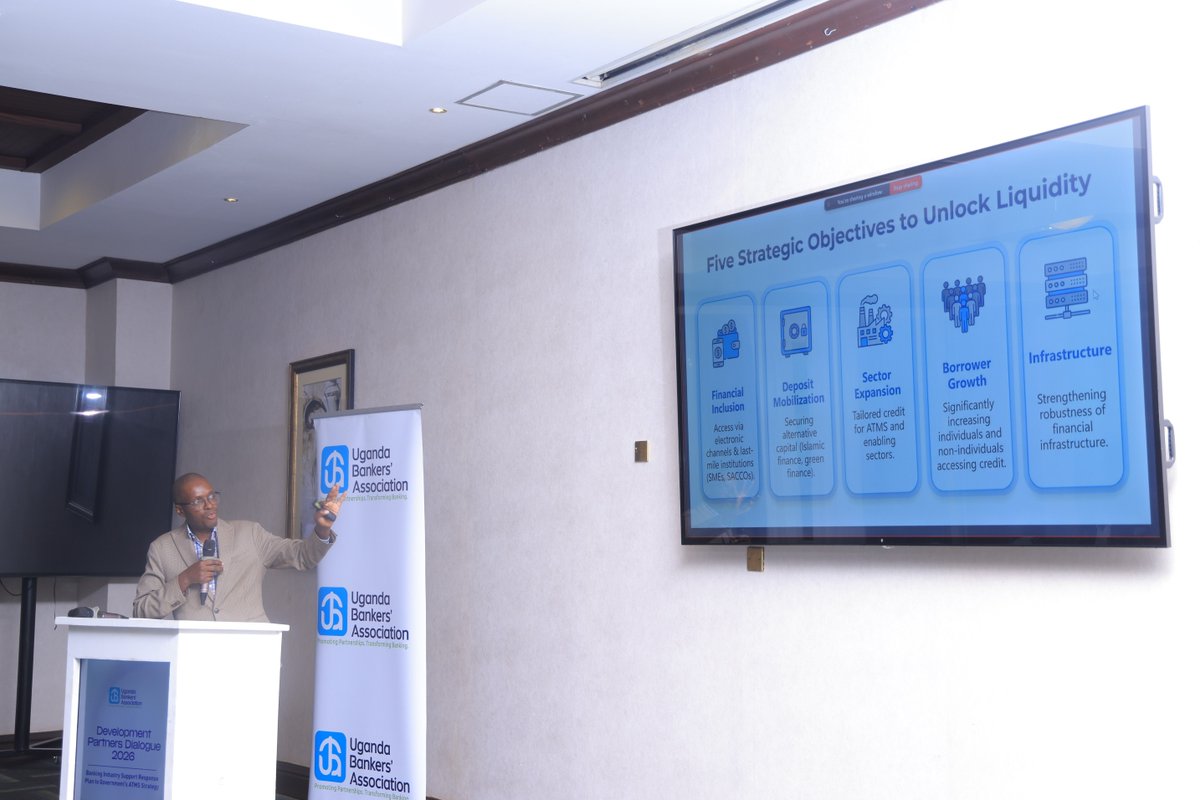
“Government envisions a tenfold economic growth; expanding GDP from USD 50 billion to USD 500 billion by 2040.”
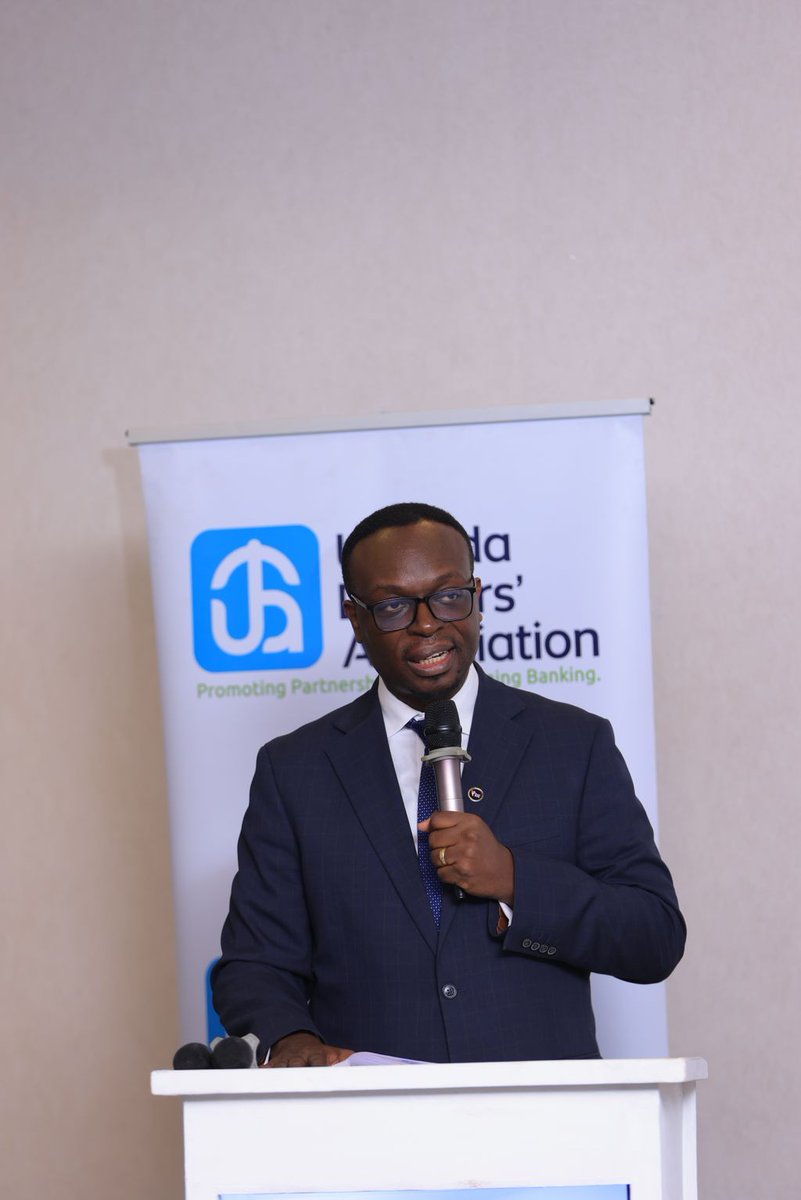
While speaking at the UBA Development Partners Dialogue, our Chairman, Mr. Julius Kakeeto (@JKakeeto), has reminded stakeholders that this bold vision is anchored in the ATMS sectors: Agro-industrialisation, Tourism, Minerals, and Science & Technology.
He emphasised that achieving 10X growth requires collaboration beyond banks, with development partners, development finance Institutions, and diplomatic missions. Together, we can design innovative financing vehicles, blended finance solutions, and long‑term instruments to unlock Uganda’s potential.
This call to action reflects the banking industry’s commitment to building a more innovative and resilient financial sector that drives inclusive growth for all Ugandans.
#TransformingBanking | #PromotingPartnerships | #ATMS
Huge Milestone Unlocked!
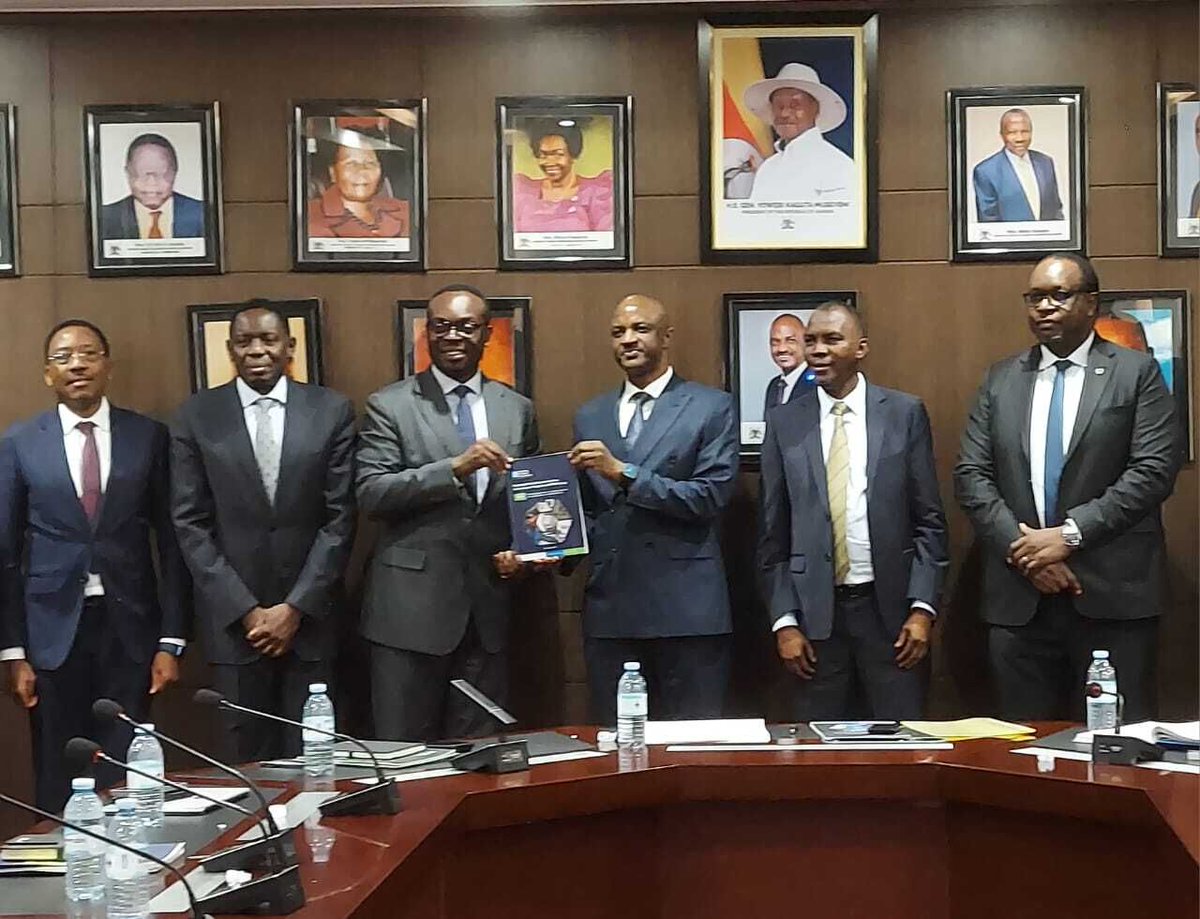
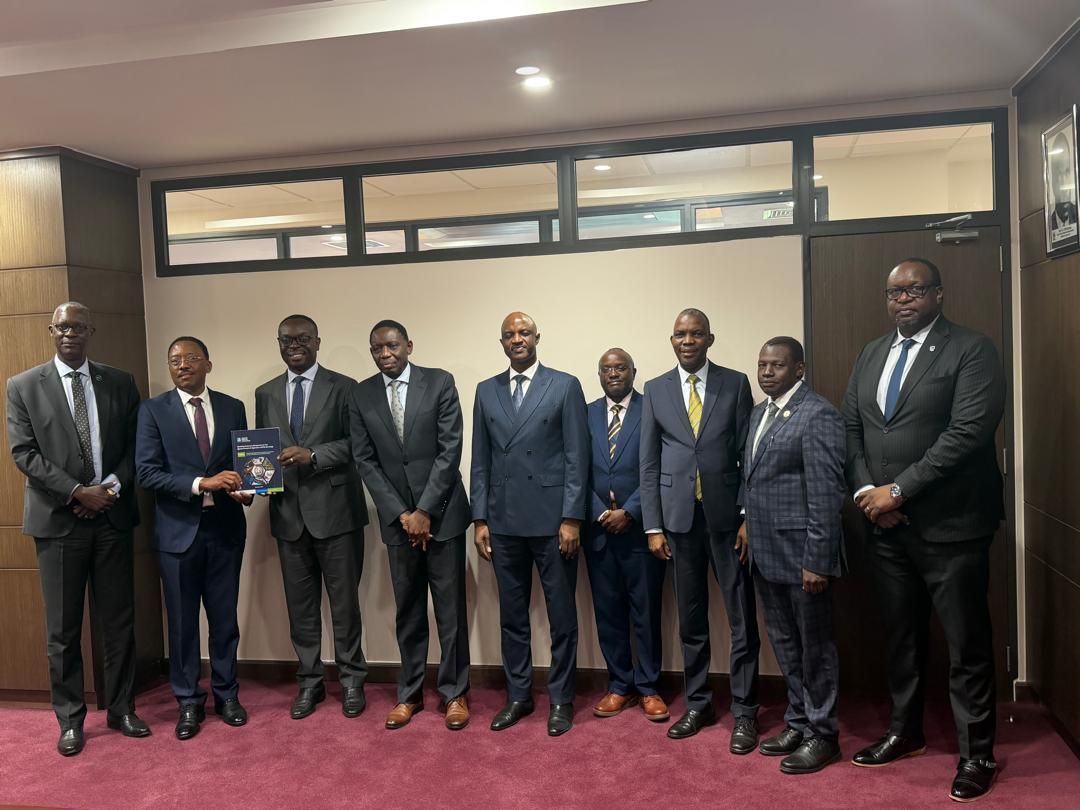
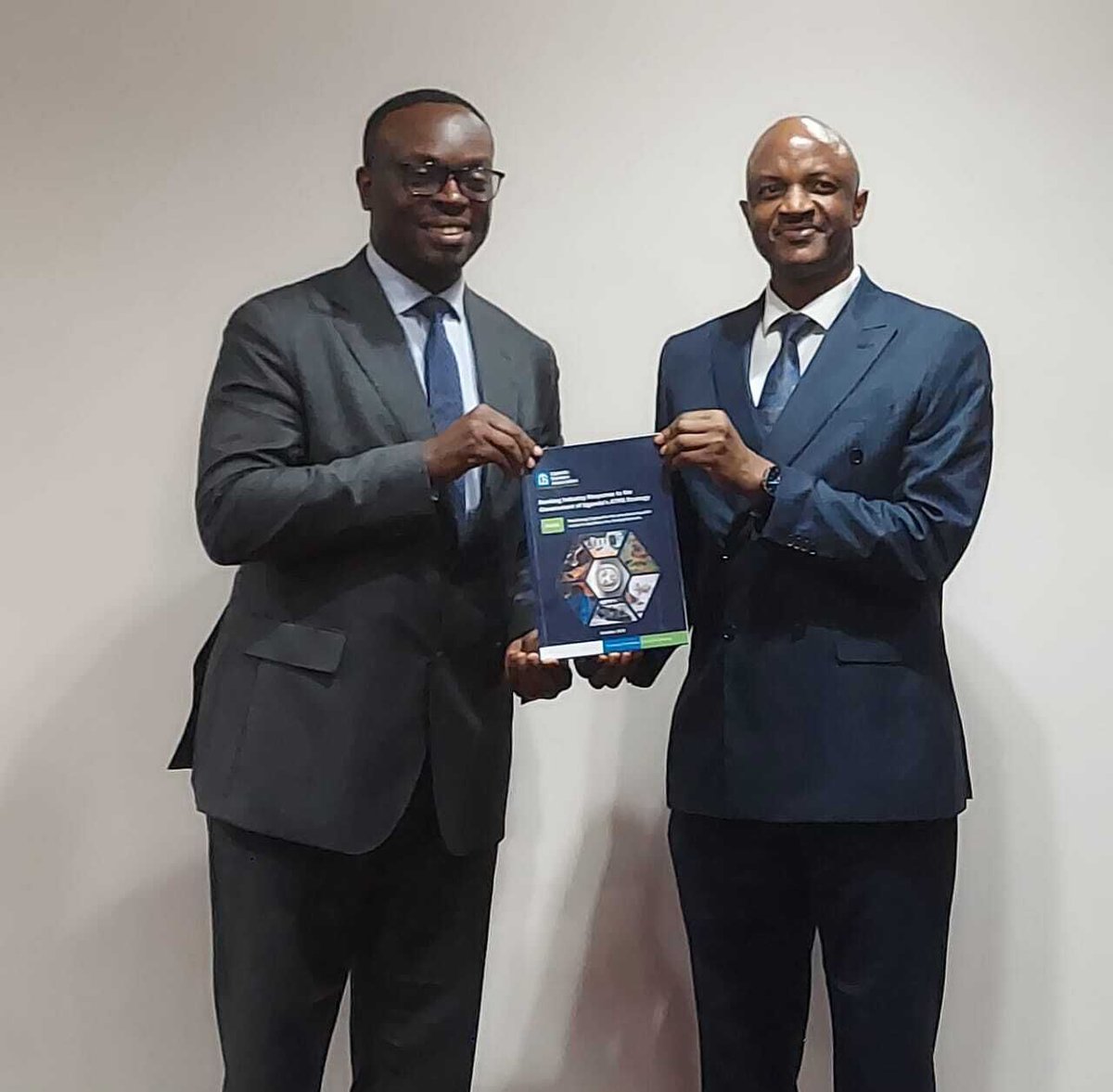
Yesterday, a UBA delegation led by our Chairman, Mr. Julius Kakeeto (@JKakeeto) , met with the Permanent Secretary at @mofpedU Headquarters to present the Banking Industry’s official response to the Government’s ATMS Strategy for 10X GDP Growth.
This plan represents months of dedicated work by the ATMS Technical Working Group since its inauguration last year. We are proud to share a roadmap designed to supercharge the economy and redefine the future of banking in the region.
🤝 Massive appreciation to every contributor who poured their expertise into this critical assignment. Together, we’re making 10X growth a reality!
#TransformingBanking | #PromotingPartnerships | #EconomicGrowth | #ATMS
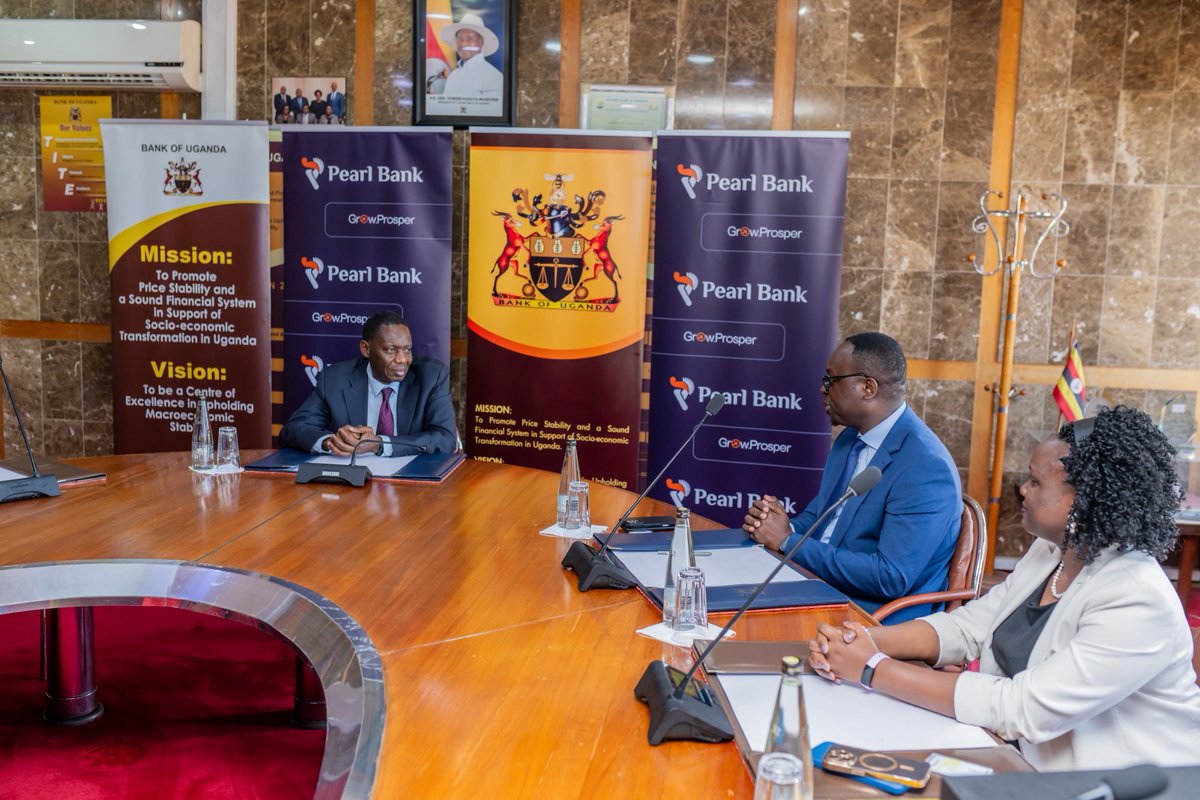
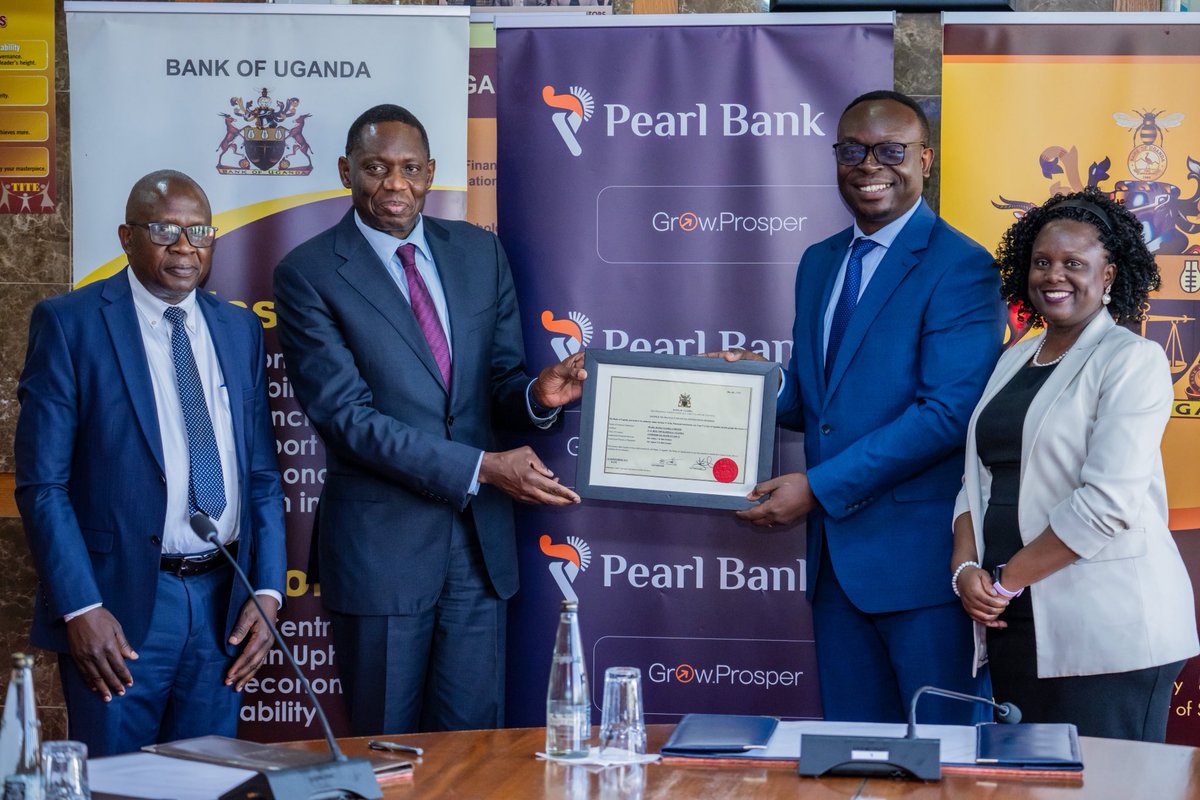
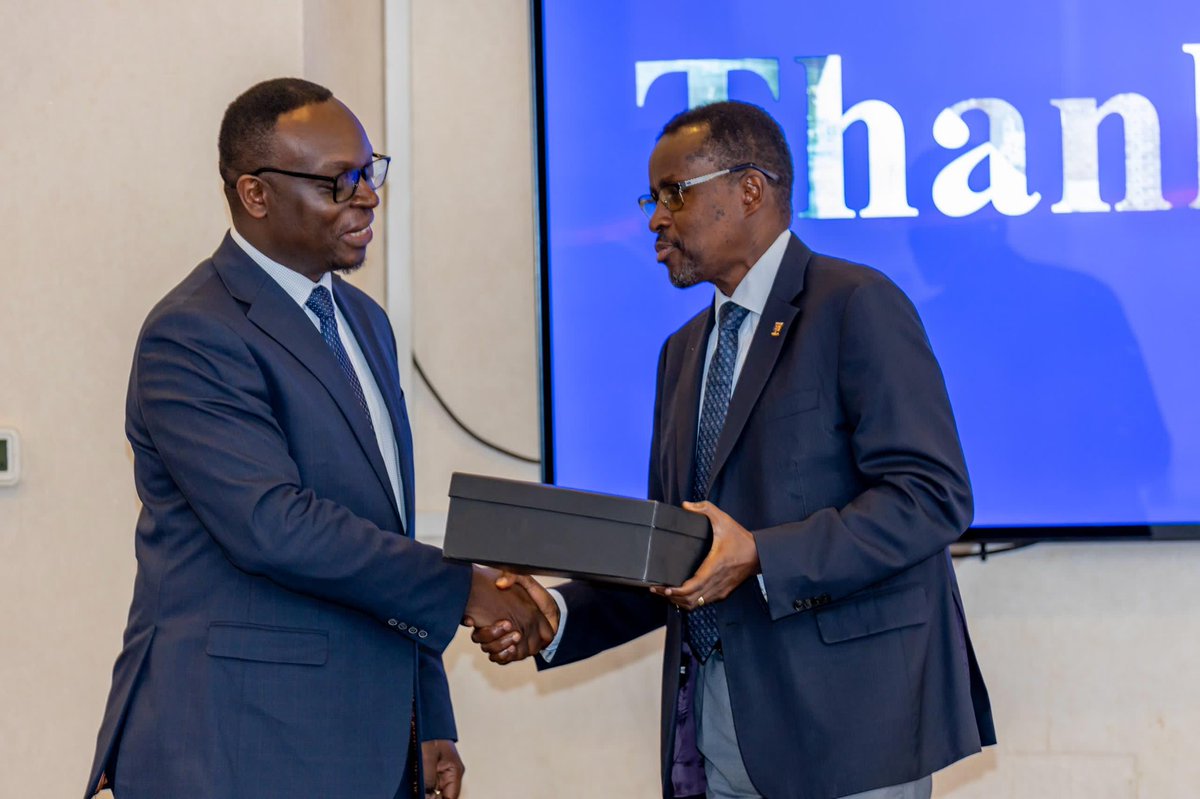
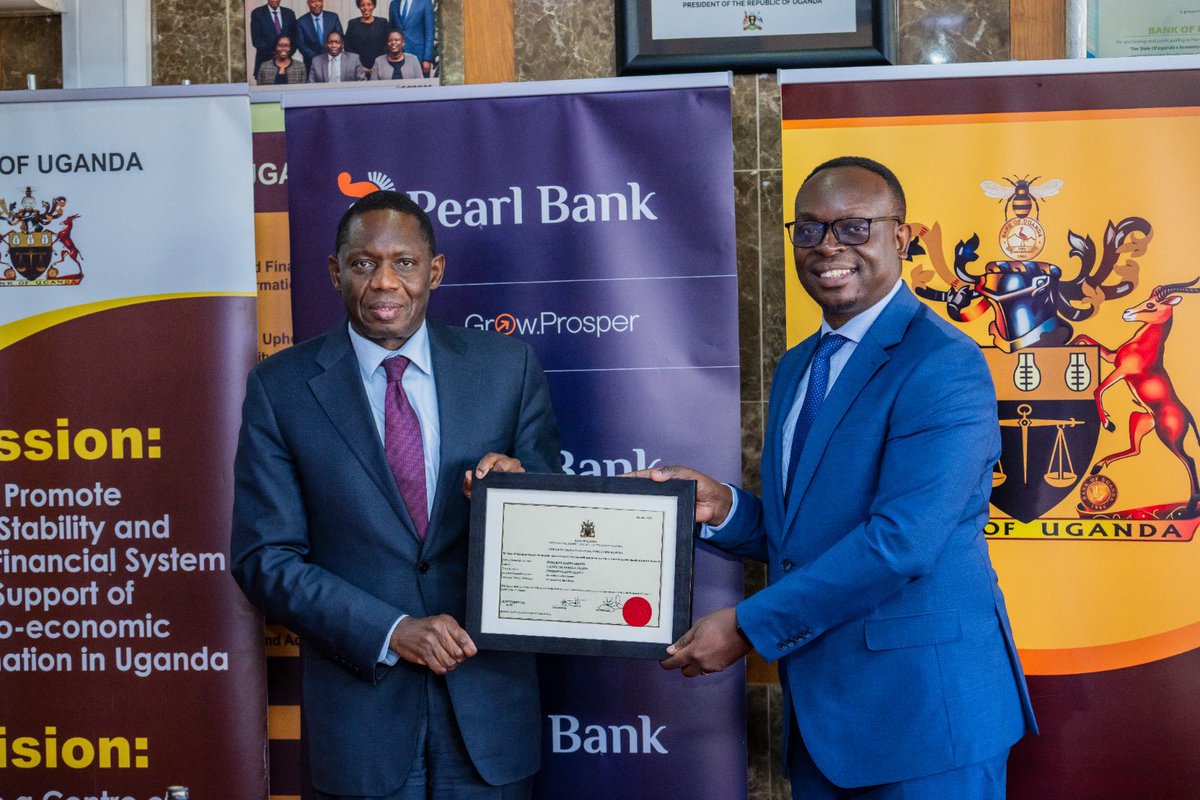
During a courtesy visit to the Bank of Uganda (BoU), the Governor Dr. Michael Atingi-Ego formally handed over the operating license for Pearl Bank Uganda Limited, a symbolic moment in our rebrand to Pearl Bank.
He acknowledged the bank’s continued innovation, including the Wendi mobile wallet, which is expanding access to formal financial services across Uganda.
Under BoU’s regulatory oversight, Pearl Bank remains committed to operating securely and contributing to a stable and efficient financial system.
The Managing Director of @Pearlbankug, Mr Julius Kakeeto, paid a courtesy call on the governor today.
The Governor congratulated him on the bank’s successful transition from PostBank to Pearl Bank Uganda Ltd and applauded him on WENDI, an innovative product enabling convenient government payments to the lowest beneficiaries.
Mr Kakeeto expressed gratitude to the governor and the central bank for the immense support that enabled the seamless transition.
#PearlBank #BankofUganda #FinancialInclusion
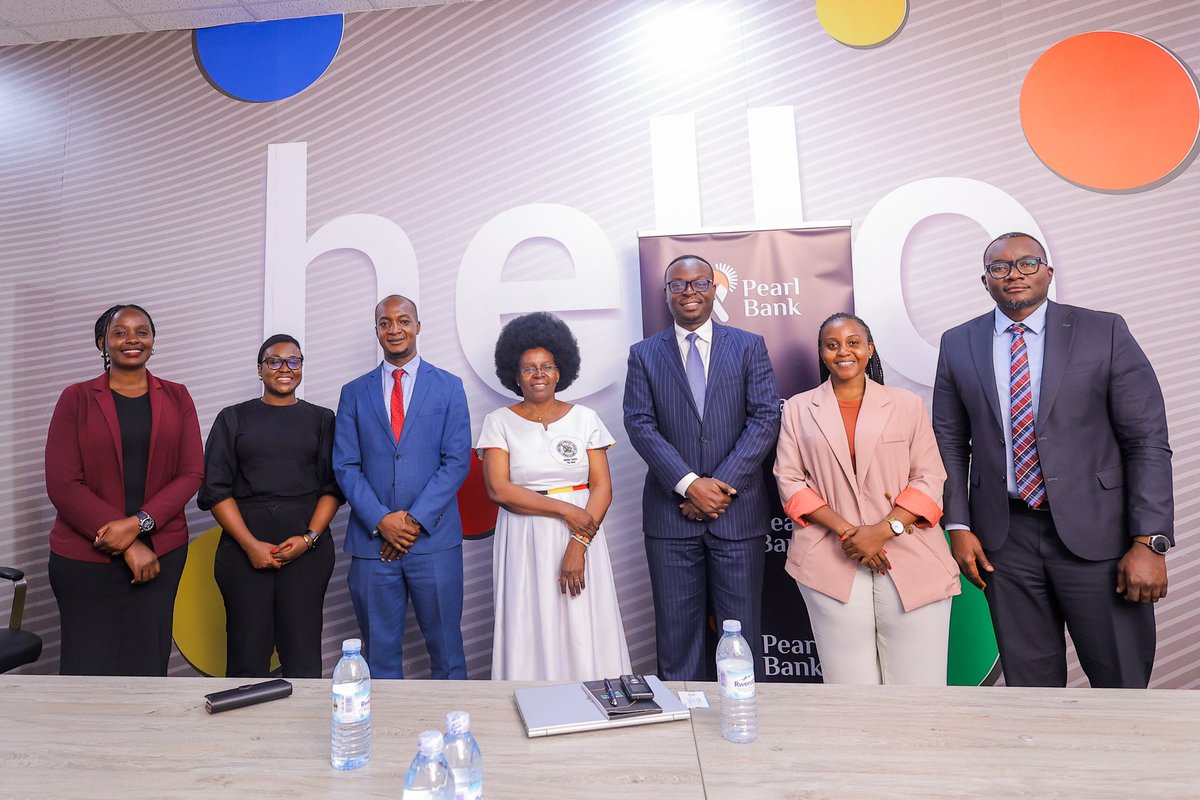
I had the privilege of hosting the Minister for Science, Technology and Innovation, Hon. Dr. Monica Musenero for a discussion on how innovation can drive economic impact.
We reflected on the major role technology can play in creating businesses that can shape the future of the economy and fast track development.
The engagement yielded several areas for possible collaboration between the two entities as a way of creating meaningful impact for Ugandans.
I look forward to building on this discussion and continuing to champion solutions that foster prosperity for Ugandans by expanding financial access and creating a future proof high value economy.
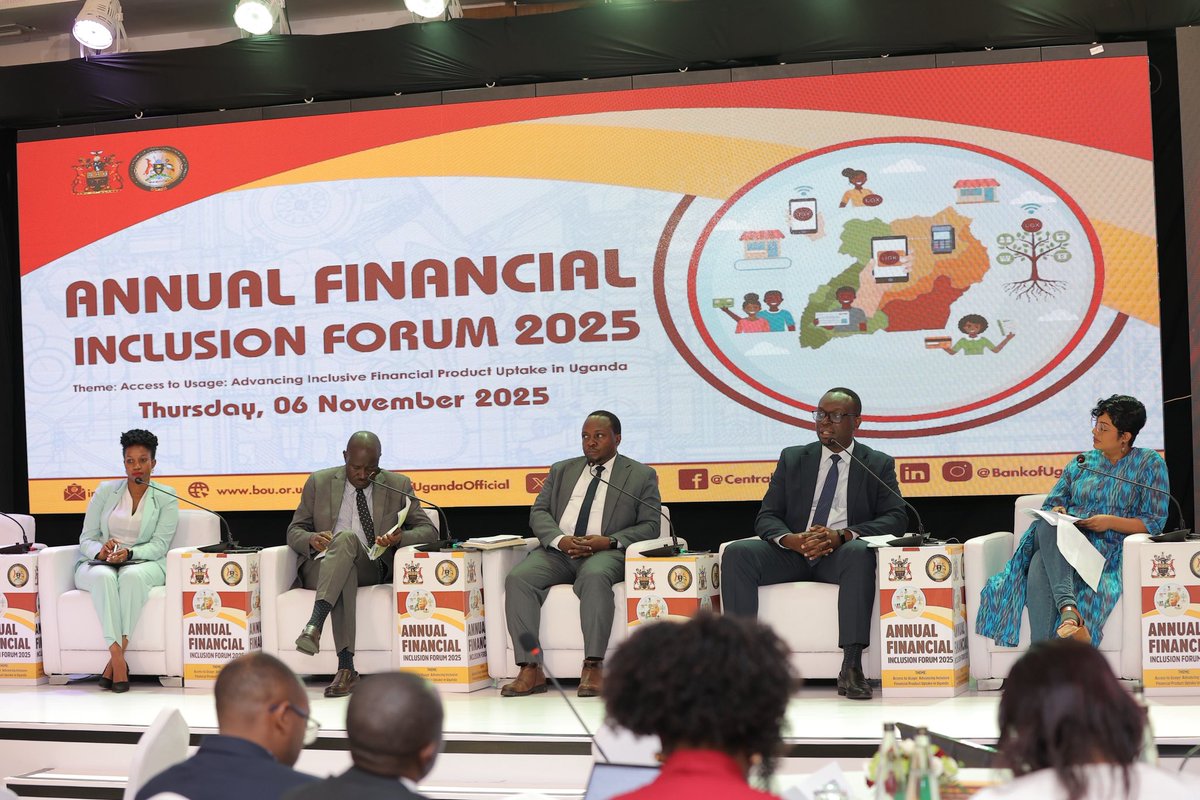
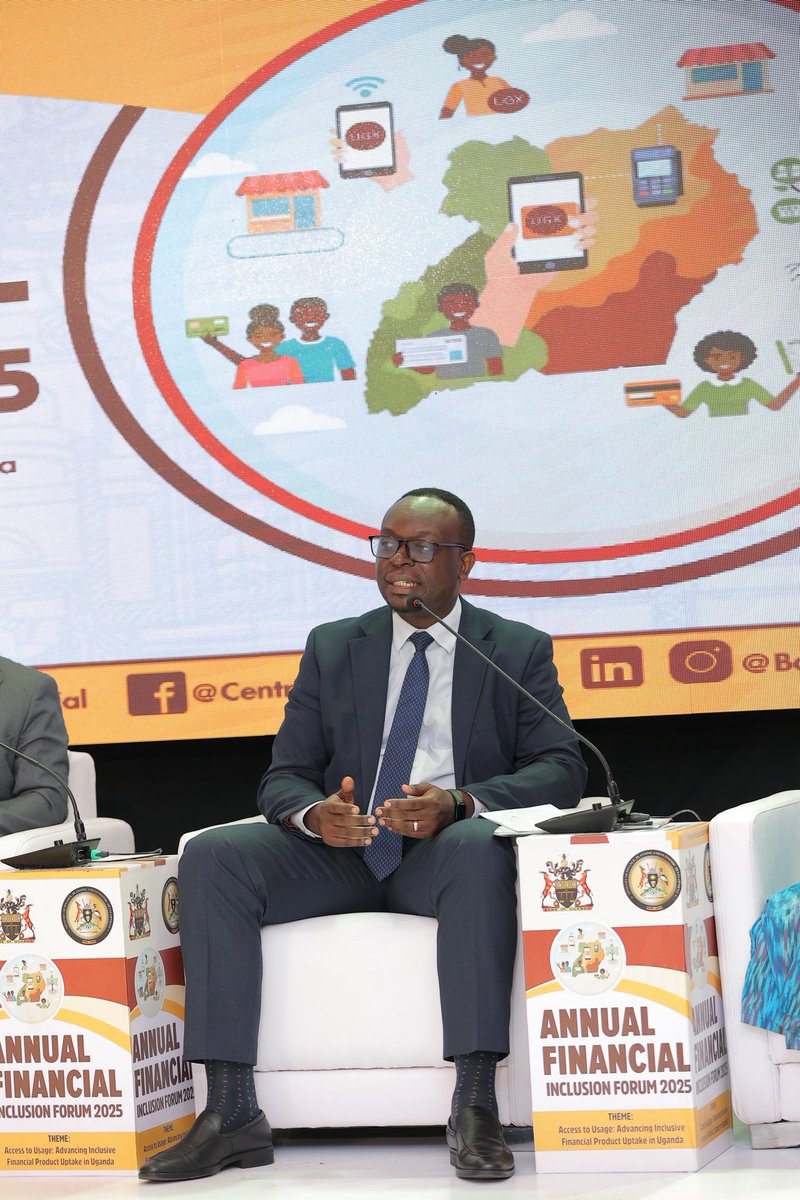
Bank of Uganda today hosted the Annual Financial Inclusion Forum 2025 in partnership with the Ministry of Finance, Planning, and Economic Development, providing a platform for discussions on initiatives to advance inclusive finance in Uganda.
The forum was held under the theme, Access to usage: Advancing Inclusive Financial Product Uptake in Uganda. During the same, I shared my thoughts of what needs to be done for us to further sustainable financial inclusion.
Sustainability is at the centre of the financial inclusion conversation; hence, we cannot achieve our purpose without deliberately venturing into the MSME and agriculture sectors, the largest sources of employment for Ugandans, especially youth and women, who are the most excluded from formal finance.
To succeed in this space, we have to think differently. Don’t begin with a product or solution; begin by understanding the people, the businesses in these communities, their cash flow patterns, and what drives their livelihoods, and then design solutions that help them grow.
Providing access lays the foundation of the financial inclusion journey and this is best driven by technology. The onboarding journey must be simple, and the account should be easy to use.
Most MSMEs and farmers depend on seasonal income. We must be open to extending credit that fits their cycles and not the bank’s calendar. Partnerships with the Government, Bank of Uganda, and development partners like AFD are essential to de-risk this segment and make it sustainable.
But inclusion is not just about credit. It is about building ecosystems that support growth, leveraging existing customer networks, and equipping people with financial literacy to make informed decisions.
Climate change now poses a new risk, especially for smallholder farmers who rely on traditional rain-fed agriculture. Changing weather patterns threaten their yields and income. As providers of financial services, we must integrate risk mitigants into our business strategies and support farmers adopting green and climate-smart practices.
Financial inclusion is a journey that requires collaboration, innovation, and a deep understanding of the people we serve. When we design for their realities, inclusion becomes attainable and sustainable.
This morning, Wendi Mobile Wallet by Pearl Bank Uganda Ltd and FlexiPay by Stanbic Bank Uganda officially launched the birth of a strategic alliance dedicated to the growth of Uganda through furthering financial inclusion.
This integration is more than just technology; it is about collaboration over competition, and a shared commitment to making financial services more affordable and accessible for Ugandans.
Together, we are breaking down digital barriers and connecting more Ugandans to a seamless payments ecosystem. With only 4.3 million borrowers amongst over 20 million adult Ugandans, we must learn from more advanced economies that have achieved financial inclusion through collaboration, shared infrastructure, and joint efforts to expand outreach.
Ugandans will now have greater convenience and access to financial services through a wider merchant and agent network. Wendi was designed to ensure that more Ugandans are included in the money economy and can transact, save securely and benefit from Wendi’s country wide financial literacy sessions which are equipping Ugandans with the necessary skills to make better financially conscious decisions.
As PostBank rebrands to Pearl Bank, we remain committed to building partnerships that foster prosperity for Ugandans. Together with FlexiPay, we are not only expanding access we are also shaping the future of inclusive finance in Uganda.
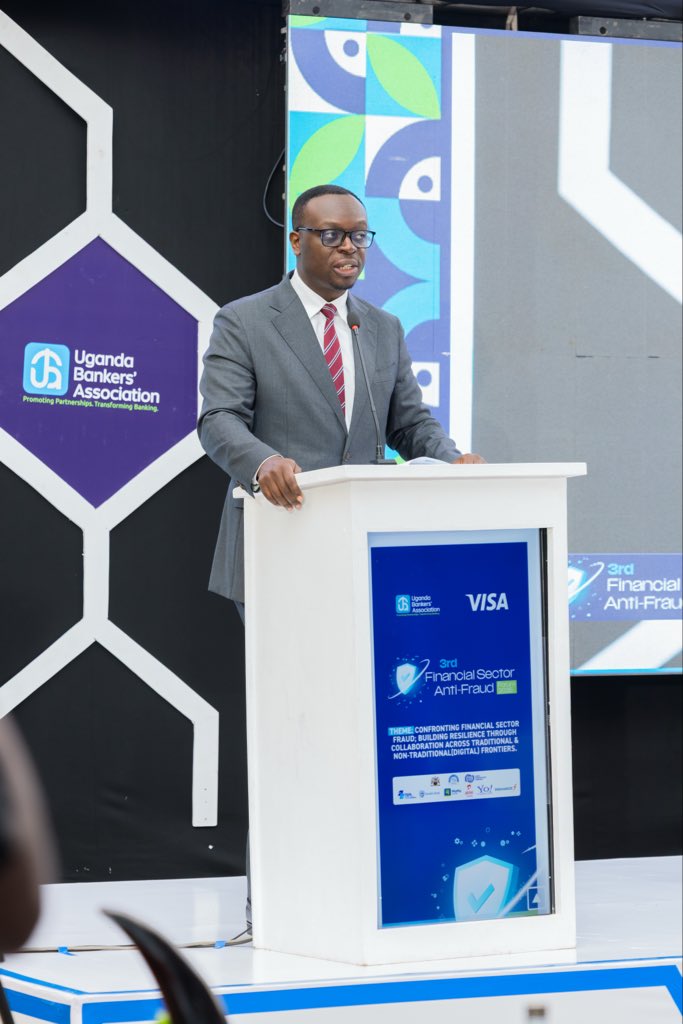
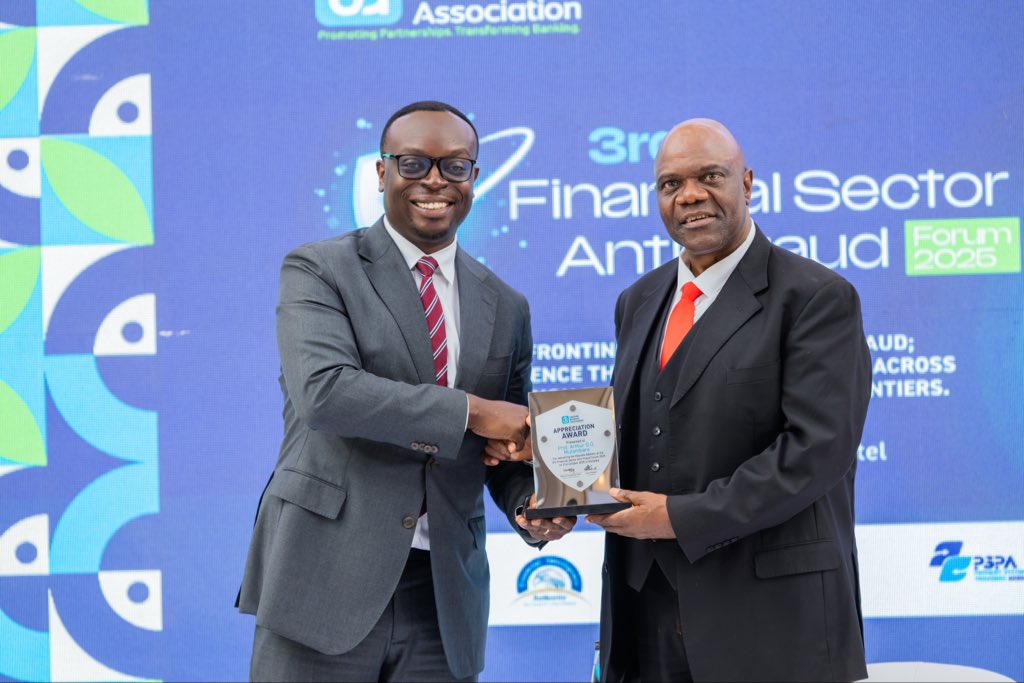
Uganda Bankers’ Association (UBA) hosted the 3rd Financial Sector Anti-Fraud Forum under the theme “Confronting financial sector fraud: Building resilience through collaboration across traditional and non-traditional (digital) frontiers.”
This theme captures the dual battlefield we face:
• The Old Playbook: Loan fraud, identity theft, insider collusion — the traditional crimes that persist.
• The New Battlefield: Cyber-enabled threats like phishing, SIM swap fraud, and ransomware that exploit our growing digital ecosystem.
To effectively protect the economy, we must address both the human element—tackling internal collusion and low levels of digital awareness—and the technological challenge of securing our digital platforms.
Fraud doesn’t just drain institutions; it erodes public trust, undermines financial inclusion, and weakens investor confidence. Therefore, we cannot afford to operate in silos.
As a sector, we must adopt a zero-tolerance culture for fraud and continuously commit to the spirit of collaboration:
• Invest in Technology: Leverage the power of Artificial Intelligence (AI) and machine learning to detect and model fraudulent patterns in real time.
• Empower Our People: Continue to educate and empower our staff, customers, and the public with the knowledge and skills to protect themselves.
• Strengthen Legal Frameworks: Work closely with the Judiciary to implement stronger deterrent penalties and enhance the capacity of law enforcement to investigate and prosecute complex financial crimes.
The work we do today is essential for the stability and growth of our nation. Let us break down the walls, share intelligence, and forge a truly resilient financial sector for today, tomorrow, and beyond.
These are the discussions that move our sector forward — building awareness, strengthening partnerships, and shaping a collective stand against financial crime.
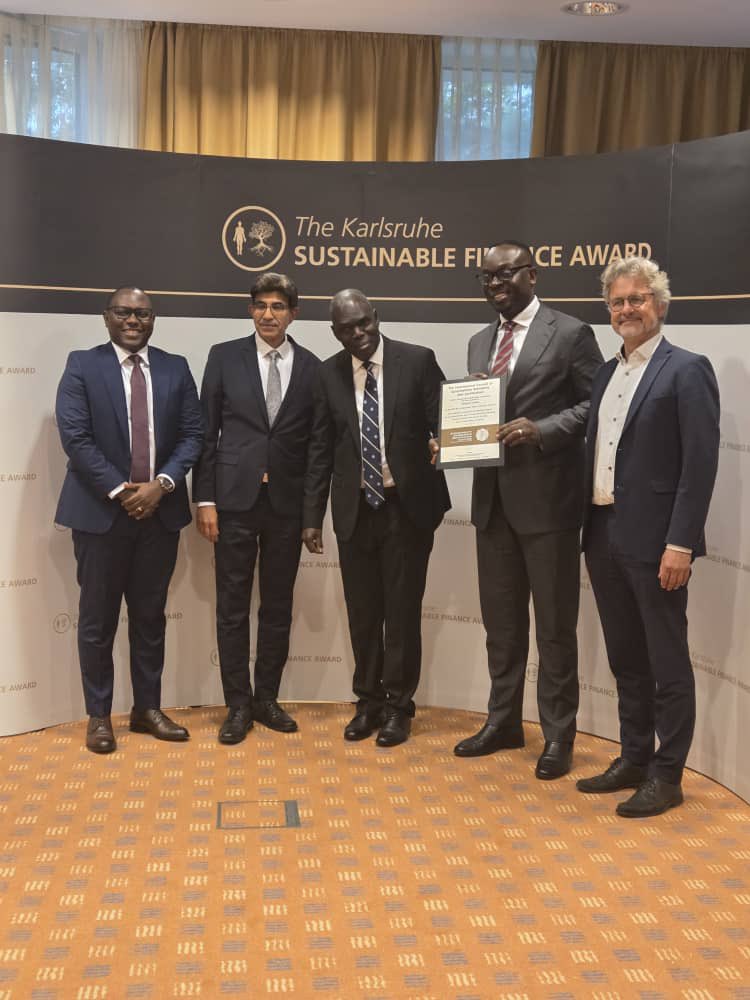
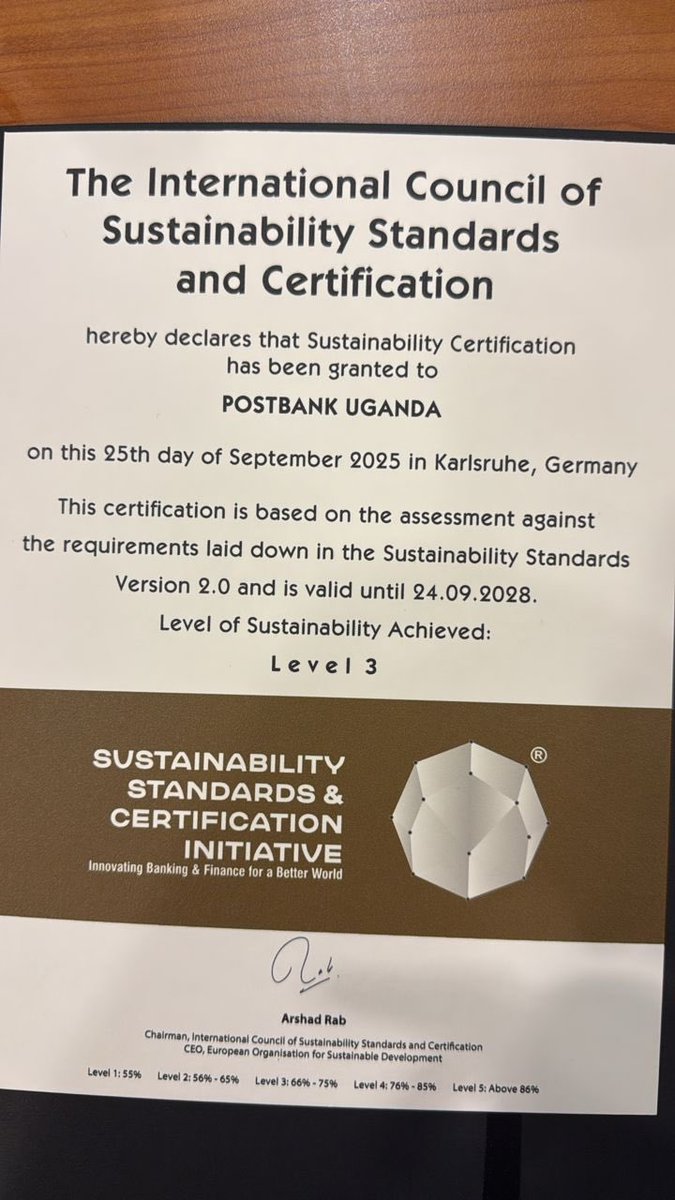
I am incredibly proud to share that PostBank Uganda has officially received Sustainability Certification from the European Organization for Sustainable Development.
This milestone has been a journey that started in 2022, one that involved deep introspection, starting with defining our purpose and high-impact goals. We made a deliberate effort to embed sustainability into our strategy, align our policies and frameworks to global standards, and ultimately rebranded to Pearl Bank — a name that reflects the transformation we continue to pursue.
This certification validates that we are on the right path. It gives us the foundation we need to keep moving forward with confidence as we continue to digitize and digitalise Pearl Bank and deliver on our purpose: Fostering prosperity for Ugandans.
To the teams whose efforts have laid a foundation to this achievement, our customers and partners who believe in our vision, we appreciate you for the unwavering support.
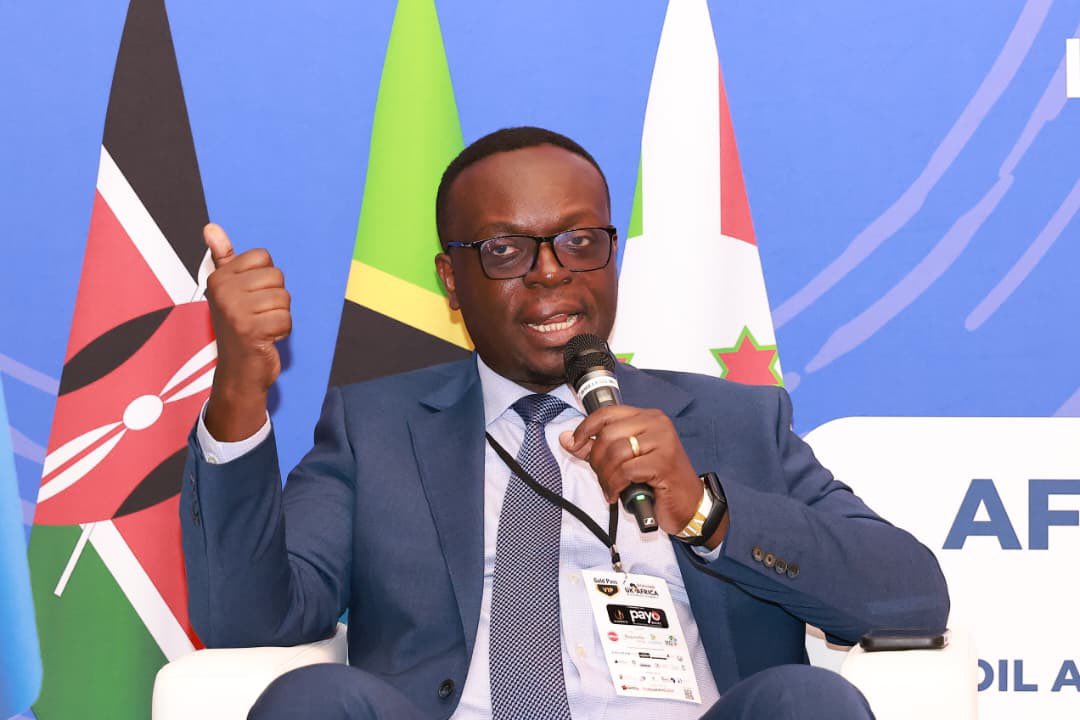
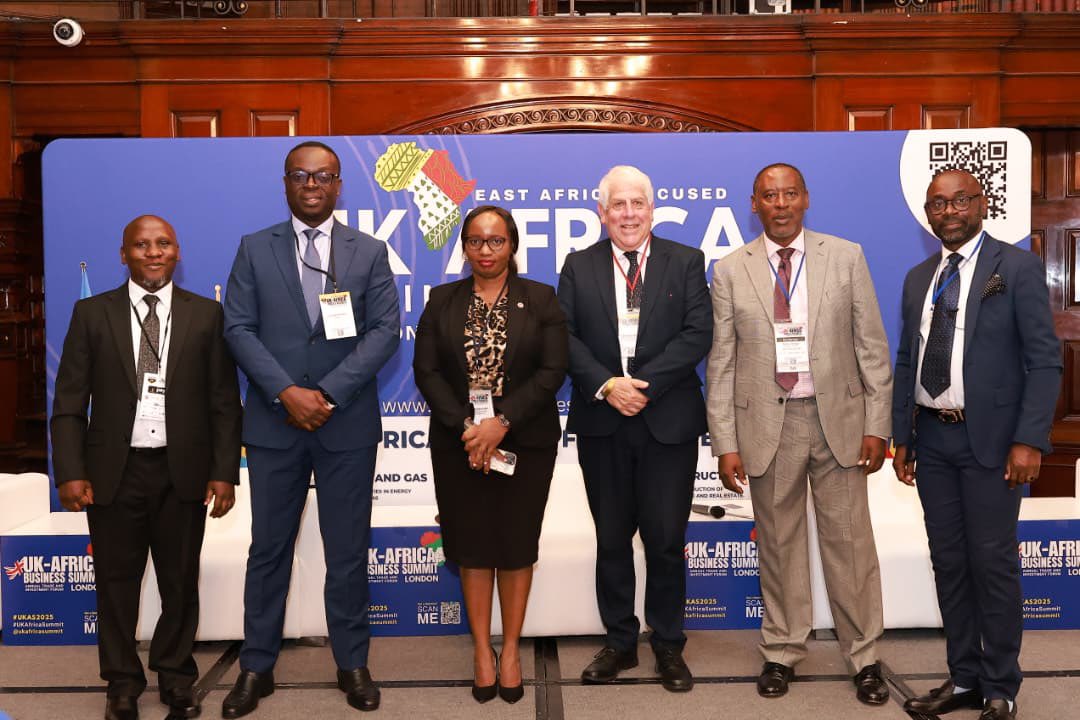
I was honoured to be part of a high-level panel on Financing Africa’s Growth at the UK–Africa Summit.
Technology has moved from being just an enabler of business to being the business itself. As the African economies continue to expand, the banking sector has a role to play to ensure transformation for the population. This can be achieved through providing access to credit while ensuring all people are financially included.
At @postbankug , we are driving financial inclusion through @WendiWallet, which gives anyone with a phone access to financial services. By integrating with Western Union and other global partners, we are connecting Uganda to the wider economy, while also supporting the local culture of group saving by enabling group activity on the platform.
We no longer rely on manual credit assessment—technology and data now allow us to prescore customers based on behaviour, making access to credit more inclusive. At the same time, supporting SMEs, which employ 75–80% of Uganda’s workforce and drive much of the country’s innovation, remains a key growth opportunity.
There is also vast potential in the insurance sector, where life and health penetration is only 1%. With bancassurance laws improving trust amongst prospects buying insurance policies, and as financial inclusion expands, this sector is set for significant growth.
Africa’s growth story is unfolding, and at its heart will be inclusion, innovation, and entrepreneurship. As the African economies expand, policy makers need to ensure that the population grows too.
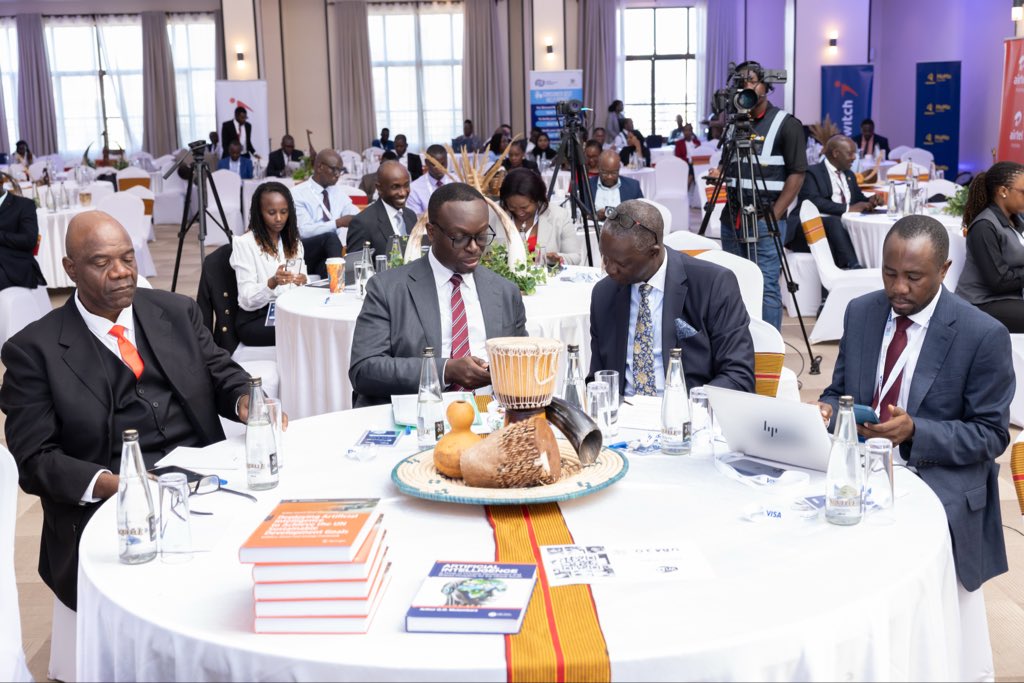
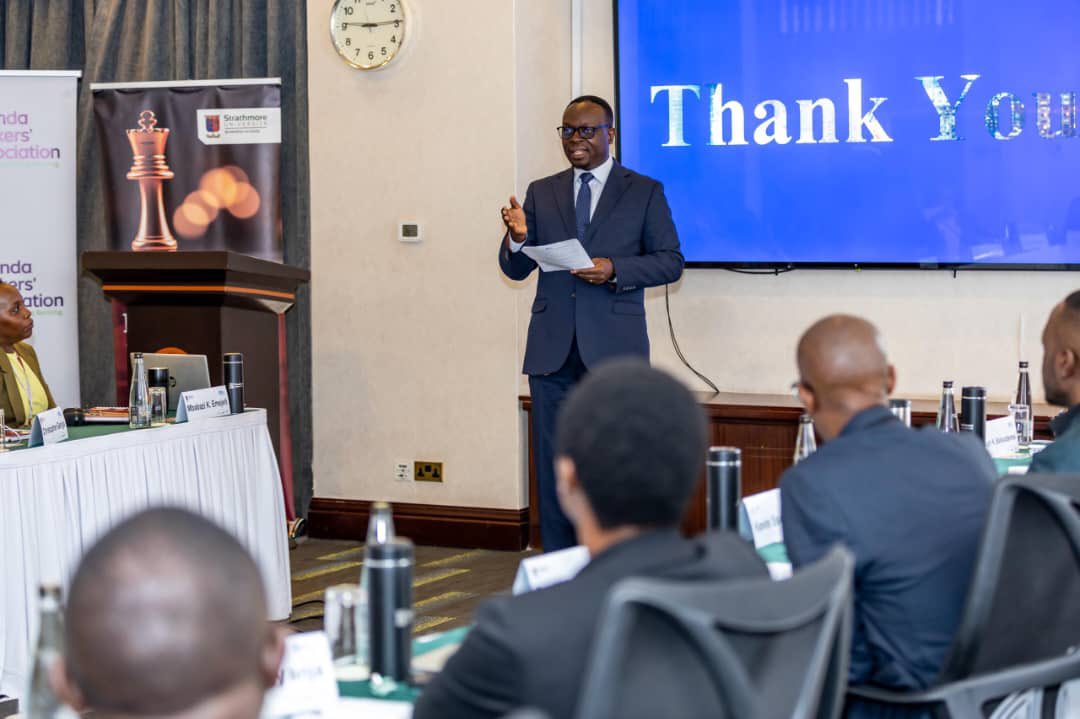
At the first-ever leadership training focused on Executive Directors, organized by the Uganda Bankers’ Association and delivered by Strathmore Business School yesterday, I had the privilege of interacting with great minds in our financial sector.
I am excited about this great step in our industry, as this programme is being rolled out at a time when leaders are navigating governance reforms, ESG adoption, regulatory demands, shifting customer expectations, technological disruptions, and the personal pressures that come with leadership at the top.
It also provides a space to share experiences with peers, reflect deeply, and learn from world-class trainers and seasoned practitioners, or “Professors of Practice”.
Participants also have the opportunity to benchmark with domestic, regional, and international institutions, taking lessons from global best practices while considering their own context.
All these aspects contribute towards the totality of a leader and the balance required in life.
In leadership today, IQ (technical know how) alone isn’t enough. The leaders who stand out are those with Emotional Intelligence.Some people are born with it while others have to work on it.
Emotional Intelligence is the ability to recognize, understand, manage and influence emotions—both your own and those of others. It goes beyond raw intellect, focusing on how well a person navigates social interactions, handles stress and makes decisions with emotional awareness.
Why does this matter? Because Emotional Intelligence builds trust and loyalty, helps resolve conflict peacefully, improves team morale, supports better decisions, and creates an environment where respect is the norm.
An emotionally intelligent leader leads with both heart and mind. They are self-aware, motivated, empathetic, socially skilled and able to regulate themselves, qualities that go beyond intellect and deeply influence how people connect, collaborate and thrive.
Emotional Intelligence is no longer a “soft skill” but a core leadership skill. Those who practice it will not just manage teams, they will inspire and influence them.
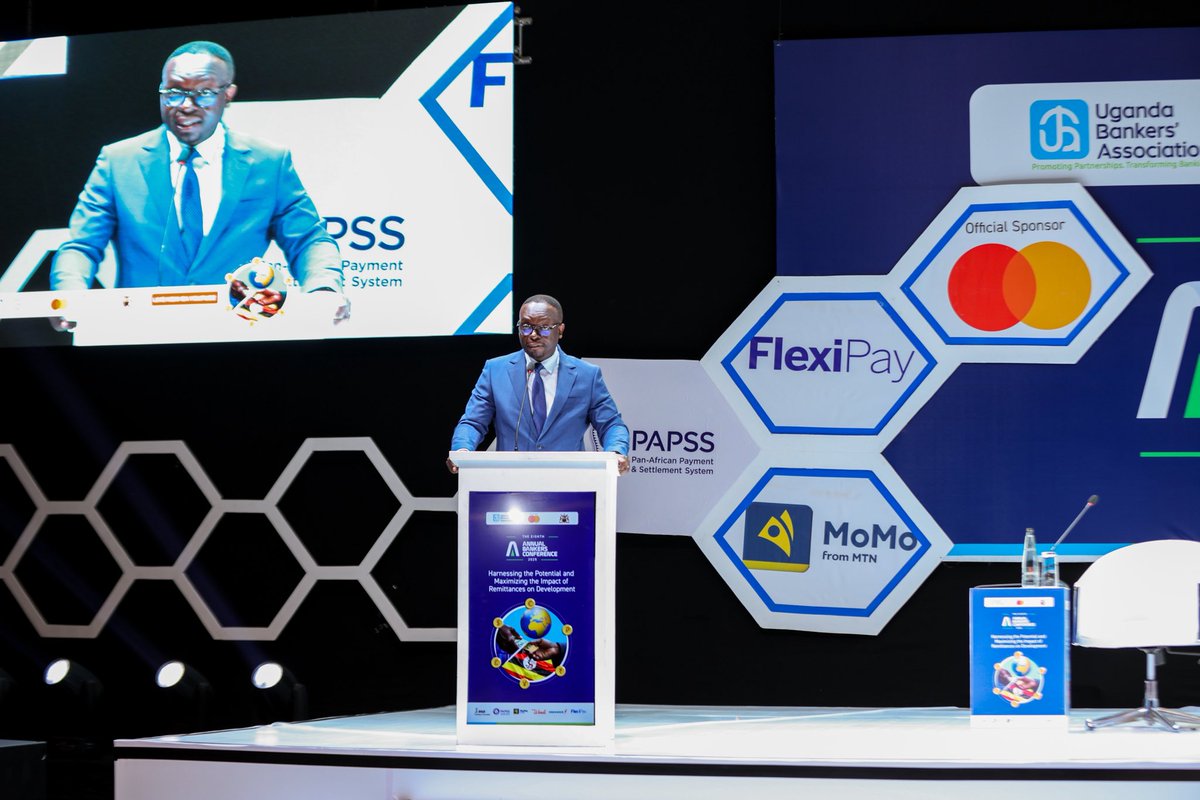
Behind every dollar, pound or dirham sent home is a story of sacrifice, perseverance, and hope.
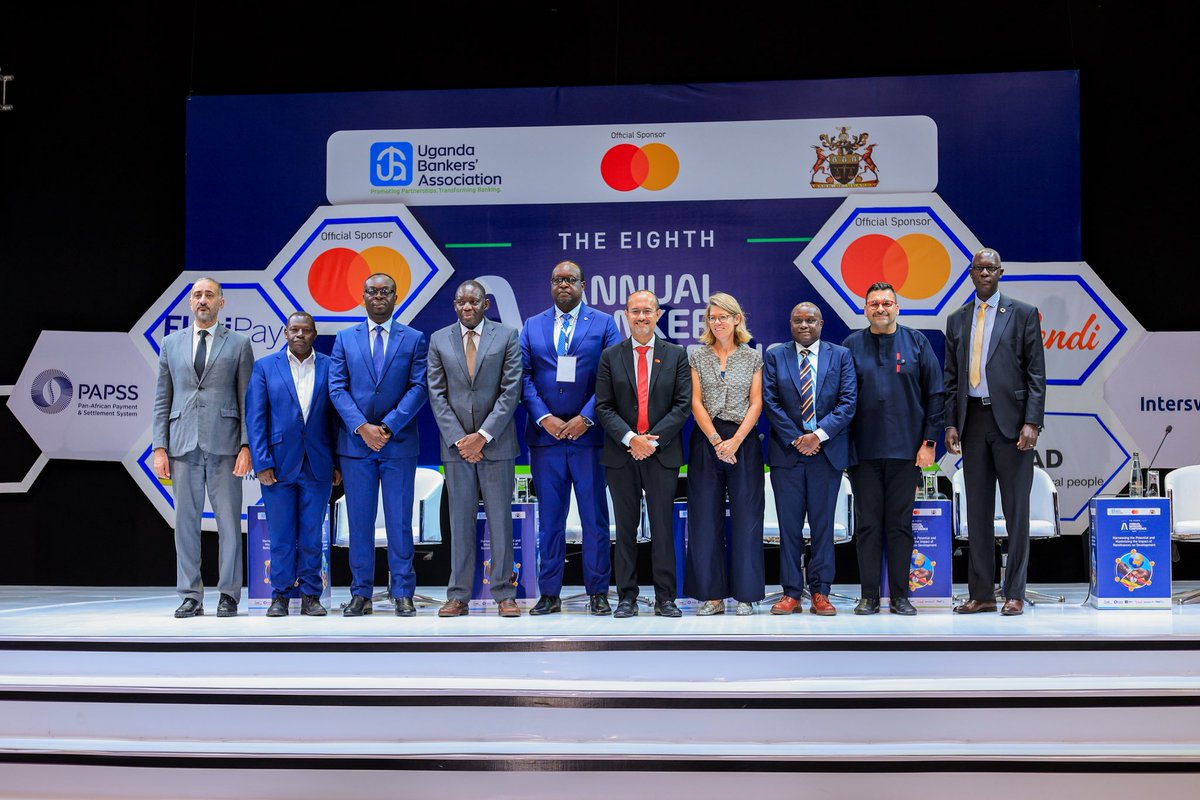
At the 8th Annual Bankers Conference today, hosted by the @ugbankers , we are reflecting on the critical importance of remittances, not just as financial transfers, but as lifelines for families, fuel for dreams, and powerful tools for national development.
I was honored to deliver the opening remarks on the theme: “Harnessing the Potential and Maximizing the Impact of Remittances on Development.”
Uganda’s remittance story is compelling. Remittances often surpass Foreign Direct Investment (FDI) and development aid globally, supporting poverty alleviation, employment, and economic resilience. Remittances are not mere financial transactions. They connect families, support livelihoods, and, when well-structured, become engines of inclusive, long-term growth.
Our discussions are anchored around four critical areas: the economic impact of remittances on growth and development, the constraints and risks within the ecosystem, the technological innovations shaping their future, and the role of financial institutions in harnessing and scaling this potential.
As Uganda Bankers' Association, we expect that this engagement will lead to strategies for addressing structural and logistical bottlenecks, stronger policies and frameworks, and innovative financial sector proposals that unlock the full potential of remittances, including as a funding source for long-term infrastructure and inclusive development.
We also acknowledge a critical concern raised by our diaspora community, the growing dissatisfaction with the quality of properties being financed through mortgage arrangements with some developers. These are not concerns we take lightly. Every shilling sent from abroad is hard-earned and must never be lost to poor standards or oversight.
To that end, UBA is introducing additional safeguards such as increasing the developer liability period to two years, ensuring developers remain active members of condominium boards, dedicating special teams to guide diaspora clients on property purchases and their rights, and enforcing reprimand clauses where standards are breached.
Wherever we may be in the world, home remains our greatest treasure. Together, let us build a stronger, more inclusive, and more prosperous Uganda.
Gary Keller in his podcast Think Like a CEO tackles a very important aspect about being a leader, Charging the Storm. This is inspired by the behaviour of the buffalo, the only animal in the animal kingdom known to run towards an approaching storm.
While other animals retreat, run alongside the storm, seek shelter, try to outrun the storm (which is impossible, since the storm usually moves faster than the animal), the buffalo leans in and runs straight through. Why? Because by doing so, they reduce the amount of time they spend in discomfort and danger. They understand instinctively that the fastest way out of the storm is through it.
In leadership, and in life generally, storms are inevitable. They come in the form of uncertainty, tough decisions, uncomfortable conversations, or bold transformations. Yet, what sets successful leaders apart is not the absence of adversity, but how they respond.
Many people, when faced with a difficult situation, wish it away. Some delay action, hoping the problem resolves itself. Others retreat, sidestep, or distract themselves. But the most effective leaders, the ones who truly make an impact, choose a different path: they charge the storm.
Leadership requires that mindset. The courage to lean into discomfort. The determination to take decisive action when others hesitate. The clarity to see storms not as threats, but as opportunities for growth and transformation.
Waiting for the storm to pass only prolongs the discomfort. The longer you avoid a hard decision, the more complicated the situation becomes. Whether it is introducing new technology, kicking a bad habit, changing an outdated culture, or confronting underperformance, leaders must act.
As a leader, or an aspiring one, your greatest tool is not just strategy, but bravery. Don’t be afraid to make the decision.
You can listen to the episode on this link; https://t.co/c7VDWVfPf4