@ambermathurin A wise coach once told me “Use the system, because the system is going to use you.”
Reality is a large number of transfers are pushed out by coaches with “you won’t ever play here, but I’ll help you find a home elsewhere.” It’s a what have you done for me lately business.
@AaronGogley@marcisenberg@GoodmanHoops It’s obvious you haven’t been a college athlete.
Ask your D1 kid if their coach has team rules?
Ask your D1 kid if their coach dictates their schedule?
Ask your D1 kid who decides what they do and how they do it?
But go on about how these are minor rules and how you know so much.
@TrashMonkeyYT@GoodmanHoops This assumes a CBA would result in NCAA’s demands. There is a world where athletes secures the compensation structure as it exists today, gives players the same transfer rights as coaches, and much more.
In return the NCAA gets stability, enforceability and no more lawsuits.
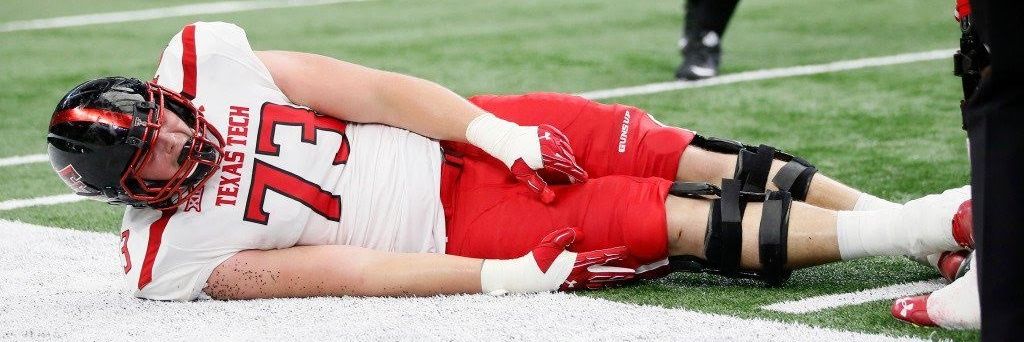
If player safety were genuinely a priority, spring football wouldn’t exist. However, I agree w/ NCAA here. Playing against another team raises the risk without any substantial reward.
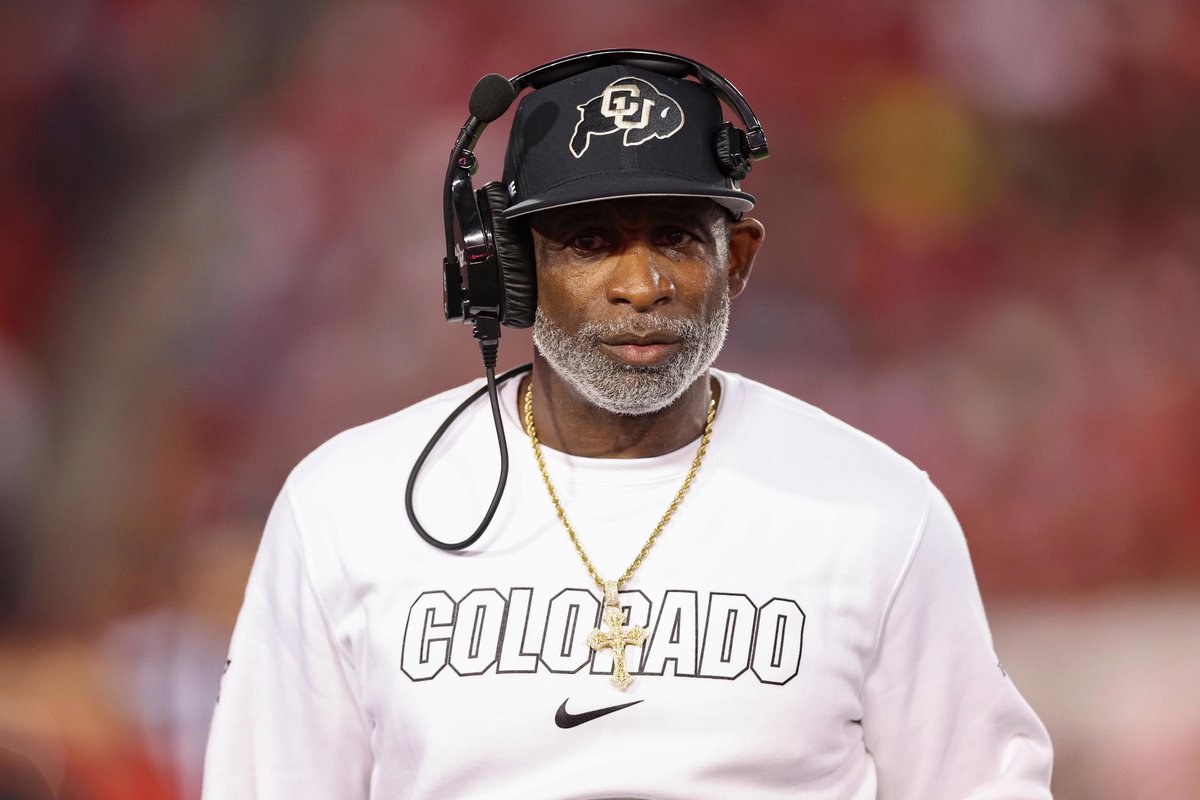
NEW: Coach Prime and Syracuse HC Fran Brown got BLOCKED again by the NCAA.
After getting denied in 2025, the NCAA rejected their idea to have a spring game between the two programs in 2026 😳
@McCannSportsLaw Practice activities could be interesting.
How many schools disregarded the NCAA rules on limited contact practices?
How many athletes dealt with more head impact exposure than allowed?
How much did NCAA know about the risks?
How much of that did they inform the players?
It is no surprise that the NCAA is a huge advocate for the SCORE Act. After all, it allows them to override the multitude of court cases they’ve lost (including at the Supreme Court, where they lost 9-0). They want to resume the business or policing, punishing, and restricting Student Athletes’ rights!!
Under NO circumstance should the NCAA be given a carte blanche anti trust exemption. We should establish a new governing body that represents the interests of ALL of the schools (Big and Small), ALL of the sports (Revenue, Olympic, and Women’s), and gives Student Athletes a seat at the table for the first time in history!!
The more I think about the House v. NCAA settlement, the more I realize that there is only 1 good component, and it's very temporary.
The positive piece of the deal is the damages to athletes going back to 2016 in the amount of roughly $2.8 billion. You could argue this is a discount on what's owed and that it's not being properly apportioned to athletes, but it's a hedge on the risk of moving forward with litigation, which could also drag out for a long time.
However, we can all safely assume that the settlement will be appealed, at which time this payout will likely be stayed. So, the 1 good piece of the settlement could be delayed for a while.
I can't think of any other "win" for the plaintiffs (i.e. the athlete class). Schools will be able to pay them directly, which they could do without the settlement. Payments from schools will be capped, which wouldn't be true absent the settlement. There is no floor. Payments not made from the school but instead paid by collectives will be subject to a fair market analysis. All of this is purely intended to reduce the amount of money that athletes are currently receiving. Additionally, plaintiffs' counsel gave in on roster limits and agreed to lobby Congress with the NCAA.
I'm really struggling to figure out how this settlement is anything but downright ugly for athletes. Not only the athletes current competing in college athletics, but the athletes who will compete in the future and had no say in the settlement.
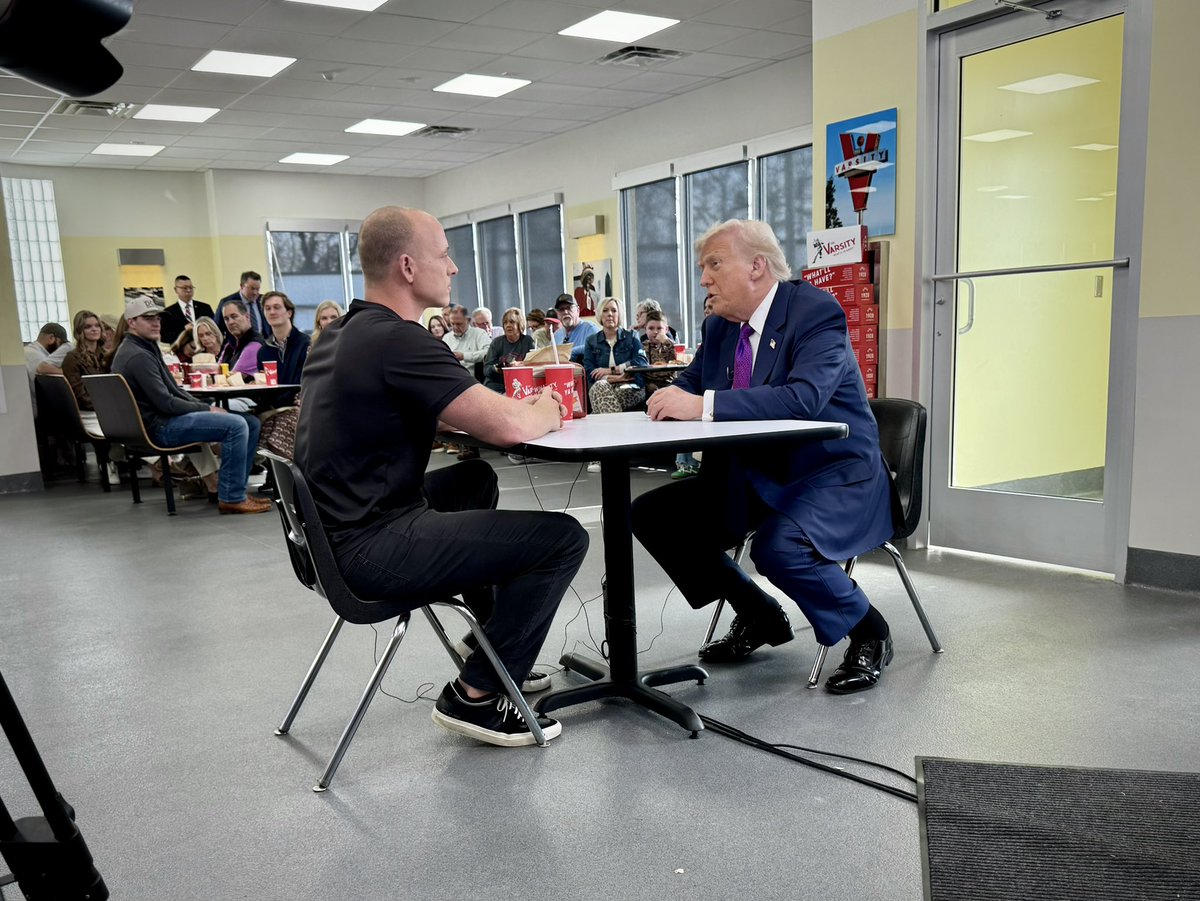
NEW: House settlement leader Steve Berman blasts Donald Trump, Nick Saban for 'unneeded self-involvement'🫣
“College athletes are spearheading historic changes and benefitting massively from NIL deals. They don’t need this unmerited interference from a coach only seeking to protect the system that made him tens of millions.”
https://t.co/lcKBAsqfJU
A potential ramification of this Dept of Ed memo (assuming it’s not quickly overturned by a court, which is a distinct possibility): it may push schools to more strongly consider employment for certain athletes.
Payments would not be treated as athletics financial assistance.
These two things are real:
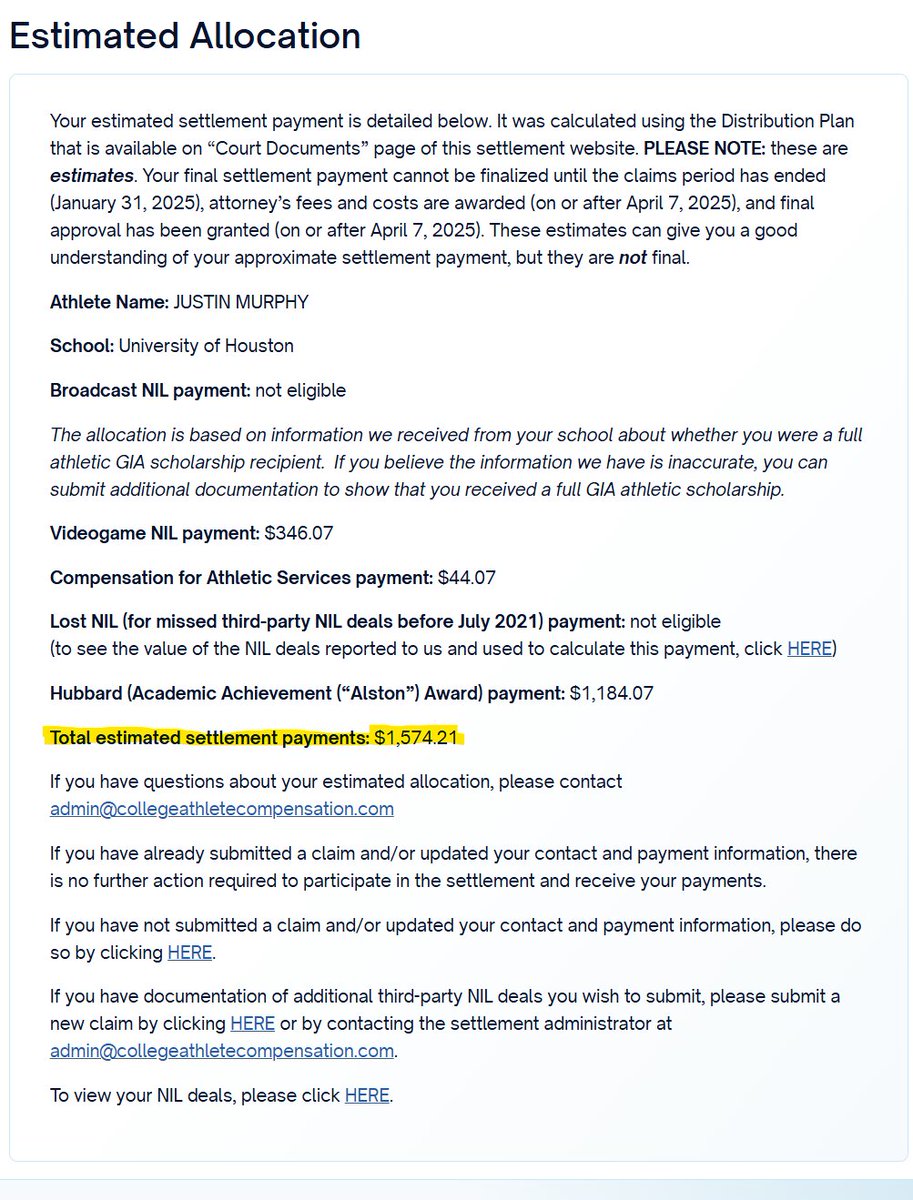
1. Houston vs Oklahoma '19 (5.4 million viewership)
2. House v. NCAA Total estimated settlement payments: $1,574
Houston vs Oklahoma Football Highlights https://t.co/3F4CH2C2SI via @YouTube
NCAA is currently fighting at least a half-dozen legal challenges.
They would:
- cost $3B+ in retroactive NIL/Alston/TV revenue
- make athletes employees
- permit athletes to unionize
- permit athletes to transfer unlimited times
- permit athletes to sign NIL deals as recruits
@programflaw348@AndrewPetcash D1 College football would easily be #2 if not #1.
A lot of the money is hidden behind private university.
Also you must "donate" to the university in order to be eligible to buy football season ticket. So even donation numbers are inflated by the demand for football.