📢 Call for Papers
JNET (Journal of Neuroendovascular Therapy) welcomes your submissions in neuroendovascular therapy.
🧠 Peer-reviewed journal
🔓 All articles are Open Access and free to read
📚 Indexed in PMC (PubMed Central)
🔗 Submit: https://t.co/oa9kNrCZIx
🔗 Read on PMC: https://t.co/uNLdqvRI5T
#neurointervention #endovascular #OpenAccess
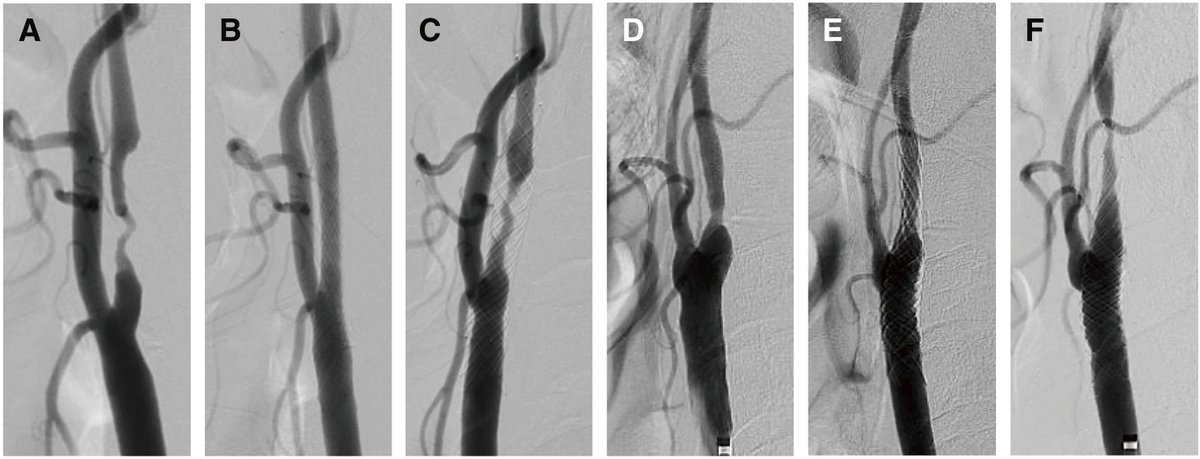
Protcas GW may fill the DBPD gap after GuardWire. Early series shows excellent technical success and no major complications.
Promising option for CAS, especially in unstable plaque—await larger real-world data.
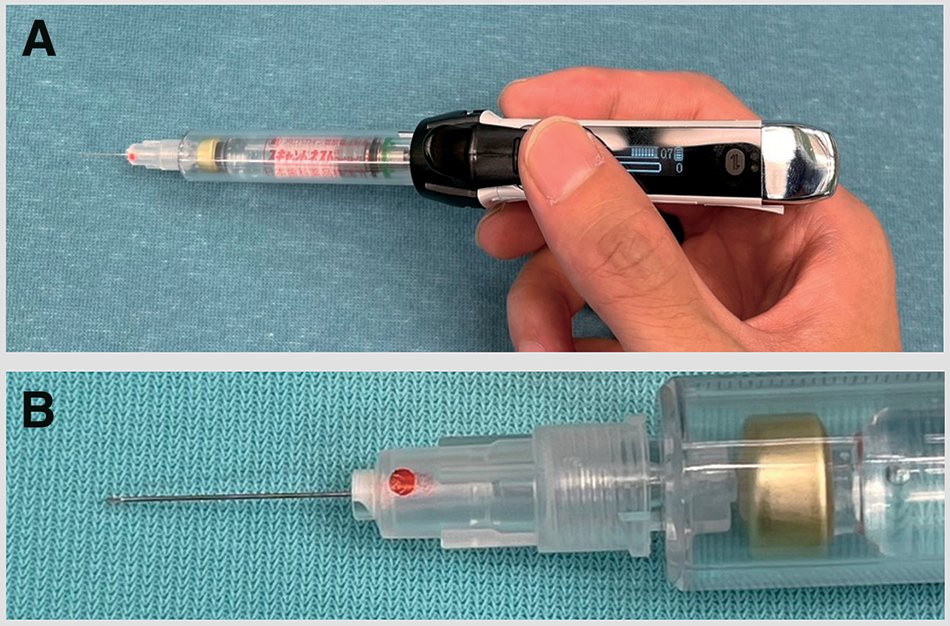
A new pilot study successfully tested a computer-controlled anesthetic device for transradial cerebral angiography!
By delivering anesthesia slowly through a tiny 33-G needle, it kept patients comfortable without causing vasospasms or blood pressure spikes.
Just Published
Intraosseous Arteriovenous Fistula of the Mastoid Emissary Canal Treated with Combined Transvenous and Transarterial Embolization: A Case Report
https://t.co/MQI3eNiPxK
#Neuroendovascular
Just Published
Early Clinical Experience with Carotid Artery Stenting for Internal Carotid Artery Stenosis Using the Protcas GW Protection System
https://t.co/LjJwqxvP8k
#Neuroendovascular
A rare and challenging ruptured basilar artery perforator aneurysm.
Choosing when to treat can be as difficult as how to treat.
This case highlights overlapping LVIS Blue stents as a potential option in the subacute phase.
Worth remembering for these uncommon lesions.
Okada et al. have reviewed the management of symptomatic ICAD in Japan. Taking into account the environment unique to Japan—including the unavailability of GP IIb/IIIa inhibitors and the off-label use of devices—this review presents a wide range of clinical cases.
Just Published
Feasibility and Safety of a Computer-Controlled Device for Transradial Cerebral Angiography: A Prospective Pilot Study
https://t.co/rAwOHMRVFL
Just Published
Real-World Endovascular Management of Symptomatic Intracranial Atherosclerotic Disease in Japan from the Acute to the Chronic Stage: A Narrative Review
https://t.co/IGb0PjVLSd
Distal ACA bifurcation aneurysms are among the most technically demanding lesions in neuroendovascular therapy.
This report highlights successful WEB treatment of a broad-neck A4 bifurcation aneurysm in a bihemispheric ACA while preserving both distal branches without stenting.
Just Published
Treatment of a Ruptured Basilar Artery Perforator Aneurysm in the Subacute Phase Using Overlapping LVIS Blue Stents: A Case Report and Review of the Literature
https://t.co/ee5kI4QCou
#Neuroendovascular
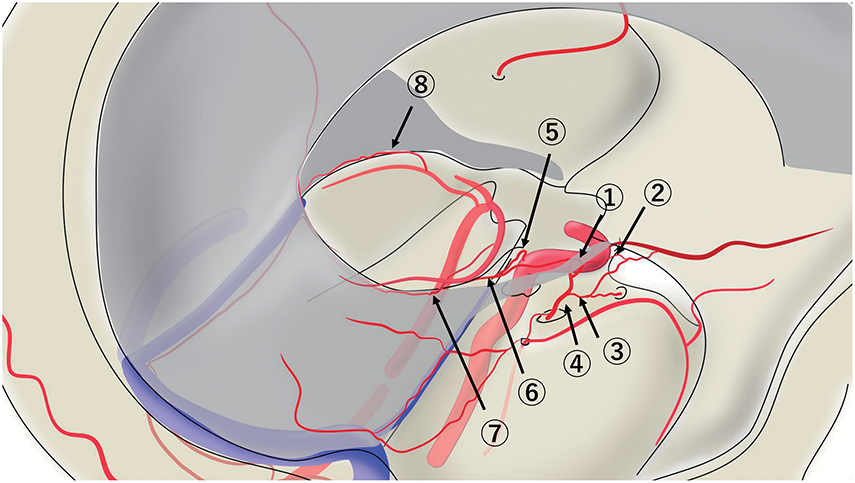
Must-read review for teams treating dAVFs or skull base tumors.
It clearly reviews key tentorial free-edge feeders: MTA from MHT, ADS from PCA, and W&W artery from SCA.
Clear figures and historical notes, too.
With liquid embolics, watch reflux and collaterals as a team.
Just Published
Endovascular Treatment of a Bihemispheric Distal Anterior Cerebral Artery A4 Broad-Necked Bifurcation Aneurysm Using the Woven EndoBridge Device: A Case Report
https://t.co/S0FghP3LjR
#Neuroendovascular
📢 New Paper: ISR after CASPER Stent Placement 🧠
80 pts, mean FU 27.6mo.
📉 ISR Rate: 12.5% (Median 8.5mo)
🔑 Risk Factors:
1️⃣ Lower PMR on MRI (stable plaque)
2️⃣ Smaller stent diameter
💡Insight: Low radial force in stable plaques may cause ISR. Monitor closely within 18mo.
Interesting study on an “in-hospital stroke bypass” system for AIS patients requiring MT who were not initially identified through the regional stroke network.
Direct MT team activation by trained EMTs, bypassing emergency physicians, significantly reduced D2P/D2R times.
Just Published
Incidence, Timing and Associated Factors of In-Stent Restenosis after CASPER Placement: A Single-Center Retrospective Study
https://t.co/vX1ChgZ9iK
This review summarizes current evidence on MMAE for CSDH, including international surveys, consensus guidelines, NEJM RCTs, meta-analyses, and cost data, and discusses patient selection for adjunctive or stand-alone treatment.
#JNET#CSDH#MMAE
Just published
Current Status of Middle Meningeal Artery Embolization for Chronic Subdural Hematoma: An International Perspective Including Japan
https://t.co/BZESlJ09Fb
#Neuroendovascular
This review identifies intracranial stenosis as a phenotypic continuum shaped by RNF213 and the '2-hit hypothesis'.
Integrating genetic vulnerability with acquired factors is essential for accurate diagnosis and tailored therapy in East Asian patients.