#SelecciónColombia ¡Gracias!
Nos dieron unos días alegres muchachos…olvide un rato mis deudas, bueno…
ahora a volver a la realidad de seguir buscando un camello
🍃Un raro “huevito con patas” al que pocos han visto ahora se puede ver, gracias a un programa de capacitación y trabajo local en Vista Hermosa Meta con el joven Alex Rayo.
Qué tal el canto?
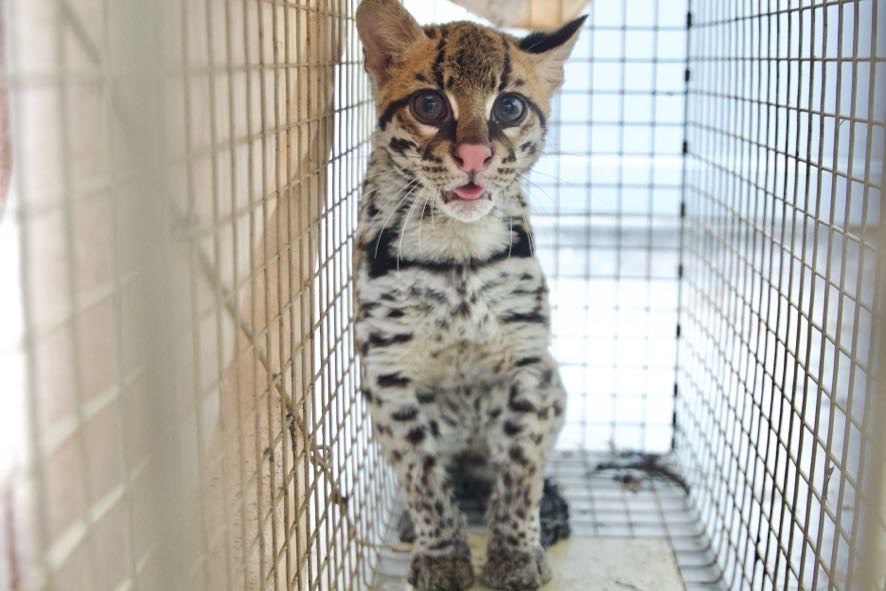
#EsNoticia 📰 | Rescatamos a tigrillo, 🐯 víctima del tráfico ilegal, que fue visto en la mañana del martes 26 de mayo en el patio de un jardín infantil de la localidad de Suba.
Entérate de todos los detalles sobre este operativo 👉🏽 https://t.co/r0XUNLxQkK
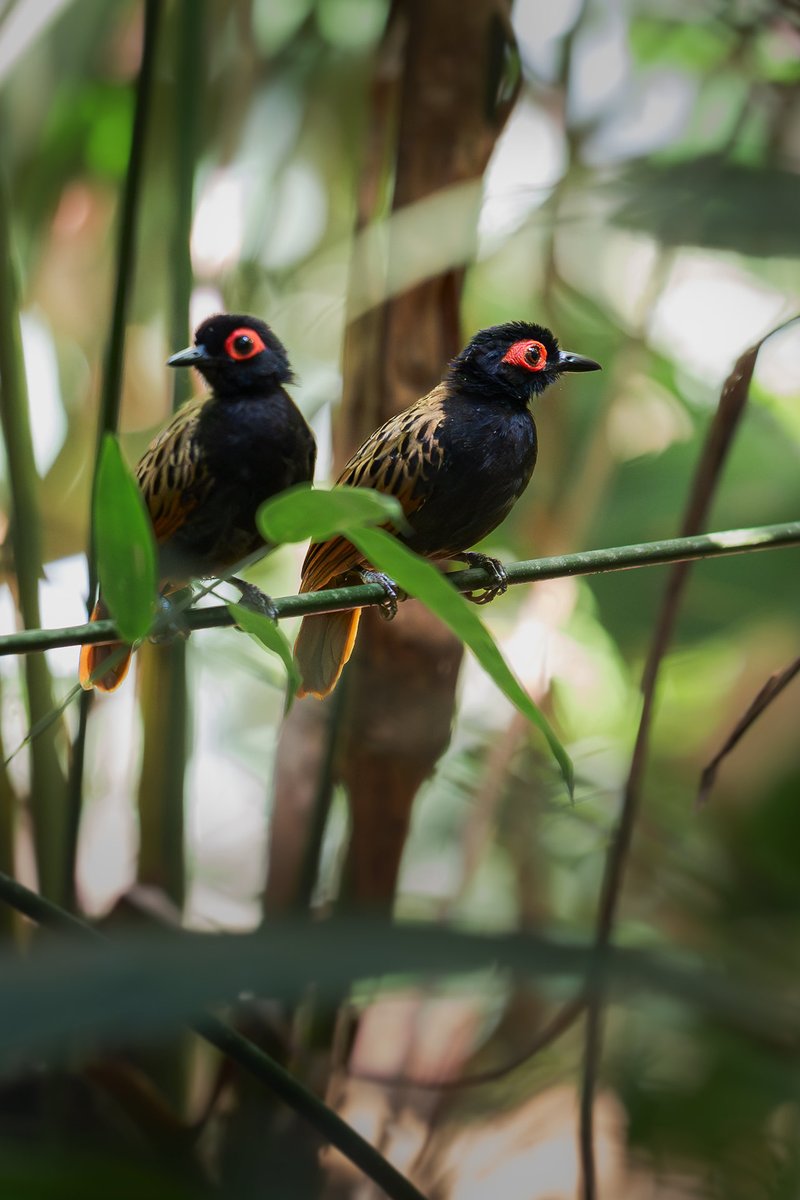
Llevo años caminando los hermosos montes de Colombia, algunos encuentros me han dejado emocionado por semanas, este hormiguerito que vi una vez y no pude forografiar, es de esas joyas que no ves la hora de compartir, cómo podemos destruir selvas enteras llenas de estos tesoros?
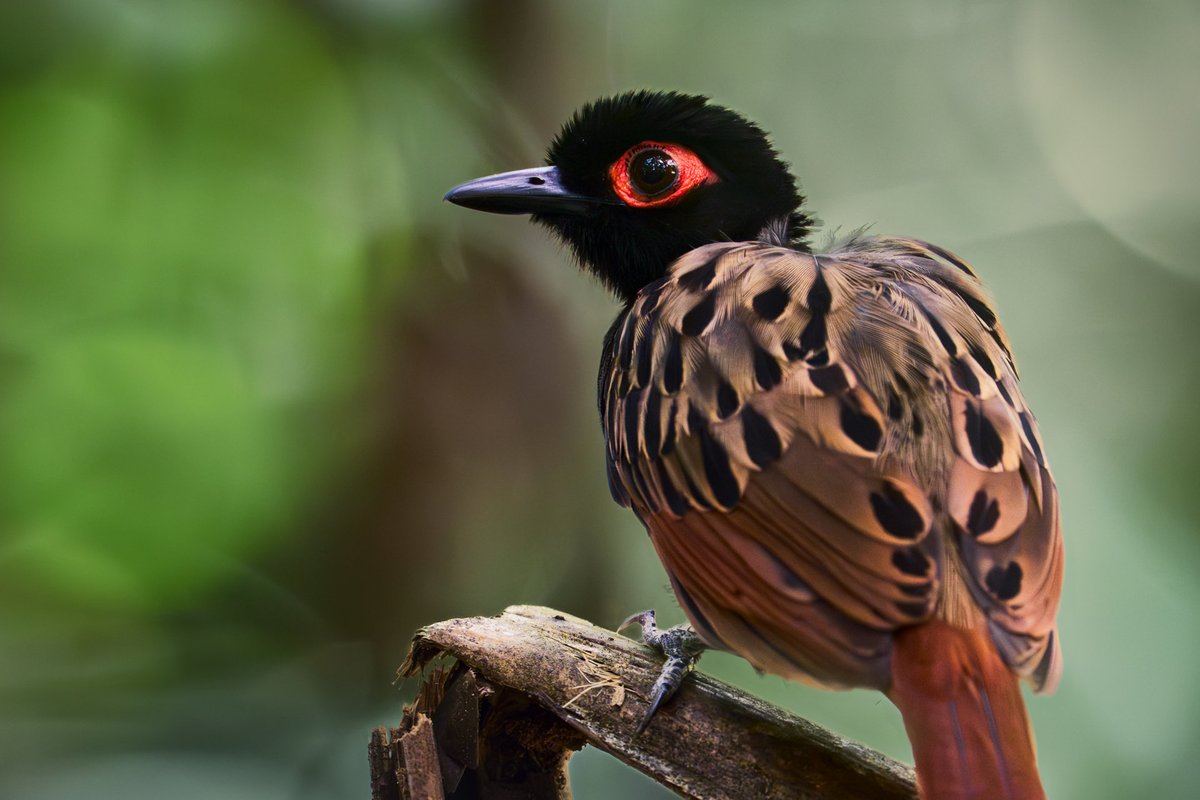
🍃El hormiguero más hermoso que he fotografiado en mi vida, ayer compartí la parejita, hoy sus detalles pero estos nos hacen dudar de si es un ave inventada con IA. Comer hormigas le sienta bien!🍃
Todo bosque merece ser conservado!
Te sumas? 🔁
Un artista francés se tomó la tarea de grabar los sonidos que hacen algunos insectos mientras comen. Aunque parezca que no, los insectos también emiten algunos ruidos, como los que se escuchan en este adorable video
🐾❤️🩹 ¡Un hallazgo extraordinario en el Valle de Aburrá! Por primera vez en 5 años el Centro de Atención, Valoración y Rehabilitación de fauna silvestre (CAVR) recibe una zarigüeya albina adulta. Aquí le contamos la historia de esta sobreviviente que desafió a la naturaleza.
Encontro un sitio seguro para anidar 🪹🪺🐦. La naturaleza es sabia
Feliz #miercolesdeemplumados
Invitados a compartir sus fotos de aves para alegrar este día
@rahucas gracias por darle colorida apertura al desfile de las emplumadas 👍✨️🙌
@fajadardo@ranamarilla
When the vikings first arrived in Iceland in 9th Century CE, they discovered a coarse yet manageable new world ripe for the picking, uninhabited but for a few Gaelic monks on the southern coast. This strange, rugged land was worthy of conquering and survival over their scandinavian homeland stricken with civil strife and running short on arable land. That force of adventure, strength and resourefulness in a new land cultivated Iceland’s ancient survivalist architecture.
It was and still is a vast territory with dramatic rising glacial ranges from moonscape fields that run into coastal beaches of black sand and a land of no native timber. Where necessity became and still is the mother of invention. Homes were constructed of turf and drift wood that would wash upon the shores as well as from the endless supply of lava stones abound in the fields. Stone constrution also proved functionally sensible in this frequent earthquake prone environment, as homes could then “easily” be cobbled back together.
These buildings still exist at the ancient homestead of Keldur in Iceland’s southeastern region. This last remaining and fully intact early settlement farmstead can be found mentioned in Sagas from 12th Century CE. Traditionally a clan would head the farm with extended family living and working on site. Originally all living in the long house, there is evidence to think that a sudden and drastic climate change caused the move to smaller residential spaces to be built and long houses to be divided up to make easier to heat. Additions and improvements at Keldur had been made over the centuries, but the original main hearth room still bears the dirt floors and ancient timbers with fascinating hints of traditional communal living. A tunnel discovered in 1930’s runs from the main hearth room to the nearby small river and was thought to be for defensive purposes. Inside smaller spaces were formed originally for cooking and food storage and a connecting string of smaller turf structures served as various work and storage spaces such as a smithy, a mill, and livestock corral. Newest addition from early 19th Century remains near intact from it’s former glory, furnished with beautiful and simplistic folk furnishings and the silence combined with the spirits of those who still long remain at Keldur.
The last owner, whos family had farmed Keldur for almost two Centuries, knew of its great importance to Icelandic heritage and over the years had collected much history on the site. In 1942, he sold Keldur and his extensive collection to the National Museum of Iceland who continue to care for and manage this amazing historic site.
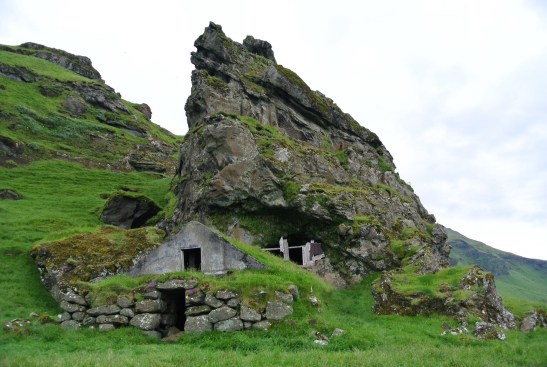
Upwards of 200 of these man-made caves with wooden or cobbled facades are scattered about 90 farms in the region used over the centuries for storing hay,corralling livestock, smithy’s and even for trade. Forty one of these caves are now protected sites, but many still in use today. We stopped roadside on HWY 1 at Rútshellir, and explored this t-shaped ‘building’. The front entrance to the turf structure is a feeding area for sheep, then stepping up into the cave (approx 6’ft tall and 10 ft wide) where they take shelter. Walking up the left side exterior is an entrance to another connecting cave space much smaller and where a smithy had a shop for many years. Yet another example of Iceland’s people understanding and using Mother Nature to their benefit through their ancient survivalist architecture.
#archaeohistories
#Viral ¡Lo más adorable! Gatitos visitaron a una abuelita que permanece internada en un hospital y el adorable momento se ha hecho viral en redes sociales.
#DENUNCIA. Pequeño emprendedor compartió un video en el que evidencia una irregularidad en un paquete de gomitas Trululú que debería contener 50 unidades. Según la denuncia, viral en R/S, al abrir el empaque se encontró con cuatro sobres individuales totalmente vac��os y sellados.
📹 [ https://t.co/Yn5IgmNmMb ]