"allows us to DETECT EARLY warning signs of the EMERGENCY of the pandemic... providing an early GEOMETRICAL DATA marker for the pandemic state, regardless of parameter estimation and stochastic modelling.
https://t.co/AXoH6DFyEv
[https://t.co/0MHhKUNtI5] by @IRRDPE@LIKAUFPE
An Air Quality Health Advisory is in effect for NYC today, June 5, due to ozone.
Young children, older adults, and people with heart or breathing conditions should avoid strenuous and prolonged outdoor activities: https://t.co/3uEcf9Ayfj
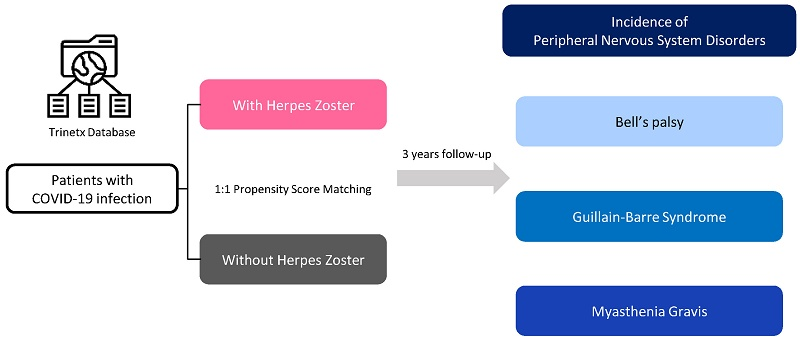
COVID raises your shingles risk.
New data from 110,000+ patients out of Taiwan shows that post-COVID Shingles also raise risk of
➡️ Bell's palsy
➡️ Guillain Barré
➡️ Myasthenia Gravis
Worst of all? Neurological vulnerability lasts for at least 3 years. https://t.co/W2MDpgMdmx
"Hospital-acquired COVlD looks both more common and more deadly than strict surveillance definitions suggest."
I find this tension readily apparent in oncology, where those who know the COVlD literature take it extremely seriously. Everyone else does not.
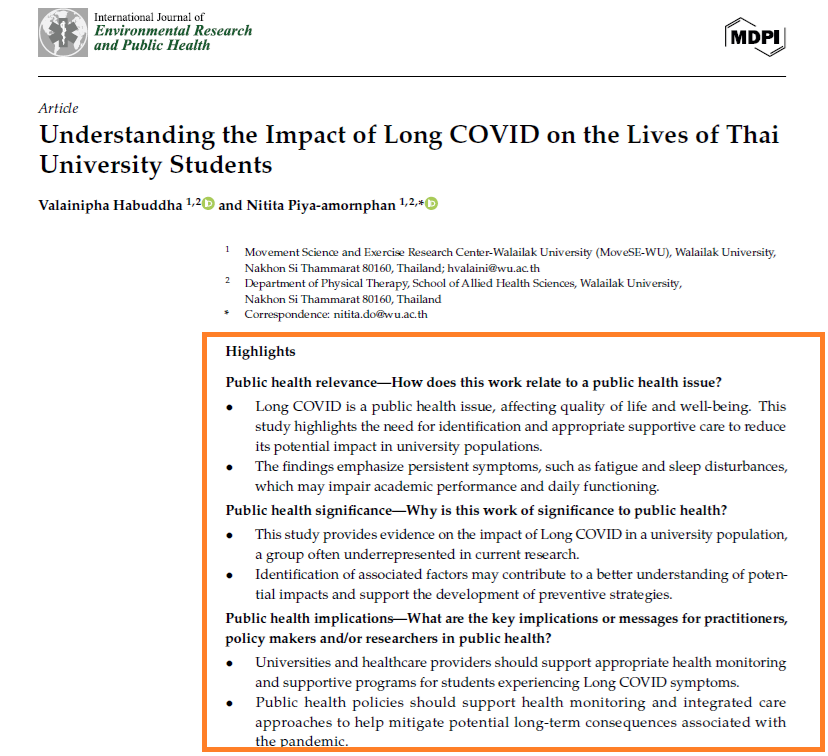
🚨Long COVID continues to severely impair quality of life, daily functioning, and well-being among (Thai) university students.
Anybody surprised? 🙄
This study finally gives us evidence on the impact in a university population, a group that’s often ignored in Long COVID research!
https://t.co/MHb2sR6s4w
"People change after contracting COVID."
Irreversible, progressive change.
486k scientific papers on that change.
https://t.co/eXTIqGDJBE
No papers showing clearance or recovery is possible.
No cure.
12 waves. Billions infected several times.
The fate of humanity is sealed.
From an autopsy-based case–control study,
"COVID-19–positive cases demonstrated significantly increased reactive gliosis and microglial activation in the olfactory bulb, along with a higher frequency of mild perivascular lymphocytic infiltration in the frontal cortex..
Systemic pathological findings in COVID-19–positive cases were consistent with severe multisystem disease.
[In conclusion,] COVID-19 is associated with region-specific but non-uniform neuropathological alterations dominated by reactive and vascular changes rather than encephalitic processes."
People change after contracting COVID.
'Histopathological changes in the olfactory pathway in COVID-19: An autopsy-based case–control study'
https://t.co/3QIrKlCzb6
Effective May 20, 2026 at 11:59 PM Eastern Daylight Time (EDT), CDC initiated public health entry screening for travelers arriving from the Democratic Republic of the Congo (DRC), South Sudan, and Uganda. Effective May 22, 2026 at 11:59 PM EDT, operations have expanded to include Hartsfield-Jackson Atlanta International Airport (ATL). CDC’s Port Health Protection system operates 24 hours a day, 7 days a week, 365 days a year to support these and other public health response activities at U.S. ports of entry.
Public health entry screening serves as an important part of CDC’s layered prevention approach. In combination with existing public health measures already in place to identify symptomatic travelers, these efforts help slow and reduce the potential spread of disease into the United States.
Travelers who have been in the DRC, South Sudan, or Uganda within 21 days prior to arriving in the United States will be escorted to a designated airport screening area. There, travelers will answer public health screening questions and may undergo additional assessment as needed.
https://t.co/aINGCIbFlO
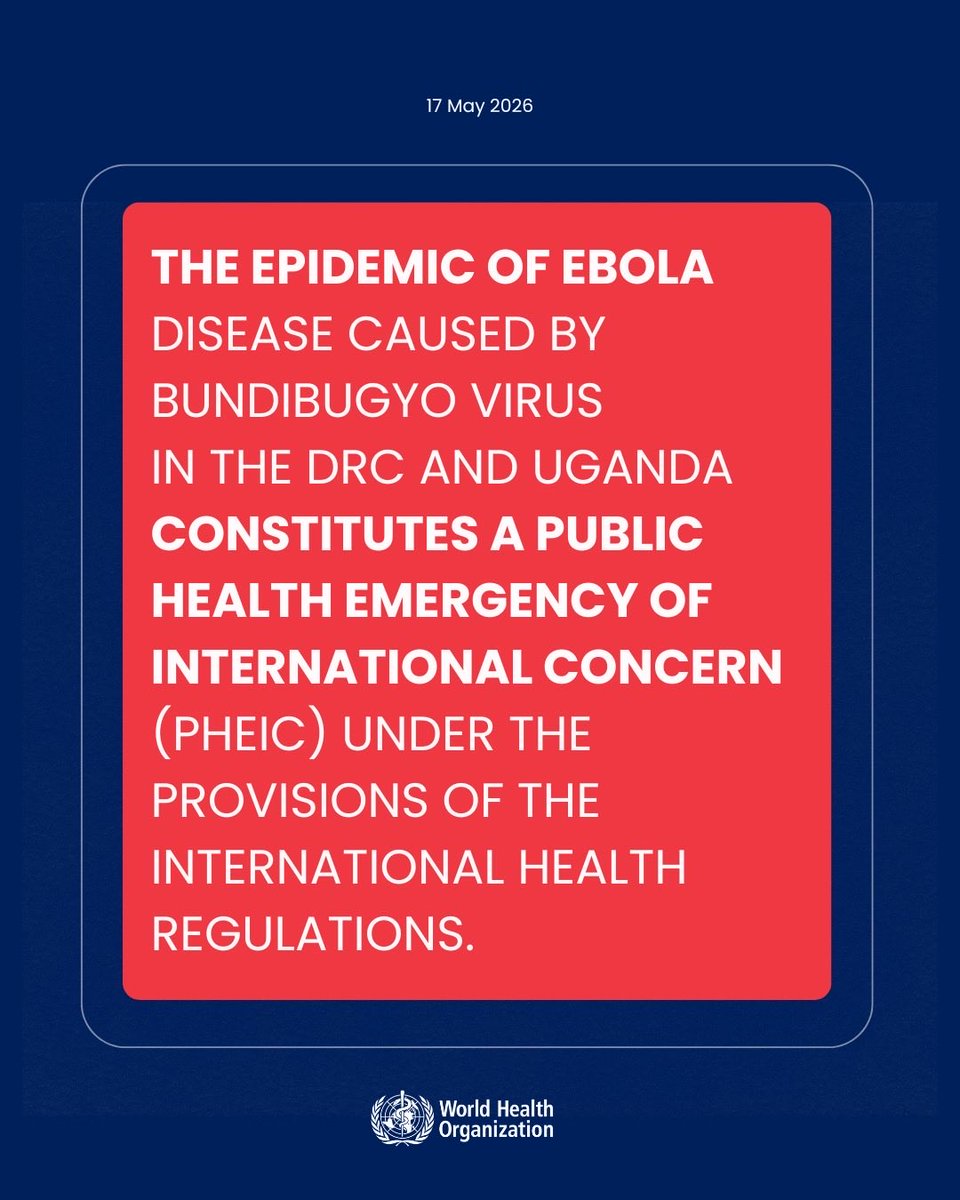
After having consulted the #DRC and #Uganda where the #Ebola disease caused by Bundibugyo virus is known to be currently occurring, I determine that the epidemic constitutes a public health emergency of international concern (PHEIC), as defined in the provisions of IHR.
My full statement: https://t.co/EjzdjrMXHO
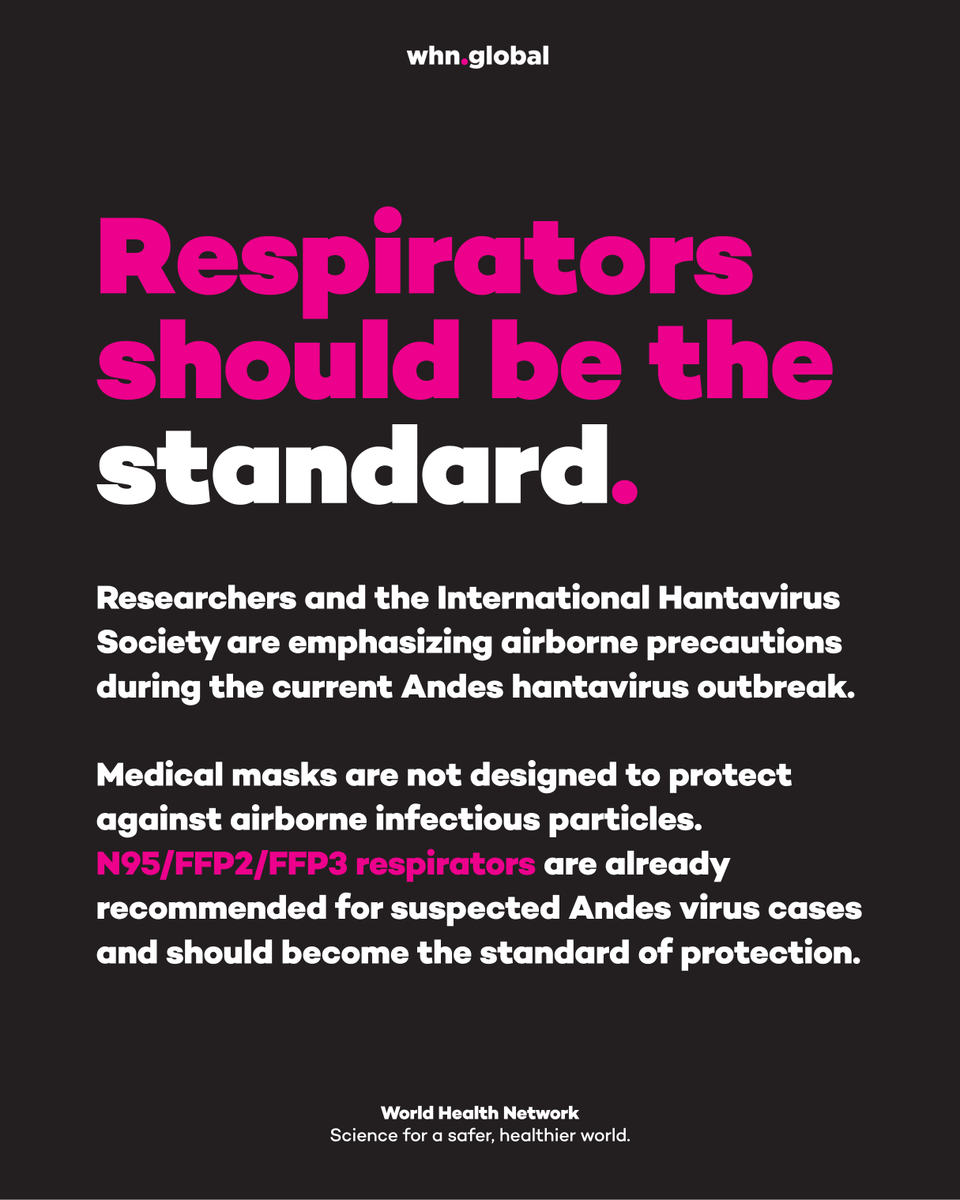
As the Andes hantavirus outbreak linked to the MV Hondius cruise ship expands across multiple countries, researchers are warning that airborne transmission must be taken seriously.
Current guidance in some settings still recommends medical masks, despite respirators such as N95, FFP2, and FFP3 masks being specifically designed to protect against airborne infectious particles. Medical masks are not designed to provide the same level of airborne protection.
With documented person-to-person transmission, uncertain infectious timing, and long incubation periods, the World Health Network is calling for stronger airborne precautions, including universal respirator use and clearer public communication around airborne risk.
Read the full piece here: https://t.co/IcrFhXgU3g
#AndesHantavirus #Hantavirus #PublicHealth #Respirators #CleanAir #AirborneProtection
Long Covid has become one of the most common chronic diseases, as common or more common of conditions "such as ischaemic heart disease, gout, chronic obstructive pulmonary disease, and rheumatoid arthritis."
Yet it remains poorly addressed and treated
https://t.co/TOjvtcvowo
Why Covid could be to blame for the rise in deadly meningitis, according to scientists - and the early symptoms of the disease that patients must act on https://t.co/HhMZfXPAe5
New research chips away at COVID-19 blood clot mystery
Patients are at higher risk of heart attack and stroke if COVID spreads to the bloodstream, according to a new study.
Read more: https://t.co/Mm4S6rCg7U
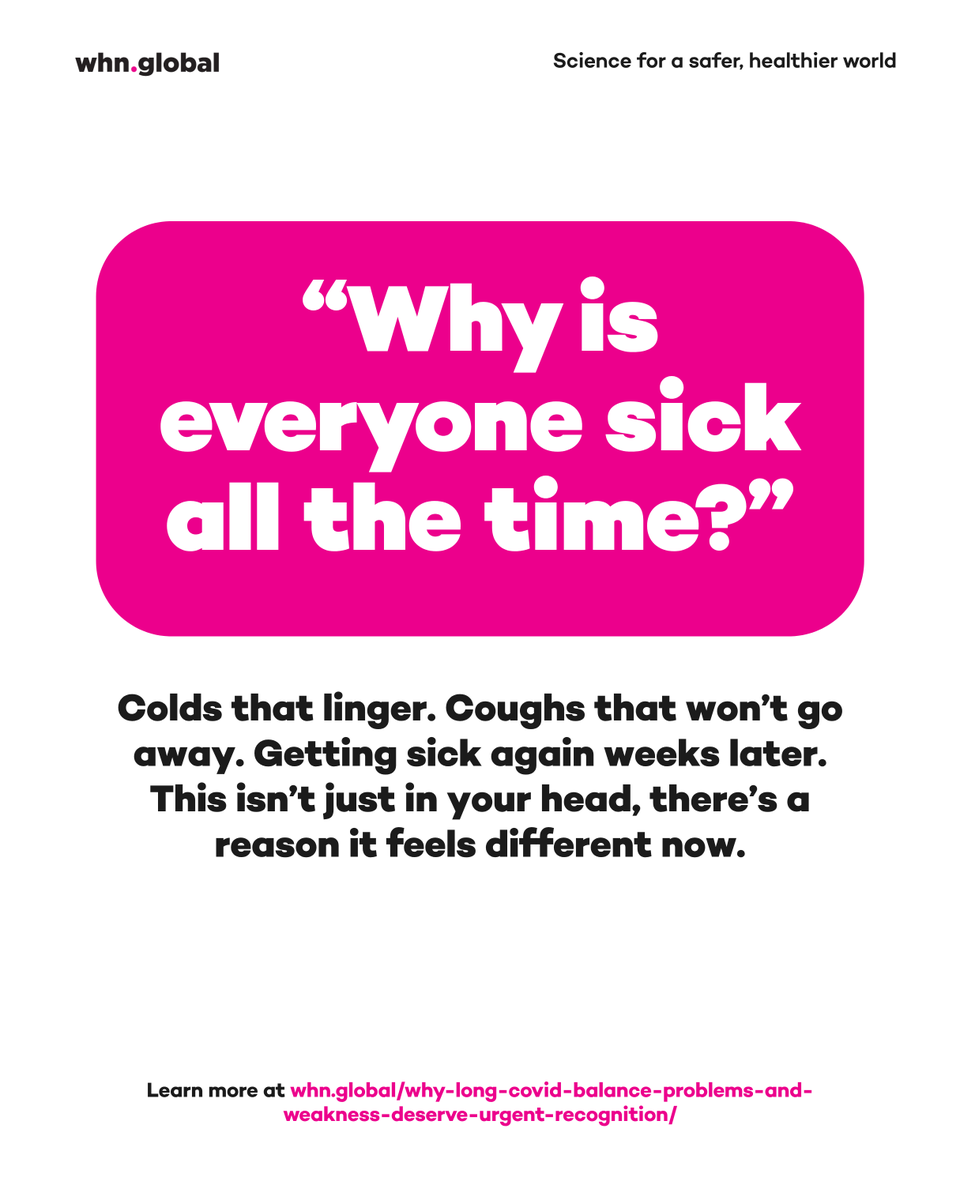
It’s a question more and more people are asking. Constant colds. Lingering coughs. Getting sick again just weeks later. Feeling like your body never fully resets.
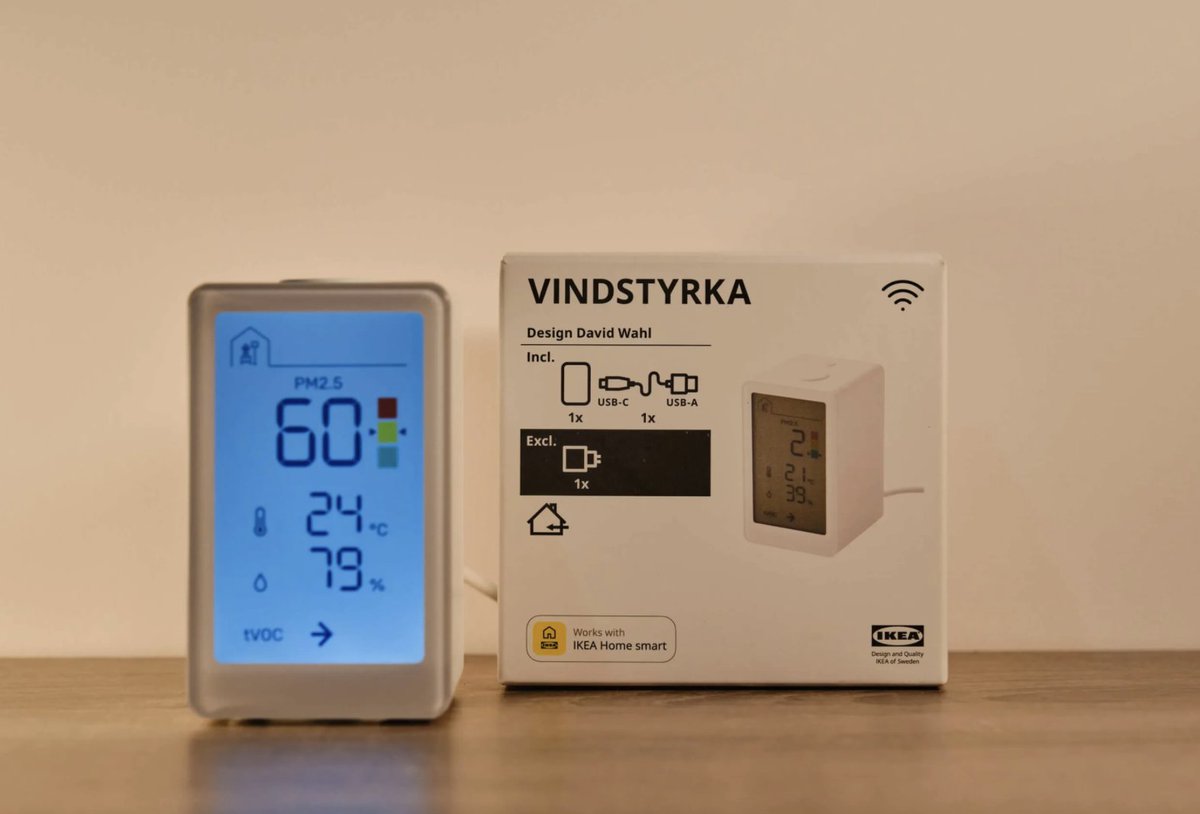
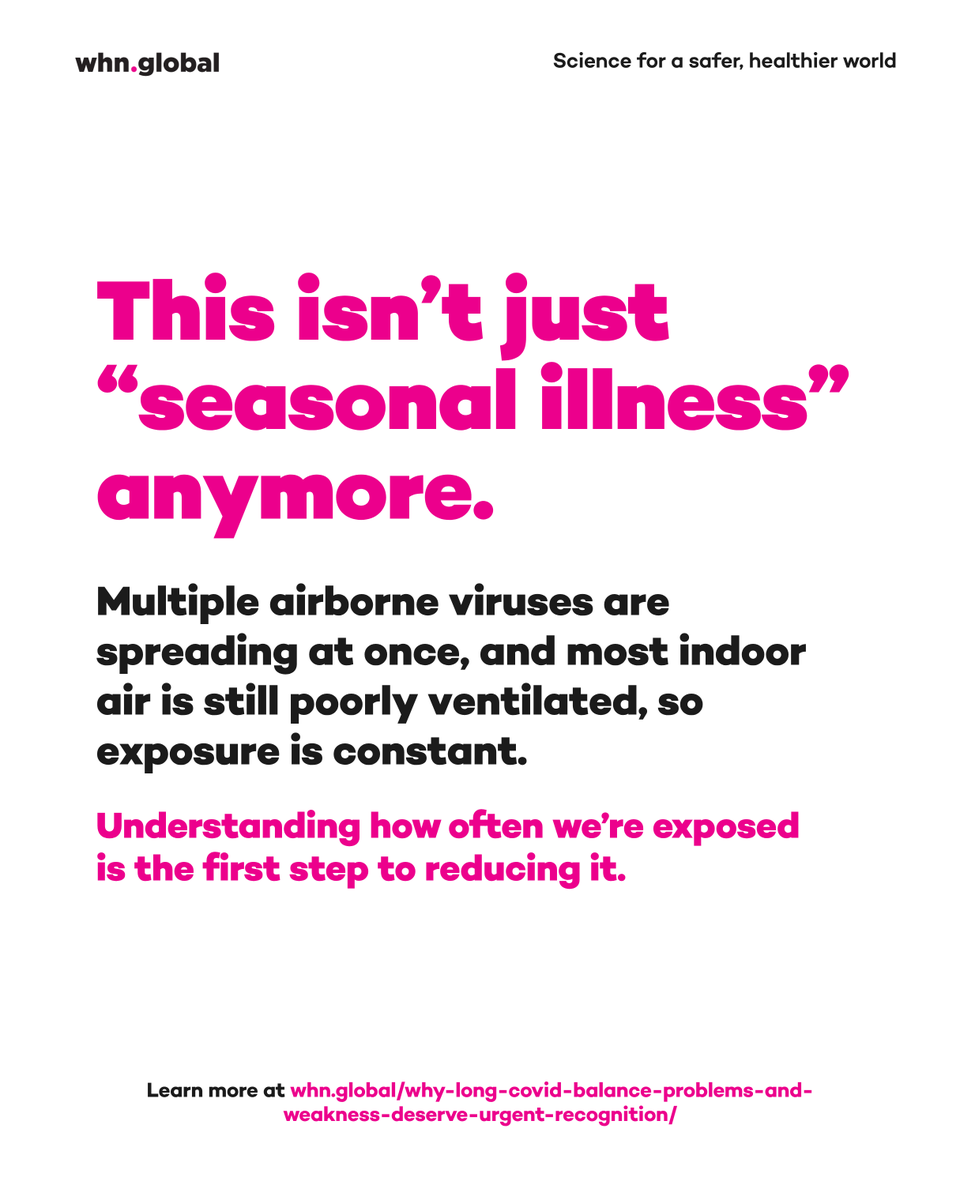
This isn’t just “seasonal illness” anymore. Multiple airborne viruses continue to circulate year-round, while many indoor spaces still lack clean, well-ventilated air. Repeated infections can take a toll on the immune system and increase the risk of long-term health impacts, including Long COVID.
The good news: cleaner indoor air, better ventilation, filtration, testing, and masking in crowded spaces can meaningfully reduce risk. Awareness matters. Prevention still matters.
#InfectionPrevention #PublicHealth #LongCOVID #COVID #COVID19 #AirborneVirus
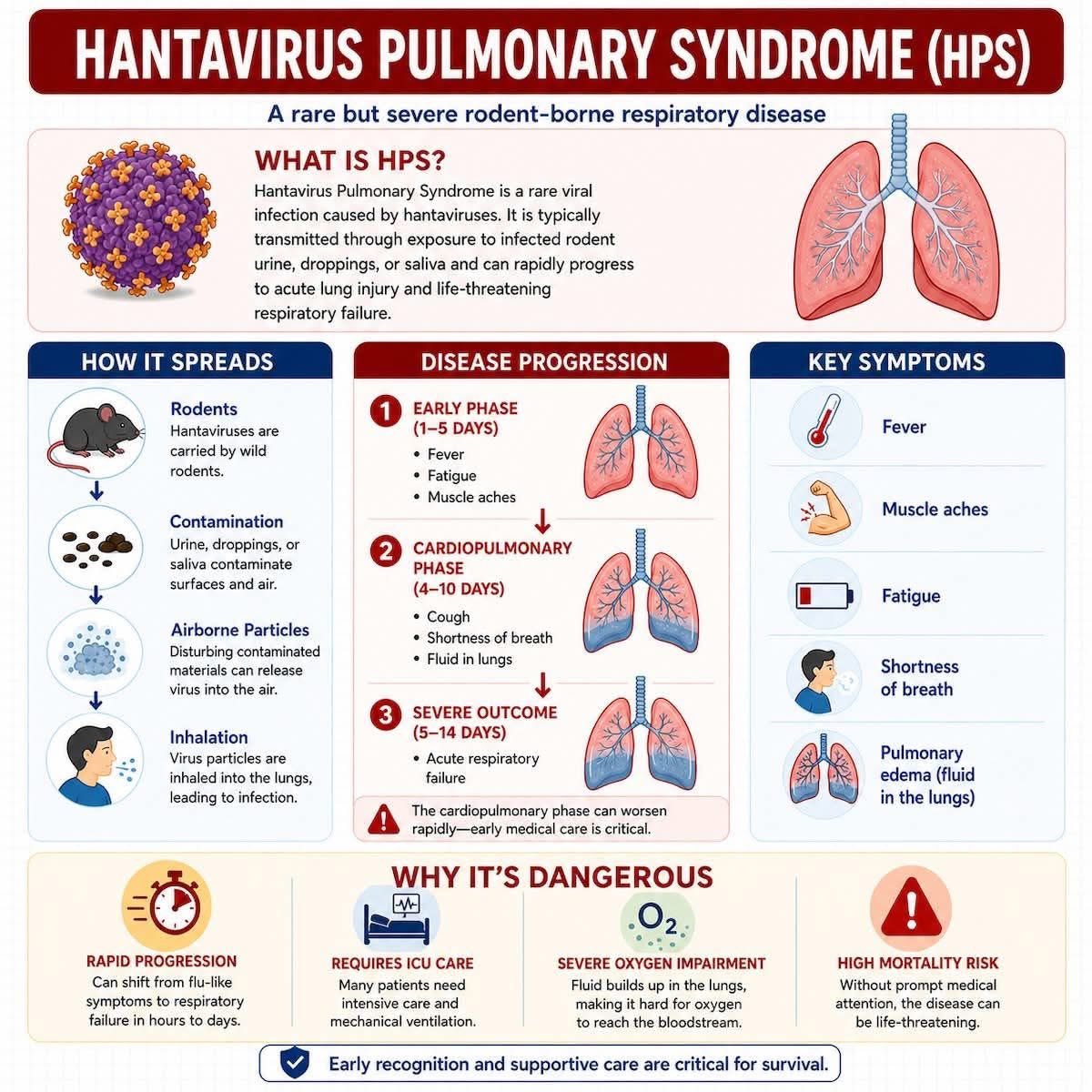
Pulmonary Syndrome (HPS), also referred to as hantavirus cardiopulmonary syndrome (HCPS), is a rare but severe zoonotic respiratory disease caused by hantaviruses carried by rodents.
Humans are typically infected through inhalation of airborne particles contaminated with rodent urine, droppings, or saliva.
The illness usually begins with nonspecific symptoms such as fever, headache, muscle aches, and gastrointestinal complaints, but can rapidly progress to cough, shortness of breath, and acute respiratory distress due to fluid accumulation in the lungs and capillary leakage.
This can lead to shock and life-threatening respiratory failure. HPS is characterized by rapid clinical deterioration and has a high case fatality rate, requiring prompt supportive medical care.
https://t.co/RyY4NCgk19
#AsibeHealthyGP #Hantavirus


![joabr's tweet photo. "allows us to DETECT EARLY warning signs of the EMERGENCY of the pandemic... providing an early GEOMETRICAL DATA marker for the pandemic state, regardless of parameter estimation and stochastic modelling.
https://t.co/AXoH6DFyEv
[https://t.co/0MHhKUNtI5] by @IRRDPE @LIKAUFPE https://t.co/28FvDMYaeu](https://pbs.twimg.com/media/E0t-qDIWUAMdMg-.jpg)