One chemist in a Massachusetts drug lab worked so fast her coworkers couldn't figure out how she did it.
Prosecutors built thousands of cases on her results.
Her name is Annie Dookhan.
She joined the state drug lab near Boston in 2004. Police brought in seized powders and pills, and chemists like her tested them to prove what they were.
In her first year, she tested 9,239 samples, about three times what the other chemists did.
Her coworkers called her "superwoman." She loved it. She even bragged about it in an email to a prosecutor: "My colleagues call me 'superwoman.'"
Prosecutors loved her too. She was fast, and her results went straight into court.
But some of her coworkers had started to wonder.
A typical chemist could test 50 to 150 samples a month. Her monthly reports claimed 500. Supervisors and colleagues said they'd never seen her at a microscope. One coworker got so suspicious he started tracking how many slides and test chemicals she used.
In 2010, supervisors audited her paperwork. They found nothing wrong. They never retested a single sample.
Then in June 2011, she took 90 samples out of the evidence room without signing them out properly. To cover it, she forged a coworker's initials in the log.
When police finally questioned her, she admitted everything.
She often hadn't tested the samples at all. She'd look at a batch, test a few, and mark the rest as positive. Sometimes she added drugs to a sample so it would match her guess.
Chemists call it "dry labbing."
Even the master's degree in chemistry she'd claimed under oath was fake.
She pleaded guilty and was sentenced to 3 to 5 years in prison. The judge wrote that "innocent persons were incarcerated."
Then the state had to deal with everything she'd touched.
In 2017, Massachusetts threw out 21,587 drug cases in one go. CBS called it the largest dismissal of convictions in US history.
The red flag had been there from her very first year.
Everyone saw that she did three times the work of anyone else.
They called her superwoman instead of asking how.
Have you ever worked with someone whose results looked too good to be true, and said nothing?
Type of bird brained shit is that in a state that already has the highest tolls in the nation. LETS PUT UP MORE! Costs $125 to go from Pittsburgh to Philly and that’s just paying the state. Here comes some NY asshole trying to make you pay more. Head to the Ben Frank and Jump..
Now why the entire fuck would we do that? People already don’t want to do the 20 mile hike to one of our main attractions… let’s charge them for it. Very Robert Moses of you..
When yall talk about Philly Muslims and whatever they’re doing, be clear that’s not the NOI, nor do they claim the NOI or to a lot of them even respect it. The vast majority of Muslims claim Sunni doctrine. Either under Salafiyyah or if they get under the Arabs, Hanafi.
Legal marijuana sales across the U.S. reached at least $2.6 billion in October, setting a new monthly record and bringing the estimated total for the first ten months of 2026 to $24.2 billion, according to an analysis by The Marijuana Herald. https://t.co/geoXBZ2oCm
Soutien à lui, il n’a jamais voulu blesser et encore moins tuer quelqu’un. C’est ce qu’on appelle un accident, ça n’a jamais été volontaire, prenez de la hauteur sur la situation.
Ale pierdolenie.
Gdyby ten gościu nie umarł to nikogo by to wejście nie obchodziło, bo nie było w nim nic szczególnego - czerwona kartka i tyle.
Ludzie się zachowują jakby on tam specjalnie poszedł go zabić xd
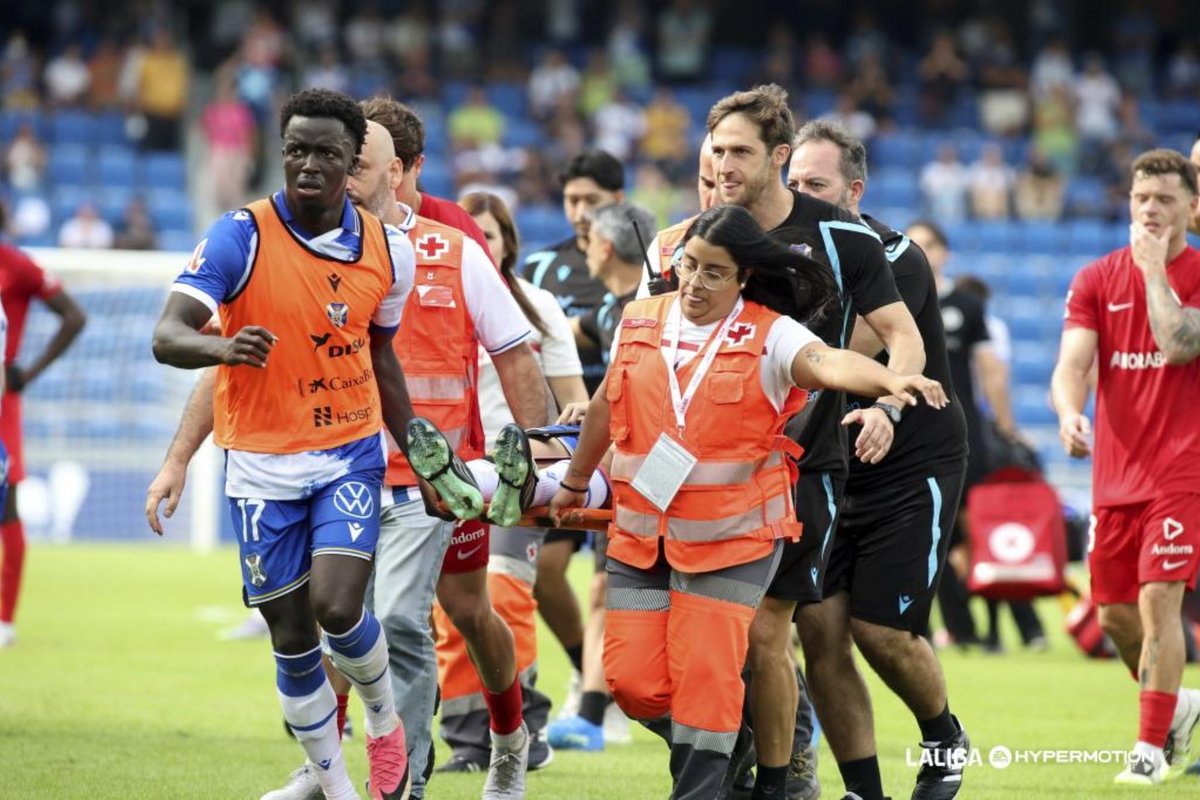
Que dice la legislación y la jurisprudencia en España sobre las consecuencias penales que podría tener Owono sobre su falta a Jesús De Miguel:
El Supremo no mira las consecuencias para el jugador, mira si la acción formaba parte del lance del juego o si había intención clara de lesionarlo.
En la STS 379/2025 (Magro Servet) lo dejan bastante claro: el deportista asume el riesgo propio de la actividad (choques, entradas fuertes, contactos duros), pero no consiente agresiones dolosas desconectadas del juego. Si el balón está en disputa y es un lance normal (aunque temerario o con fuerza excesiva), suele quedarse en sanción deportiva.
Si es una agresión a propósito, fuera del juego o aprovechando que el rival no puede defenderse, entra el Código Penal. La intención pesa más que el resultado.
Ejemplo reciente de otro deporte: en 2023 el jugador de hockey Adam Johnson murió en un partido en Inglaterra porque la cuchilla del patín de un rival le cortó el cuello. Lo investigaron por homicidio involuntario y al final no presentaron cargos. La Fiscalía entendió que no había base realista de condena: fue un accidente dentro de la acción de juego, no una agresión deliberada. Resultado mortal y aun así no pasó a lo penal.
Casos contrarios en hockey (donde sí hubo condena): Marty McSorley (2000) le dio un golpe con el palo en la cabeza a Brashear en los últimos segundos del partido. Lo condenaron por agresión con arma. O Todd Bertuzzi, que le pegó por detrás a Steve Moore y le rompió el cuello; también acabó condenado por agresión. En ambos casos se consideró que la acción estaba fuera de lo que el juego tolera.
En el fútbol español la línea es parecida. Por ejemplo, una de Las Palmas (2014) condenó a un jugador por un codazo en la boca que le rompió varios dientes a un rival cuando el juego estaba parado (se había señalado falta). Lo consideraron agresión, no lance de juego.
Si Owono y De Miguel estaban disputando el balón (como dice el acta), la tendencia del Supremo es que se quede en lo deportivo, por grave que sea el desenlace. Solo se iría a lo penal si se demuestra que la intención no era jugar el balón, sino hacerle daño.