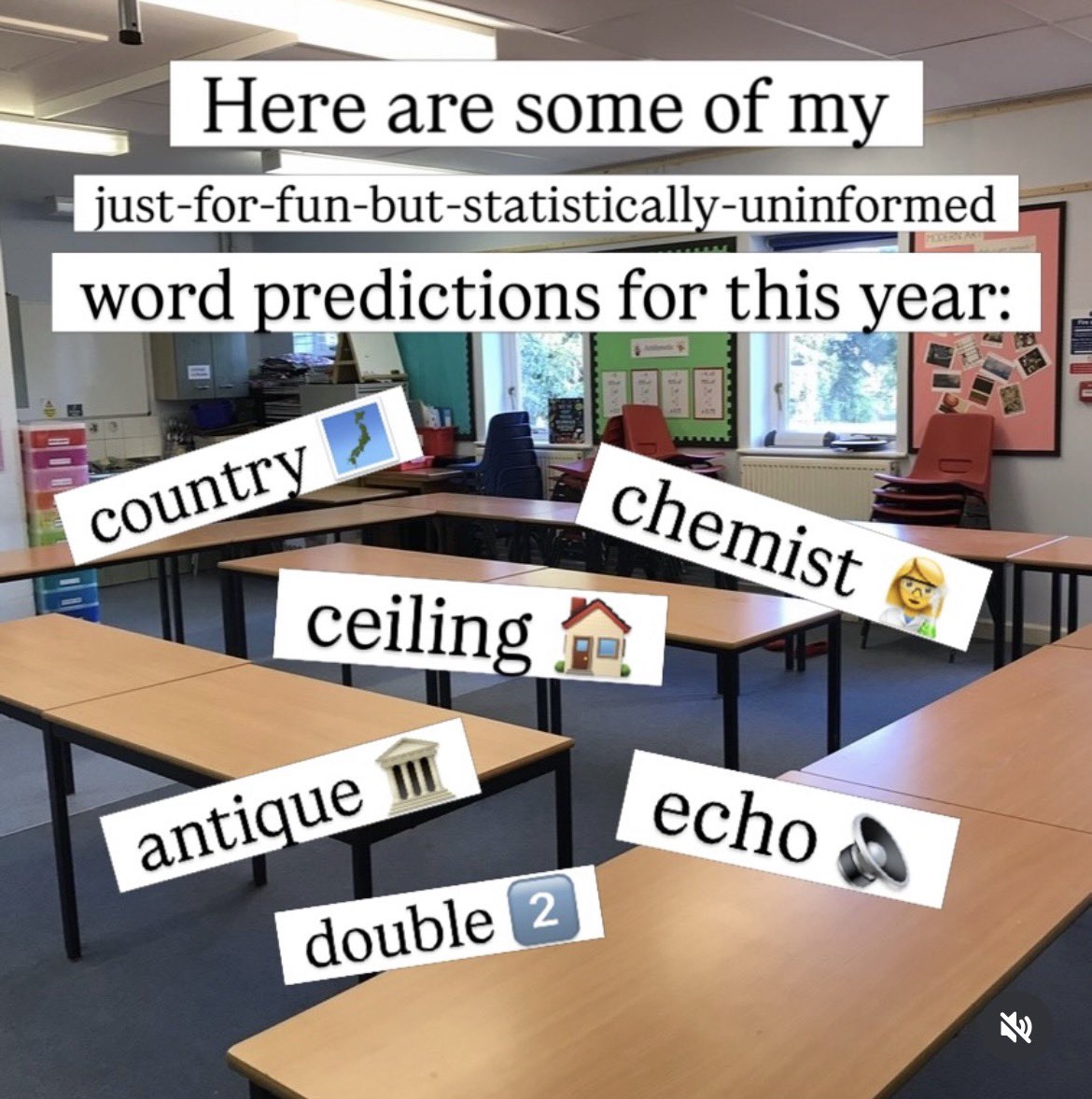
Let’s face it, revising spelling for SATs at this late stage is tricky and, arguably, not the most productive use of time… so if you’re going to spend any time doing it, at least make sure it’s focused!
Read more here 👇🏼
https://t.co/QGGPuVnbCA
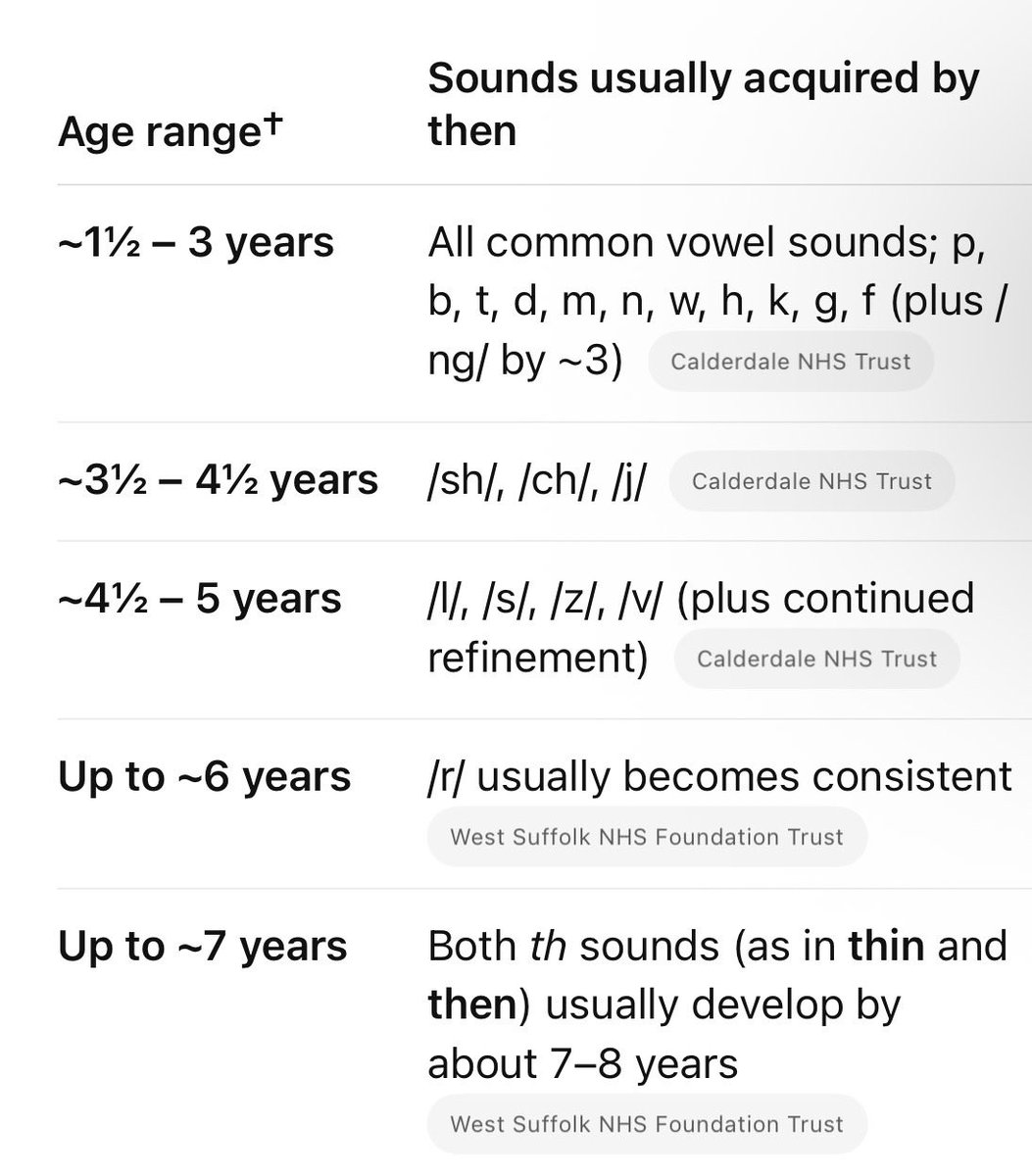
Fascinating aligning the typical development of speech and auditory discrimination of sounds (multiple NHS sources) against age. Things like this are why I keep banging on about age and stage.
Mark your calendar for February 📚✨
Join us for a month of free online events for schools!
From reading for pleasure practitioner webinars to workshops for pupils aged 5 - 14 during National Storytelling Week.
More key dates here: https://t.co/mN8Wu2AUia…
🌟 NEW POST 🌟
‘6 strategies to support shared reading for students with SEND’
1. Least to most prompts
2. Reading comprehension strategies
3. Using ‘wh’ words
4. Vocabulary examples/non-examples
5. Picture-plus
6. The CAR model
https://t.co/ALvG1wQuHm
🧵 The curriculum and assessment review has been published – here, @cerysturner7 rounds up the key recommendations, including scrapping the EBacc and making triple science accessible to all at GCSE (1/3)
https://t.co/o6o0d7hA8d
@Headteacherchat The new curriculum promises to abandon some of the ridiculous terminology & focuses more on basic function of words and sentences and in their use. When the DfE have a focus group to look at grammar, it should be primary specialists not secondary & professors like last time.
🧵 It is helpful to remember that for the busy teacher, it is perhaps not realistic, feasible, time-fair or even useful to ply them with huge volumes of theory.
🧱 Provide Scaffolds for Difficult Tasks — Rosenshine’s 8th Principle of Instruction. This week’s ⚗️DistillED unpacks how temporary supports help students reach levels of performance they couldn’t achieve alone — and when to take them away. Includes FREE tools and guides.
https://t.co/smaH0pXe8O
🚨 NEW POST 🚨
'Supporting struggling writers'
"Students can spend thousands of hours writing in the classroom, but if they struggle with writing it can still remain unaddressed. Why is writing the poor sibling to reading?"
Link ⬇️⬇️⬇️
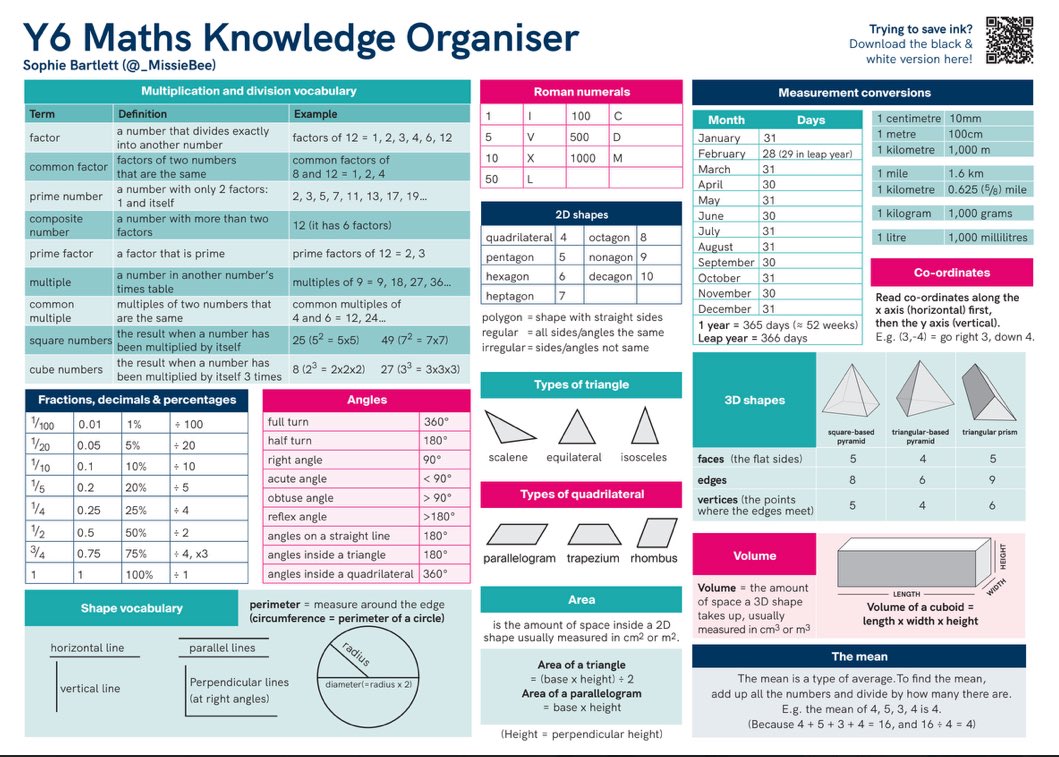
Maths (one page) & grammar (double-sided) knowledge organisers ✨
You can download these for free (colour & b/w versions) from this y6 guide (they’re in the first few pages):
https://t.co/3sStJJOwrd
Some thoughts from recent discussions and observations:
1. A lot of teaching is too abstract and out of context for weakest learners. Not enough scene setting - images, videos, real objects, experiences, stories, concrete examples. Make it real, concrete, vivid. Spell it out.
As thousands of year 7s begin their journeys tomorrow, here’s some thoughts from someone who is a former year 6 teacher, current secondary school teacher and transition coordinator 🧵🪡
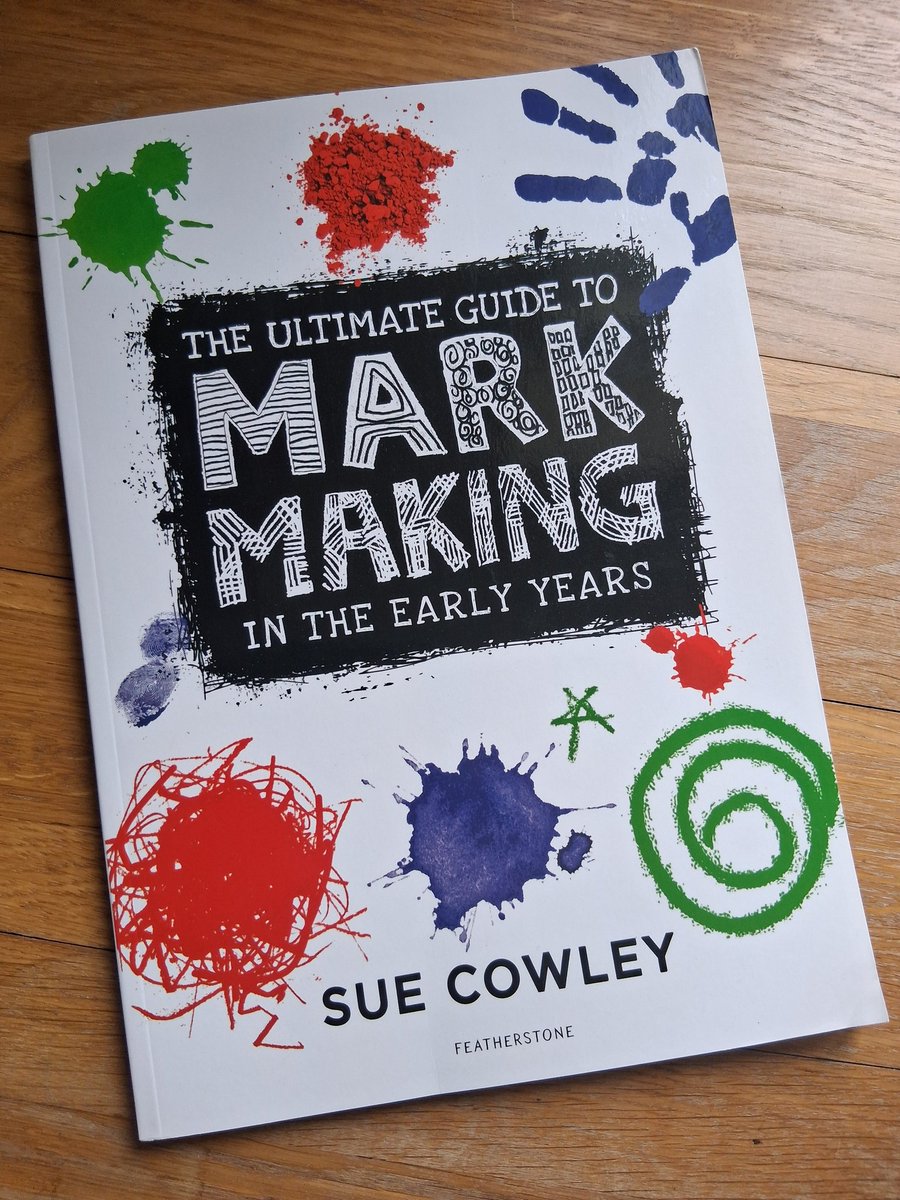
Since the DfE's new writing framework seriously downplays the importance of emergent writing, I'm giving away a free copy of my book on mark making because it 100% *does* matter! ☺️
Like and retweet to enter. Winner announced next Thursday. #EYFS#giveaway#freebie
🚨 NEW POST 🚨
Rosenshine is well known for his principles of instruction, but what did he think about knowledge?
'Rosenshine on knowledge structures'
https://t.co/OESrtFe1fg
🚨 Full analysis of 2025’s SATs papers 👇🏼
Apologising in advance bc I liked some bits that others hated. And I hated bits that others will defend 👀
MATHS: https://t.co/1TR6zaXwLi
READING: https://t.co/ZhQh3ABi9j
GPS: https://t.co/iYCxPMCc7X
At the printers - our new, practical, stepbystep guide to planning creative units for teaching writing - comes with a set of 10 plans and links to 25 film clips. Out very soon:
🌟🧠Neurodiversity Celebration Week 🧠🌟
There are many strategies to support neurodiversity in the classroom. Have a look at the strategies below to support those with ASD, ADHD, Dyslexia, Dyspraxia, DLD and Tourette's.
#NeurodiversityCelebrationWeek#Neurodiversityweek#NCW