Check out my latest story, Lake Bangishimo, about a Canadian mercenary, who must choose between abandoning the country that shaped him or stay loyal and risk losing everything. 🇨🇦
https://t.co/H60EB9cLk1
"By calling his bluff and asserting an independent policy on Palestine, despite Trump’s threats, Canada has dared to speak in the only language Trump understands: leverage."
Commentary: https://t.co/OlJG2TirBS
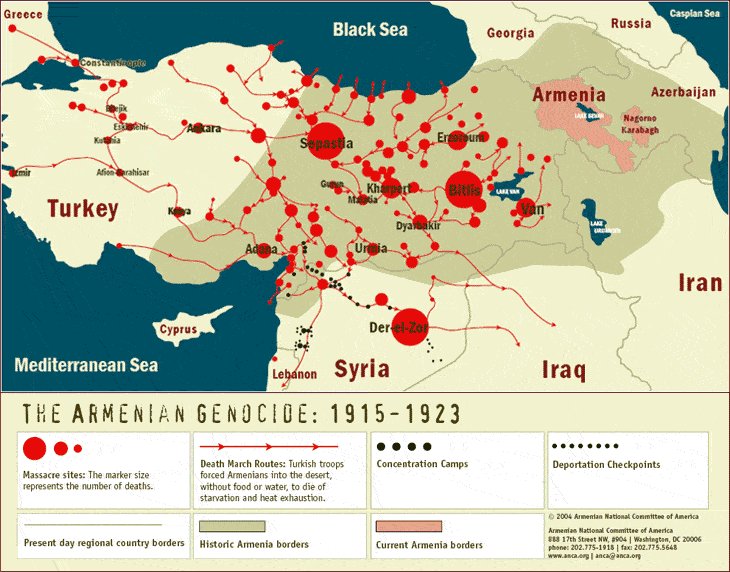
The Armenian genocide will forever be one of the darkest chapters in human history. 1.5 million Armenian people were murdered in these senseless atrocities, systematically planned and carried out by the Ottoman Empire. On the 110th Anniversary Commemoration of the Armenian Genocide, we honour those who lost their lives, and reflect on their stories so they are never forgotten.
Just a reminder my Canadian friends. Many spring projects.
Home Depot is 100% American owned. The owner is Bernard Marcus is a huge Trump supporter.
Home hardware is 100% Canadian owned.
Pass the word repost.
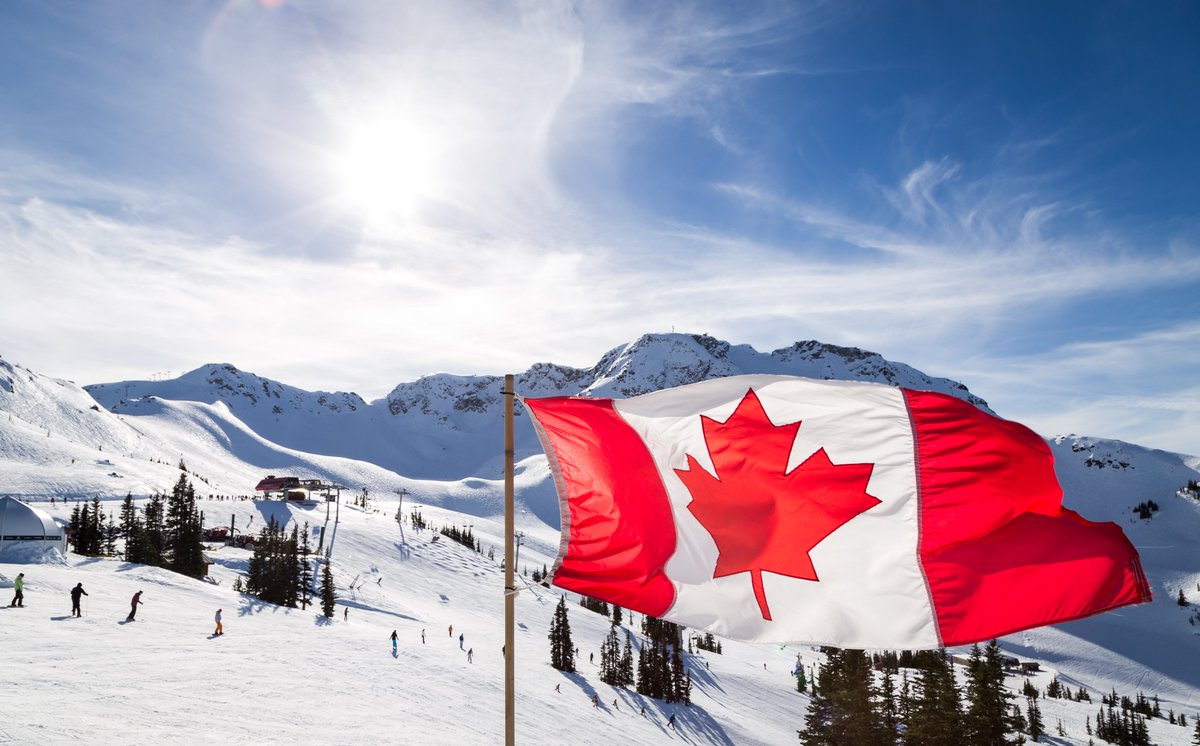
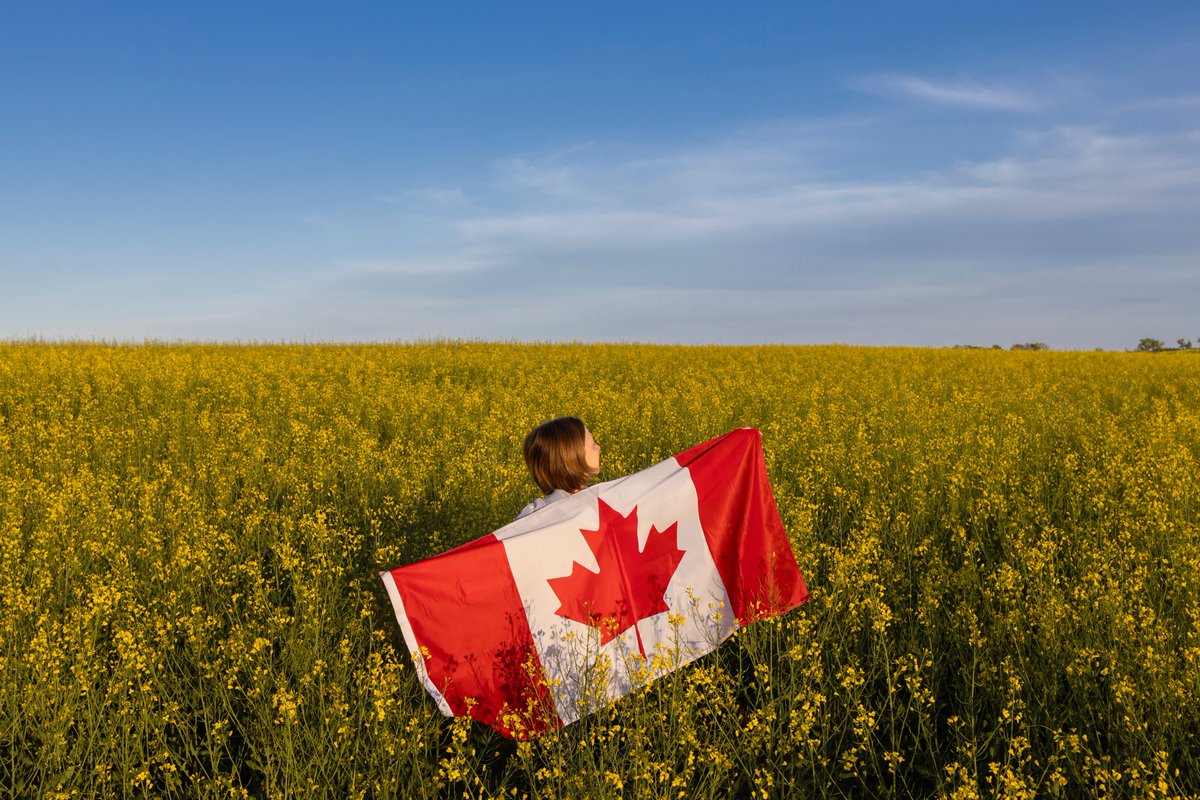
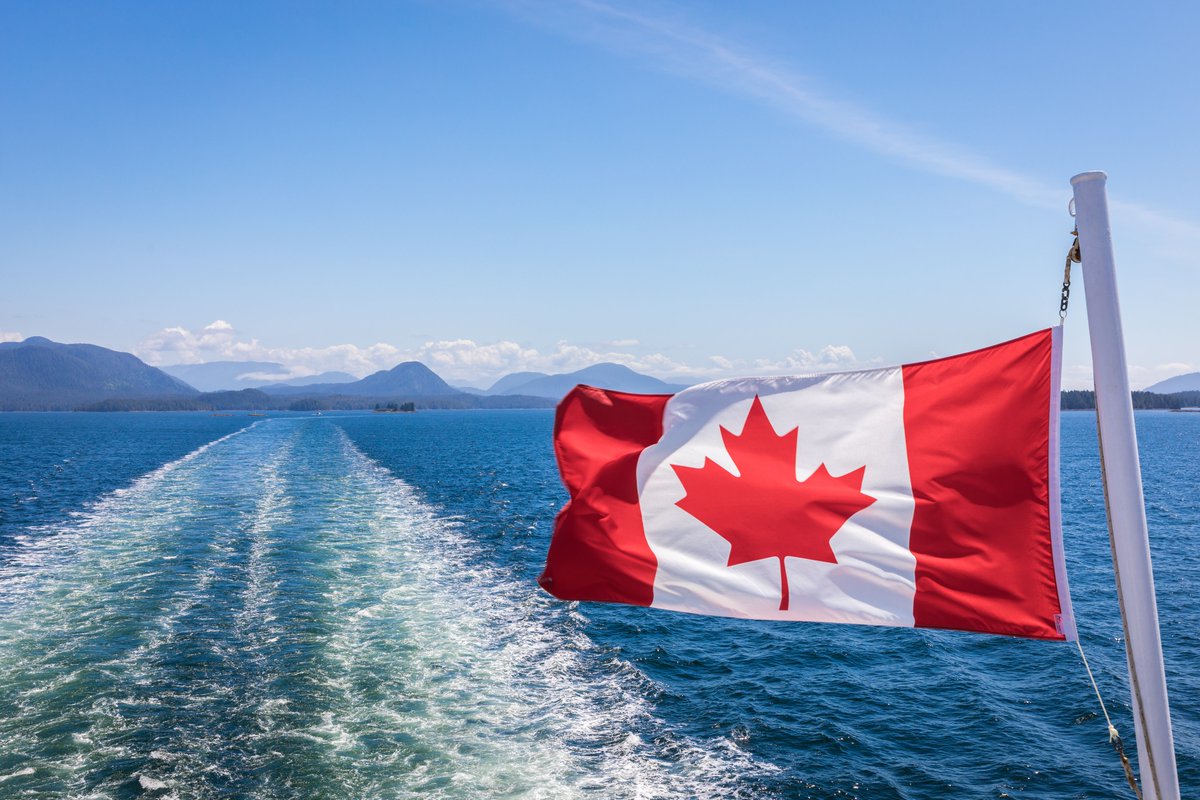
The iconic #Canadian flag was first raised in 1965, and it represents the values we all cherish: generosity, openness, respect and equality! Share your pride and drop your photos of #Canada’s flag raised in your area! #CanadianFlag 🇨🇦
This piece is excellent. Take a few minutes and give it a read.
Annexing Canada would initiate am insurgency that would destroy the US, argues UofT professor Aisha Ahmad.
https://t.co/KzaUyWOj9c
Check out my latest story, Lake Bangishimo, about a Canadian mercenary, who must choose between abandoning the country that shaped him or stay loyal and risk losing everything. 🇨🇦
https://t.co/H60EB9cLk1
Perfect for dystopian fiction fans, Lake Bangishimo takes place amidst a US civil war between eco-utopian separatists and a reactionary government, which is spilling across its northern border. Canada, desperate to maintain its fragile unity, has become a battleground.
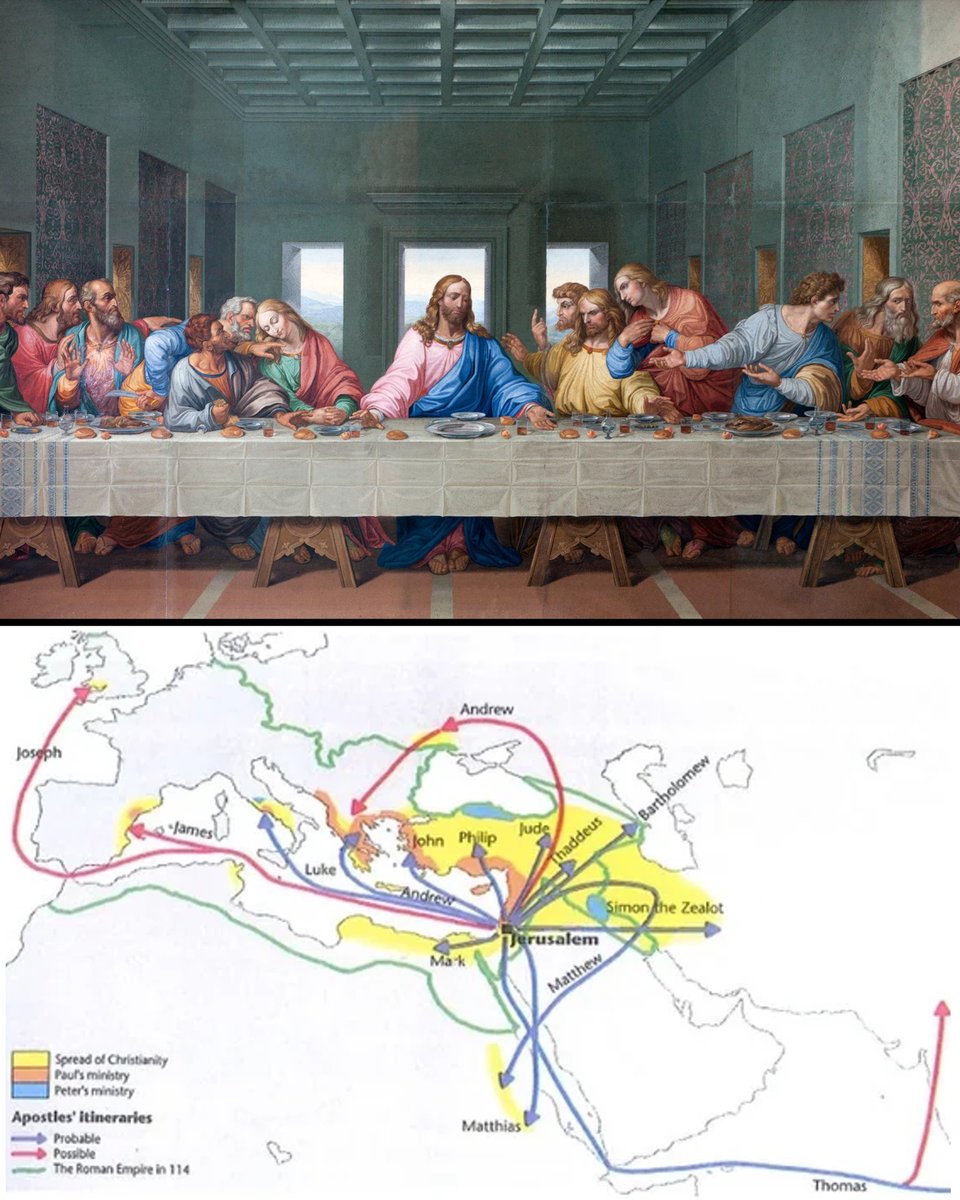
The 12 Apostles risked their lives to spread Christianity across the globe.
All but one were murdered for doing so — brutally.
Here's what happened to them, starting with Judas... (thread) 🧵
You can’t grow muscle without pain.
You can’t find wisdom without failure.
You can’t build confidence without looking foolish and embarrassing yourself.
ㅤ
All growth has an inherent sacrifice to it.
You probably haven't seen this place before, even though it's older than the Pyramids.
It's called Mohenjo-Daro, in Pakistan, and it was one of the first major cities in human history.
So, from Bulgaria to Zimbabwe, here are some other ancient wonders you didn't know about...
Following a gamma radiation blast, a space traveler finds himself alone and stranded on Jupiter's moon Europa. My latest short story: https://t.co/FRXhBLet2j
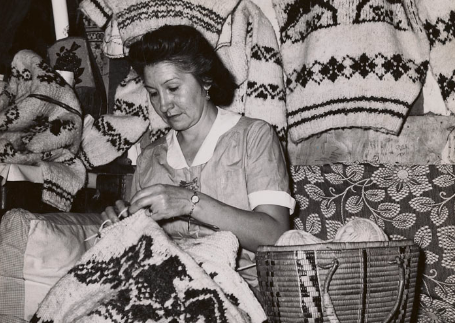
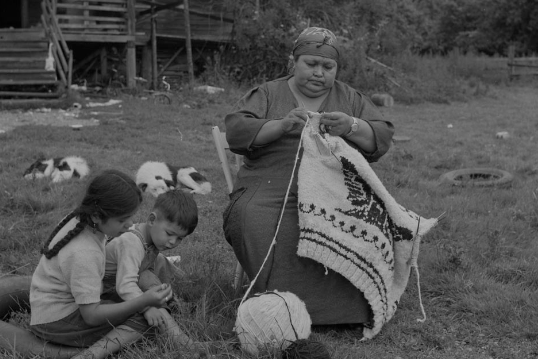
They are uniquely Canadian and highly-sought after, but what is the story behind Cowichan sweaters?
Let's learn more about Cowichan knitting!
Previously, sweaters made through Cowichan knitting were called Siwash sweaters. Siwash comes from Chinook jargon and is derived from the word sauvage (French for wild). Due to the negative connotations of the word, Cowichan has replaced it.
Prior to the arrival of Europeans, the Cowichan People wove leggings and blankets out of mountain goat wool, dog hair and other fibers. There is little information on how these weavings were made. Some of the surviving remnants date back 500 years.
In the 1850s, sheep were introduced to Vancouver Island and provided the Cowichan with an abundant supply of wool.
Using this wool, Cowichan women began making socks, mitts, underwear and sweaters.
These early sweaters were all one colour, often knitted as a turtleneck.
By the end of the 19th century, Cowichan knitters started to use the Fair Isle pattern of design. This uses contrasting shades and colours of wool to create designs.
Cowichan garments differ from Fair Isle and Shetland garments through the use of thick, handspun, natural-coloured yarn in two to three colours.
By the 1920s, the Cowichan sweater was increasing in popularity across Canada.
Mary Maxim, a company founded in Sifton, Manitoba, started to popularize the Cowichan sweater.
Celebrities such as Bob Hope were photographed wearing the sweaters, as well as people like Prime Minister John Diefenbaker.
Due to the popularity of the Cowichan sweater design, many companies copy it without using Cowichan knitters.
For the 2010 Winter Olympics in Vancouver, the Hudson's Bay Company created clothes that mirrored the Cowichan design.
The Cowichan sweater is trademarked and any not made in the Cowichan area are imitations, rather than authentic.
This led to Chief Linda Hwitsum of the Cowichan sought legal advice to look at legal action against the HBC.
Cowichan knitters also protested by wearing Cowichan sweaters to torch relays in British Columbia.
A compromise was reached in which Cowichan knitters could sell their sweaters at the downtown HBC store in Vancouver.
In 2011, the Canadian government recognized Cowichan knitters and sweaters as historically significant. The sweaters have also served as diplomatic gifts to individuals such as Harry Truman, Pope John Paul II and Princess Diana.
Today, you can purchase authentic Cowichan sweaters online, but they aren't cheap. They typically run $500 to $900 each.
If you enjoy my Canadian history content, you can support my work with a donation at https://t.co/ori5TwxQs3
***
Ils sont typiquement canadiens et très recherchés, mais qu'est-ce qui rend les pulls tricotés Cowichan si géniaux ?
Apprenons-en davantage sur le tricot Cowichan !
Auparavant, les pulls fabriqués en tricot Cowichan étaient appelés pulls Siwash. Siwash vient du jargon Chinook et est dérivé du mot sauvage (français pour sauvage). En raison des connotations négatives du mot, Cowichan l'a remplacé.
Avant l'arrivée des Européens, le peuple Cowichan tissait des leggings et des couvertures à partir de laine de chèvre de montagne, de poils de chien et d'autres fibres. Il existe peu d’informations sur la manière dont ces tissages étaient réalisés. Certains des vestiges survivants datent de 500 ans.
Dans les années 1850, les moutons ont été introduits sur l'île de Vancouver et ont fourni aux Cowichan une abondante réserve de laine.
En utilisant cette laine, les femmes Cowichan ont commencé à fabriquer des chaussettes, des mitaines, des sous-vêtements et des pulls.
Ces premiers pulls étaient tous d’une seule couleur, souvent tricotés en col roulé.
À la fin du 19e siècle, les tricoteurs de Cowichan ont commencé à utiliser le modèle Fair Isle. Celui-ci utilise des nuances et des couleurs contrastées de laine pour créer des motifs.
Les vêtements Cowichan diffèrent des vêtements Fair Isle et Shetland par l'utilisation de fils épais, filés à la main et de couleur naturelle, en deux ou trois couleurs.
Dans les années 1920, le pull Cowichan gagnait en popularité partout au Canada.
Mary Maxim, une entreprise fondée à Sifton, au Manitoba, a commencé à populariser le pull Cowichan.
Des célébrités telles que Bob Hope ont été photographiées portant ces pulls, ainsi que des personnes comme le premier ministre John Diefenbaker.
En raison de la popularité du design du pull Cowichan, de nombreuses entreprises le copient sans faire appel à des tricoteurs Cowichan.
Pour les Jeux olympiques d'hiver de 2010 à Vancouver, la Compagnie de la Baie d'Hudson a créé des vêtements qui reflétaient le design Cowichan.
Le pull Cowichan est une marque déposée et tous ceux qui ne sont pas fabriqués dans la région de Cowichan sont des imitations plutôt qu'authentiques.
Cela a amené la chef Linda Hwitsum de Cowichan à demander un avis juridique pour envisager une action en justice contre la CBH.
Les tricoteuses de Cowichan ont également protesté en portant des pulls Cowichan lors des relais de la flamme en Colombie-Britannique.
Un compromis a été trouvé selon lequel les tricoteurs Cowichan pourraient vendre leurs pulls au magasin HBC du centre-ville de Vancouver.
En 2011, le gouvernement canadien a reconnu les tricoteurs et les pulls Cowichan comme étant d'importance historique. Les pulls ont également servi de cadeaux diplomatiques à des personnalités telles que Harry Truman, le pape Jean-Paul II et la princesse Diana.
Aujourd'hui, vous pouvez acheter des pulls Cowichan authentiques en ligne, mais ils ne sont pas bon marché. Ils coûtent généralement entre 500 et 900 dollars chacun.
Si vous appréciez mon contenu sur l'histoire canadienne, vous pouvez soutenir mon travail avec un don sur https://t.co/ori5TwxQs3
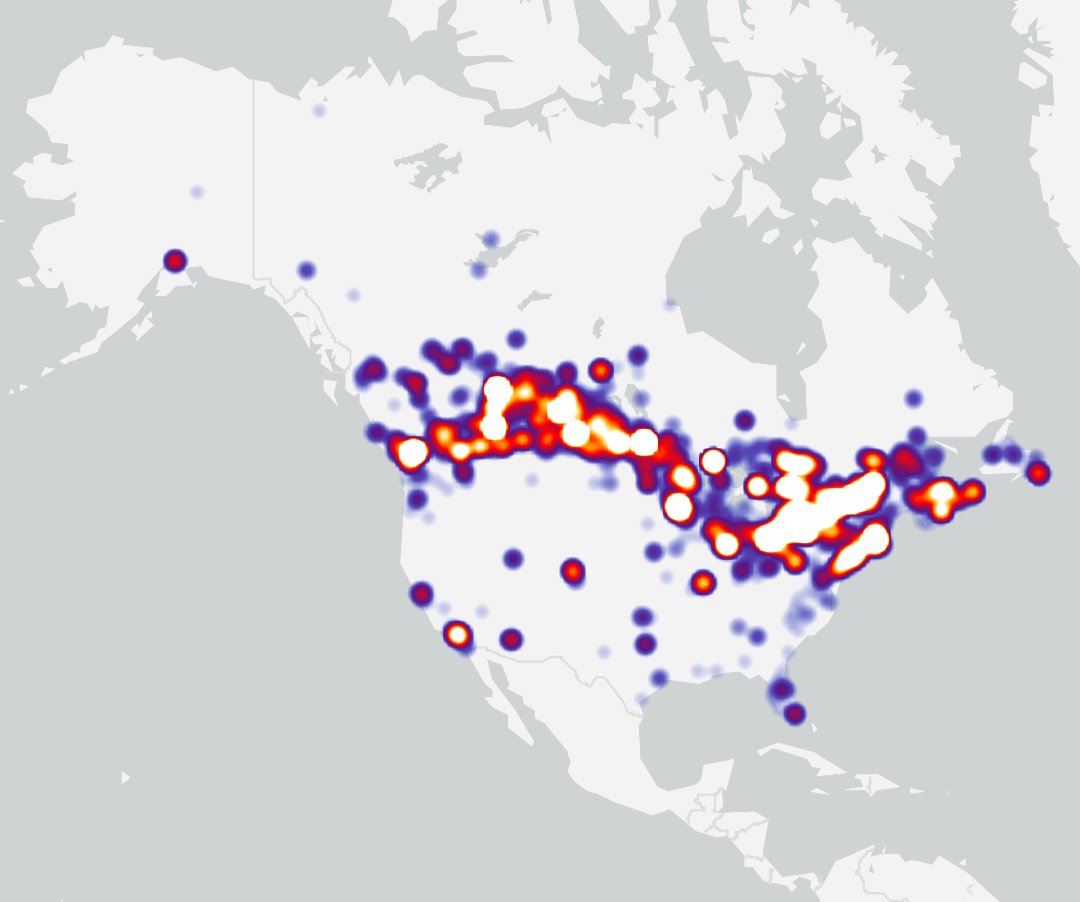
You've heard of the "Rust Belt" and the "Bible Belt". Now introducing: the "Hockey Belt"!
This map shows where every North American NHL player is from.
Today is Armenian Genocide Remembrance Day.
Map shows the roots of the death march into the Syrian desert. Approximately 1.5 million Armenians were systematically deported, massacred, or marched to their deaths by the Ottoman Empire