@LeninUGReal Interesting framing—markets love certainty, and right now all we’ve got is volatility. Watching the tariff headlines closely for entry points.
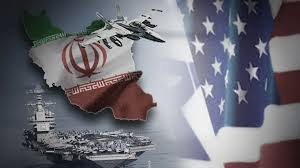
The deadline set by US President Donald Trump for Iran to reopen the Strait of Hormuz is approaching, heightening uncertainty in global financial markets. Iran appears to remain defiant, while negotiation efforts to secure a ceasefire agreement have yet to yield clear results. The escalating tensions in the Middle East, a key region for global oil production, have raised investor concerns over potential energy supply disruptions. This uncertainty is likely to impact crude oil prices significantly and spill over into other asset markets, including equities and currencies.
Global financial markets are bracing for a series of key economic events this week. The focus is on the Federal Reserve's release of the FOMC Meeting Minutes later today (Vietnam time), which will provide clues on the monetary policy path. Additionally, two crucial U.S. inflation gauges, the Core Personal Consumption Expenditures (PCE) Price Index and the Core Consumer Price Index (CPI), are scheduled for release tomorrow and Friday, respectively. These data points will shape expectations for the timing of potential Fed rate cuts. Meanwhile, the Reserve Bank of New Zealand (RBNZ) announced its decision to hold interest rates steady, aligning with market forecasts. Geopolitical tensions remain a supportive factor for crude oil, with Brent trading around $84 per barrel.
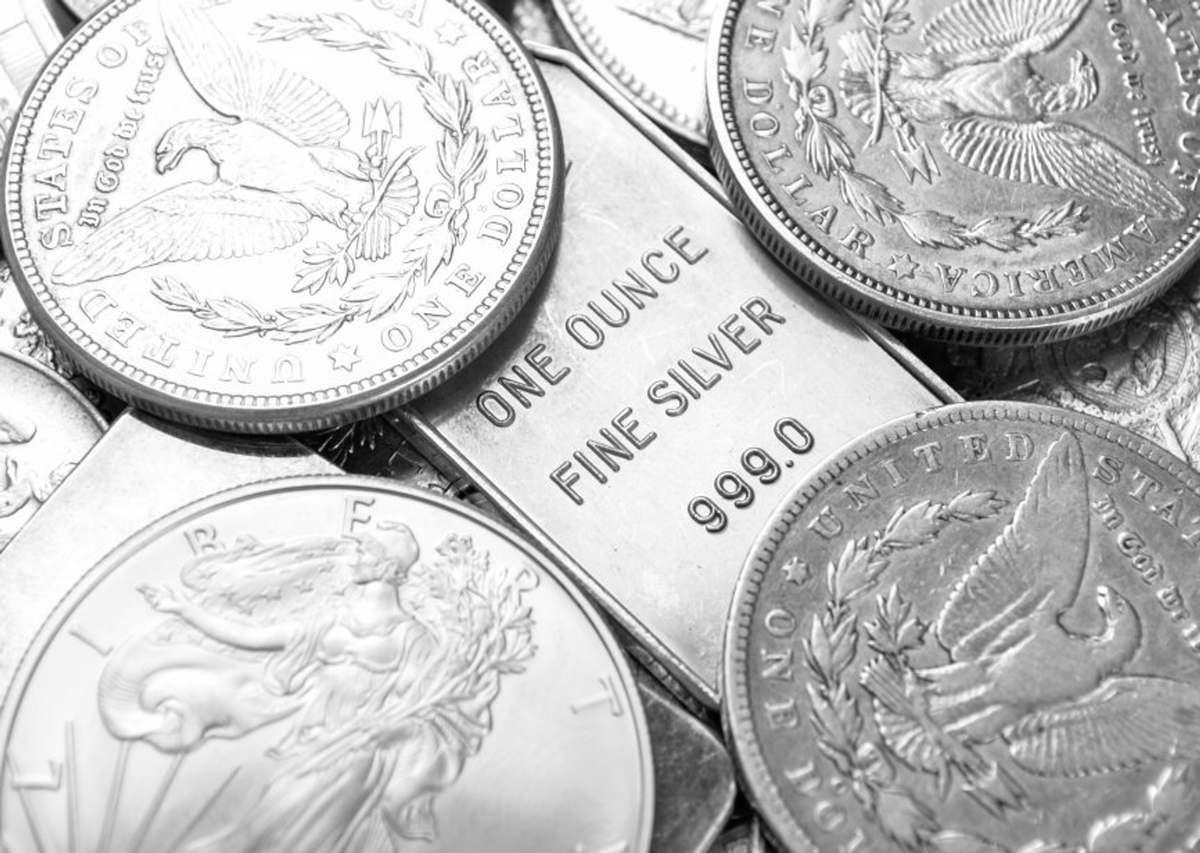
Silver price (XAG/USD) traded around $72.50 per ounce during the early European session on Tuesday, showing little movement. The precious metal is in a holding pattern ahead of the July 15 deadline set by former U.S. President Donald Trump for Iran regarding the reopening of the Strait of Hormuz. While geopolitical risks are elevated, a stronger U.S. dollar and expectations that the Federal Reserve may delay interest rate cuts are capping silver's upside. Investors are also closely monitoring upcoming U.S. CPI inflation data due on Thursday, as it is a key determinant for monetary policy and impacts non-yielding assets like silver.
Global crude oil prices surged to $111 per barrel after Iran rejected a US ceasefire proposal. Geopolitical tensions in the Middle East remain the focal point, pressuring oil markets and dampening global investor risk sentiment. This development has heightened concerns over potential energy supply disruptions, pushing the benchmark commodity to its highest level in months. Financial markets, including equities and cryptocurrencies, could face spillover effects from risk-off sentiment fueled by inflation worries and impacted global growth prospects.
The Solana Foundation has officially launched the STRIDE program, an initiative designed to bolster the cybersecurity of the entire Solana blockchain ecosystem. The program focuses on identifying and remediating security vulnerabilities, while incentivizing community developers and security experts to participate in the audit process. This move comes as the cryptocurrency industry places increasing emphasis on security following a series of high-profile exploits and attacks. Strengthening security infrastructure is seen as a critical factor in attracting large-scale applications and users to the Solana platform.
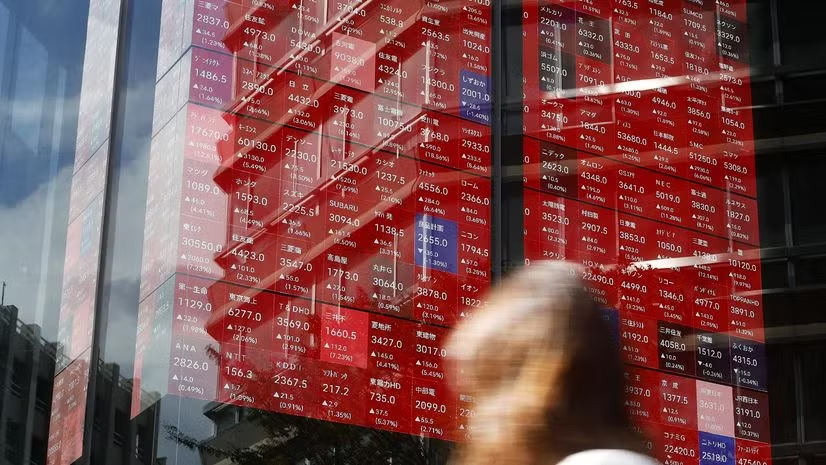
Asian stock markets traded mixed on April 7 as investor caution prevailed ahead of a new U.S. deadline for Iran and concerns that rising oil prices could fuel higher interest rates. Japan's Nikkei 225 index edged lower, while markets in South Korea and Australia advanced. The caution comes ahead of a deadline set by U.S. President Donald Trump for Iran regarding the reopening of the Strait of Hormuz, a critical oil shipping route. Geopolitical tensions and rising oil prices are stoking inflation concerns, which could influence the upcoming monetary policy decisions of the U.S. Federal Reserve.
Advisor to Iran's Parliament Speaker, Mohammad Bagher Ghalibaf, stated on Tuesday that US President Donald Trump has about 20 hours to surrender to Iran, or his allies will face severe consequences, described as returning to the 'Paleolithic Age'. This statement was made amid escalating tensions between the two nations. Ghalibaf emphasized Iran would not back down. This information has not been corroborated by other official sources and may be of a diplomatic warning nature. Global financial markets, including oil and safe-haven assets, are often sensitive to tense geopolitical statements from the Middle East region.
#IranWar #DonaldTrump
The global oil market is experiencing a severe supply shock, leading to a significant price divergence. Spot Brent crude prices have surged above $140 per barrel, while longer-dated forward contracts are trading at much lower levels. This wide spread reflects immediate concerns over supply shortages, coupled with expectations of easing pressure in the long term. The sharp volatility in energy prices is tightening global financial conditions, heightening inflation risks and impacting economic growth prospects. Policymakers and investors are closely monitoring the situation, as it could influence interest rate decisions and capital flows across financial markets.
Iran has confirmed receiving a ceasefire proposal from the United States through Pakistan and stated it is under review, according to a senior Iranian official. This development occurs amid escalating regional tensions, raising hopes for a potential de-escalation. Pakistan's role as an intermediary highlights multilateral diplomatic efforts to stabilize the situation. Global financial markets, including oil prices and risk assets, could be impacted by these geopolitical developments.
Dow Jones futures have recovered from daily losses following reports of ceasefire talks between the US and Iran. During European trading hours on Monday, the index reclaimed its intraday decline and traded around 46,660, marking a 0.06% gain. The recovery occurred ahead of the regular US market open, reflecting investor optimism over diplomatic moves to ease geopolitical tensions. This development also provided a positive sentiment boost to broader risk assets.
The United States and Iran are negotiating a two-tier deal to end hostilities, according to a source familiar with ceasefire proposals. The agreement is expected to include a cessation of conflict by Monday, followed by the reopening of the Strait of Hormuz and Iran abandoning its controversial nuclear activities. The Strait of Hormuz is a critical oil shipping lane, accounting for roughly 20% of global oil consumption. Any change in the security situation in this region directly impacts oil prices and global financial markets. Negotiations are ongoing, and no official announcement has been made by either side.