Founder / VC ping pong social at Spin SF!
2 hour of play, networking, food & drinks
Sponsored by @join_arc!
Inviting all tech folks, sign up for the next outing: https://t.co/ceRxlRRecX
Official welcome to the Talent x Opportunity Spring 2024 cohort! We’re excited to build with these visionary founders set to improve industries with innovative solutions.
Not investment advice, please see full disclosure in bio.
Excited to share that Outing is apart of a16z’s TxO S24 accelerator!
AIxConsumer will unlock tremendous value and we saw a unique opportunity to impact the culture of togetherness.
One of the biggest areas ripe for disruption is leisure & recreation.
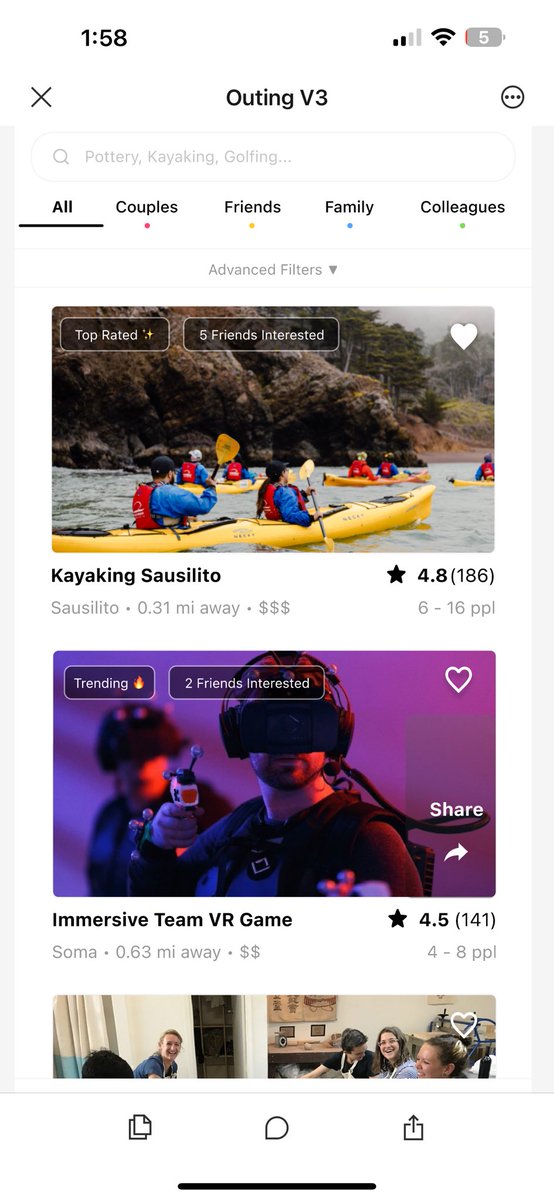
@JoinOuting
Simplified Organizing
We designed the simplest way to bring friends along.
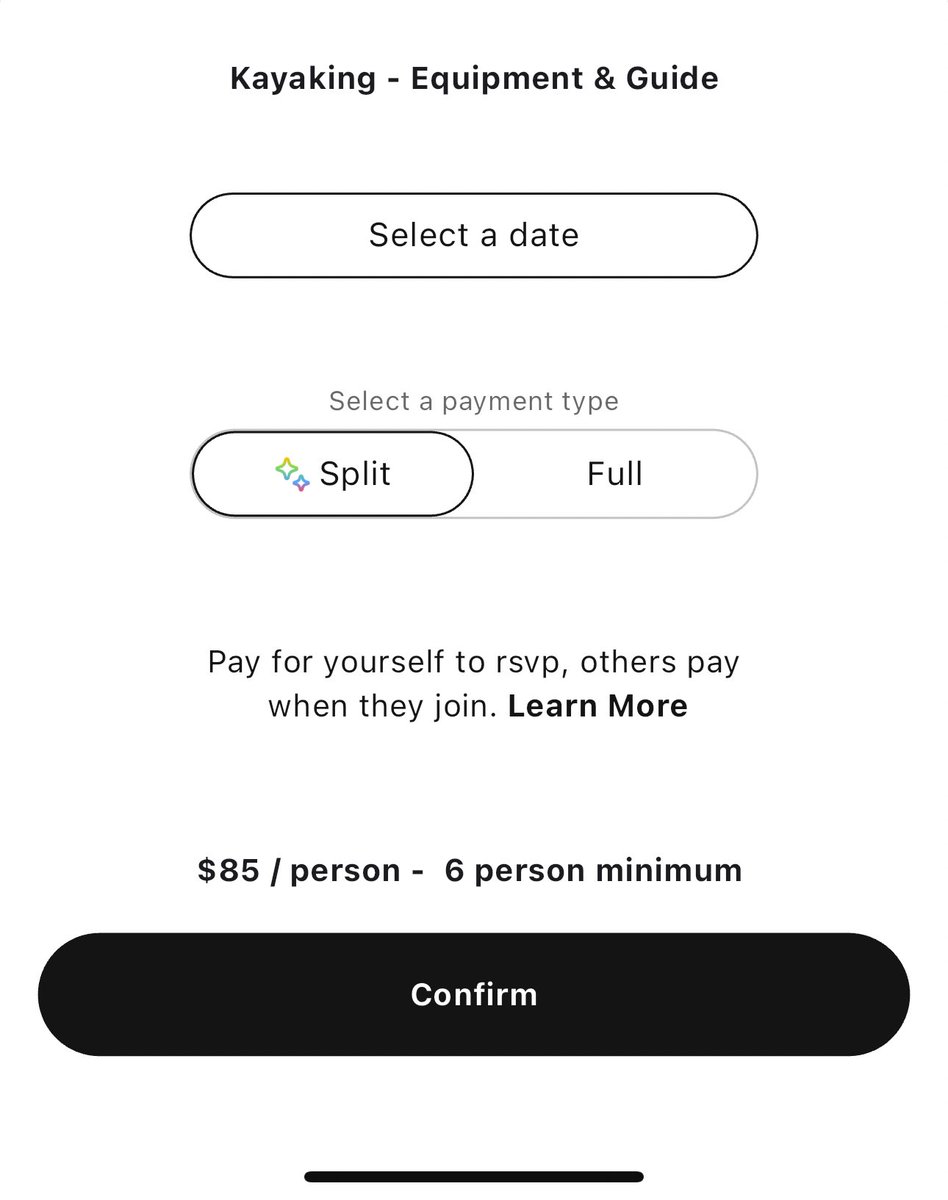
1. RSVP & Split payment in App
2. Invite friends from your contacts
3. Automatic SMS reminders
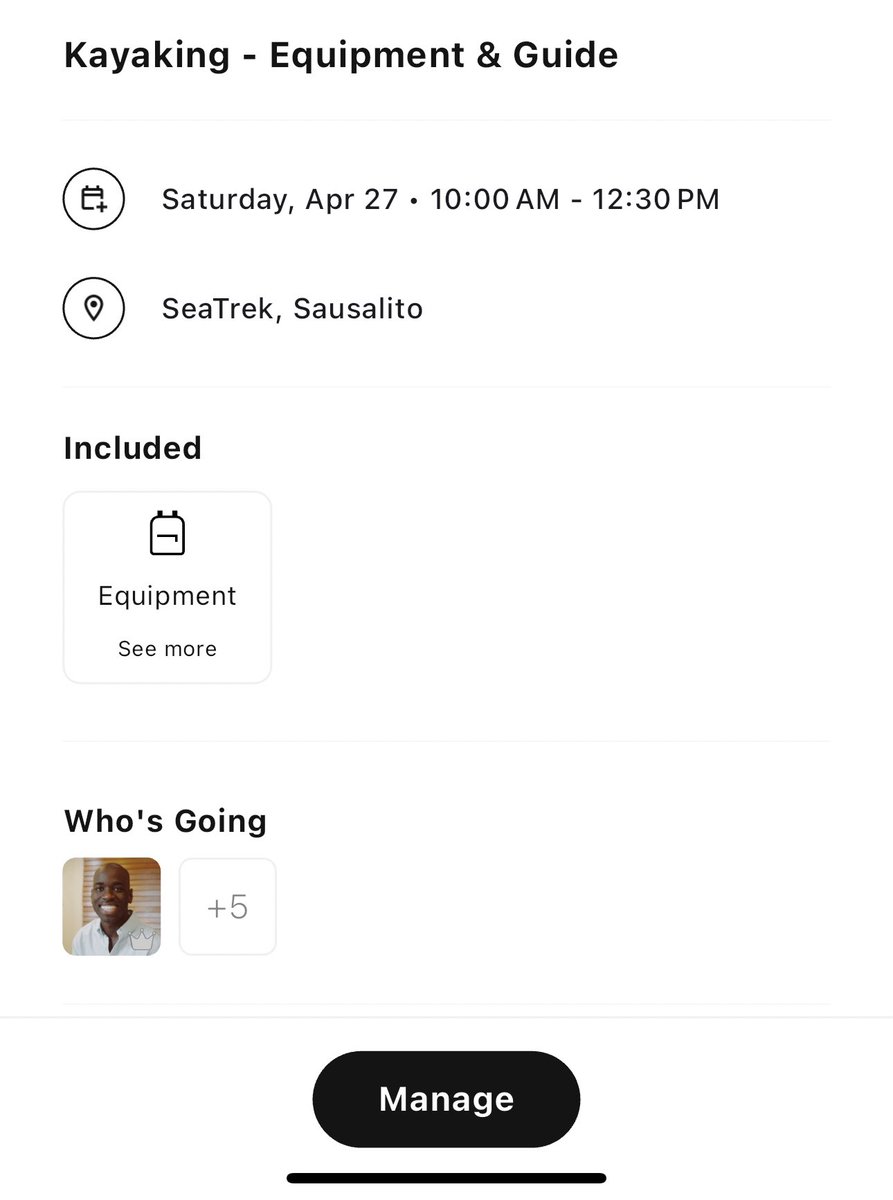
4. Manage friends & RSVP on 1 page
5. Friends can RSVP for their spot on web
Consumer companies make up the majority of $100B+ technology outcomes, ever. The most important company of pretty much every VC cycle since the 70s has been in consumer.
So why have VCs been so reluctant to invest in it? Most VCs tell me that they "don't do consumer".
If you ask them, they'll tell you it's because of lower retention, acquisition costs, or perhaps barriers to entry. All valid points.
But I have another, simpler theory: investing in consumer feels embarrassing.
This embarrassment works on two levels:
First, consumer companies tend to be higher-profile than B2B companies, so when they don't work (which most VC companies won't), everybody knows. This means the total number of people aware that your consumer investment failed is far greater than in B2B.
Second, consumer companies tend to fail for more embarrassing reasons. When B2B companies don't work, it is perceived to be because another company executed better, or the market "wasn't ready" for it. When a consumer company fails, people assume it's because it was built on a fundamentally incorrect insight, or say the metrics were already terminally flawed. Somehow, consumer ideas seems more trivial (until they work).
In other words: it's a lot easier to look dumb (and, perhaps, get fired?) investing in consumer.
Don't get me wrong: there are a great deal of real, tangible advantages to enterprise software investing over consumer, and I would guess that a startup investment index based on B2B SaaS over the last 10 years would outperform a consumer one.
But there are vast treasures buried in early-stage consumer companies, which it seems many VCs are too embarrassed to even bother trying to unearth.
And it is the job of consumer investors (like me) to arbitrage that embarrassment.
Airbnb has a blueprint of their entire customer journey on their office walls.
They then map all product, policy, and service updates to it.
More companies should do this to avoid shipping the org chart.
I think consumer is coming back
Active thesis: lots of things with marginal long term cohort retention (<20% d90) could possibly become viable 40%+ long term retention (asymptotic) with LLMs doing heavy lifting making consumer scenarios much more compelling