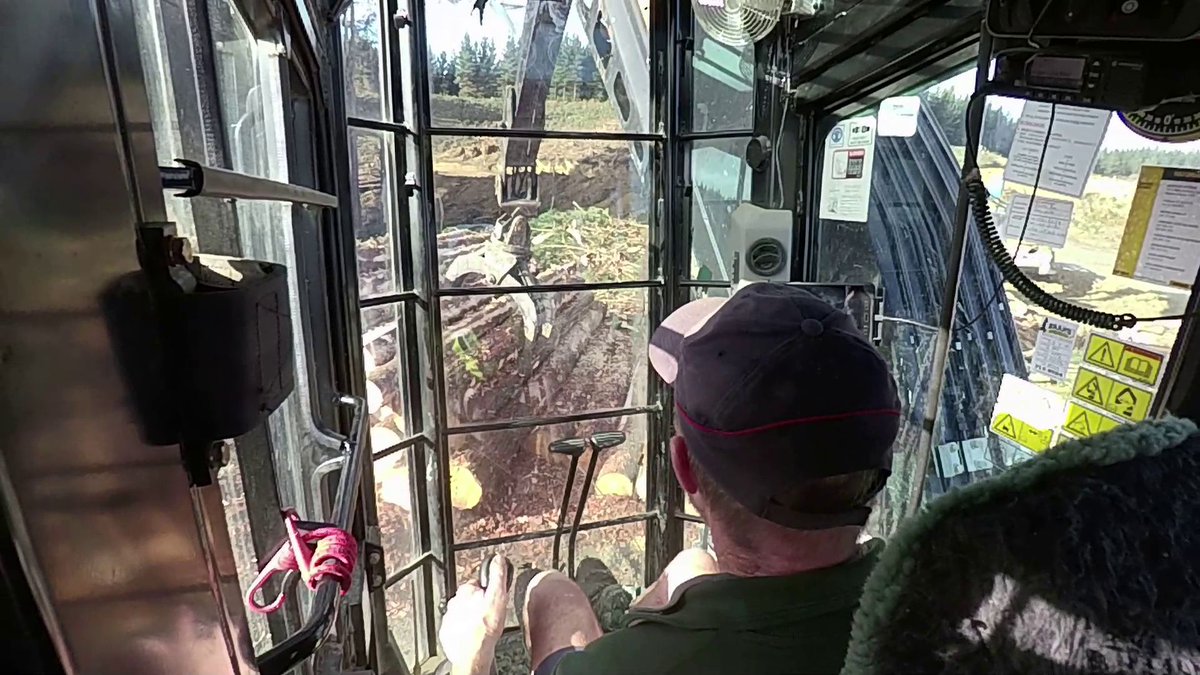
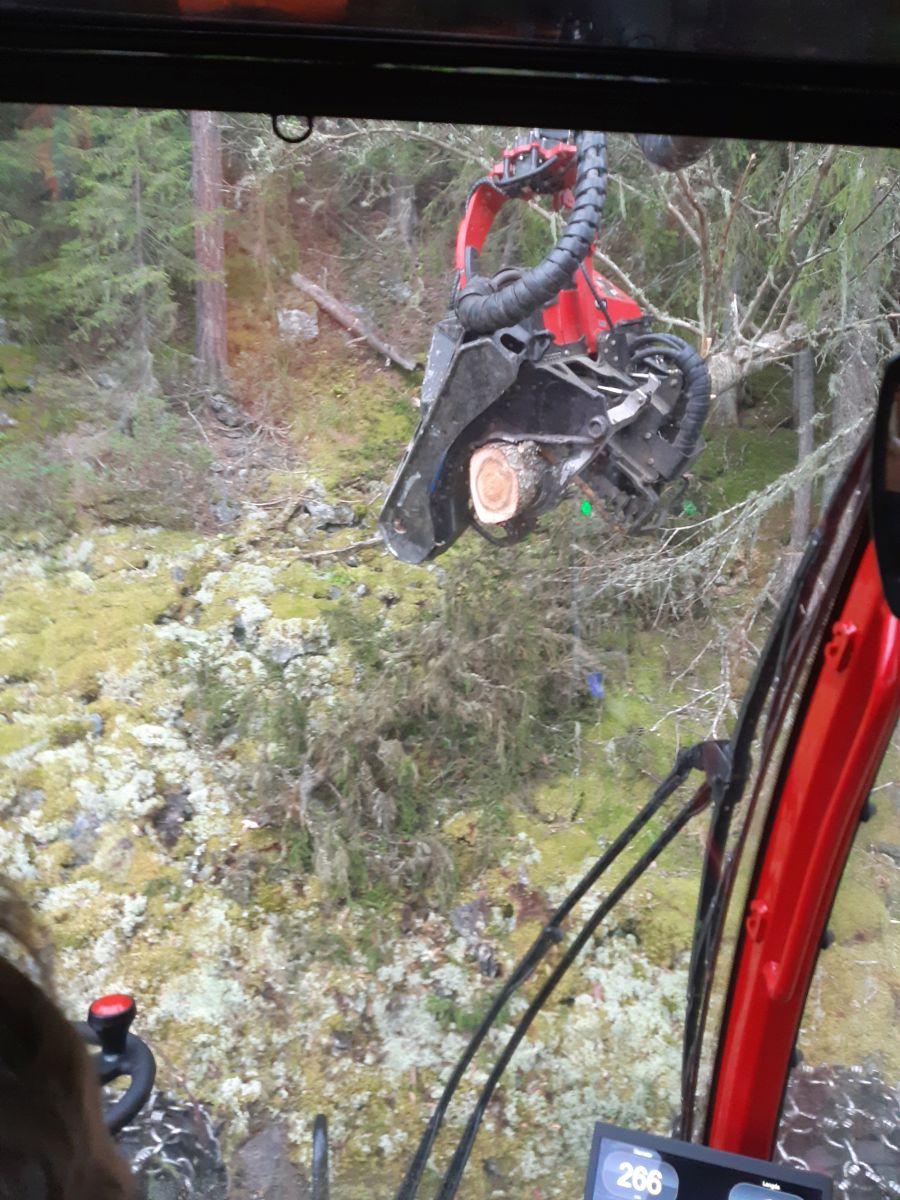
Study quantifies how stem curvature (>15°) and irregularity, drive harvesting inefficiencies in Acacia mangium. Processing consumes 45% of productive time, while boom oscillation damping accounts for 34% of handling time, revealing bottlenecks for tropical hardwoods.
Full article: Deep learning analysis of forest machine operations for productivity analysis using 3D video classification, a pilot study https://t.co/nvf2ZwkHd4
A first step towards using deep learning (3D ResNet-50) to automate classification of harvesters’ work elements based on video. Hopefully, a building block towards faster, more objective productivity analysis and improved decision support.
Picture: S. Hoffman/K. Zimmer
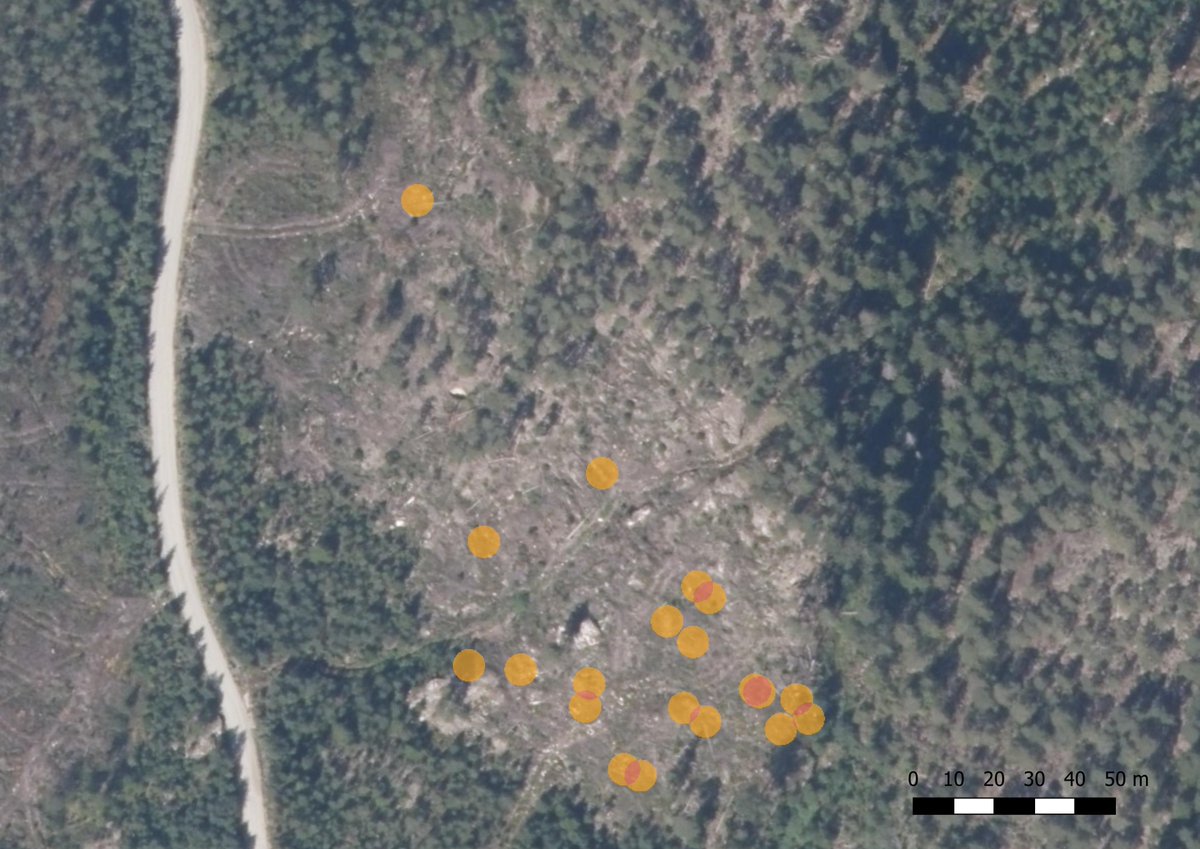
Slash pile burning causes air pollution and risks fire escape. CharBoss, an air curtain burner, offers a cleaner alternative, but optimal deployment is uncertain given variable piles/sites. Our framework identifies cost-effectivesites and routes. Photo Credit: Brett Morrissette
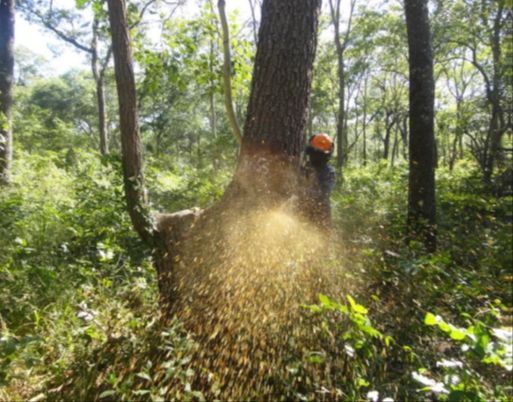
🌍 New study on Mozambique’s Miombo woodlands:
Manual felling + low mechanization = high logging costs.
⏱️ Productivity: 4.53–20.31 m³/h
💰 Unit cost: USD 16 /m³
Improving efficiency could make timber harvesting more sustainable.
#Forestry#Sustainability
https://t.co/cPkQUs9XhG
Are terminals just an obligatory nuisance and additional cost in the road transport of timber? A simulation study showed that introducing a truck terminal in timbersupply chain may actually increase transport efficiency and reduce GHG emissions.
Are terminals just an obligatory
Improving road base performance in wet ground: stone mattresses
The research indicates this method can increase the bearing capacity and help roads resist subsidence when the soil is prone to being waterlogged.
#RoadStabilisation#SustainableInfrastructure#CivilEngineering
Using site index, tree location, and root rot data to guide planting with resistant species near root rot infected stumps can boost net presentvalue vs. spruce-only replanting. While high-precision planting isn't yet scalable, coarse planning and planting also shows promise.
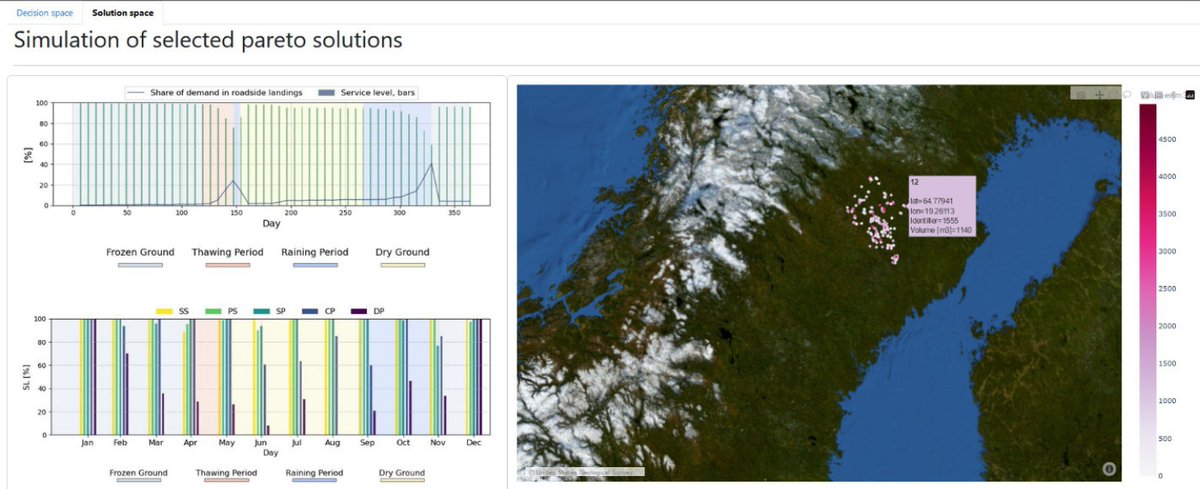
A novel framework for scheduling multi-objective harvests enhances wood supply delivery performance by considering road access variations due to weather. It helps managers find Pareto-optimal solutions via a prototype dashboard. Full article: https://t.co/R0ZsHXV6As
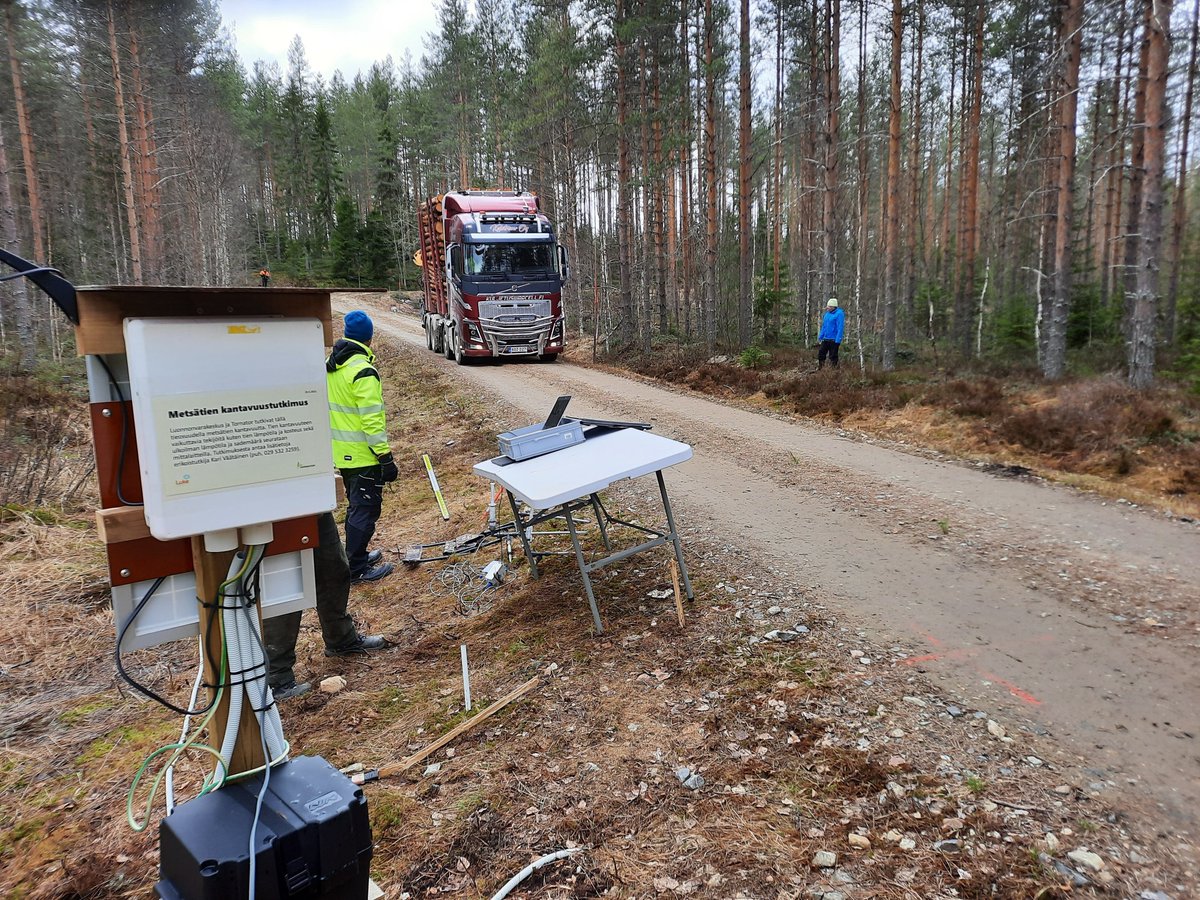
Year-round trafficability of forest roads and their weather-related dynamics. Sensors above and within the road monitored weather parameters, while trafficability was assessed through bearing capacity measurements. https://t.co/LUryesrV4n
Can video support better feedback on the skid? Operators trialled a new system and saw potential—not just for clearer feedback, but for taking control of their own development. A shift in power: from top-down instruction to operator-led improvement. https://t.co/ndiVMq5xCu
Using XGB-models to detect 83–87% of rotten and 95–99% of healthy Norway spruce trees from harvester data is a step toward automatic root rot detection. While promising, the method is not yet accurate enough for practical implementation. https://t.co/GfbqZ4iJKH
Mixed-method study from @UWDEOHS found western loggers have high job satisfaction and value independence, but work long hours with high job demands. Industry pressures and lack of public recognition hinder safety and fatigue solutions,which should involve worker input.
In this article the concept of Digital tween is defined for forestry machines , guiding development, & showing AI integration for real-time advice. The benefits are enhanced training/performance, optimized tasks (cutting, fuel, terrain).
https://t.co/62Yt5mdDy0
Petrol chainsaws (PCS) and battery-poweredchainsaws (BPCS) exhibit distinct vibrationprofiles. Vibration levels for the PCS ranged from 1.0000 to 3.2000 m/s2, while the BPCS values ranged from 3.2000 to 5.0000 m/s2. BPCS need anti-vibration systems. https://t.co/QI9EUmnebg