What do circus zebras, war re-enactments & imperial masculinity have in common?
@UysMia & @WildPasts_ trace Frank Fillis’s South African circus horses as political performers—saddled with the weight of Empire.
📷 Mrs Hayes riding a zebra, 1891.
🔗 https://t.co/8tMOG1e8tW
What does it mean to stage a concert of a play?
In STP, Naoko Yagi traces how sound, silence, and utterance shape The Gigli Concert across its 1983 and 1991 Abbey Theatre productions—revealing how Murphy’s language sings when heard, not just read.
🔗 https://t.co/VvGN6ZZwal
Feeling together is never simple.
In STP, Kelsey Jacobson & Bethany Schaufler-Biback explore how audiences craft—and contest—the emotional fabric of live theatre, from shared joy to subtle exclusions.
🔗 https://t.co/xwhqy9523C
#AffectTheory#STPJournal#LivePerformance
What can a shield remember?
In STP, Liza-Mare Syron examines the gumayi (spear) and yilimung (shield) in The Visitors—as stage objects grounded in Indigenous knowledge, ceremony, and resistance.
🔗 https://t.co/JCMELTMYIg
How can theatre be a space for shared knowledge—not just impact?
Jonathon Crewe reflects on Under the Radar as a case study in embedding knowledge exchange through co-created performance & post-show dialogue.
🔗 https://t.co/ZSmDdjVMnh
#PracticeResearch#STPJournal
What do Victorian ghosts want from the future?
@ElisavetIoanni2 revisits "Cloud Nine" through hauntology—tracing how Caryl Churchill’s ghosts speak to 1979’s political turn, spectral memory, and today’s unfinished futures.
Read in STP:
https://t.co/Xl50izjRId
How can intermediality reshape how students learn, see, and perform?
In her latest for STP, @KatsouNatalie explores intermedial heterotopias—hybrid learning spaces where cameras, screens & identities converge in contextual theatre studies.
Read here: https://t.co/3WrAWWsUtj
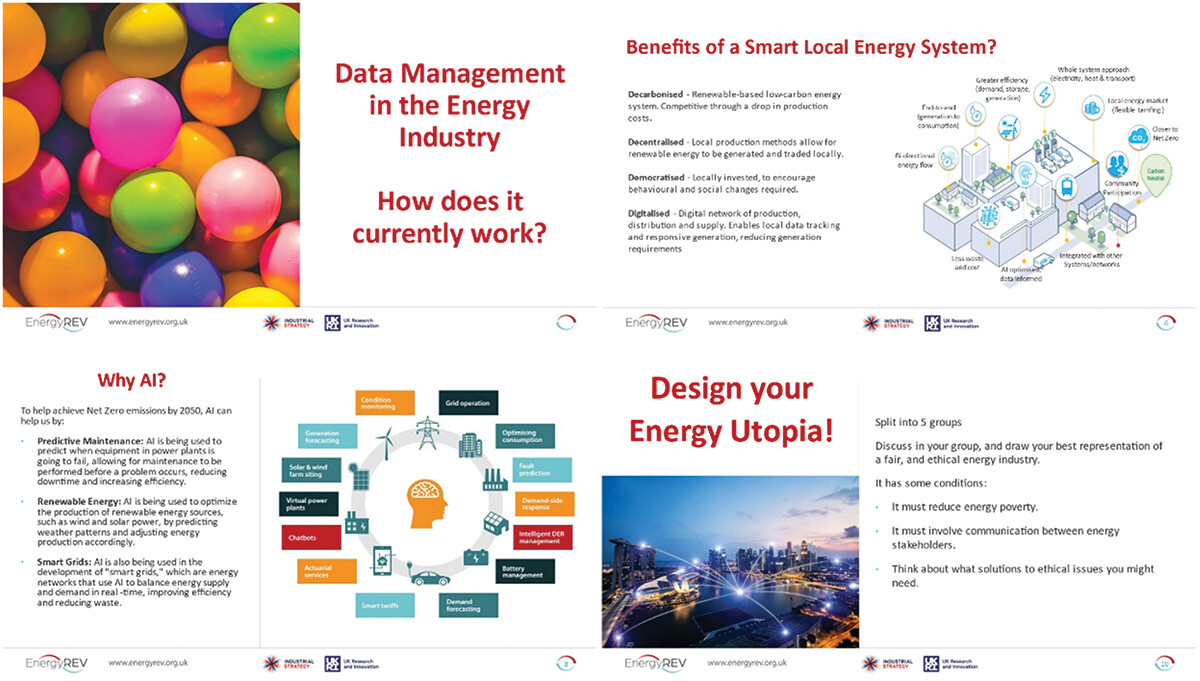
Can performance help evaluate energy policy?
@charlie_ingram3 explores Evaluative Performance as a method to capture youth perspectives on Smart Local Energy Systems—bridging climate policy & participatory arts.
Now in STP: https://t.co/1dKyEGmRkp
#ClimateJustice#YouthVoices
What happens when a pandemic disrupts a research agenda?
Jane Collins reflects on the Southall Ever After Festival, where community-led rethinking during COVID-19 reshaped diasporic identity, participation & cultural heritage.
Now in STP: https://t.co/jkYjalwblr
How can screens, cameras & digital tools reshape theatre pedagogy?
@KatsouNatalie explores intermedial heterotopias as hybrid learning spaces—where students reframe identity, space & context through embodied, media-rich practices.
Now in STP: https://t.co/3WrAWWtsiR
How does a hereditary puppetry form survive cultural shift?
Sohini Chanda & Archana Patnaik trace how danger putul nach in West Bengal adapts through innovation, oral history & state support—without losing its roots.
Now in STP: https://t.co/kRCw6cgrHn
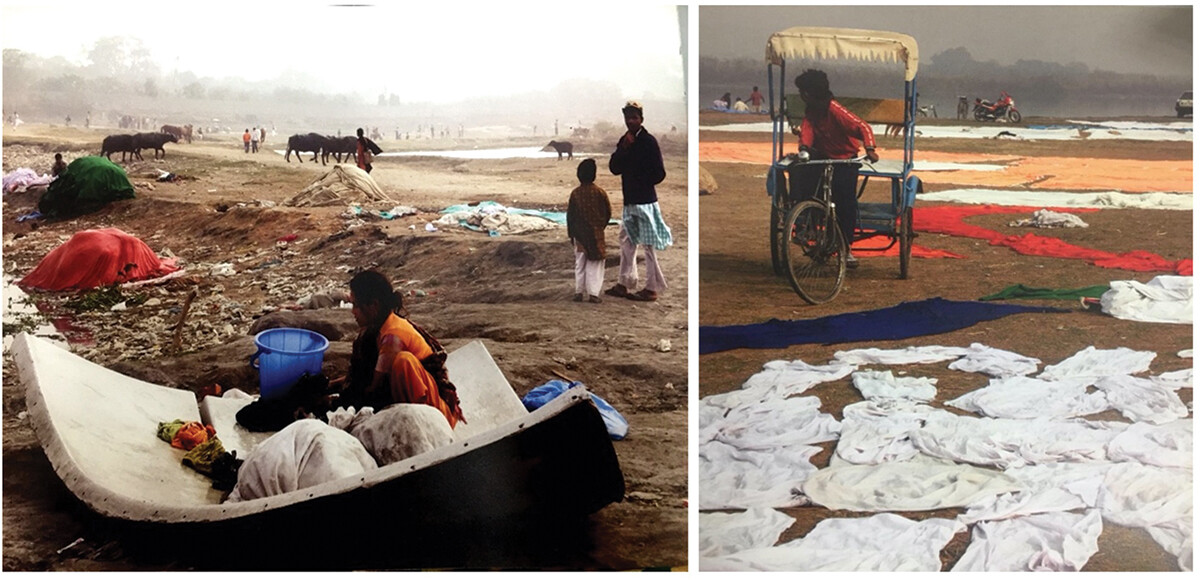
What does it mean to perform by walking through a city’s waste?
@priyankapathak0 examines "Yamuna Walk" as embodied performance—where drifting through Delhi’s garbage sites becomes both ethnography and critique of urban exclusion.
Now in STP: https://t.co/kB0DGqF4uN
How are race and disability entangled on stage?
@pONDERado reads debbie tucker green’s "ear for eye"(2018) as staging “Blackness as disability,” where silence, muteness & marginalisation expose how race is prostheticised in British theatre.
Read in STP: https://t.co/ybyzicsLf1
@GemmaRMKerr explores the role of artists in site-specific art within gentrifying communities, critiquing imposed narratives and advocating for resident-led engagement.
🔗 https://t.co/uZKUr2KPyf
Elif Öztek explores the spatial politics of On İkinci Ev, a feminist Turkish play performed behind glass walls in urban spaces. Blending theatre and architecture, the study reveals how the play critiques patriarchal spatial norms.
🔗 https://t.co/WfyW49Hr27
@astridbreel redefines agency in participatory performance, distinguishing observed behavior from perceived experience. Using cognitive philosophy and audience research, she argues agency is relational, contextual, and shaped by performance structures.
🔗 https://t.co/GJlRJw72Tc
Marguerite Galizia redefines self-choreography as a relational practice, questioning isolation in solo dance. Drawing on Ettinger’s wit(h)nessing, she explores the shared Borderspace of performer and audience, where movement, time, and gaze coalesce. 🔗 https://t.co/mrC7LF2qJi
In her latest article, Amira I. Ramírez Salgado explores Cuerpo-Territorio through movement, mapping, and contact improvisation. How can the body be understood as a dynamic, relational space of knowledge and resistance? Photo: Kitzia Salgado
Read more 👉 https://t.co/OnldHfvNae