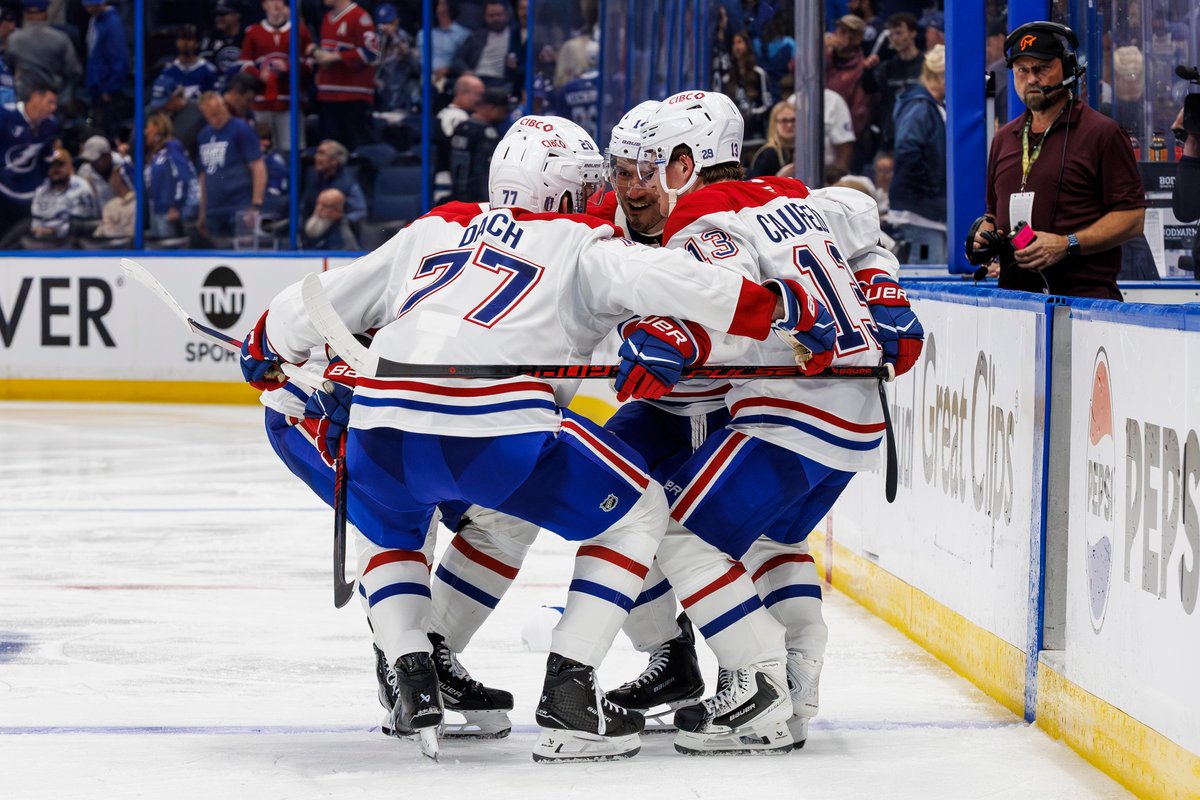
Sat down with Martin St. Louis for a feature coming @Sportsnet in the am.
Here’s a little something from our conversation that won’t be found in there but was certainly still worth sharing:
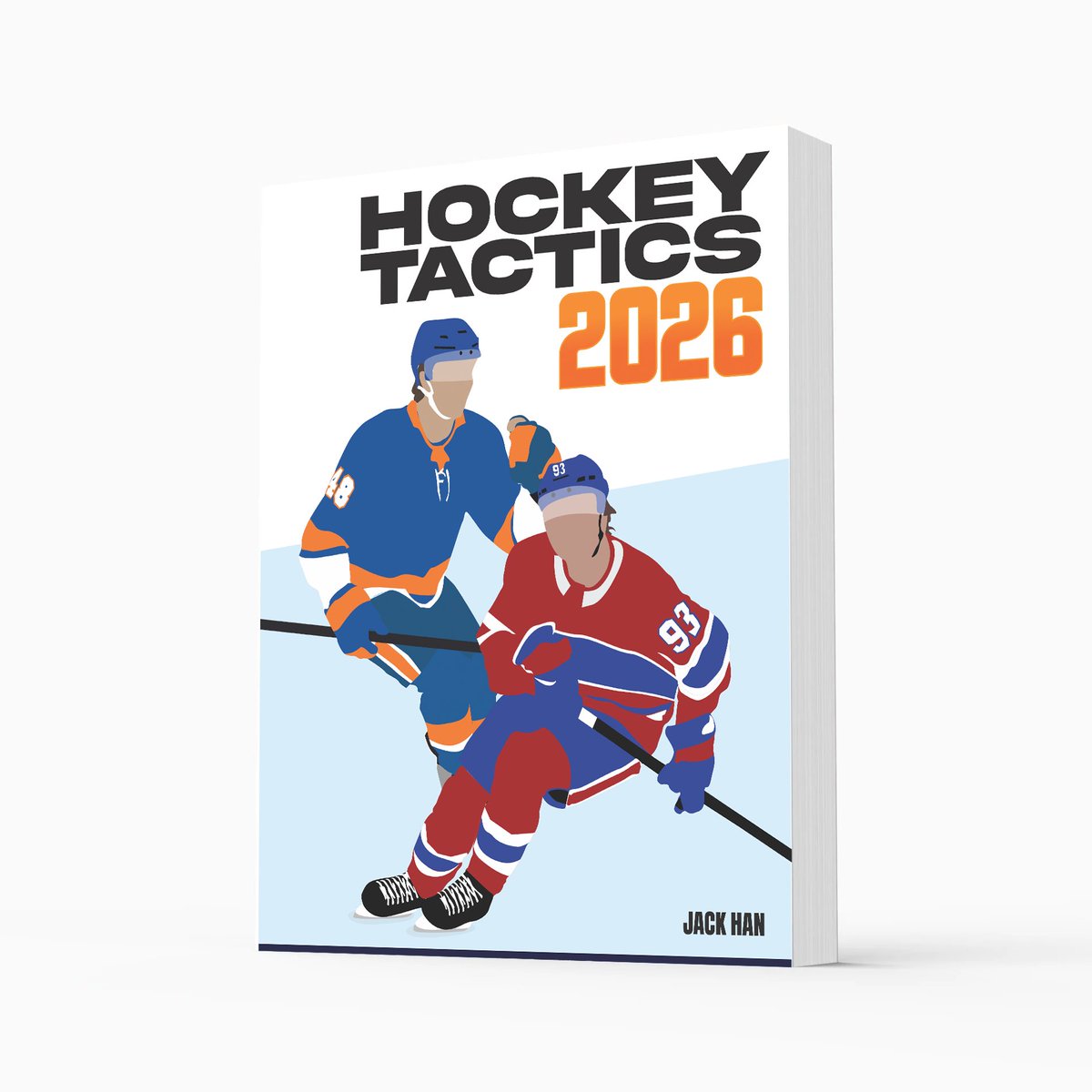
The Hockey Tactics 2026 ebook is now available.
The best visual resource in our sport gets another update.
Here's an overview of what you'll find inside:
Video games will never be taken seriously as an art form because neither the industry nor the audience treats them as art, and the audience is the larger part of the problem. Games are treated as products to be made fast, sold loud, consumed, discarded, and replaced. That is why Call of Duty and FIFA sell in the billions, not because they endure, but because they are disposable and familiar.
This has nothing to do with graphical fidelity, art style, music, voice acting, or budget, even though players insist otherwise. For most people, “artistic merit” means how flashy, pretty, and expensive a game looks. Spectacle is mistaken for depth, and production value is confused with meaning.
Games are not built to be evergreen because the audience does not want evergreen. The people who revisit old titles, engage deeply with systems, or approach games patiently are a minority. Most want the new release, the hype cycle, and the spectacle, then move on as soon as something shinier appears. This is the same reason Avatar makes a billion dollars per film yet leaves almost no cultural footprint. Audiences want stimulation for a few hours, then the exit.
Art requires patience and trust, and games demand both. They ask players to learn systems, accept friction, and think. The audience rejects this. Anything slow, strange, or uncomfortable is dismissed as boring or pretentious, so risk is punished not just by publishers, but by players themselves.
Because of this, metrics replace meaning. Engagement time, retention, and monetisation become the measure of success, because that is what the audience rewards. Art asks what something is saying. Products ask how long you stayed logged in. Games suffer most here because their greatest strength, player agency, is treated as an inconvenience rather than an opportunity.
Legacy is impossible without permission to fail, and the audience does not allow failure. A bad novel does not kill literature. A bad film does not kill cinema. A bad game can kill a studio, because players demand perfection, constant novelty, and infinite support while rejecting experimentation.
So the ceiling stays low by choice. Not because games cannot be art, but because an audience trained on disposability, spectacle, and instant gratification will not tolerate sincerity, patience, or risk. What survives is not what lasts, but what sells loudly and disappears quietly.
With the 2025-26 season starting next month we are excited to announce our Move In Miami fundraiser. Your support will help our program return back to St. Louis. Every bit makes a difference! Use the link below to donate today!
https://t.co/N4psTb74JW
This article is bananas. NHL teams are supposed to grow the game in their areas, not this. While there are two sides to every story with hockey parents, if only half the things in this article are true the Stars need a major reset in their leadership.
https://t.co/k3P7zCyVQH
@JhanHky Primeau has been seeing the lions share in Laval, Fowler is on an AHL only deal to close out this year. Fowler and Hughes get the AHL net and Primeau up till Montembeault gets healthy? They weren’t deep enough in net all season really for the clear 3rd to carry in playoffs
Long-time @Capitals announcer Joe Beninati called Alex Ovechkin's first NHL goal. All these years later, he called Alex Ovechkin's record-breaking goal. 🫡
Iconic. #Gr8ness