JSTOR has compiled a list of 2025 funding opportunities to help libraries digitize, describe, & preserve their collections. These programs support a range of initiatives, incl. audiovisual preservation & community archives.
Explore the details here: https://t.co/734DJ7lQ16
JSTOR has compiled a list of 2025 funding opportunities to help libraries digitize, describe, & preserve their collections. These programs support a range of initiatives, incl. audiovisual preservation & community archives.
Explore the details here: https://t.co/734DJ7lQ16
Struggling to find exactly what you need on #JSTOR? We've got you covered—in just 2 minutes (maybe)! Check out our new playlist of three quick videos, designed to save your day during this busy paper-writing season. ✍️
🎥 Watch now: https://t.co/AGYCG0aQdj
JSTOR has compiled a list of 2025 funding opportunities to help libraries digitize, describe, & preserve their collections. These programs support a range of initiatives, incl. audiovisual preservation & community archives.
Explore the details here: https://t.co/734DJ7lQ16
This #WomensHistoryMonth, we can’t get enough of the captivating stories about women in #STEM from @JSTOR_Daily—and we think you’ll feel the same!
📖 Explore a plethora of inspiring stories here: https://t.co/B7h6udvDWp
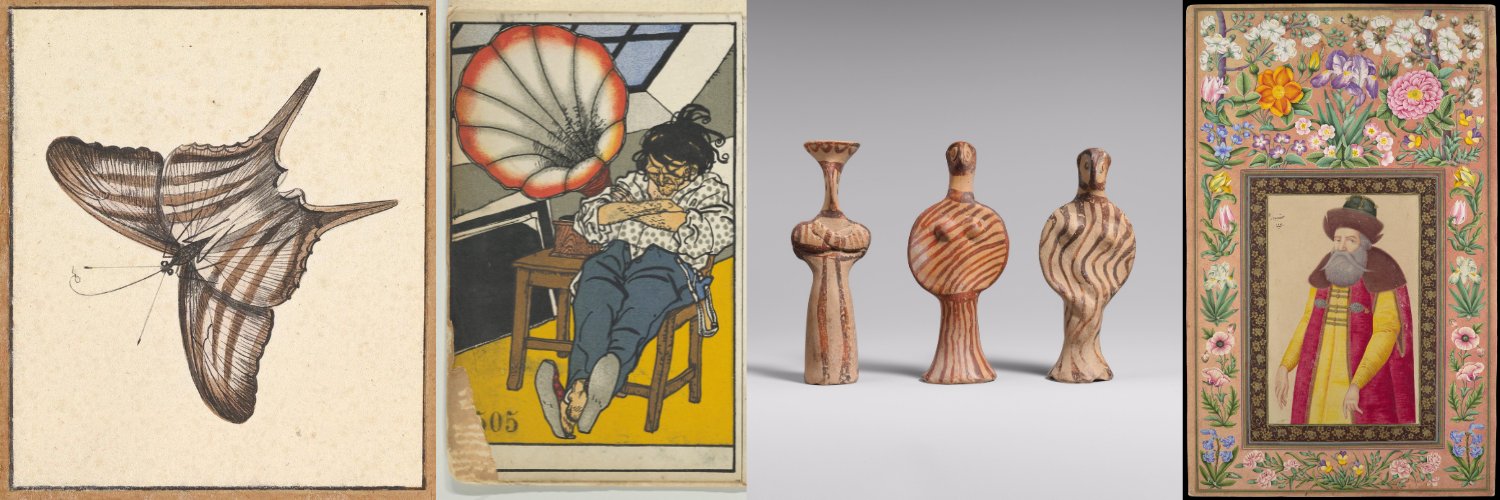
🎭 If you're a #Shakespeare fan, scholar, or researcher, we hope you've explored the #ArtstorOnJSTOR#OpenAccess collection from the Folger Shakespeare Library! Dive into 8,000+ images featuring book designs, illustrations, manuscripts, and more: https://t.co/SKnkojsmnk
This #WomensHistoryMonth, we’re spotlighting a title from the #PathToOpen program on #JSTOR! How did mothers navigate working, supervising at-home learning, and protecting their children's health during the pandemic? Participants can access this title: https://t.co/Szu5az3tw3
Looking for an intro course on #DigitalPreservation? Don't miss the Novice to Know-How courses! Offered by @dpc_chat, these courses equip you with the skills needed to develop & implement digital preservation workflows.
📌 Explore free courses here: https://t.co/B1GrOSBbed
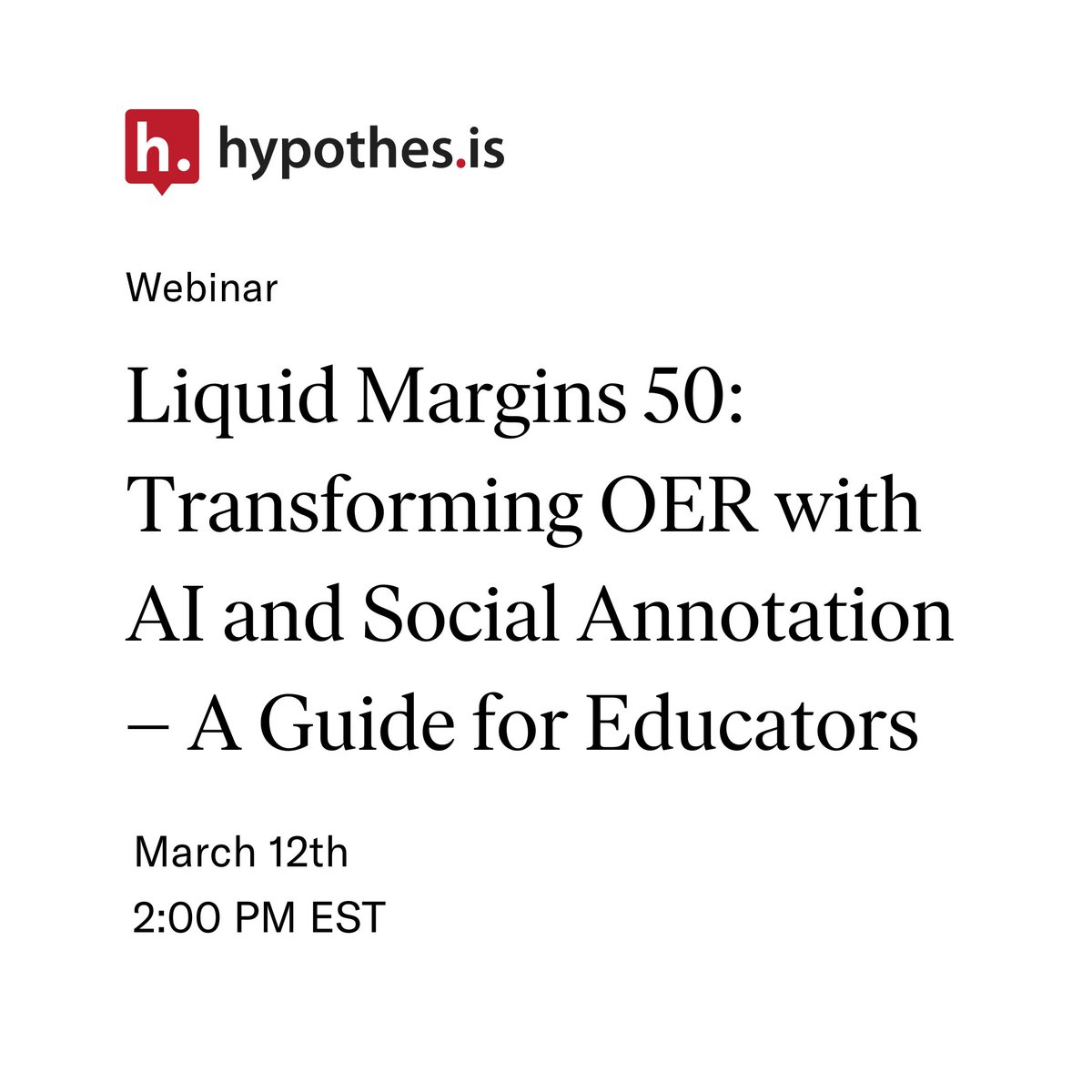
TOMORROW—join the @hypothes_is webinar to learn how to create high-quality Open Educational Resources with AI-powered tools. Sign up for a discussion on #OER creation and discover how Hypothesis make these resources effective for students. Register here: https://t.co/6EjI9ecdnb
Discover the latest titles in JSTOR’s Path to Open program! These newly published books from university presses are available now to participating institutions and will become open access in three years.
Explore the newest additions: https://t.co/JONzcO0k7e
📣 #Librarians and #administrators, let’s hit the ground running! 👟 With our new promotional toolkit packed with ready-to-use resources, spreading the word about Artstor on JSTOR at your institution is a piece of cake.
🛠️ Access the toolkit and promote: https://t.co/30kHJrO818
Developing digital literacy and primary source analysis skills is essential for both students and researchers.
⚒️ Discover abundant primary source collections on JSTOR and #ArtstorOnJSTOR today in our new #JSTORBlog post: https://t.co/nzTGC85iwA
Anyone else also more of a night owl now than they were when they were young? 🦉
See the full collection of newsletter updates from the class of 1940: https://t.co/G940BrAh0n
Image: Montana State University, Class of 1940 Newsletters, 1950-1958.
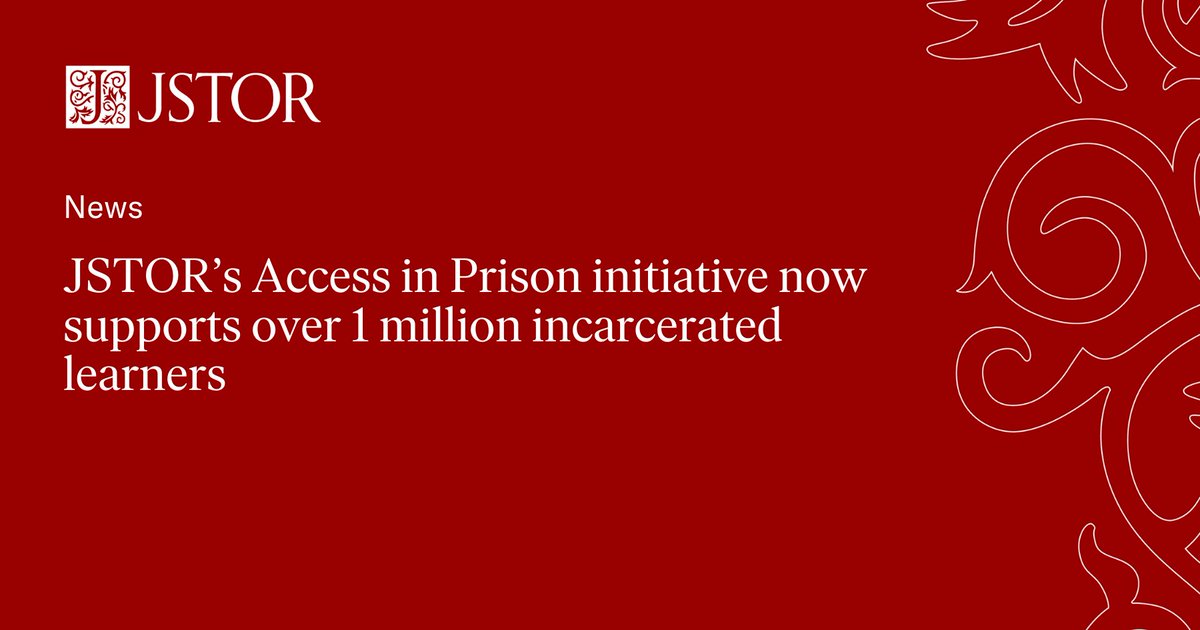
JSTOR Access in Prison has now reached over 1 million incarcerated learners!
Since 2007, we’ve worked to expand access to academic resources for students taking college courses while incarcerated.
Read more about this milestone from @EveryLibrary: https://t.co/JOSYG2omhU
JSTOR has compiled a list of 2025 funding opportunities to help libraries digitize, describe, & preserve their collections. These programs support a range of initiatives, incl. audiovisual preservation & community archives.
Explore the details here: https://t.co/734DJ7lQ16