@pembie000ind@Nacelle@AusGovGunFacts@scsupermoto Agreed. Printing the frame in halves isn't a great idea. That post was 6 years ago.
Deviating from the proper printing instructions is not recommended, especially for someone with little or zero experience in this field.
@4Jax_mane This suppressor was designed for the Fgc9 mk1, so when I heard that mk2 was coming, the project stalled. The design had some issues, though. The housing was a huge print that had to be printed on its side. So it would've been a tough or inaccessible print for many people.
@jamesstout@Jake_Hanrahan . . .When testing full-auto firearms indoors or in a more urban environment, we recommend using a full-auto capable suppressed bullet catch. These can be built easily with very simple components.
@jamesstout@Jake_Hanrahan . . .Homemade metal suppressors that are capable of withstanding full-auto fire tend to be more complex to manufacture, sometimes requiring many parts and/or more expensive equipment to complete. . .
More testing of the 3D printed bolt action AR15 (300 Blackout ammunition). This time the upper receiver lugs were reinforced with fiberglass. Unfortunately the rear receiver lug snapped after 20 shots.
3D printed bolt action AR15 testing (300 Blackout ammunition). The handguard cracked on a bad layer line after 10 shots, and both front and back upper receiver lugs failed after 15 shots.
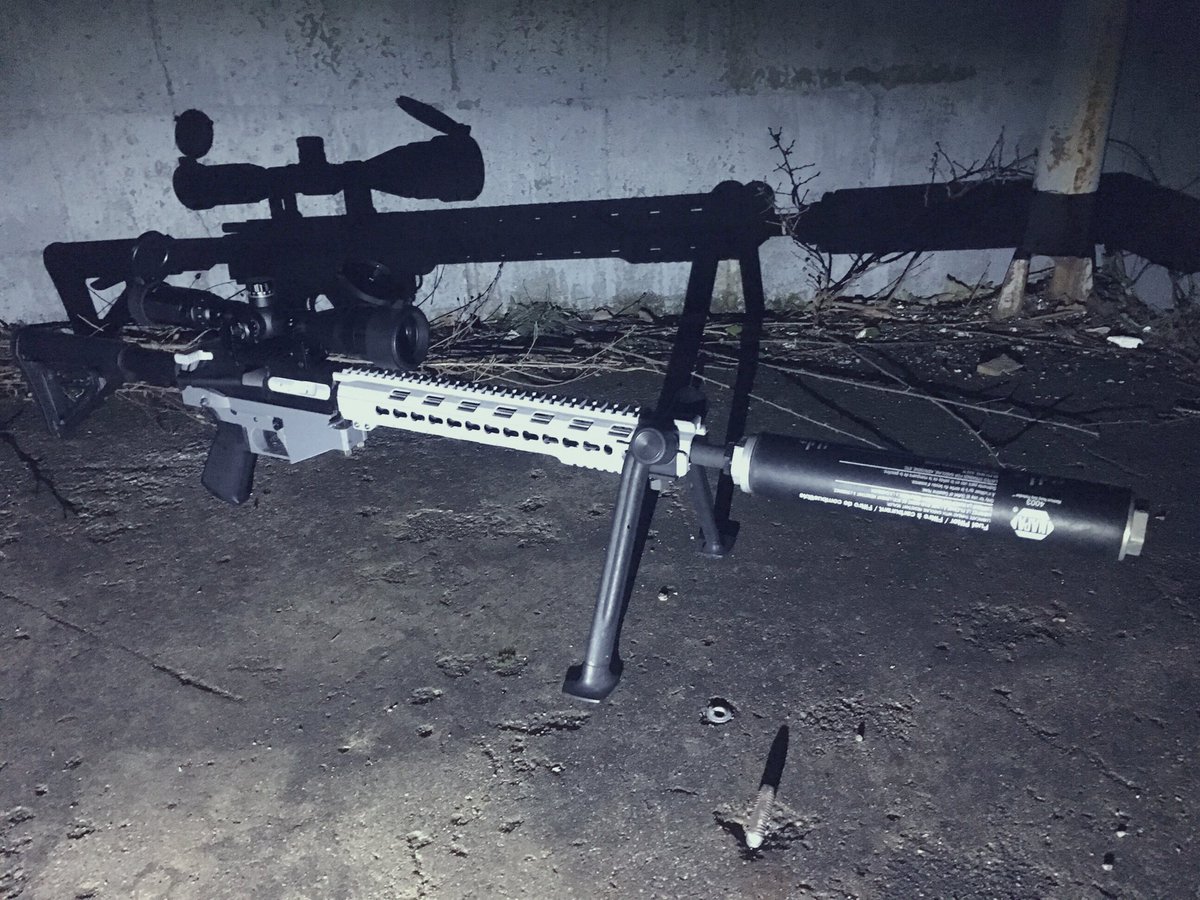
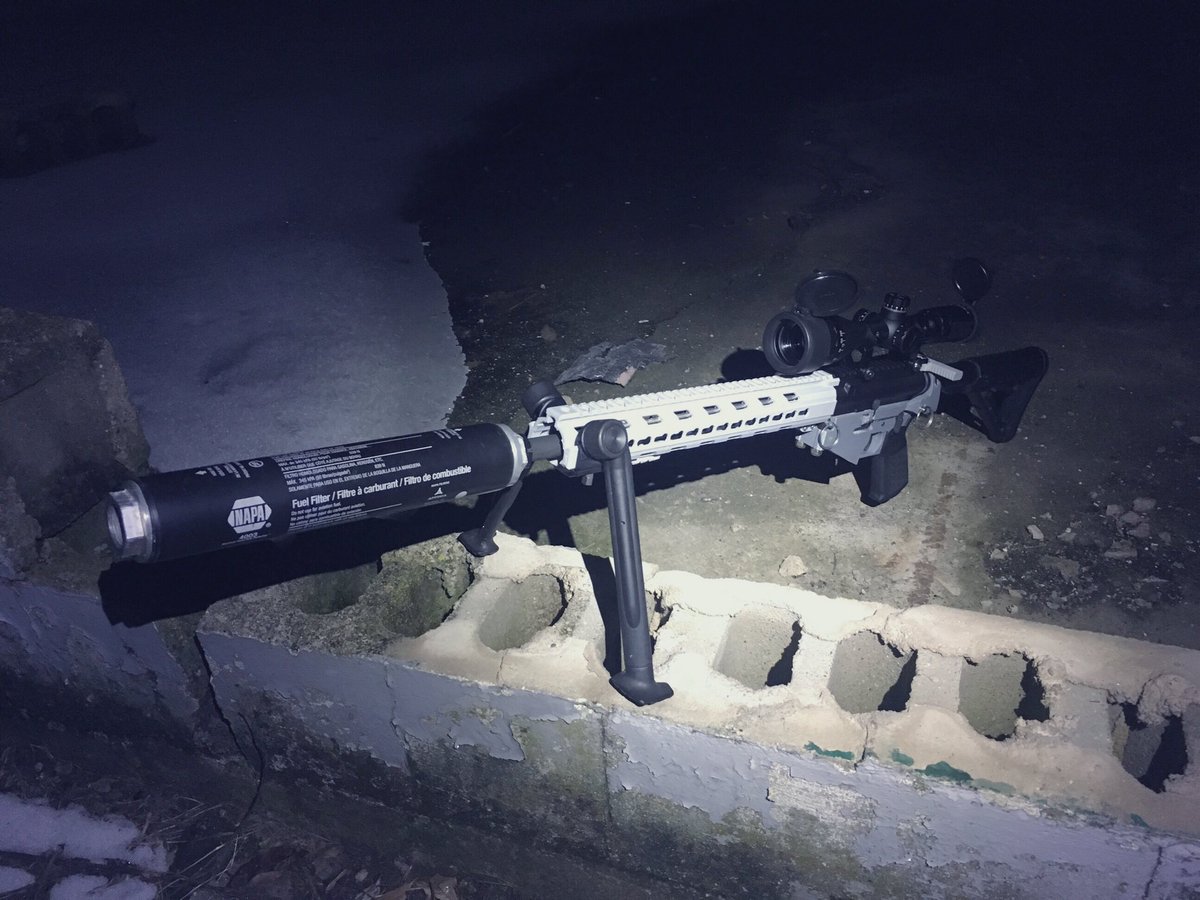
@psychovoidwatch This rifle uses the UBAR 3D printed AR15 lower receiver and a prototype bolt action upper receiver. The 3D printed parts were made with a CR-10.