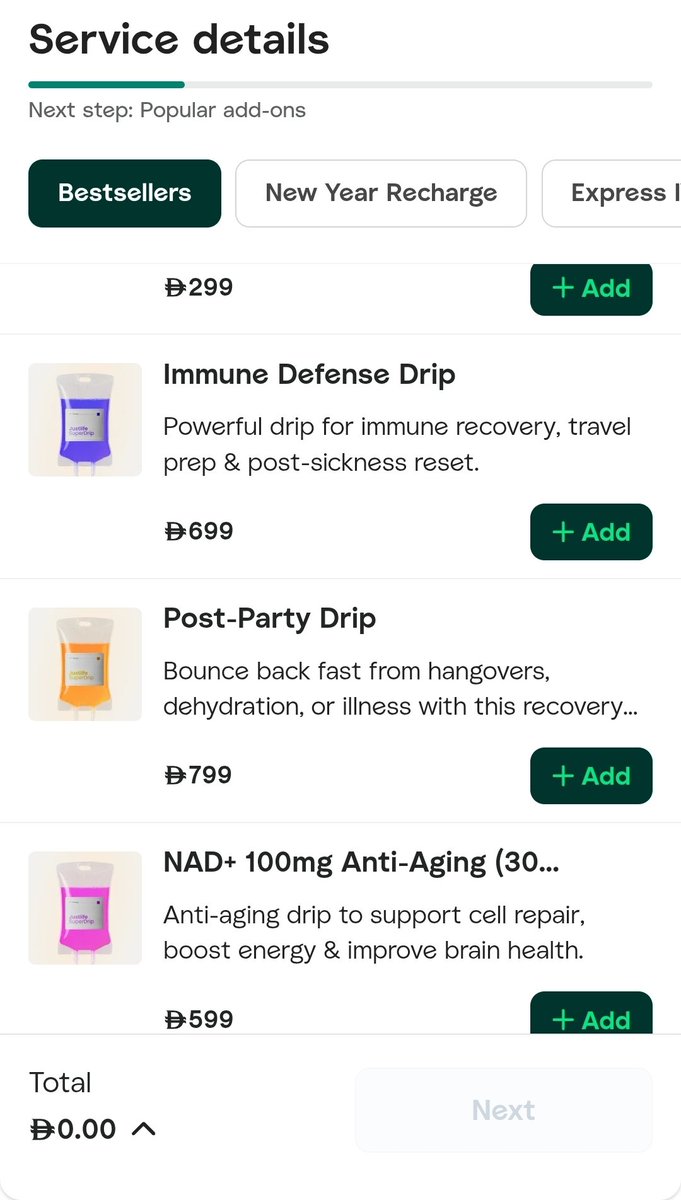
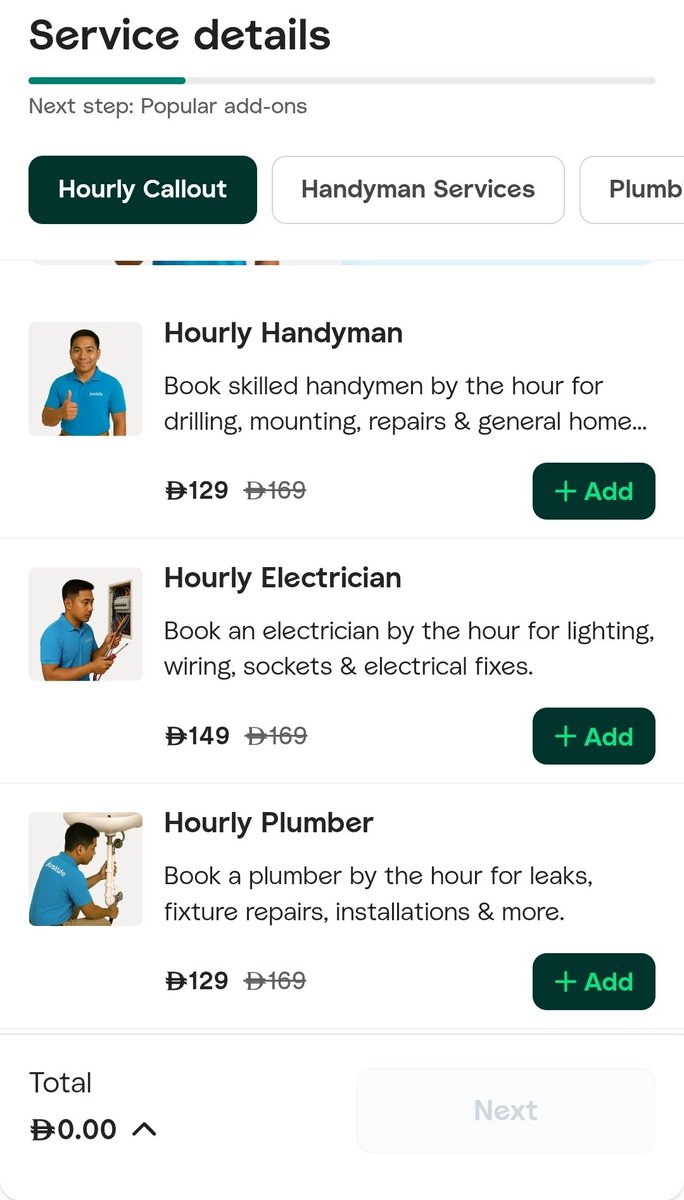
One of the biggest bottlenecks when working with AI isn’t the model, it’s vocabulary. If you don’t know the name of a UI pattern, it’s much harder to describe what you want. This is a really useful idea.
we scraped every ad sf startups are running on meta right now
1/ only 4% of startups run paid ads. among yc companies: 1.6%
2/ 73% of ads are ugc
6/ 53% of ads are ai-generated
3/ 78% are video — converts 32% better than static
4/ advertisers are either consumer or enterprise. no middle. the math: ~$20 per customer in consumer, ~$800 in enterprise
5/ the exception: bootstrapped startups selling $100–200 subscriptions run huge volumes of ads. they made the middle work
link to the list of best ads in the first comment
THE ULTIMATE GUIDE TO OPENCLAW (1hr free masterclass)
1. fix memory so it compounds
add MEMORY.md + daily logs. instruct it to promote important learnings into MEMORY.md because this is what makes it improve over time
2. set up personalization early
identity.md, user.md, soul.md. write these properly or everything feels generic. this is what makes it sound like you and understand your world
3. structure your workspace properly
most setups break because the foundation is messy. folders, files, and roles need to be clean or everything downstream degrades
4. create a troubleshooting baseline
make a separate claude/chatgpt project just for openclaw. download the openclaw docs (context7) and load them in. when things break, it checks docs instead of guessing
this alone fixes most issues!!
5. configure models and fallbacks
set primary model to GPT 5.4 and add fallbacks across providers. this is what keeps tasks running instead of failing mid-way
6. turn repeat work into skills
install summarize skill early. anything you do 2–3 times → turn into a skill. this is how it starts executing real workflows
7. connect tools with clear rules
add browser + search (brave api). use managed browser for automation. use chrome relay only when login is neededthis avoids flaky behavior
8. use heartbeat to keep it alive
add rules to check memory + cron healthif jobs are stale, force-run themthis prevents silent failures
9. use cron to schedule real work
set daily and weekly tasksreports, follow-ups, content workflowsthis is where it starts acting without you
10. lock down security properly
move secrets to a separate env file outside workspace. set strict permissions (folder 700, file 600). use allowlists for telegram access. don’t expose your gateway publicly
11. understand what openclaw actually is
it’s a system that remembers, acts, and improves. basically, closer to an employee than a tool
this ep of @startupideaspod is now out w/ @moritzkremb
it's literally a full 1hr free course to take you from from “i installed openclaw”to “this thing is actually working for me”
most people are one step away from openclaw working
they installed it, they tried it and it didn’t click
this ep will make it click
all free, no advertisers, i just want to see you build your ideas with ideas with this ultimate guide to openclaw
watch
I met the guy behind Paperclip. he won't show his face, but he just built one of the FASTEST growing open-source projects in AI.
how to use Paperclip to hire AI agents to ACTUALLY run a startup with 0 employees:
1. with paperclip, you hire a team of AI agents like CEO, engineer, QA, video editor, content strategist and manage them from one dashboard.
it works with Claude Code, Codex, OpenCode, or any model on OpenRouter. you're not locked into one provider.
2. your AI agents wake up capable but with zero memory. they don't know who they are, where they are, or what they're supposed to be doing. kinda like that movie memento from back in the day
you need to leave them Polaroids like heartbeat checklists, persona prompts, written context. that's how you keep them on track.
3. when an agent makes a mistake, you don't rewrite everything. you add one rule to their persona prompt.
"always define a success condition for every task."
"always pass work to QA before closing." you're training them like you'd train a junior hire. one correction at a time.
4. skills extend what your agents can do. want a video editor who can produce animated content? install the Remotion skill. want security reviews? there's a skill for that.
5. the biggest lever for quality is encoding your own taste. AI can do everything except know your values. design sensibility, brand voice, success criteria but you have to write it down.
6. don't one-shot your startup. agentic design patterns matter. the simplest one: after the engineer builds something, QA reviews it. structure prevents compounding errors. one-shotting an entire app is fun for 30 minutes, then it falls apart.
7. Paperclip tracks every token spent and every task completed. you can use your existing subscriptions (Claude, Codex) so spend shows as $0, or hook into API credits for real dollar tracking.
8. importable companies are coming. Gary Tan's G-Stack, a full game studio, 300+ agent repos... you can "acqui-hire" a proven agent team into your Paperclip instance instead of building from scratch. the future is downloading a tested org that actually works.
9. routines let you automate recurring work. "every day at 10am, read what was merged into the main branch and write a Discord update celebrating community contributors." it runs, you review, you improve. every task is traceable.
10. maximizer mode is next. you tell the CEO "build this game" and it does whatever it takes and hires who it needs, keeps pressing until it's done. no token anxiety. just outcomes.
use @ideabrowser for startup ideas/trends to get started
thank you for @dotta for doing this podcast and breaking down exactly how people can hire ai agent teams with paperclip
you won't find an episode like this anywhere else
episode is live on @startupideaspod on your fav platforms (follow for more)
is this not the greatest time in history to be building?
im rooting for you
now go watch my frien
We made a tool that lets you absorb the vibe of anything you point it at and apply it to your designs
It's absurd and it just works
Style Dropper, now available in @variantui
If you want to try before you buy, I’m hosting a Lightning Lesson on Maven next Wednesday, showcasing the very process and tools I teach in the course!
Sign-up to attend here: https://t.co/bbSwNuVYr5
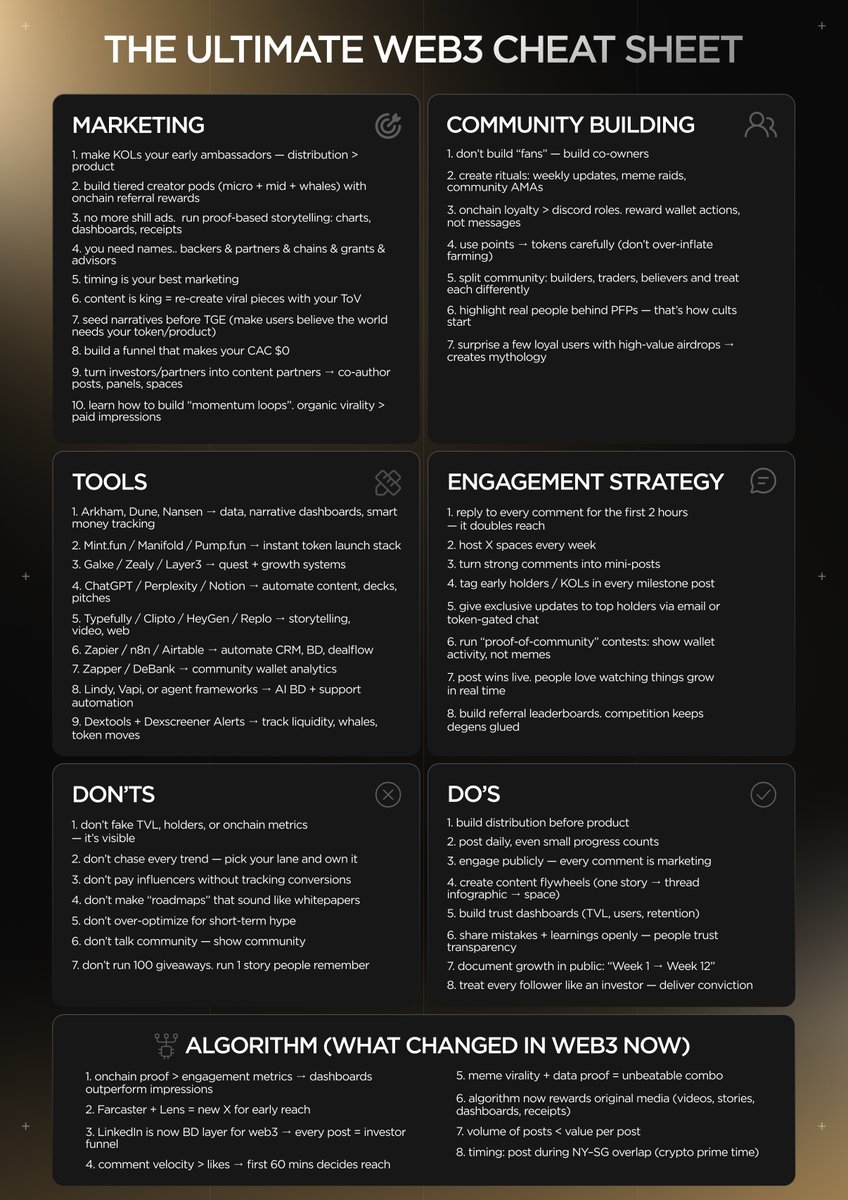
"Vlad, how do i win web3 in 2025/2026?"
- OK. Study this ultimate web3 cheat sheet.
Listen, i can bet no one of you is doing 100% of this.
And that's why you're losing.
Not cool.
So i decided to make this web3 cheat sheet (web3 growth MBA)
Highlighted the GOLD out of 50+ launches i did in web3:
- Marketing
- Community
- Tools
- Engagement starts
- DO's / DON'Ts
- Algorithm (what changed)
Especially loved # 8: "build a funnel that makes your CAC $0"
That's how you scale enormously fast, as the marketing budget isn't a limit anymore
What happens after you implement this list?
You feel like:
- a16z just announced they invested in your project
- CZ started shilling you
- Token2049 gives you a free both lol
... & many more perks.
Steal it right now. I'm rooting for you.
What point you loved the most?