$HYPE is too strong compare to others coins,
You can get 40% gain with in 2 months only with holding HYPE compare others coins include $BTC, $BNB, $SOL too strong
And there is no sign for reversal (down), what a performance from hyperliquid
I spent the last few months writing a 4000 word thesis on "crypto neobanks" - looking at neobank history, market landscape, revenue models, and gaps for builders.
Here's a TLDR:
- The first wave of fintech neobanks (SoFi, Chime, Revolut, Wise) happened in the mobile era. They replaced the frontend of banking from a physical branch to a mobile app. Crypto neobanks are replacing the backend of banking - from traditional rails to permissionless ones.
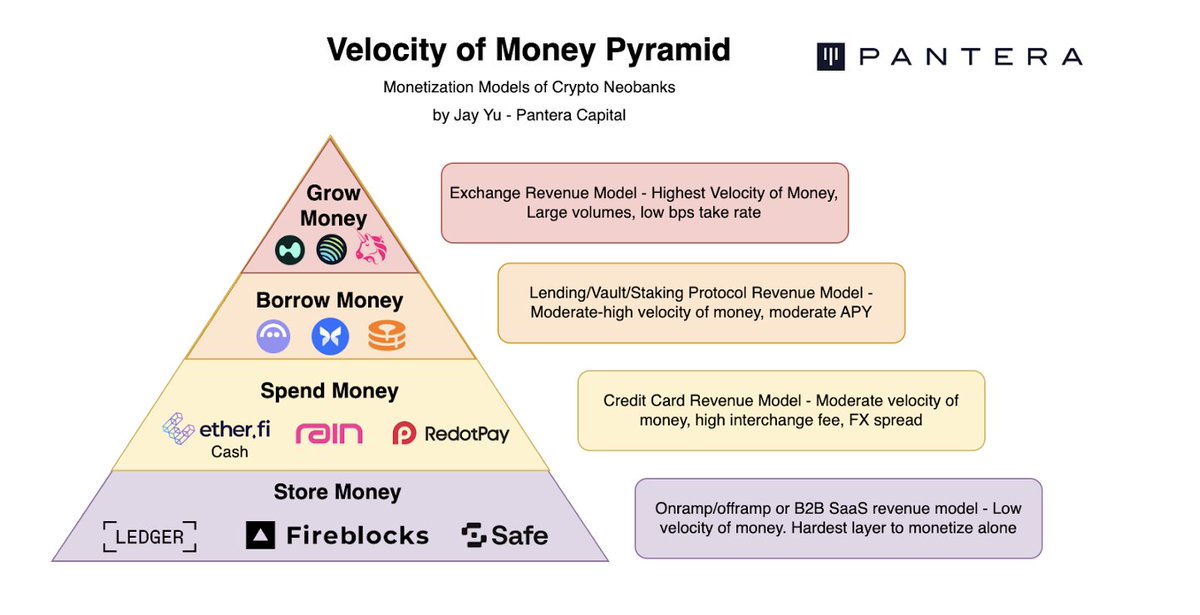
- Crypto neobanks - like their fintech predecessors - address 4 fundamental interactions with money: Store, Spend, Grow, and Borrow. Incumbents at every layer (Phantom/EtherFi/Binance/Morpho) are racing to consolidate these features into a single "superapp" experience to increase user stickiness.
- The core goal of a crypto neobank is to make money move around faster, using blockchain rails. Some verticals accelerate money more than others, and each has a different monetization model. There's a velocity of money pyramid: Grow > Borrow > Spend > Store.
- Opportunities for builders:
(1) Privacy and compliance parity with existing banks/fintechs
(2) Real world composability (merchant systems, SWIFT, local rails like ACH/Pix)
(3) Leveraging permissionlessness nature of blockchain rails to speed up how money is transferred in the economy, for rich, poor, human, and AIs,
(4) Localization vs. globalization - crypto neobanks can pursue both paths, either with a local-first (Nubank style) model or a global-first model. The former wins through local trust and distribution, the latter through scale and composability.
(5) Undercollateralized lending and consumer credit - this is perhaps the “holy grail” of crypto neobanks, combining compliance/KYC, bridging offchain credit records with onchain ones, and navigating regional differences.
The open-source Calendly alternative. Scheduling tool with self-hosted or hosted white label booking pages, team routing, and an API for your own domain. Free for personal use! https://t.co/vPfPxXjbLM @calcom
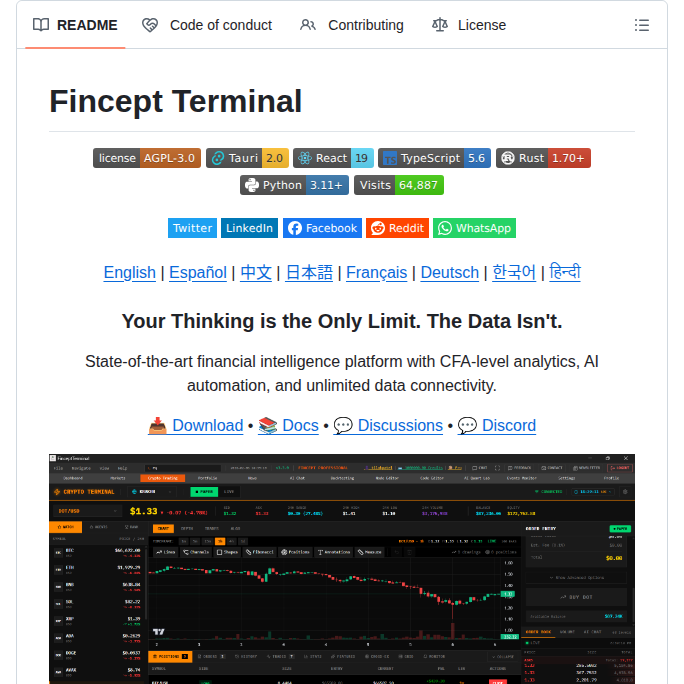
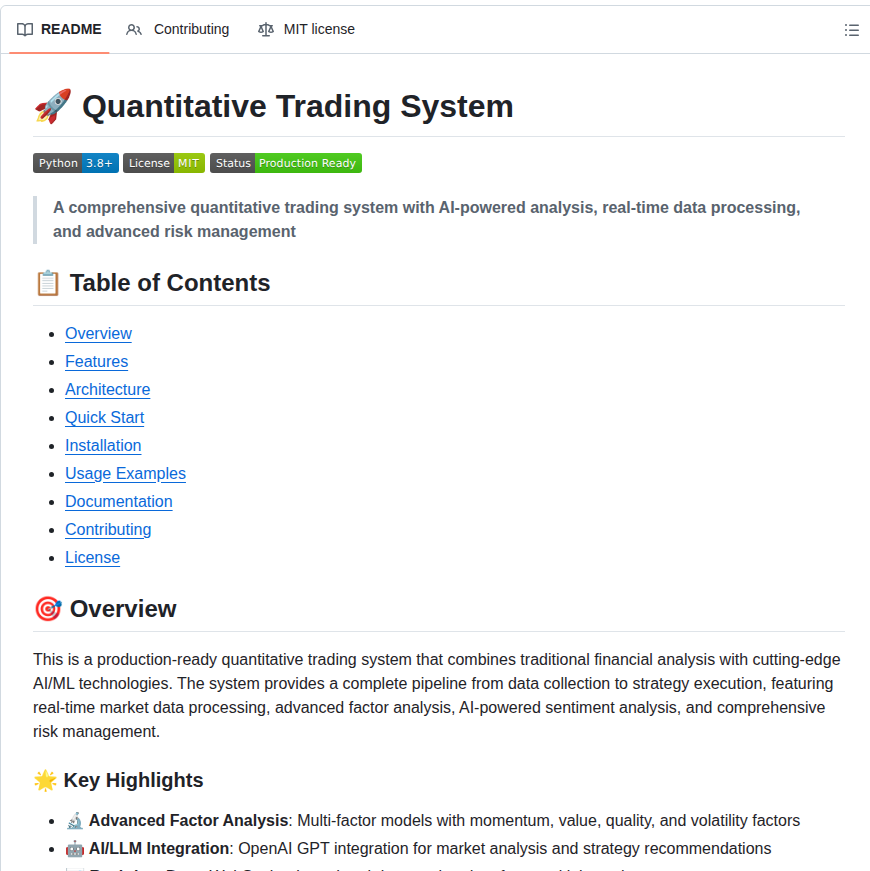
Some guy made a quant trading system that uses AI, real-time data processing, and risk management.
Then open sourced it for free in Python.
Here it is: