Did a simple chat application just to understand how unary, bidirectional and server streaming works. Paired with postgres. Very simple but informative https://t.co/qXVWTiuu8a
Rust is among the best languages I have used so far. the error handling with the rustc compiler constantly screaming if you make an error. 10/10 experience
I then refractored the whole system. Added Kafka and decoupled the whole system to use a choreography event driven system. In the future maybe I can add an orchestrator and jaeger for event tracking. I then created the aws native version of it. Onto the next but golang is awesome
This was the start of something really meaningful. I built the whole system first as a monolithic application utilizing coupled services with no event handling. All the services were all dependent on each other which made the application slow at a point
https://t.co/Fvv3HjSGCZ
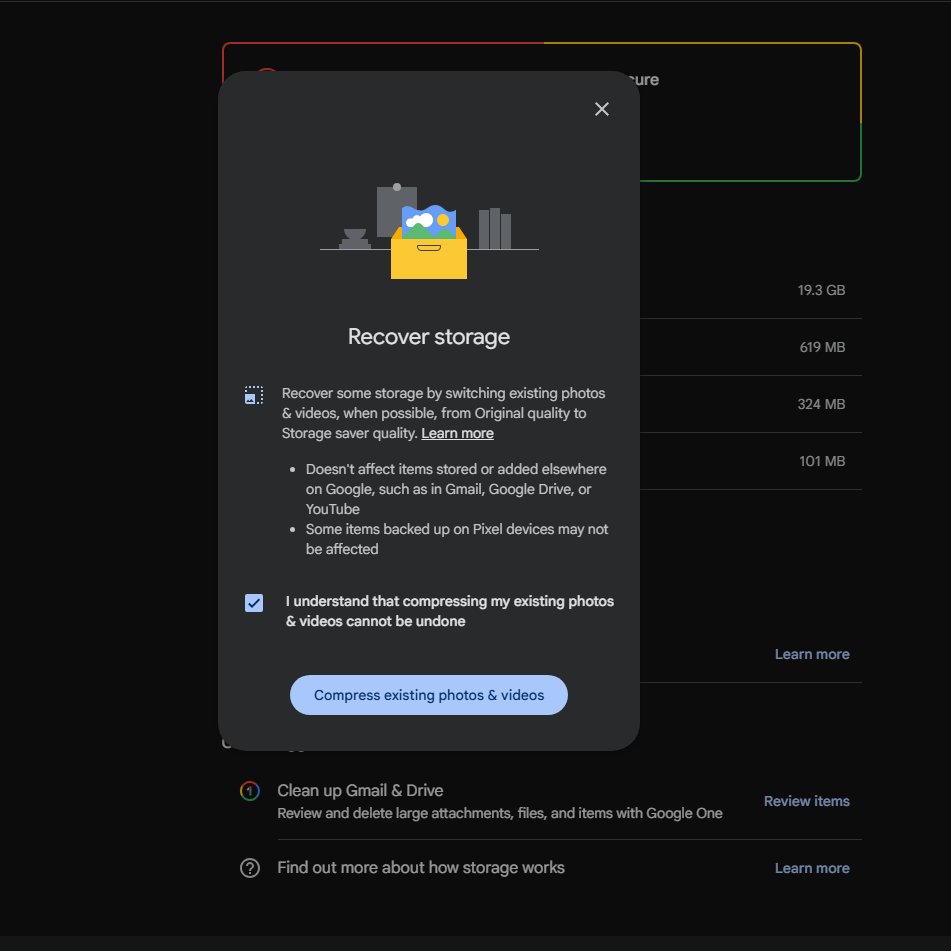
You can actually get more storage by compressing existing files. If you are on your pc click on storage then recover storage then compress existing photos and videos. This will free up space by almost 50%.
Once your Google tells you that storage is full, ianze kusema manage storage,
Mtu wangu, get an equity ATM card lipia storage because it doesn't matter what you delete ni hivo, get a storage, ulipie monthly ama annually.
Unless you delete your WhatsApp back up, google photos and anything and everything in that google account to get free storage.
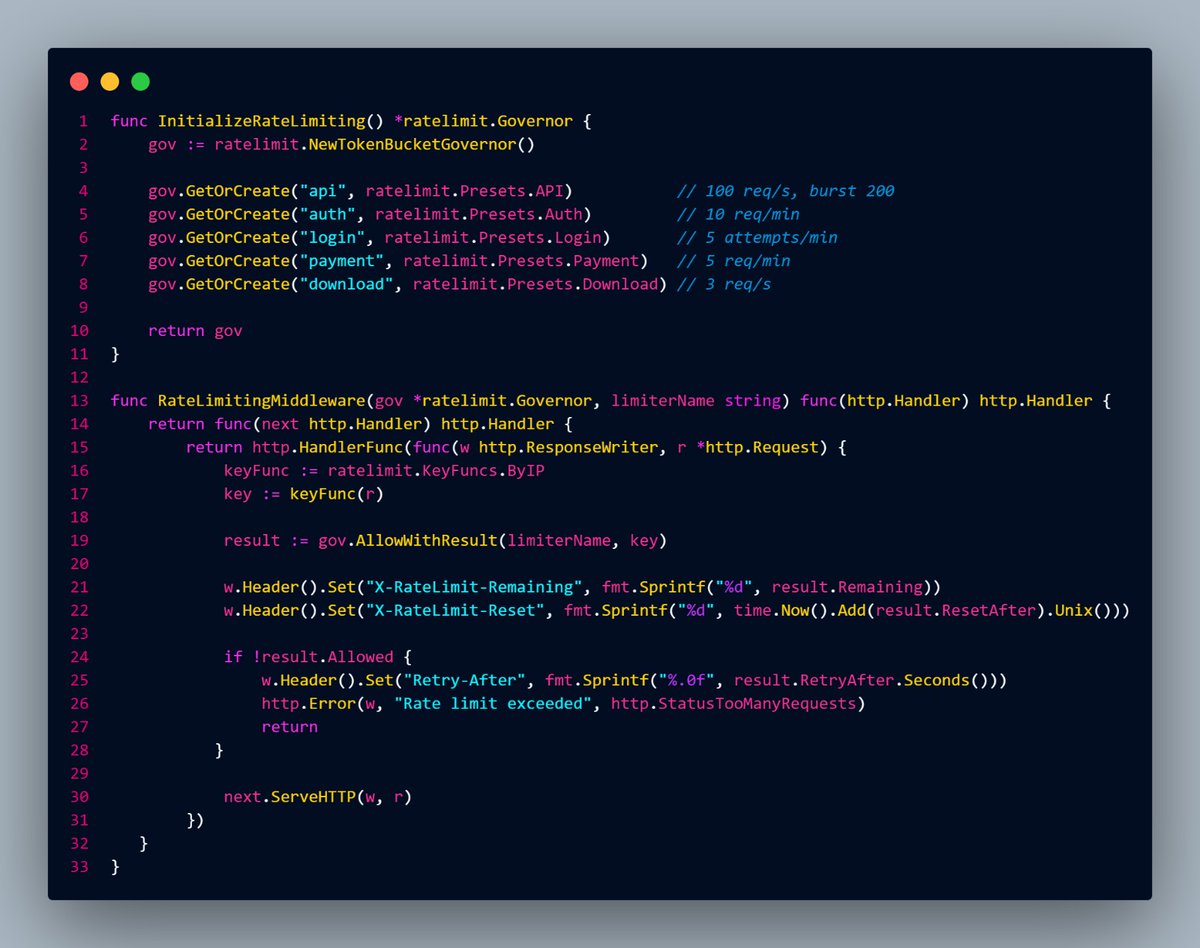
Your API just got hammered with 10,000 login attempts in 60 seconds
What's your next move?
Without rate limiting, you're one angry user (or bot) away from:
→ Crashed databases
→ Brute-forced passwords
→ Duplicate payment charges
→ Complete service outage
I just published a deep-dive on implementing rate limiting in Go using the Token Bucket algorithm.
No libraries. No magic. Just production-ready code you can understand and customize.
Read the full article: https://t.co/9zlYcFLL8T
#Golang #BackendDevelopment #APISecurity #SoftwareEngineering #WebDevelopment
Building a Production-Ready Ticketing Platform with Go: A 3-Month Journey
What does it take to build a ticketing system that can handle thousands of concurrent bookings, process payments reliably, and provide real-time analytics? Three months ago, I decided to find out.
After three years of building various projects, I wanted to challenge myself with something comprehensive—not just another CRUD app, but a full-featured platform with production-grade infrastructure. I chose Go for its simplicity, performance, and rich ecosystem, and set out to build a complete event ticketing API from scratch.
What I've Built
Security & Authentication
-Two-factor authentication (2FA) for enhanced security
-Rate limiting to protect against API abuse
-Email verification system with SMTP notifications
-Secure password reset flows
Payment Processing
-IntaSend API integration for M-PESA and card payments
-Complete refund system with automated notifications
-Payment history tracking and reconciliation
Monitoring & Observability
-Prometheus metrics collection
-Grafana dashboards for business overview, performance monitoring, and ----payment tracking
-AlertManager for proactive issue detection
Features & Optimization
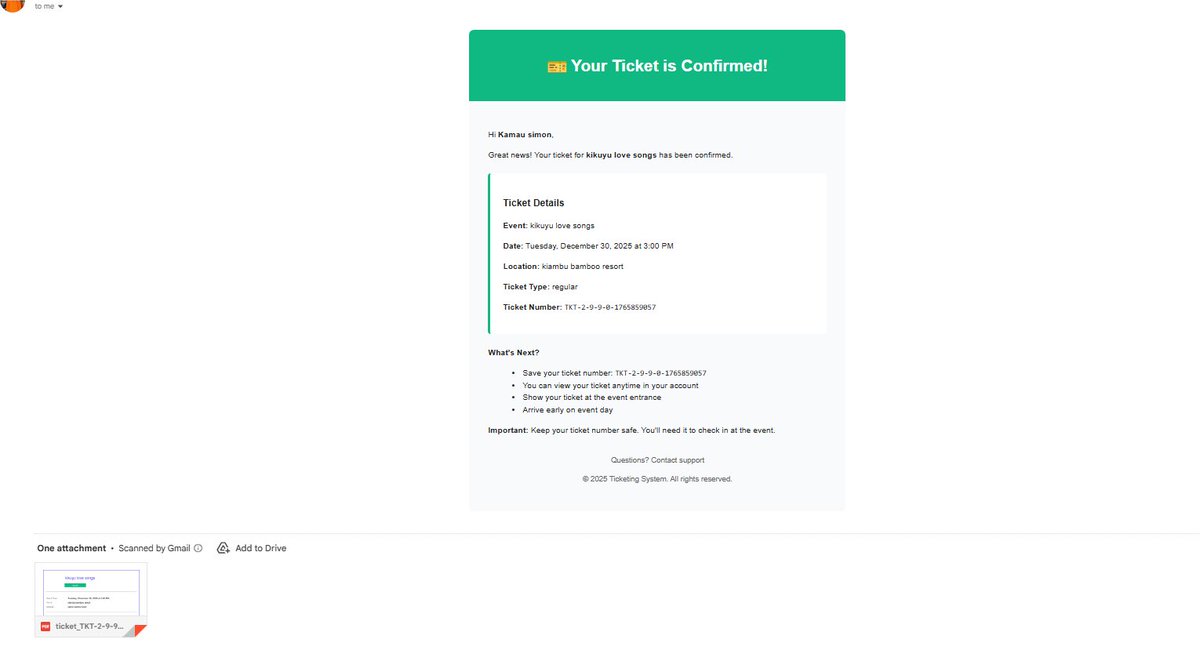
-PDF ticket generation with QR codes
-Database optimization: connection pooling and strategic indexing
-Multi-level analytics: event-level, organizer dashboards, and admin business intelligence
Key Technical Challenges
1. Database Connection Leaks
Early on, idle connections were piling up and degrading performance. Implementing proper connection pooling and timeout configurations reduced connection overhead by 60%.
2. Concurrent Payment Processing
Handling simultaneous bookings for popular events required careful transaction management and optimistic locking to prevent overselling.
3. Real-Time Metrics
Building meaningful Grafana dashboards meant understanding what metrics actually matter—not just collecting everything, but surfacing actionable insights.
What's Next
I'm actively working on scaling capabilities:
Redis for distributed rate limiting and caching
AWS S3 for scalable file storage (images, PDFs)
ElasticSearch for advanced search functionality
Following the Journey
I'll be documenting everything along the way: the problems I've encountered, the lessons learned, implementation deep-dives, and how I resolved each challenge. Whether you're building with Go or just curious about production system design, follow along as I take this from prototype to production.
4 years of computer science degree and still you don't even able to solve a medium array or strings question or you don't even have a single project made 100% by you in your resume, then don't blame the job market- the problem is with you.
@KariukiKawira Honestly this is a very stupid notion, Kenya does not reward merit it rewards connections. Unaeza pata first class but if you don’t know anyone utatembea uchoke. We graduated na first class na upper tukatembea till tukapivot to tech. Know people