Award-winning international ensemble of multi-instrumentalists & singers exploring links between early, folk & world music. Particularly fond of Shakespeare.
Put on your dancing shoes and join us at Birmingham @Bullring to learn some #Shakespeare moves with @Nonsuchdance this Saturday 11am-4pm as part of the #Folioontour Here’s a little taster…
🎶 Interactive performances and workshops this Saturday! Watch the amazing @KantuEnsemble perform on Henley St all morning and enjoy interactive performances and workshops in the afternoon in the garden of Shakespeare’s New Place. #HappyBirthdayShakespeare https://t.co/9ofPzg6Mv8
📣📣 GRANT ROUND 3 IS NOW OPEN! Please help spread the word!
NEW category for recently formed ensembles 🎉
Head to our website for more information: https://t.co/4EO1Em0Roz
#HistoricalPerformance#PeriodInstruments
Did you know that this piece was the first of its kind to be published? Before Juan Arañés published this 'chacona' as part of a collection of twelve secular pieces in 1624, no Spanish chacona for voices had ever appeared in print. This is an excerpt of 'Chancona a la Vida Bona'.
From @steeleye_span to @kingssingers, it's seen it all. Even though it’s now most popular in the English-speaking world, it actually comes from Sweden, and was first published in a collection of sacred songs in 1581. It is, of course, the firm favourite 'Gaudete'.
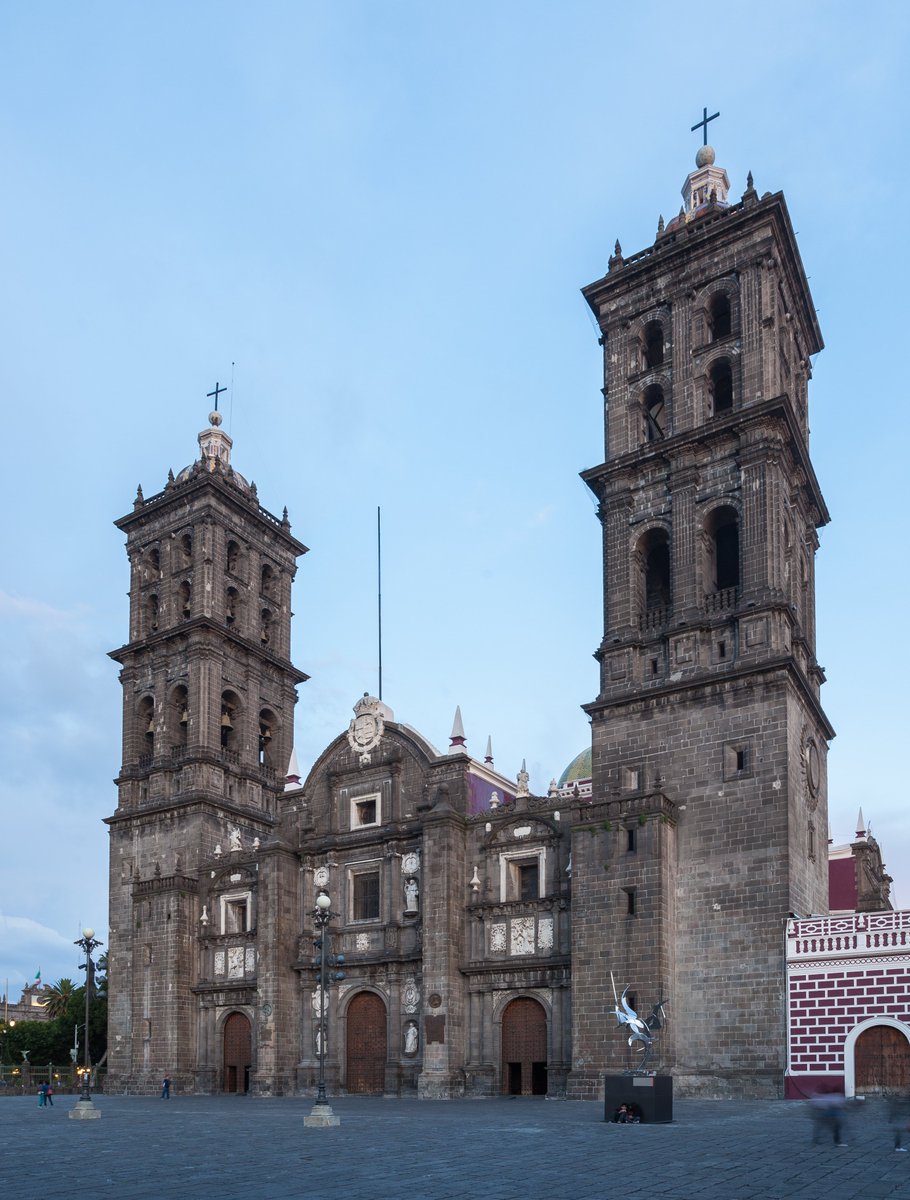
Remember this cathedral from earlier this week? Our composer today is Antonio de Salazar, who took up the post of 'maestro de capilla' at Puebla Cathedral forty years after Fernandes’ death. Salazar was one of the last composers of conservative Hispanic counterpoint.
What links this composer and this cathedral? Gaspar Fernandes was the maestro de capilla, or director of music, at Puebla Cathedral from 1609 until his death in 1629. During this time, he composed the earliest known Latin secular work by a New World composer: Elegit eum Dominus!
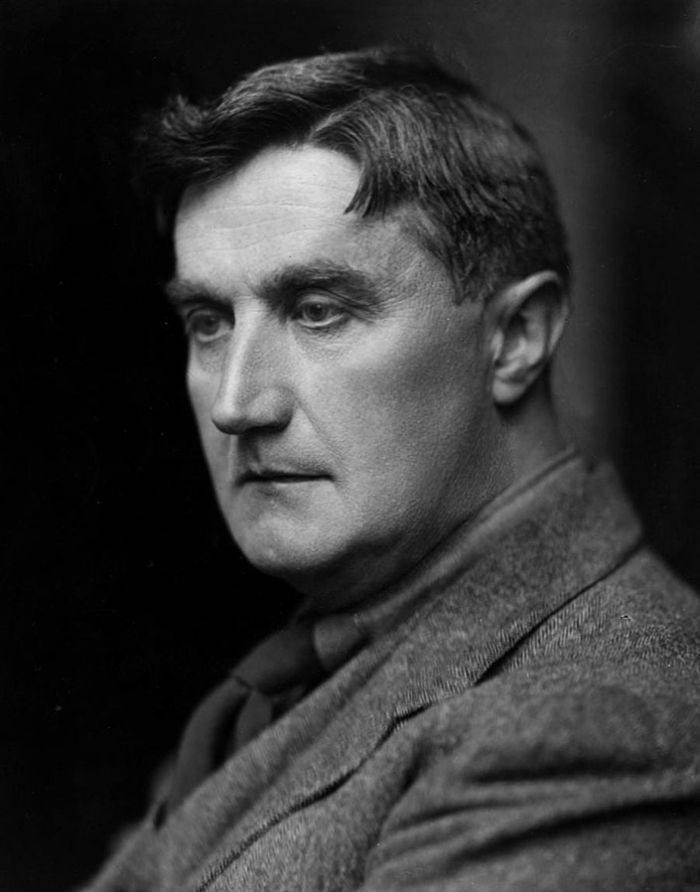
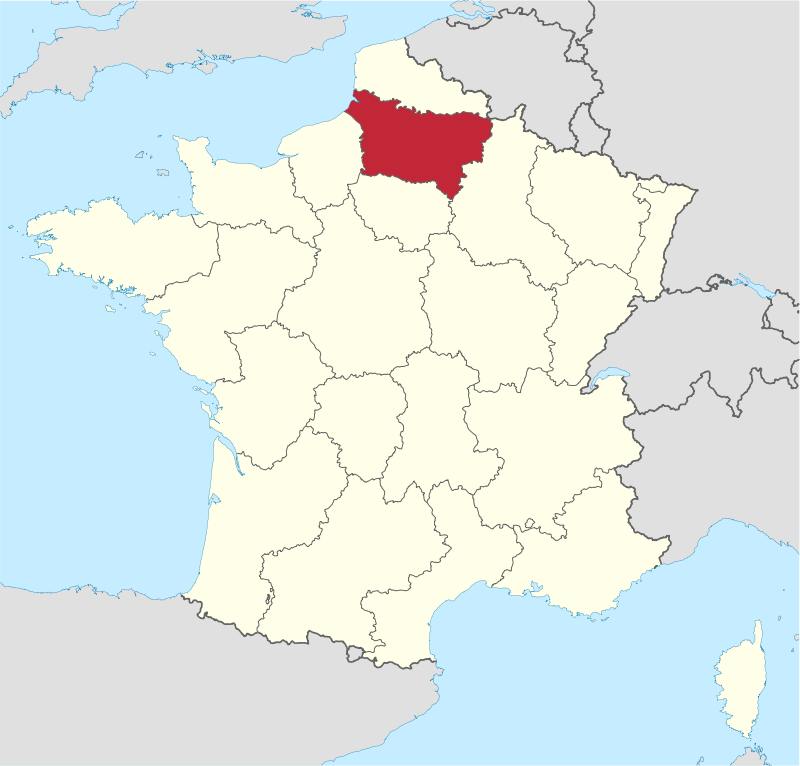
What could this composer and this area of France have in common? Ralph Vaughan Williams’ popular arrangement of the Christmas carol ‘Let All Mortal Flesh Keep Silence’ takes its melody from the French tune Picardy, which takes its name from the region it is believed to come from.
Name the composer! @JoFreya is a renowned folk musician, composer, and arranger who’s played with some thrilling acts throughout her career. In our Christmas programme, we’re playing her Bourée de Montford which has become a firm favourite.
Today we're looking at the Gloucester Wassail! In Middle English, a wassail is a toast ‘be in good health’ but can be a mulled wine which you drink to celebrate Christmas Eve. That said, if we’re going wassailing, it means we’ll be out carolling! Take from that what you will...
This composer was well-known for his salads! Mateo Flecha the Elder was a Catalan composer who, among other things, composed at the Valencian court of the Duke of Calabria. While he was there, he wrote several ensaladas (Spanish for salads) for the courtiers to pass the time.
We're travelling to C18th France for #ThrowbackThursday!
Which modern instrument is the musette is closely related to?🤔
Different to the Scottish musette, a type of bagpipe, the musette was a favourite of French Baroque composer Nicholas Chedeville 🇫🇷
Happy St Andrew's Day!🏴
Tobias Hume was a Scottish composer from the Renaissance period, although he is sometimes mistakenly referred to as an Englishman!
Very little is known about Hume's life, but publications of his music have survived and continue to be performed today🎵
This #ThrowbackThursday, meet the rackett, popular throughout the Renaissance & Baroque 🙌
Air travels through a very curly pipe inside the instrument, giving it a similar range to a bassoon despite its shorter length.
It was sometimes called a 'sausage bassoon', see why? 🌭