@Gimmy_83 مصر لو كانت عايزه تبيع الغزاويه كانت باعتها من زمان احنا كان معروض علينا يخلصونا من ديون مصر كلها مقابل نقل سكان غزه لسينا ورفضنا ال امريكا بتسمح بي ده علشان منشتريش من الصين ليس الا
العبوا غيرها
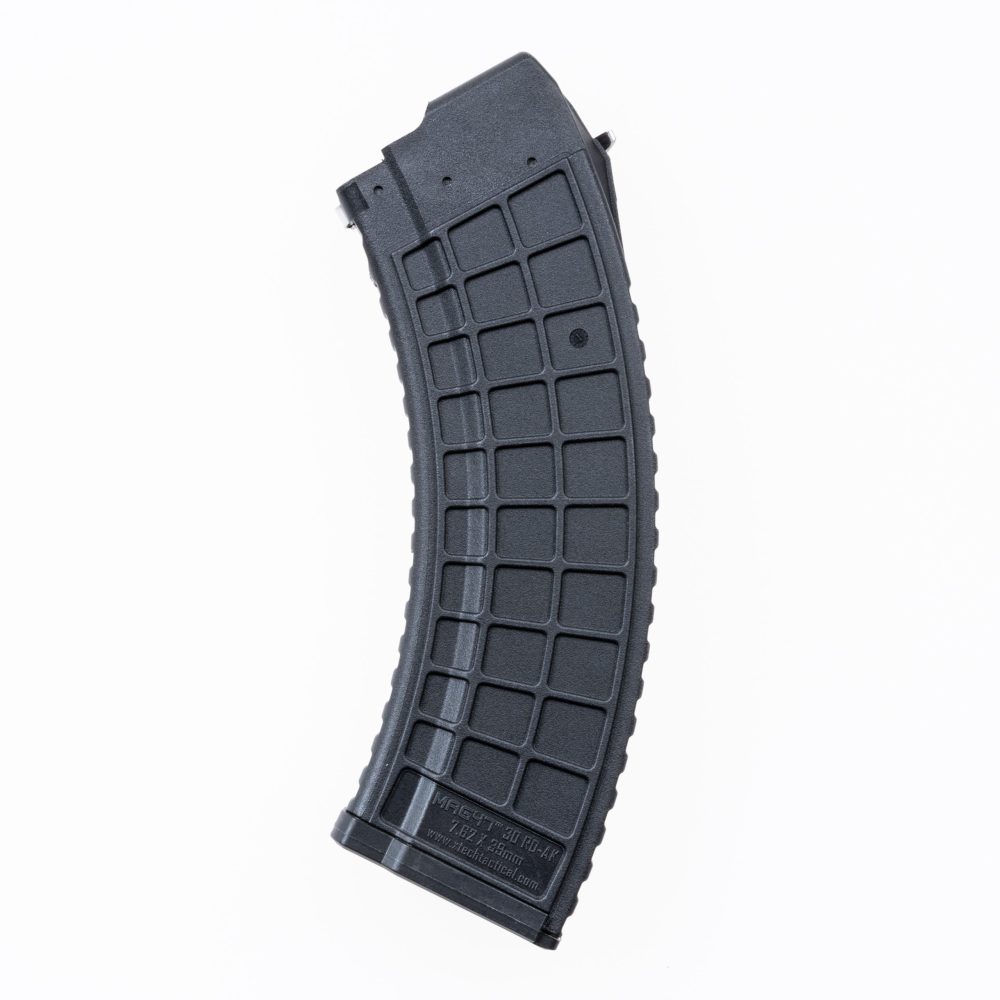
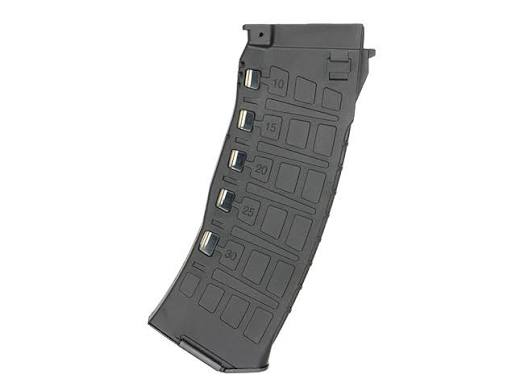
@SJohndee12@marwanafridi77 It's not about when it was manufactured the 7.62 mag got a curve to it for its higher caliber but the 5.45 mag has a smaller curve
@AbuYusuf1_@salahudeen33 It was reported as a hadith with multiple narrations (such as: “Divorce is the most hateful of permissible things to God Almighty”). Some scholars considered it weak, while others considered it authentic, but it is preferable to avoid it except in cases of necessity
A stadium official was caught on video admitting that ONLY EGYPTIAN fans were being SEARCHED and patted down before entering Atlanta’s Mercedes-Benz Stadium, while Argentinian fans were allowed in without checks.
This is RACIAL DISCRIMINATION, Egyptians were singled out for searches while others entered freely during Egypt’s World Cup match against Argentina.
@shady_only MAD
https://t.co/xVORZxb9oa
The only mad one who sees all that and says, "Argentina deserved the win"
I love Argentine football; Messi is the GOAT
butt the did not deserve the win
What many Kenyans are now noticing during the Africa Forward Summit is the contrast between professional presidential protection doctrine and the more politically performative VIP security culture often seen locally.
Egyptian President Abdel Fattah el-Sisi's security detail operating with highly structured military-style discipline has drawn attention. Some term it "overdoing."
Now, in Kenya, political VIP security, including that of the president, has at times evolved into crowd-control theatrics, convoy aggression, political chest-thumping,
and officers concentrating around the principal instead of the threat environment.
That is why in this video Egyptians' security detail protecting El sisi deploy an outward-facing formation.
layered ring of protection, surveillance, movement discipline, strict spacing, and continuous environmental scanning, and it appears “extreme” to the average Kenyan observer. Yet that is considered standard executive protection professionalism, especially for a head of state from a country with a long history of terrorism threats, assassination risks, and regional instability.
Egypt’s presidential protection system is heavily influenced by military doctrine, unlike Kenya, where VIP protection is more hybrid between police protocol, political optics, and public-order management. The Egyptian model is built on the assumption that any environment can rapidly become hostile. Actually El-Sisi is a former military officer and minister of defense.
What stands out with President Abdel Fattah el-Sisi’s security detail is the level of discipline as seen, layered protection, and constant situational awareness.
In countries like Kenya, where VIP protection becomes politicized & ceremonial, people get used to relaxed formations, overcrowding around principals as recently seen with President William Ruto, poor spacing, distracted officers, and excessive theatrics instead of actual protective doctrine.
The Egyptian display on “basic” close-protection behavior appears intense to the Kenyan audience accustomed to casual VIP handling. The officers are constantly facing outward instead of admiring the principal. Elite details prioritize threat detection over optics. The principal is not the center of attention for the officers; the environment is. That is why you see the highly trained teams continuously scan rooftops, windows, crowds, and movement patterns even during seemingly calm events like the Africa Forward Summit.
This is just an analysis! 🎥Credits.