Breast Cancer Warrior | Vascular Surg Acute Care NP |Lead Faculty |Translational Scientist | #Purdue Alum | #Indycar |Tweets my own |Consent obtained for images
This week’s #VAM26 Visual VAM features a session on the impact of ERAS protocol adherence on outcomes after elective open abdominal aortic aneurysm repair and core items identification.
🔗 Register today: https://t.co/3nEG2cLyji #VascSurg
We're not stopping with the Bears. We're heading to Cincinnati tomorrow to see how the Batesville Bengals sounds to them. We are Indiana. We are a football state. We are unstoppable.
🧬 Not All “Aortitis” Is Inflammatory
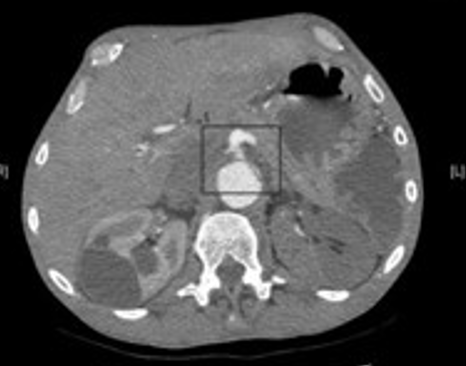
An 89-year-old with presumed aortitis underwent EVAR for rupture risk but progressive symptoms led to be revealing primary RP aortic sarcoma.
👉 https://t.co/V0yK9wuc5L
#AortaEd#Aortitis#Sarcoma#RareTumor
🧠@DukeAortic Case of the Week
Which underlying pathologic process best explains this angiographic finding?
Watch the visceral vessels carefully
🔍 Case follow-up — “Floating viscera” sign
This angiographic finding is called the "Floating Viscera" sign, indicative of dynamic visceral malperfusion.
The superior mesenteric and celiac artery opacify, but there is no visible continuity with the aorta.
Why? In aortic dissection, the true lumen can be completely compressed by the false lumen, leaving the visceral vessels appearing isolated—or "floating"—on angiography.
Recognizing this sign in aortic dissection is critical, as visceral malperfusion carries substantial mortality (34.3%).
#aortaed #AorticSurgery
Curious to hear how we treat aortic dissection with malperfusion? Follow our next post.
@DukeCTSurgery@DukeHeartCenter@DukeSurgery@DukeHealth