On Memorial Day, our captain Ben O’Brien laid a wreath on behalf of The Royal Newfoundland Regiment Memorial High School Hockey Tournament. As captain of the winning boys team in 2025, He represented all of the teams competing in the prestigious tournament.
On this day in 1982, the Ocean Ranger drilling platform sank off the coast of Newfoundland.
On Feb. 14, 1982, a rogue wave from a storm hit the drilling platform, causing damage and the loss of a life raft.
The platform crew reported a broken porthole window and water in the ballast control room.
Waves hitting the platform were as high as 20 metres.
At 12:52 a.m. on Feb. 15, a Mayday call went out from Ocean Ranger stating there was a severe list to the port side.
Various ships began to move to the area, as did Canadian Forces helicopters.
At 1:30 a.m., the last message from the platform was broadcast:
"There will be no further radio communications from Ocean Ranger. We are going to lifeboat stations."
The crew then abandoned the platform.
The drilling platform remained afloat for 90 minutes before it sank.
By the next morning, only a few buoys were left on the water.
The entire compliment of 84 crew were killed. Over the next week, 22 bodies were recovered from the Atlantic. Autopsies found they died from hypothermia and drowning.
In August 1983, the wreck of the Ocean Ranger was refloated and sunk in deeper waters.
If you enjoy my Canadian history content, you can support my work with a donation at https://t.co/u12Dmz7XUX
****
Ce jour-là en 1982, la plateforme de forage Ocean Ranger a coulé au large de Terre-Neuve.
Le 14 février 1982, une vague scélérate provenant d'une tempête a frappé la plate-forme de forage, causant des dommages et la perte d'un radeau de sauvetage.
L'équipage de la plateforme a signalé un hublot cassé et de l'eau dans la salle de contrôle du ballast.
Les vagues frappant la plate-forme atteignaient 20 mètres de hauteur.
À 00 h 52 le 15 février, un appel Mayday a été émis par l'Ocean Ranger indiquant qu'il y avait une forte gîte à bâbord.
Divers navires ont commencé à se déplacer vers la région, tout comme les hélicoptères des Forces canadiennes.
A 1h30 du matin, le dernier message de la plateforme est diffusé :
"Il n'y aura plus de communications radio de la part de l'Ocean Ranger. Nous nous dirigeons vers les stations de sauvetage."
L'équipage a alors abandonné la plateforme.
La plateforme de forage est restée à flot pendant 90 minutes avant de couler.
Le lendemain matin, il ne restait plus que quelques bouées sur l’eau.
L'ensemble des 84 membres d'équipage ont été tués. Au cours de la semaine suivante, 22 corps ont été retrouvés dans l'Atlantique. Les autopsies ont révélé qu'ils étaient morts d'hypothermie et de noyade.
En août 1983, l’épave de l’Ocean Ranger est renflouée et coulée dans des eaux plus profondes.
Si vous appréciez mon contenu sur l'histoire canadienne, vous pouvez soutenir mon travail avec un don à https://t.co/u12Dmz7XUX
First open house of the new Avalon Canoe Kayak Club is this Saturday! Please spread the word and share with any teens that may be interested in trying a new sport!
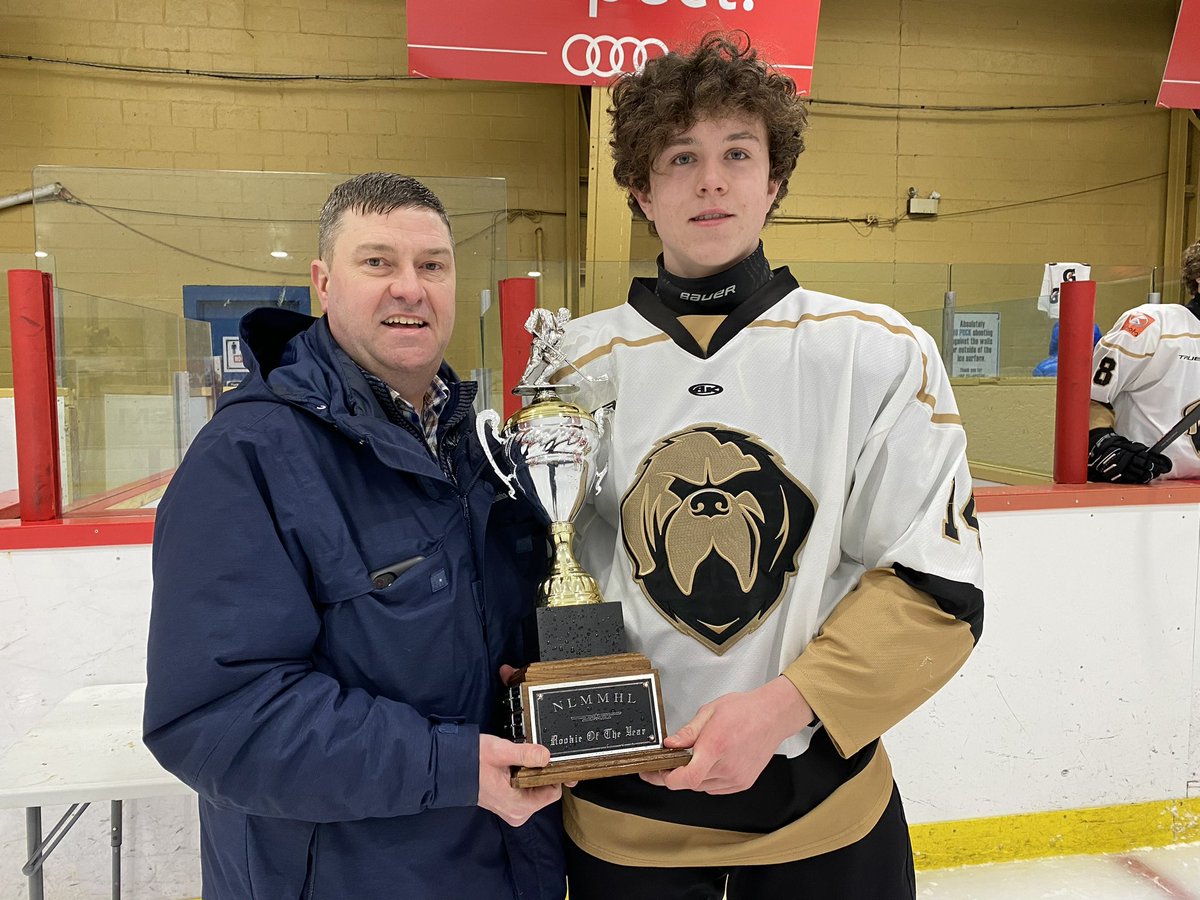
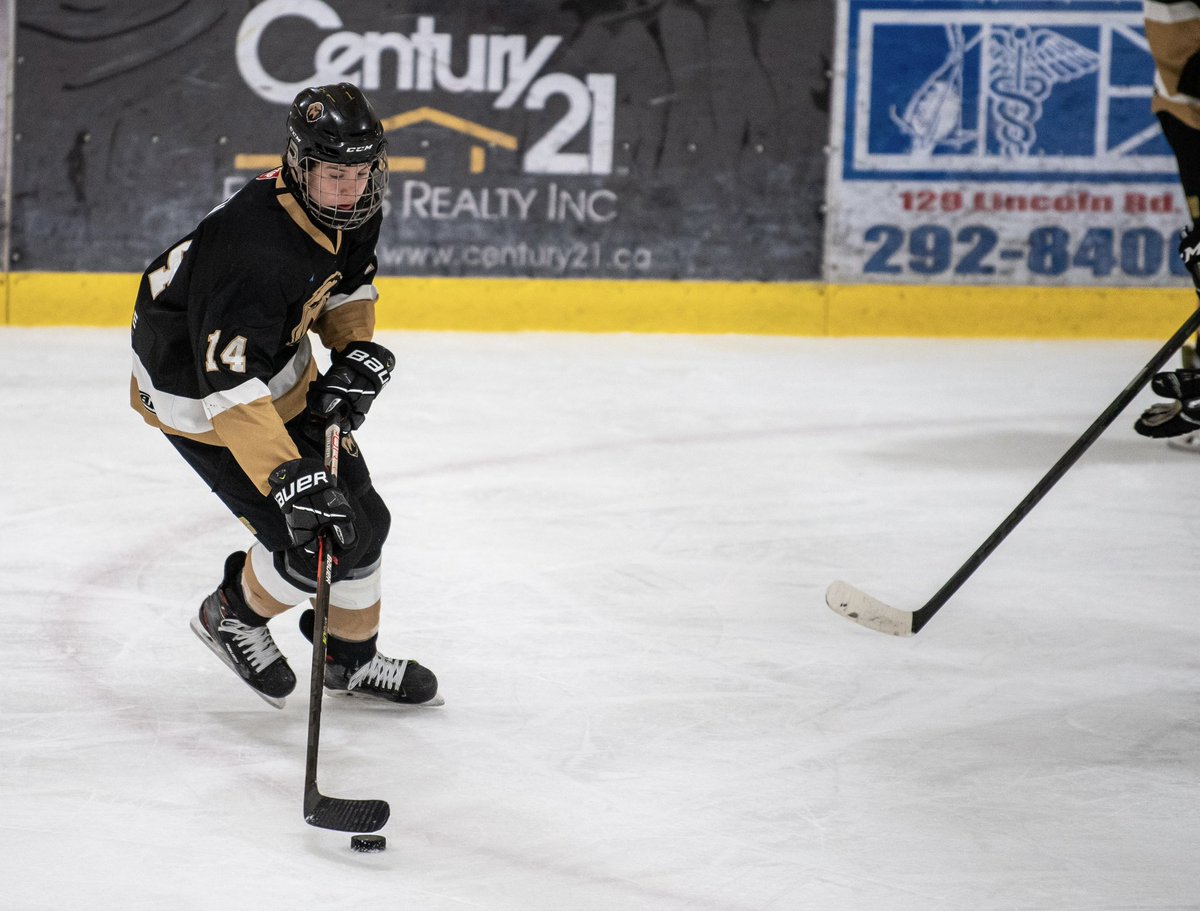
This year's award for Rookie of the Year goes to Ben O'Brien of the @AAAGrowlers Ben lead all rookies with 13 goals and 10 assists in 28 games. Congrats Ben!! On hand to present the award is VP Austin Kenny
Top 5 Rookie Point Leaders as of Jan. 19, 2023
B. O'Brien 27GP 23Pts
N. Boland 31GP 22pts
C. Blake 25GP 19pts
D. Kennedy 28GP 19pts
E. Wright 31GP 16pts
https://t.co/Hcsvj4rC06
Mobile app states 'weather' reason. Why then @AirCanada did your phone agent hang up on me while I pressed for a bit more detail? Weather was fine in #YHZ and #YYT#NLWx#APPR@AirPassRightsCA