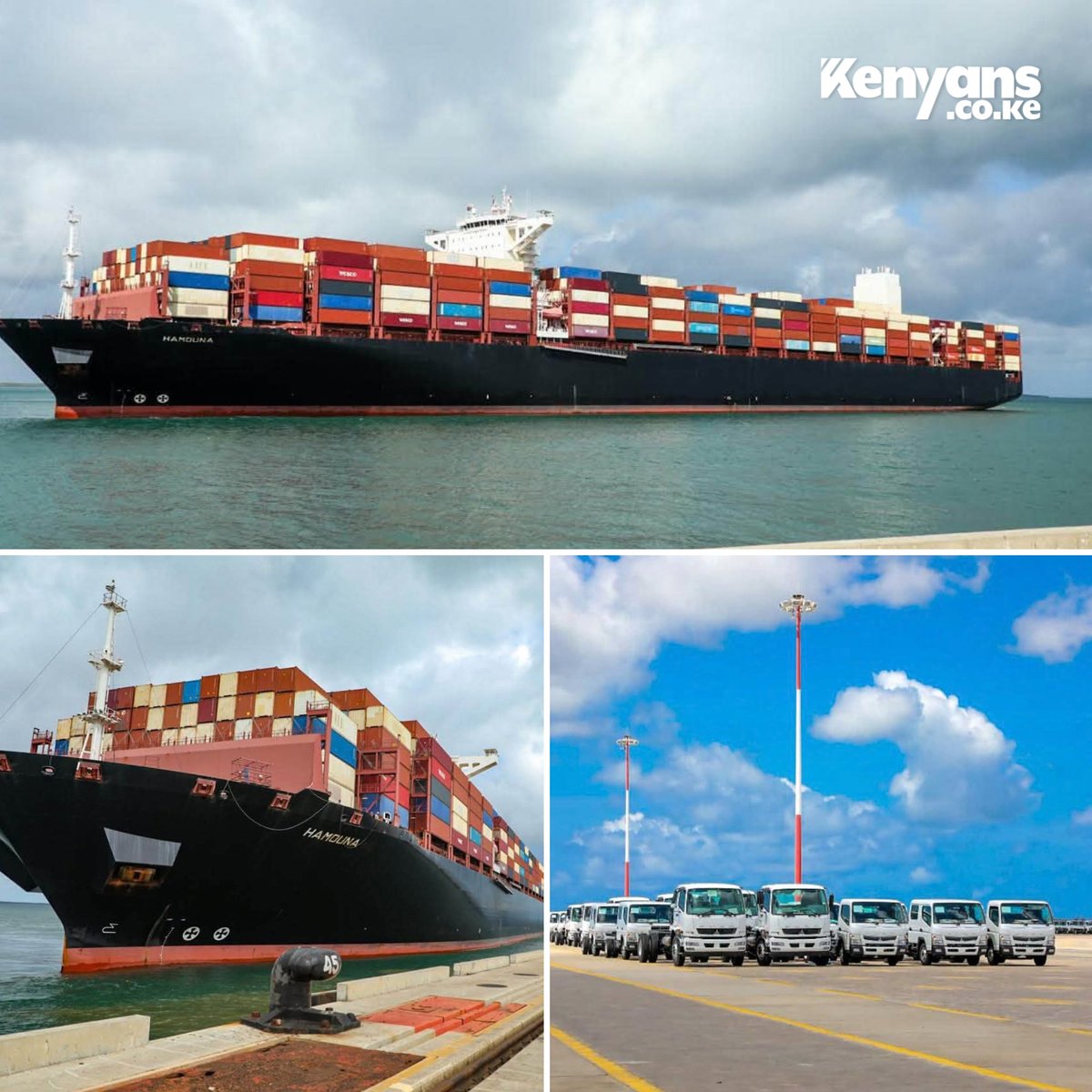
Iranian-flagged ship, MV Hamouna, docks at the Port of Lamu, making history after discharging 5,200 containers, the largest single discharge in East Africa
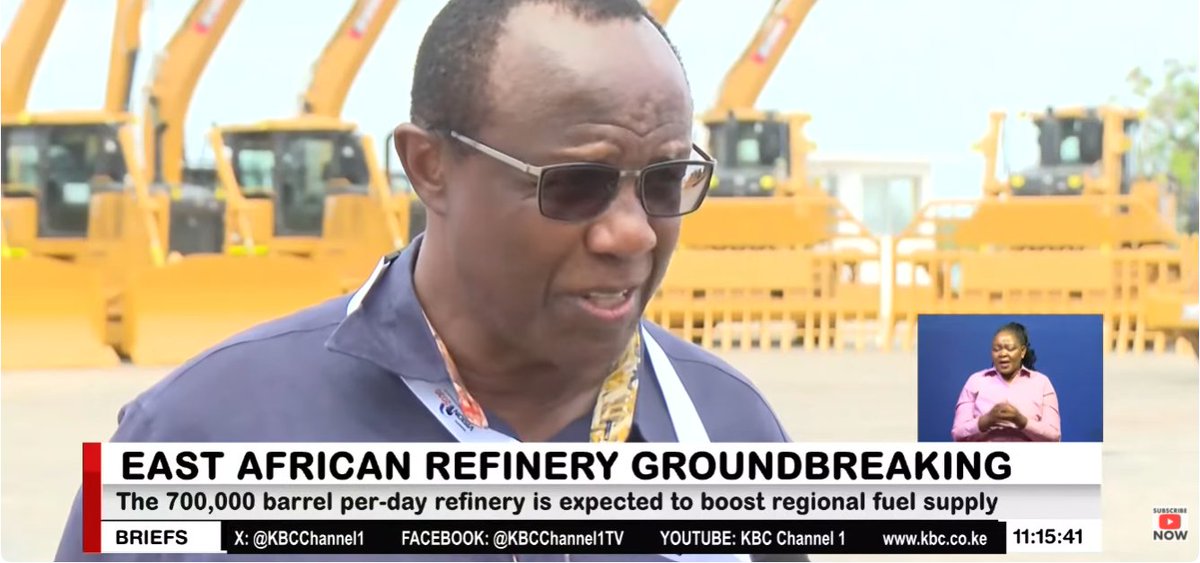
President’s Chief Economic Adviser David Ndii on the Dangote East Africa oil refinery:
— East Africa consumes about 20M tonnes of petroleum products annually, equivalent to ~400,000 bpd, versus potential regional crude production of ~600,000 bpd.
— The region spends more than $10B annually on petroleum product imports, including about $4B by Kenya, with ~$2B attributed to freight, insurance and related import costs.
— The 700,000-bpd refinery is expected to employ 50,000–60,000 workers during construction and inject about KES 2B per month through wages.
— Ndii estimates the refinery could add about 3 percentage points to manufacturing’s share of GDP, with associated petrochemicals adding another 2 percentage points.
— The refinery will require about 200,000 cubic metres of fresh water daily, with Lamu offering a deep-water port, industrial land and access to Tana River water.
— Ndii estimates the refinery and related activity could move Lamu into Kenya’s five largest county economies.
https://t.co/j2l4jJ5eHG
A brief summary of Dangote’s proposed Lamu refinery, according to The Standard.
— Sh2.2 trillion: Estimated cost of the project
— 700,000 barrels per day: Planned refining capacity
— Under 4 years: Expected construction period
— Sh21.5 billion: Seed capital committed by the Kenyan Government
— 60,000 jobs: Potential employment opportunities for young Kenyans
— 8+ regional markets: Kenya, Uganda, Tanzania, South Sudan, Ethiopia, Rwanda, Burundi and the DRC
— East Africa’s largest: The proposed refinery would be the biggest in the region
— Strategic importance: The project could strengthen Kenya’s energy security, support Lamu Port and boost regional trade