Employees are increasingly receiving company-sponsored AI training. They are also increasingly using their training (and the trust that their company has placed in them) to engage in internal theft, sensitive information mining, and customer fraud https://t.co/eQwSoIYLYV
56% of Fortune 500 annual reports say AI is a risk factor (9% last year). Also, 74% of halted at least one AI project due to risk concerns. Not a bad thing--recognizing the risks is an essential step for building trust. Report on AI and trust here: https://t.co/5jaMdrxpC2
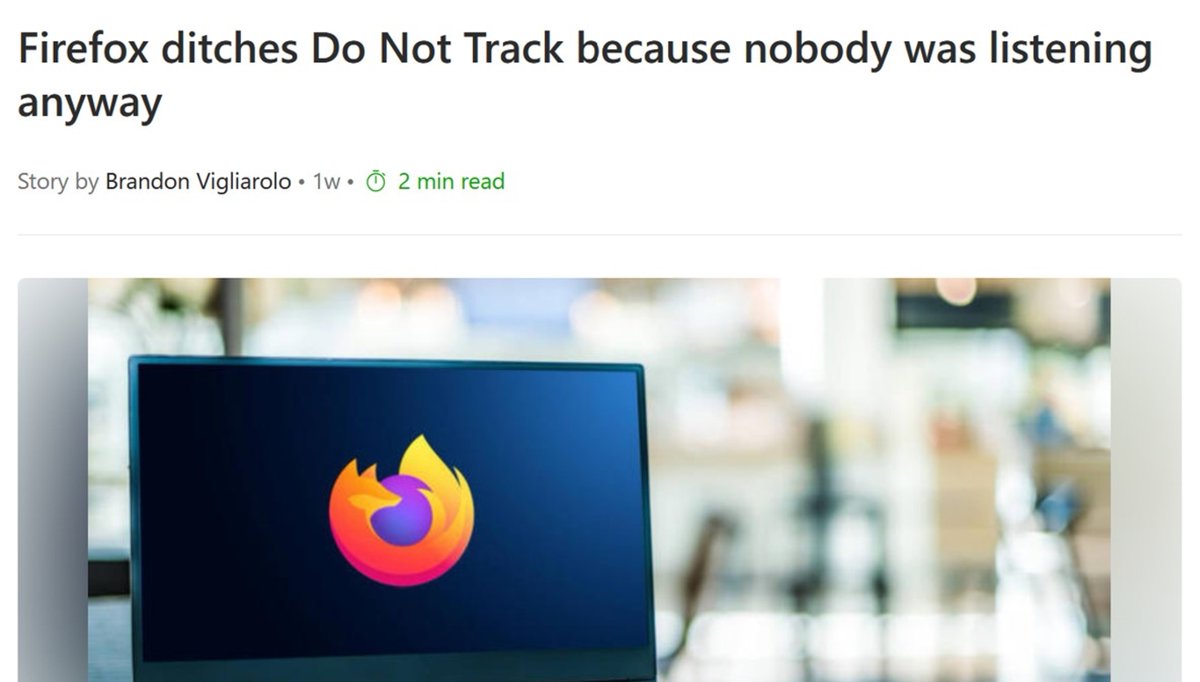
If you care about your online privacy, you may have selected the "Do Not Track" option in your browser. But--companies aren't required to honor DNT, and they often don't. Kudos to Firefox for removing an option that created an illusory sense of privacy https://t.co/TLYDDtWPQ9
We start the year with historically low trust in institutions worldwide (for example,in the US https://t.co/Y6OxnSfj8F.) But hey not all institutions are a lost cause. Find an institution you can support in some way-local or national. Institutions need us as much as we need them!
How much do consumers need to trust that firms have protected them from product failure? And how much do firms need to trust that consumers will use their product carefully & wisely? That's the key question in this federal lawsuit.
https://t.co/hx6SHRpYIr
Here are five ways the US government can rebuild trust. Number five: reconnect with young people--a group with one of the lowest levels trust in government. Advice from the non-partisan Partnership for Public Service https://t.co/xQY4V4Zy9a
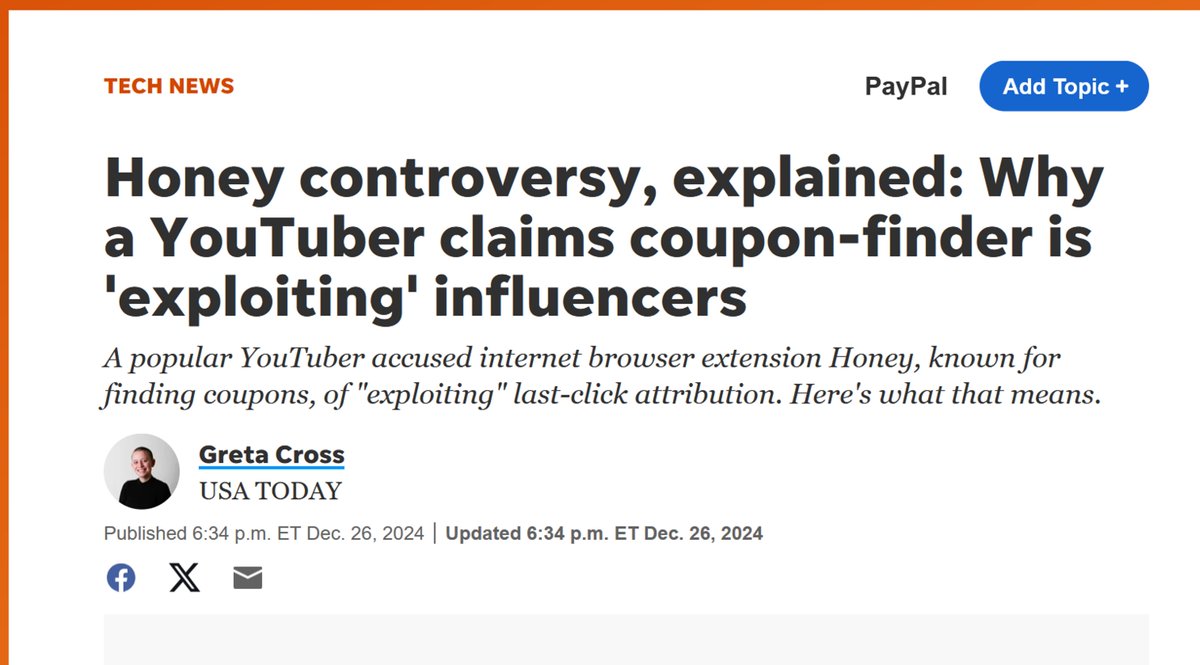
Who gets credit for an online sale? A common approach is to credit the last thing that a customer saw before buying. This online influencer claims that the Honey extension browser can sneak in at the last minute to steal credit it didn't earn https://t.co/LKX1hauwop
A "tying arrangement" is when you have to purchase one product in to obtain another. Companies do this when they can assert power over employees or consumers. Asserting power is a bad way to build trust (but, apparently, a great way to earn $10 million) https://t.co/YWIGly9QLD
Looking to scale up your malicious online activity? Look no further than FraudGPT. @Netenrich @Martechpost gave it a test drive; and they say it did a pretty good job writing a phishing email based on limited info. https://t.co/ckZNwQzj6f
Unscrupulous drivers for Walmart's delivery service are using multiple aliases to get more than their fair share of work. Honest drivers face a choice: join the scammers or get a new job. Shows how deception & free riding can erode a market. https://t.co/rlGxyBf7Bk
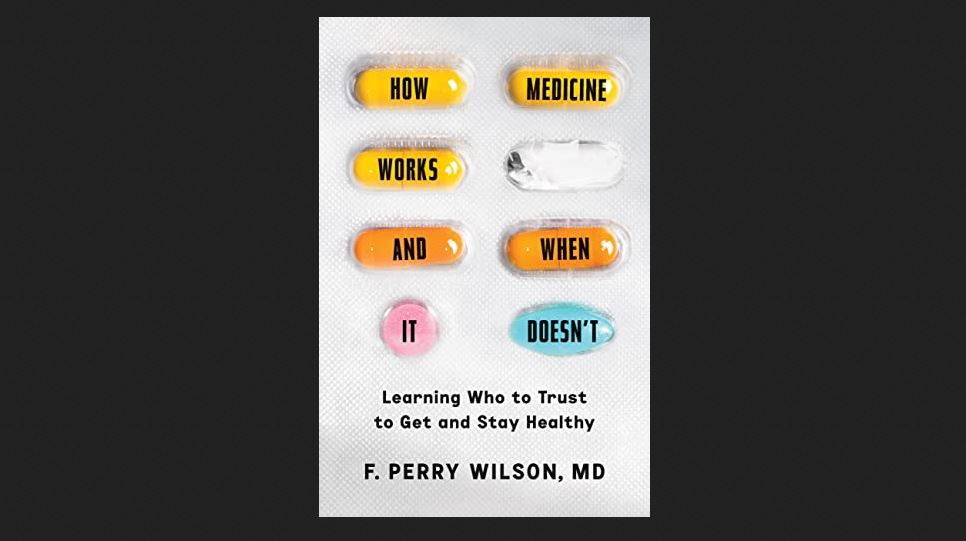
A doctor discovered that one of his patients was better served by a health huckster than by legitimate MDs. That experience eventually led him to write a book on trust in healthcare. Having read this excerpt, I'm looking forward to reading the whole thing! https://t.co/5V5b3bpeby
Any decision to trust comes down to 2 questions: If you say "no," are you being unreasonably suspicious? And if you say "yes," are you being too gullible? For instance, see the current debate about zero-trust security @russellspitler@FortuneMagazine
https://t.co/rSiiHgfdiH
Gibson's Law = "For every PhD there is an equal and opposite PhD." As @philosophyminis explains, this is not always true. The opposite PhD may *not* be equal in expertise, despite being presented as such. The result: an erosion of trust in expertise https://t.co/c4uv4KhWWK
Research shows: Employers who trust are more likely to be trusted, and those who distrust are more likely to be distrusted. But, as this story demonstrates, employers who trust need to account for the fact that *some* employees will still take advantage
https://t.co/83ZkD81iS9
Leaked on the internet: Photos that a Roomba robot vacuum took of its owners at home. Parent company says the occupants agreed to allow the robot to take photos of them. (OK but was it by clicking "I agree" at the end of a long screen of text?) @TheStreet
https://t.co/2jUULu1ftw
To take advantage of trust, you need to know the signs of trustworthiness. "MasquerAds" are a great example. The people who create these "ads" know the signs that can fool not only end users but also Google's policy enforcers @GuardioSecurity https://t.co/fOMVIvh6JZ
Merriam Webster's @PeterSokolowski on why gaslighting is the word of the year: "These things have to do with whether or not we trust our information. And gaslighting has everything to do with trust." Podcast episode @rameswaram@today_explained https://t.co/4g16KdPAWF
Ana De Armas was originally in the film "Yesterday." Her role was cut, but she still appears in the movie preview. So, a couple is suing Universal Pictures for false advertising. Are movie previews "expressive works" & therefore not subject to ad rules? https://t.co/ZvsiINCCyq