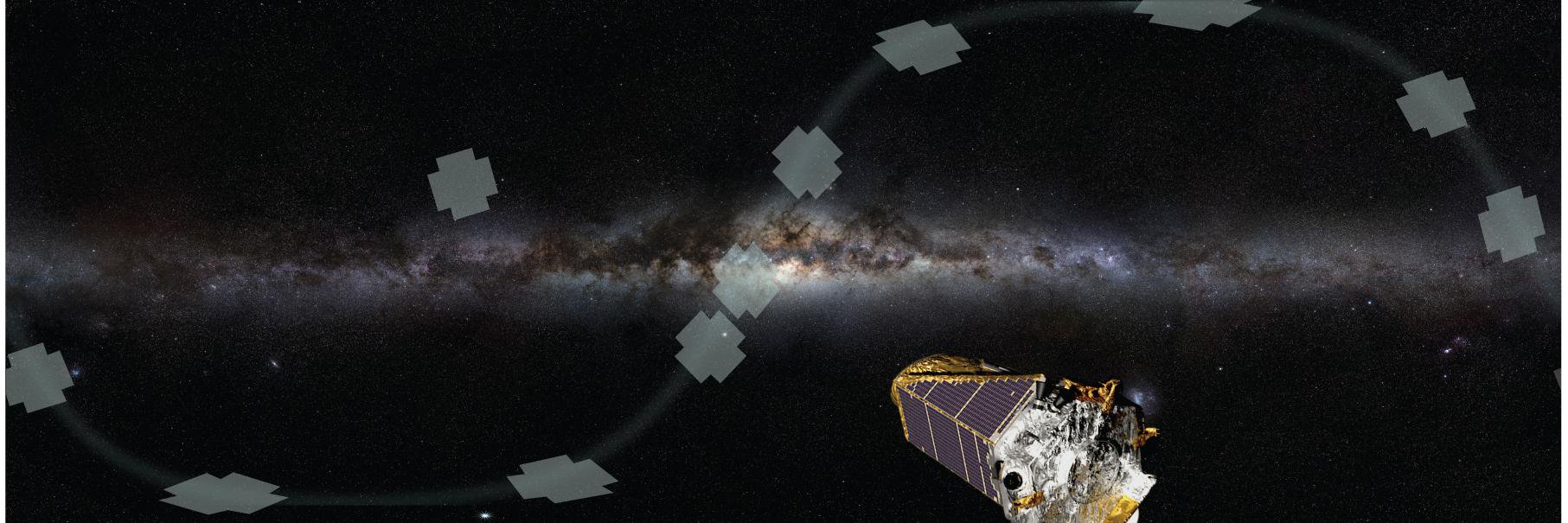
Kepler leaves a unique data archive behind that will provide new discoveries for years! Do you want a sneak preview? We drafted a white paper that discusses 21 opportunities with Kepler archive data, here: https://t.co/z2Tn5OgCkn #K2Mission#ThanksKepler
Pipeline-processed data from #K2Mission Campaign 19 are now available from the data archive at MAST. Users are encouraged to read the release notes due to the complicated pointing performance experienced by Kepler during its final Campaign. https://t.co/ecHTF8GH8i
Have a brand new Kepler/K2 result to share? Late poster abstracts for #KeplerSciCon are accepted through Tuesday, February 5! https://t.co/Q3TvZtJ2J4 #K2Mission
One example is this beautiful hot jupiter in the under-utilized K2 Campaign 9 data set. See the research note by @TheChedgehog et al! https://t.co/nQjulj76b7
Check out the transit of this planet candidate from our RNAAS figure below. 1.2 Jupiter Radii at a 2 day period! This hot Jupiter shows there are many more transiting candidates still to find in K2! #moreplanetsthanstars
Do you love Research Notes? Do you love K2 planet candidates? Do you love planet candidates towards the galactic center? Well now you can have all three with our all new Research Note!
https://t.co/c6jXcB4kNu
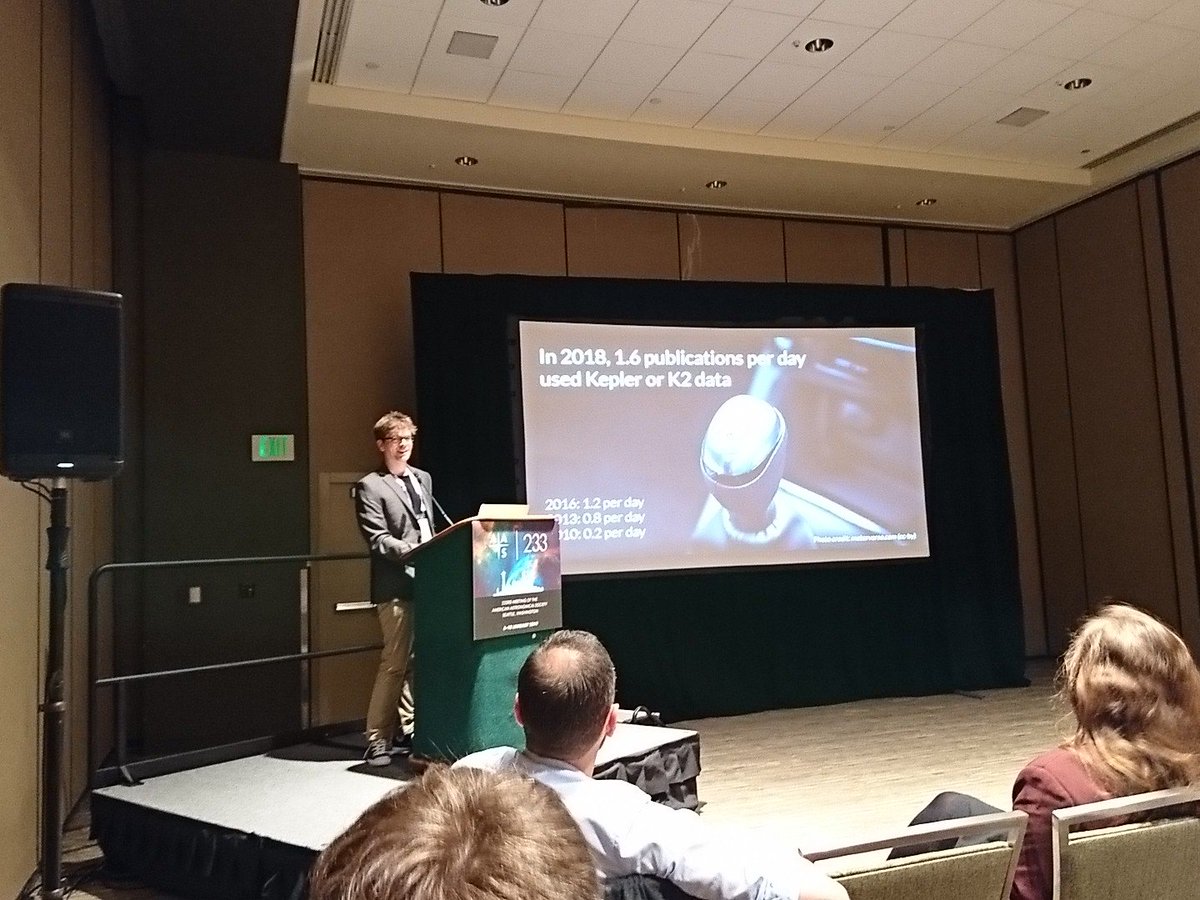
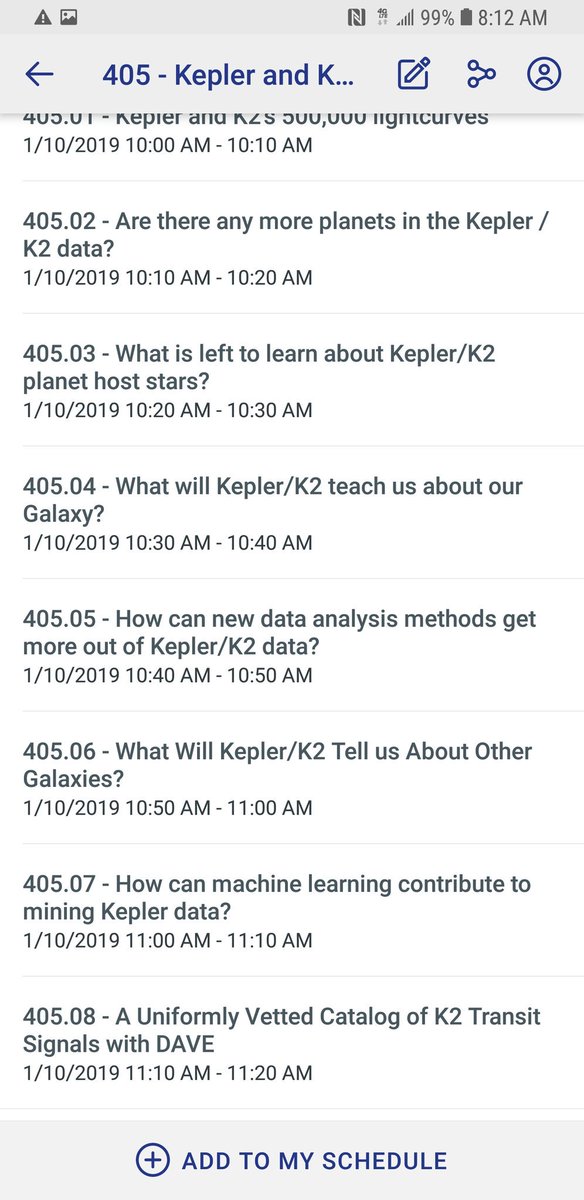
Ready for the K2 high precision light curves session in Rm 610. #aas233 Intro by @GeertHub reminds us of the KeplerSciCon in March. I can't go, but it should be a wonderful conference.
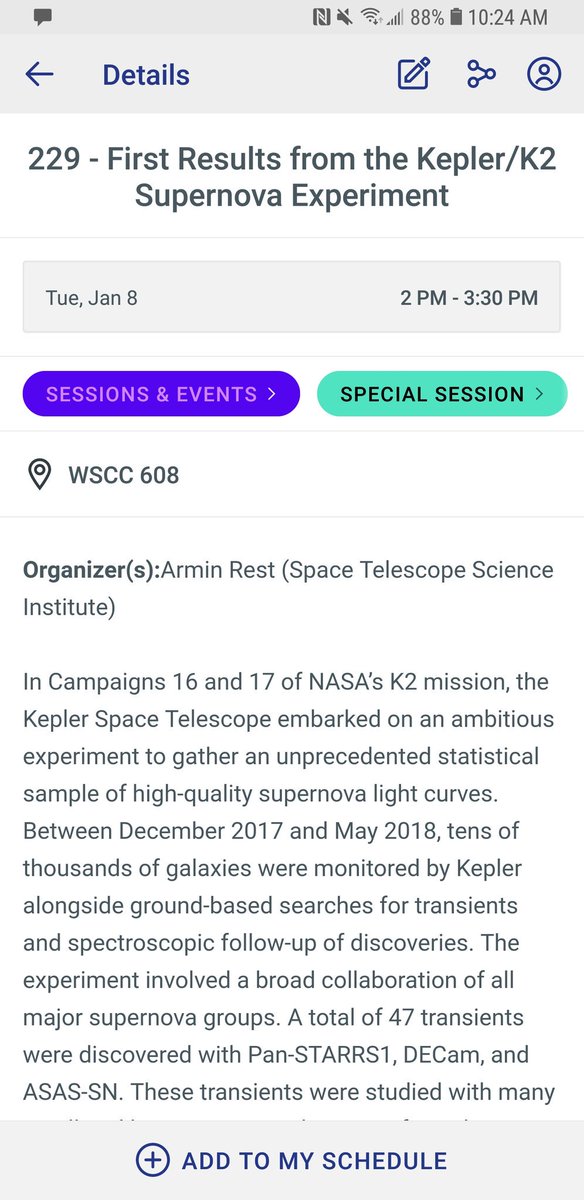
#AAS233: Did you know that Kepler recorded dozens of extragalactic transients 💥 in its final months? The first results will be presented in Room 608 at 2pm today (Tuesday)!
�� DEADLINE ALERT 🚨
Abstracts for the upcoming #KeplerSciCon (March 4-8, 2019) are due tomorrow. Proposals are invited for talks, posters, breakout sessions, and travel support. See you in March! #KeplerMission #K2Mission
The next #KeplerSciCon will take place March 4-8, 2019, in Glendale, California. Abstracts for presentations, proposals for breakout sessions, and requests for travel support are due in exactly two weeks! ⏲️😲https://t.co/4ymvY9M1Ug
Do you dig cluster science? Then check out the 29 clusters observed by Kepler- some of which have barely been studied! Details in my new research note.