We’re at the mRNA Health Conference in Boston today! Our co-founders @AmitDeshwar and Melissa J. Moore are presenting our latest work on RNA foundation models and zero-shot design of mRNA therapeutics.
There’s one more day to connect! Stop by Poster 91 tomorrow to see our latest data, talk mRNA design, and explore potential collaborations.
For more on the in vivo data engine behind our models, read our latest Substack: Train on Life https://t.co/j5Wwle4seU
The mRNA that makes the most protein in a dish can lose its lead in the body. How can AI learn to predict that?
We built an in vivo data factory to measure protein output from hundreds of mRNAs in a single animal. Our co-founder @amitdeshwar explains how.
https://t.co/j5Wwle4seU
How will AI change the way we design genetic medicines?
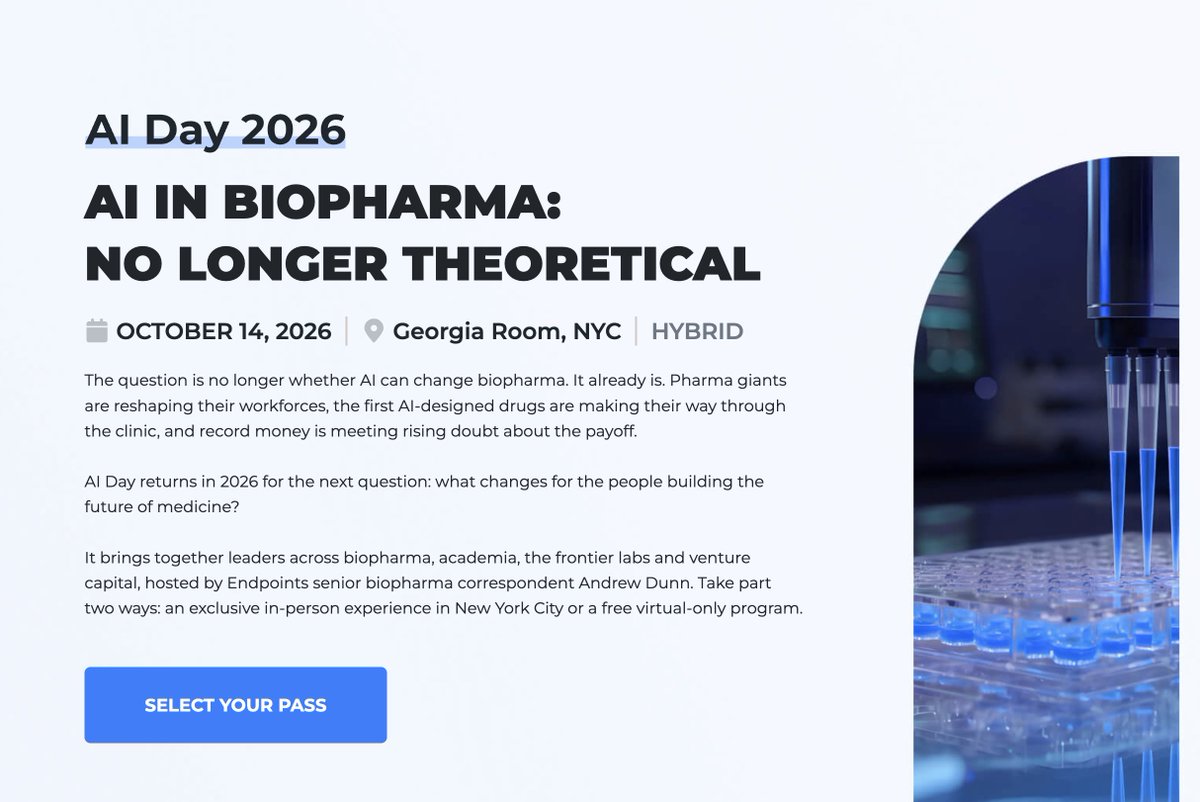
Our co-founder Melissa J. Moore will be speaking at @endpts AI Day on Oct 14! Join her in exploring how next-generation foundation models will help scale custom medicines.
NYC + virtual
https://t.co/5scEkqaqvd
At Kerna Labs, we combine RNA foundation models with high-throughput in vivo data to learn how sequence shapes function. We are building the foundation for therapeutic abundance: predictable, repeatable mRNA engineering.
AI is rapidly expanding the supply of therapeutic ideas, but turning them into effective medicines is still hard.
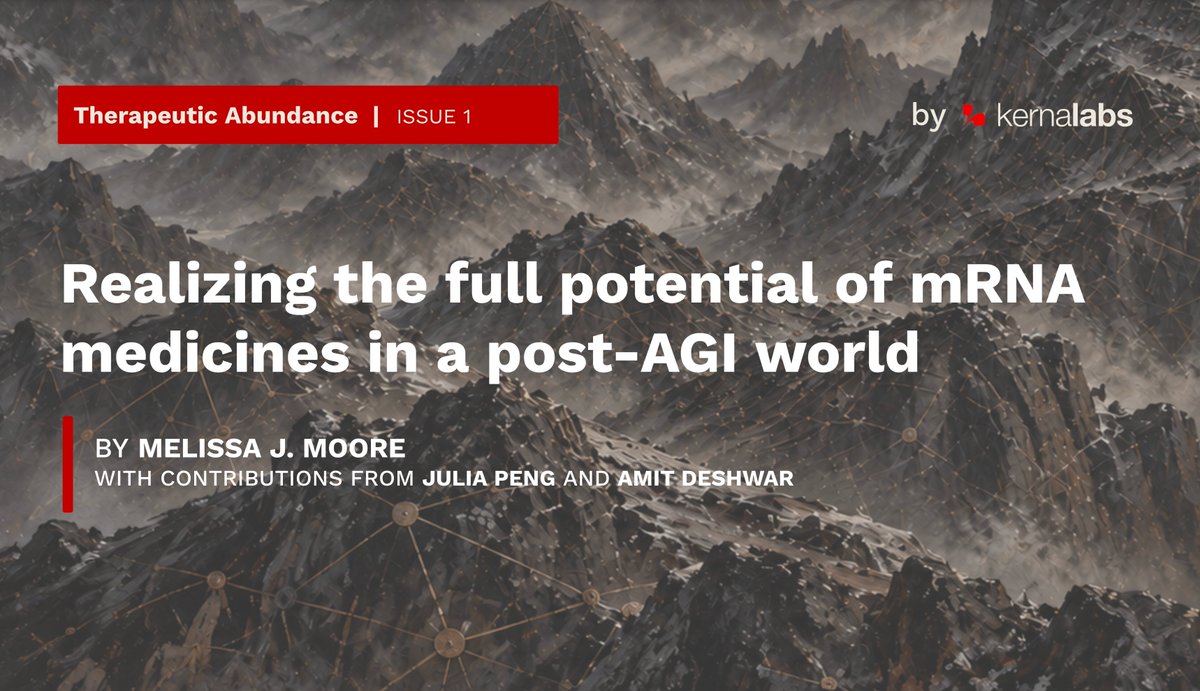
In our new essay, our co-founder Melissa J. Moore explores how better mRNAs can unlock novel medicines, and why mRNA’s most important chapter is still ahead.
https://t.co/PTzTkONrRU
The bottleneck for mRNA is producing more protein in the right cell types, with a longer duration. Better mRNA sequence design is the key to making previously impractical therapies possible – and expand the range of diseases we can treat.
Lastly, we've also launched 2 chronic disease therapeutic programs designed by Laika - both with in vivo validation, with line of sight to FIH in 1y. We believe this is just the beginning. Excited for what the future holds! 4/4
Moderna just showed what mRNA can do beyond vaccines: its individualized cancer therapy, with Keytruda, succeeded in Ph3.
When LLMs began rapidly progressing 3y ago, we made a bet that AI models can outperform human-led design to create better mRNAs. 🧵1/4
@EricTopol Despite its obvious misuse during Covid, mRNA has tremendous promise for curing diseases.
Artificial RNA essentially makes curing diseases a software problem.
Models are only as good as their data. Public RNA datasets weren't built for therapeutic, chemically-modified mRNA.
So we built a high-throughput data engine to generate protein-level measurements in vivo. With this engine, our designs have improved 6x over the past year. 3/4
We started Kerna on the thesis that mRNA would become a widespread therapeutic modality beyond vaccines. Today, Moderna’s mRNA cancer therapy + Keytruda met its Ph3 endpoints.
We’re already building the foundation models and in vivo data engine for what comes next.
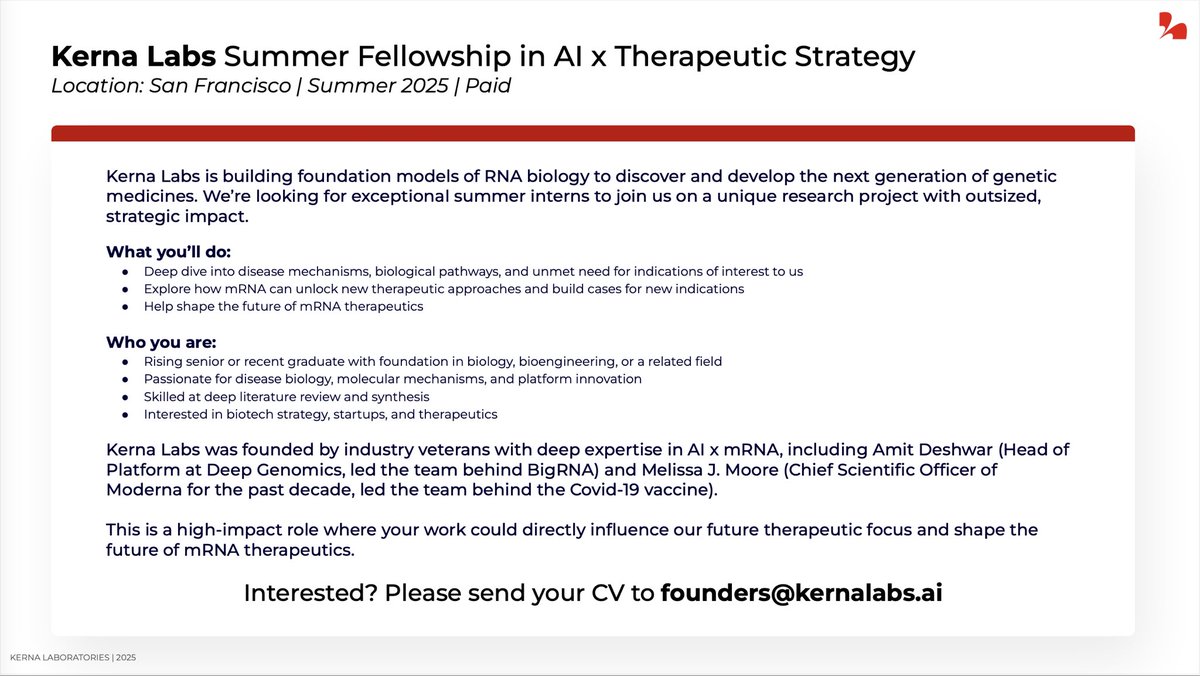
We're hiring summer fellows for a unique, high-impact role! Looking for sharp biology minds to dive into disease mechanisms and explore how mRNA can unlock new therapies. Reach out to [email protected]
Excited for the @KernaLabs Summer Fellowship for rising Seniors & new graduates looking to dive into the frontier of AI & RNA therapeutic design.
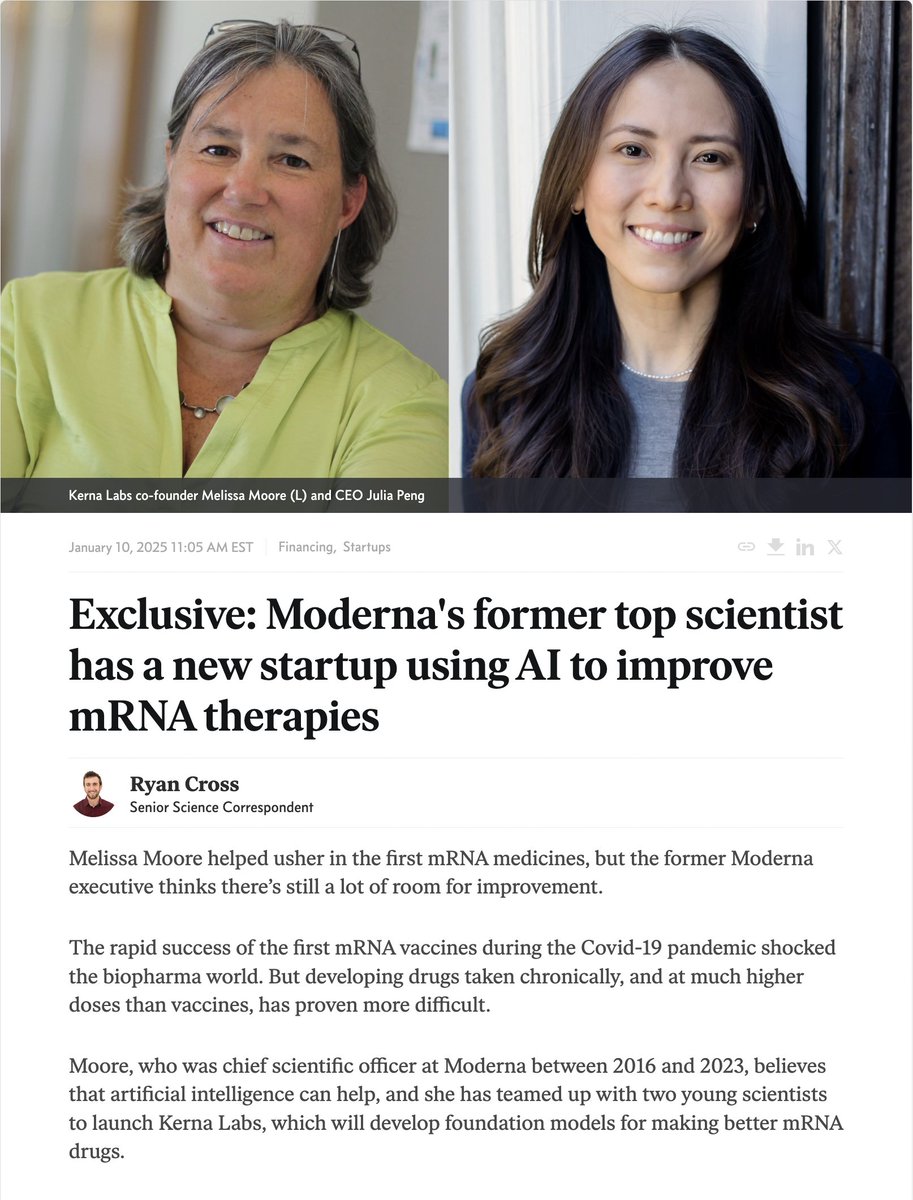
Excited to share our official launch, featured exclusively in @endpts, by @RLCscienceboss! Hear from our cofounders @AmitDeshwar, @juliapeng__, and Melissa J. Moore on how we're using AI foundation models to create better, more durable mRNAs - and open up new therapeutic frontiers.
https://t.co/uaPxojWVFR