Companies of all sizes face operational risks--quality, environmental, health & safety, security, food safety/quality. Some risks are anticipated; others are unexpected. That is where we come in-- to help you prepare and stay profitable. #riskmanagement
Microplastics have been found in every ecosystem on the planet—food, drink, human & animal tissue. While scientists still do not fully understand the impacts of microplastics on human health & aquatic life, federal attention to microplastics is increasing. https://t.co/ritqr7AC9z
A strong safety culture focuses on the whole person, including ensuring psychological safety. Psychological safety is a critical concept for building effective teams and, many would argue, a critical concept for encouraging workplace innovation & success. https://t.co/aG5JPSBvpF
When compliance mgmt systems are outdated, fragmented, manual, or not tailored, organizations can experience frustration & compliance failures. But when implemented effectively, these systems reduce manual effort, increase consistency & enhance compliance. https://t.co/lO0f1jh75l
If vehicles are used in commerce, employers need to define fleet scope; evaluate applicable requirements; & treat driving as a safety, liability & operational risk. Fleet safety requires implementing core controls to protect employees & the organization. https://t.co/5WVlsPSWVl
National Safety Month: Moving Safety Forward
An OHS Document Management System provides a company-wide framework for central, secure storage & organization of safety-related documents & records to move workplace safety forward in the organization. https://t.co/baiuwqG3Ik
Many SharePoint compliance management systems incorporate automated processes powered by workflows to streamline repetitive business processes and keep operations moving. Recently, many workflows in SharePoint stopped working. So, what happened?
https://t.co/iG1d16g77H
In April 2026, ASSP published the first U.S.-based standard to provide guidelines for assessing and managing risk. It establishes principles, a framework, and a process to help organizations develop a structured approach to risk management. https://t.co/ZTl9x2eICL
The BRIDGE Project represents a significant step in FDA's vision for a more integrated, data-driven, and risk-based food safety oversight system. So what does this mean, and how does it change facility inspections?
https://t.co/4lY1wxcd7A
The Food Safety Summit is next week, and KTL will be there discussing food safety, compliance management solutions, and supplier management. Visit us at booth 501, and don't miss our Tech Tent presentation on May 14 at 10:45 a.m. https://t.co/zmGAEVxrkb
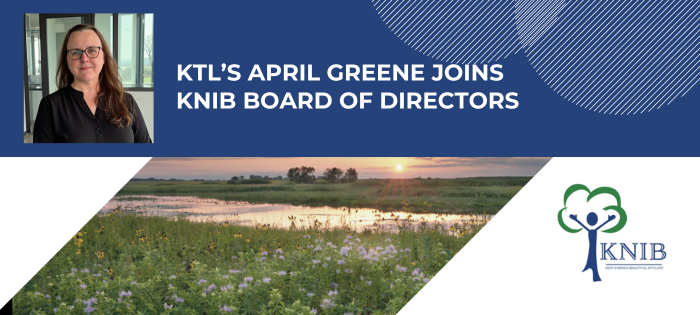
KTL Senior Associate April Greene, CSP, CHMM, was recently invited to join the Board of Directors for Keep Northern Illinois Beautiful (KNIB). KNIB aims to inspire citizens to to improve and beautify their community and environment. https://t.co/Am5z64jpKW
As food companies expand their networks of co-manufacturers, ingredient suppliers & packaging partners, the ability to identify supply chain weaknesses is important. Check out the most common nonconformances KTL observes when conducting supplier audits. https://t.co/qcizk5IJ3J
Effectively managing supplier data, documents & performance requires consistent processes & data management practices to verify food safety compliance & mitigate risks. Integrating standardized tools & IT solutions can streamline supplier management.
https://t.co/YWiSPyxgNn
Starting the day talking about EHS, food safety, and data managementat at the North American Association of Wardens & Superintendents (NAAWS) Annual Conference in Daytona Beach. Stop by to chat!
ISO 14001 is a management tool to help improve environmental performance & minimize environmental risks. The ISO 14001:2026 updates (expected 4/26) align the standard with growing environmental and sustainability expectations. https://t.co/pdj8W14CKO
Building a compliance management system doesn’t have to be complicated, not when most companies already have the software they need. With the right strategy & expertise, MS 365 & Power Platform can be configured into a dynamic compliance management system. https://t.co/4HYRD9AOLQ
EPA has finalized several changes to the AIM Act that are effective starting 1/1/26. Notably, producers, importers, and exporters of Class I and Class II ozone-depleting substances must submit reporting forms to EPA by 3/31/26 for calendar year 2025.
https://t.co/6Pk81kbIUX
EPA reissues a new MSGP every 5 years to regulate stormwater discharges associated with 29 industry sectors. The 2026 proposal focuses on improving water quality protection, strengthening accountability & incorporating emerging environmental concerns. https://t.co/Po3KDCahdo
In early May 2026, Foundation FSSC anticipates publishing Version 7 of the FSSC 22000 Scheme Additional Requirements to better align the scheme with global requirements, improve clarity, and make food safety management more practical. https://t.co/cZwSOpSwx2
We recently sat down with KTL’s Power Platform Team to talk about how organizations can leverage Microsoft 365 and the Power Platform to effectively manage supplier data and performance to improve overall operations.
https://t.co/RyGSnvJkFa
The HFP was designed to help ensure the FDA-regulated food supply is safe by taking a risk-based approach to implementing FSMA's preventive measures & responding to food-related emergencies. On 1/23/26, FDA released its priority deliverables for 2026. https://t.co/MrisIOhHqy