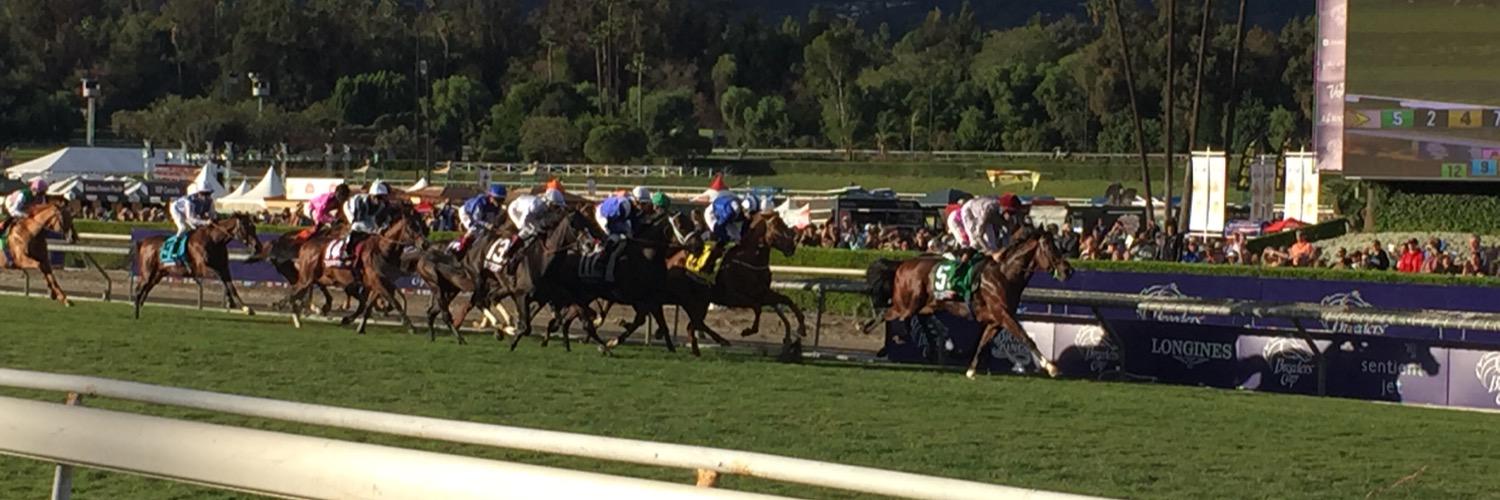
@failedtomenace@BreedersCup@keenelandracing All good. I was confused because usually I concur with you! 😀I know this will not be a popular approach but I feel American Pharoah’s legacy will be through his daughters
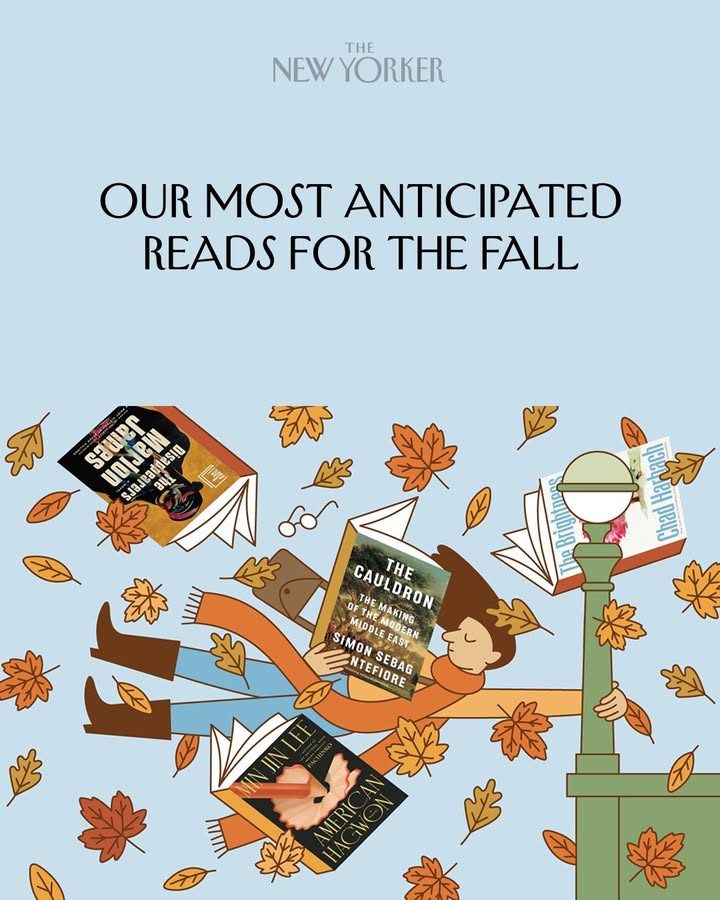
Our critics and editors share the books they’re most looking forward to reading in the fall: ambitious, generational novels, tell-all memoirs, and cultural histories. See the full list, featuring titles by Min Jin Lee, Yiyun Li, Simon Sebag Montefiore, and more: https://t.co/FT00AZJqeO
BEAU JANGLES is back and sharply took the $79,000 Bluegrass Series #51 (div.) for 3yo pacing colts, scoring in 1:47.2, a new lifetime best.
Driven by James MacDonald for trainer Ian Moore and owners Graham Grace Stables, Kiwi Stables & Bolton Stables, he is a son of CATTLEWASH
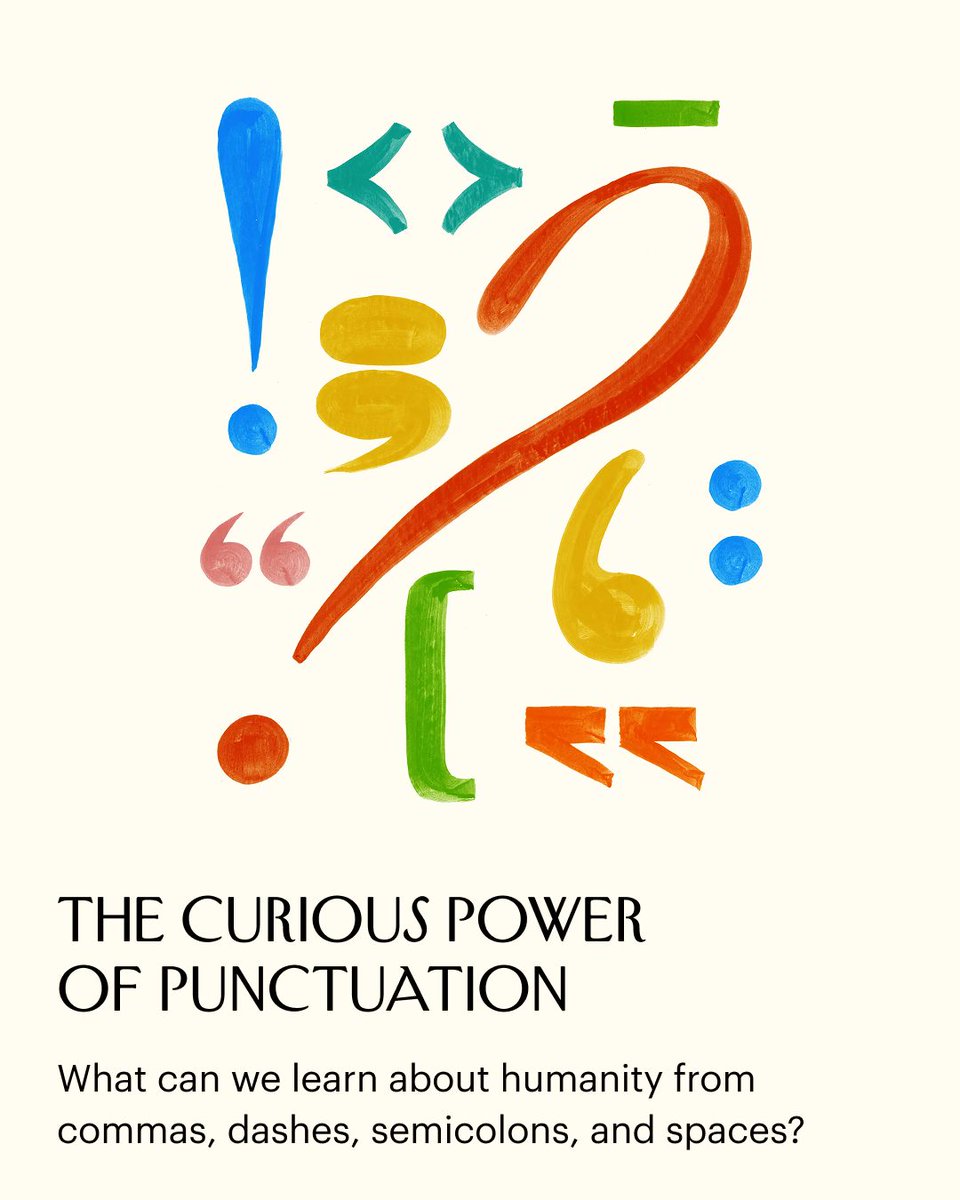
“The purpose of punctuation is to make writing easier to read,” Louis Menand writes, “and making writing easier to read means giving greater and greater numbers of people access to the written word.” A new book by Florence Hazrat, celebrating punctuation in all its forms, makes the striking claim that the history of punctuation is the history of humanity itself. It has entered into a class of books about the mechanics of writing—to which Sarah L. Kaufman’s “Verb Your Enthusiasm” belongs. But how do we think about these sentences, words, and marks amid a current evolution in the phenomenology of reading? Authors like Hazrat and Kaufman want us to understand reading as a bodily experience, one which can transmit an author’s state of mind, or set of emotions, to our own. Menand considers the strange power of, among other things, punctuation: https://t.co/CSxml48kTB