I keep emphasizing the importance of regular blood pressure and blood sugar monitoring if we are serious about preventing complications.
Walk into Nila and ask for this brand for accurate blood sugar monitoring, or call +254 726 298 196 for more information.
The brand is setting the standard in blood sugar monitoring.
Early detection and consistent monitoring save lives.
Hypertension was once a mystery.
Doctors could measure blood pressure, but they had no idea how to control it. In the early 1900s, a diagnosis of severe hypertension often meant strokes, kidney failure, heart failure, blindness or early death. Many physicians even believed high blood pressure was simply a normal part of ageing and should not be treated.
Everything changed after decades of research.
Scientists discovered that blood pressure is controlled by the heart, blood vessels, kidneys, hormones and the nervous system. The kidneys, in particular, became a major focus after researchers uncovered the renin-angiotensin-aldosterone system, a hormone network that raises blood pressure by narrowing blood vessels and retaining salt and water.
The first drugs were far from ideal. In the 1940s and 1950s, powerful nerve-blocking medicines lowered blood pressure but caused severe side effects such as dizziness, constipation and fatigue. They proved one thing, however: lowering blood pressure could save lives.
The real breakthrough came in the late 1950s with thiazide diuretics. These “water tablets” helped the kidneys remove excess salt and water, lowering blood pressure safely and affordably. Large clinical trials later showed they dramatically reduced strokes and heart failure. It was one of the greatest public health victories in modern medicine.
Researchers kept going.
Beta blockers slowed the heart and reduced its workload. Calcium channel blockers relaxed blood vessels. ACE inhibitors blocked the formation of angiotensin II, one of the body’s strongest blood vessel constrictors. ARBs later blocked the same hormone more precisely with fewer side effects. Mineralocorticoid receptor antagonists helped patients with resistant hypertension, while newer combination pills made treatment simpler and improved adherence.
The science also evolved. Instead of merely treating high numbers on a blood pressure machine, doctors began asking a better question: does lowering blood pressure actually prevent disease? The answer was a resounding yes.
Over the last five decades, study after study involving millions of people has shown that controlling hypertension significantly reduces the risk of stroke, heart attack, heart failure, kidney failure, dementia and premature death.
Today, millions of people are alive because of medicines developed through decades of painstaking research.
Yet medication is only one part of the story.
Researchers also discovered that exercise, cutting the belly, eating more vegetables, limiting alcohol, sleeping well and avoiding tobacco can lower blood pressure naturally and often enhance the effects of medication.
Hypertension remains the world’s leading modifiable risk factor for death. It is called the silent killer because most people feel perfectly well until it has already damaged their heart, brain, kidneys or eyes.
One of medicine’s greatest success stories isn’t a dramatic surgery or a miracle cure. It’s the quiet discovery that a simple blood pressure measurement, followed by decades of scientific research and effective treatment, has prevented millions of strokes, heart attacks and deaths.
Know your numbers. They could save your life.
More than 80% of people with type 2 diabetes carry excess belly fat. Read it one more time.
The real issue isn’t just weight. The real issue is visceral fat quietly driving insulin resistance, inflammation, and metabolic breakdown.
Ubaya, the body doesn’t fail suddenly. It adapts until it can’t adapt anymore.
Exercise most days. Build muscle. Guard your metabolism.
Aim to improve your insulin sensitivity every day. Exercise regularly. Build and maintain muscle. Put the glucose from your meals to good use through physical activity. These simple habits can go a long way in reducing your risk of developing type 2 diabetes.
Obesity ni kitambi.
That belly is not a sign of prosperity. It’s often a warning light.
The same fat you see around your waist may be building up around your organs, driving diabetes, hypertension, heart disease, and stroke.
Move more. Eat less junk. Cut the belly before the belly cuts your life short.
I am fully committed to this fight against preventable deaths from hypertension, diabetes, and heart disease.
Not as a slogan but as a system we are building and improving every day.
We will detect earlier.
We will intervene faster.
We will stop avoidable loss.
And we will succeed.
In Kenya, the biggest challenge with hypertension and diabetes is not diagnosis. It is long-term follow-up and adherence to treatment.
Patients forget to check blood pressure, Stop taking medication when they feel better, miss clinic appointments,
develop kidney disease, stroke, heart failure, blindness, and dialysis years later.
This can be prevented by consistent monitoring of blood pressure and blood sugar.
Once a person receives a healthy kidney from a compatible donor, they must take anti-rejection medication for life.
Their immune system recognizes the transplanted kidney as foreign and can attack it at any time. These drugs suppress that immune response and help protect the donated organ.
Is there anyone who knows how much those drugs cost per month? They aren’t cheap.
What if kidney failure could be prevented in the first place?
The truth is, many cases can be prevented.
The first step is preventing hypertension and diabetes. If diagnosed with either condition, controlling it well is critical. Nearly two thirds of kidney disease cases are linked to uncontrolled high blood pressure and diabetes.
By the time someone needs dialysis or a kidney transplant, the damage has often been building silently for years.
The opportunity to protect our kidneys is not when they fail. It is today.
Check your blood pressure. Check your blood sugar. Take your medication as prescribed. Exercise everyday Eat well healthy, cut the belly, don’t take alcohol and don’t smoke.
We have a chance today to protect the future.
When your kidneys fail, medicine cannot make them work again.
Treatment options become dialysis or Kidney transplant
That’s it.
This is why hypertension and diabetes are not diseases to manage later.
It’s better to protect kidneys now, before one is forced to depend on a machine or an organ donation.
Here is the big secret
Exercise everyday
Cut the belly
Monitor blood pressure and blood sugar
When it comes to heart attacks and strokes, status matters far less than proximity to quality emergency care. A professor in Kapsowar may have a higher risk of dying from a heart attack than a sweeper in London, not because of who they are, but because of where they are when the emergency happens.
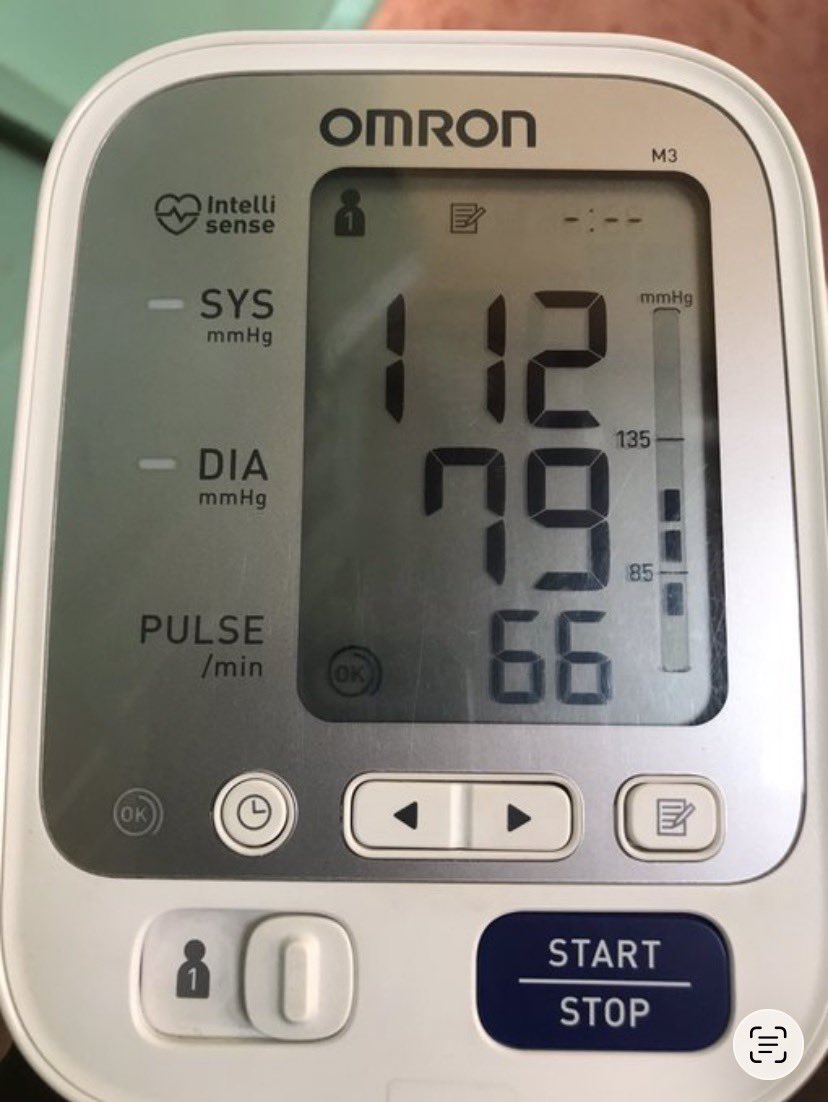
A blood pressure above 130/80 mmHg is often a clue that insulin resistance is already present.
See these numbers I picked today. Look at the random blood sugar levels.
The body gives warnings before heart attacks, strokes and kidney failure.
Don’t ignore them.
Hypertension doesn’t wait for your next clinic appointment.
Home blood pressure monitoring helps detect poor control early, giving doctors a chance to adjust treatment before a stroke, heart attack, or kidney failure occurs.
If you are on treatment for hypertension, invest on a blood pressure monitor.
Many people are diagnosed with hypertension only after evidence of organ damage has already appeared.
Finding left ventricular hypertrophy at diagnosis suggests the heart has been straining for some time.
This means the disease often goes undetected during its earlier stages.
What if we picked high blood pressure and fixed it before it caused any damage?
We can easily create a world without hypertension complications if only we can monitor our blood pressure regularly.
If kidneys failed just from not drinking enough water, Turkana would have more kidney failure than Nairobi.
But it doesn’t work like that. Most kidney disease is from hypertension, diabetes, infections, not thirst.
It’s not just about water. It’s about what’s damaging the system silently.
If you feel thirsty all the time and find yourself urinating frequently, it could be a sign of high blood sugar.
When blood glucose levels become too high, the kidneys try to remove the excess sugar through urine.
This causes the body to lose more water, leading to frequent urination and increased thirst as the body tries to replace the lost fluids.
These symptoms are common warning signs of Diabetes. I mean feeling thirsty all the time and urinating frequently.
Anyone experiencing persistent excessive thirst and urination should consider getting their blood sugar checked. Gaki usisahau hii.
Later unexplained weight loss may occur
Because the body is unable to utilize glucose. Glucose inabaki kwa damu haiendi kwa cells. Therefore the body
breaks down fat and muscle for fuel. Someone wastes away.
The calories one consumes in food are lost in urine because excess glucose is being excreted by the kidneys.
Sometimes all it takes is early diagnosis to protect organs from preventable complications.
Tell a friend to tell a friend.
A 53-year-old woman came to hospital with a deep wound that simply wouldn’t heal. It started as a small thorn scratch. Her family thought the thorn was poisonous because such a tiny injury shouldn’t have caused so much damage.
The real culprit was uncontrolled Type 2 diabetes. The wound progressed so badly that she is now scheduled for amputation to save her life.
Many people hear “ugonjwa wa sukari” and think it’s a mild condition. It isn’t. High blood sugar damages blood vessels and nerves, leading to wounds that won’t heal, blindness, kidney failure, amputations and even death.
The sad part is that much of this damage can be prevented. Control your blood sugar. Get checked regularly. Don’t wait until a small scratch becomes a life-changing tragedy. Tell your loved ones hii message iende chain.