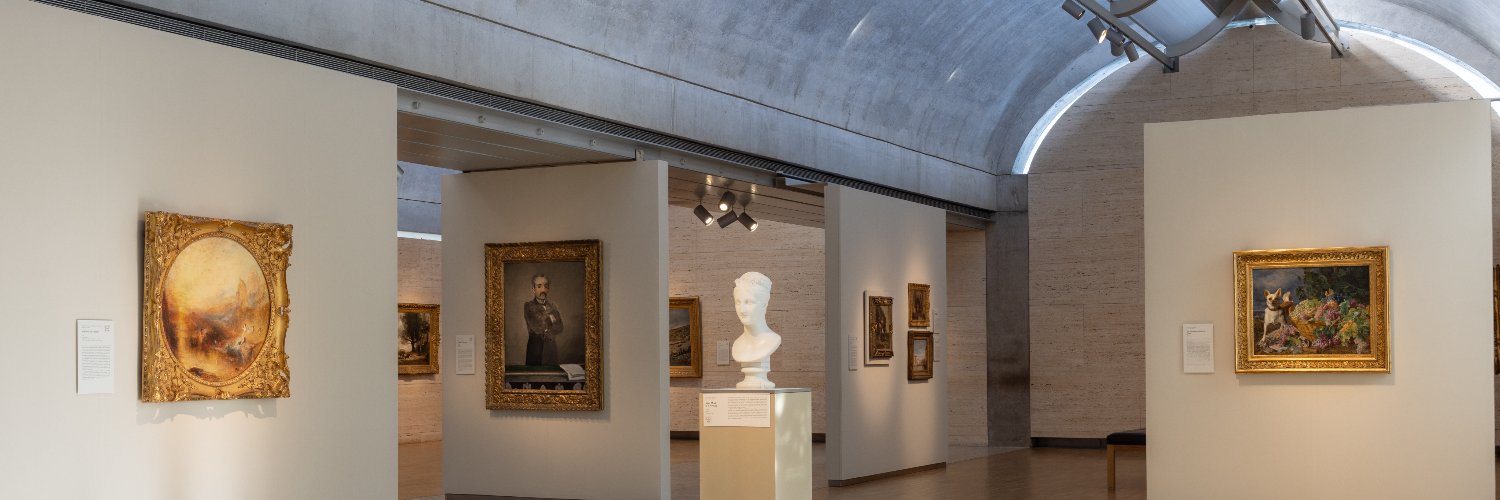
See this work on view in the south gallery of the Kahn Building.
https://t.co/KvoLO9Qnrb
Jean Siméon Chardin, “Young Student Drawing,” c. 1738. Kimbell Art Museum
As back-to-school season begins, “Young Student Drawing” offers a thoughtful reflection on the journey of learning and harnessing creativity.
In this painting, a young artist concentrates on copying a drawing, refining his skills through careful study and practice.
See the painting in the north gallery of the Kahn Building.
https://t.co/qG5jhO0i2Z
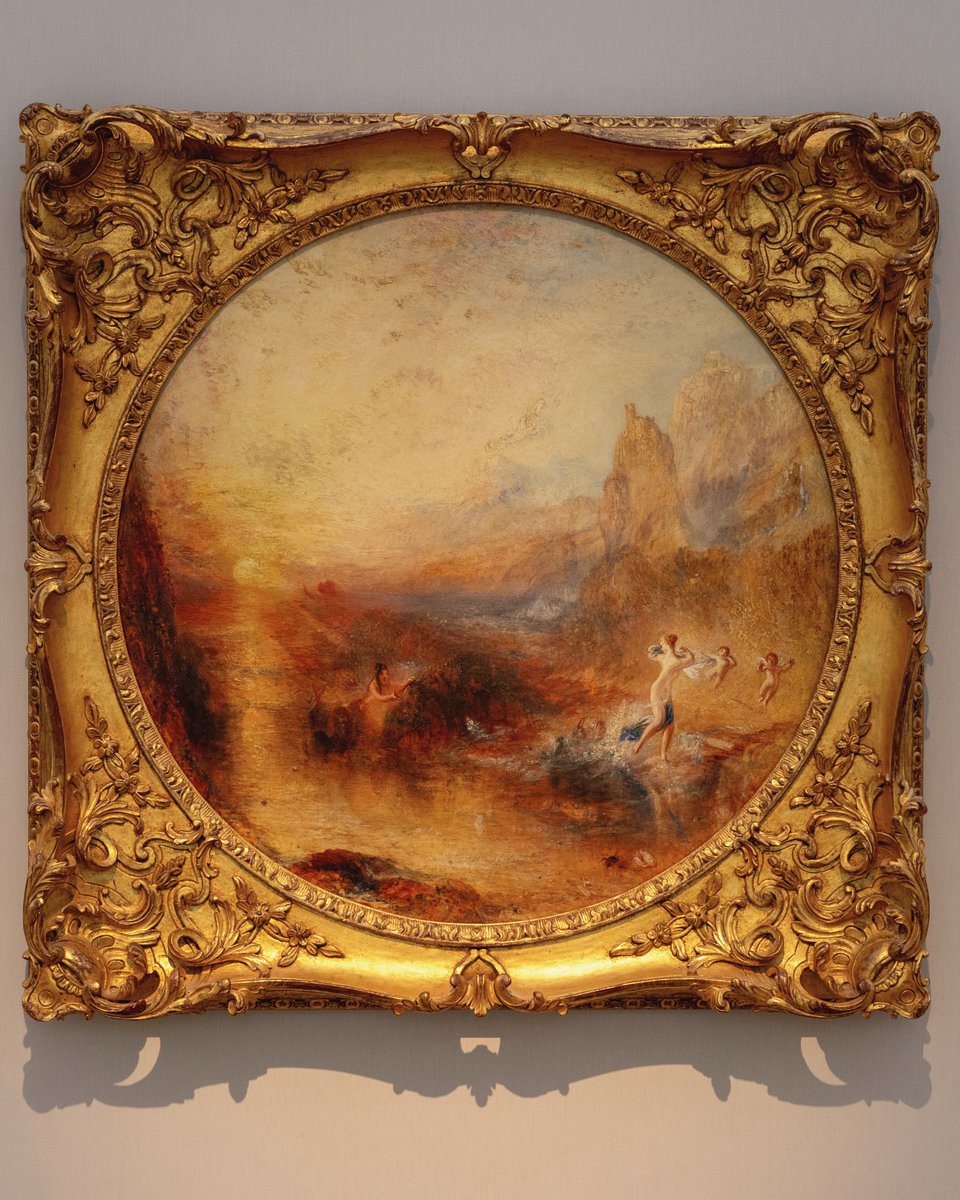
J. M. W. Turner, “Glaucus and Scylla,” c. 1841. The Kimbell Art Museum
Captivated by the myths of Circe? 🌊☀️
If you can’t get enough of the enchantress’s transformative powers, look to J. M. W. Turner's “Glaucus and Scylla” painting.
Circe will later transform Scylla into a terrifying, cliff-dwelling monster, which Turner probably alludes to with the two red outcroppings aglow on the distant horizon.
Visit the north gallery of the Kahn Building to see this early masterpiece for yourself.
https://t.co/9JqnflkVj2
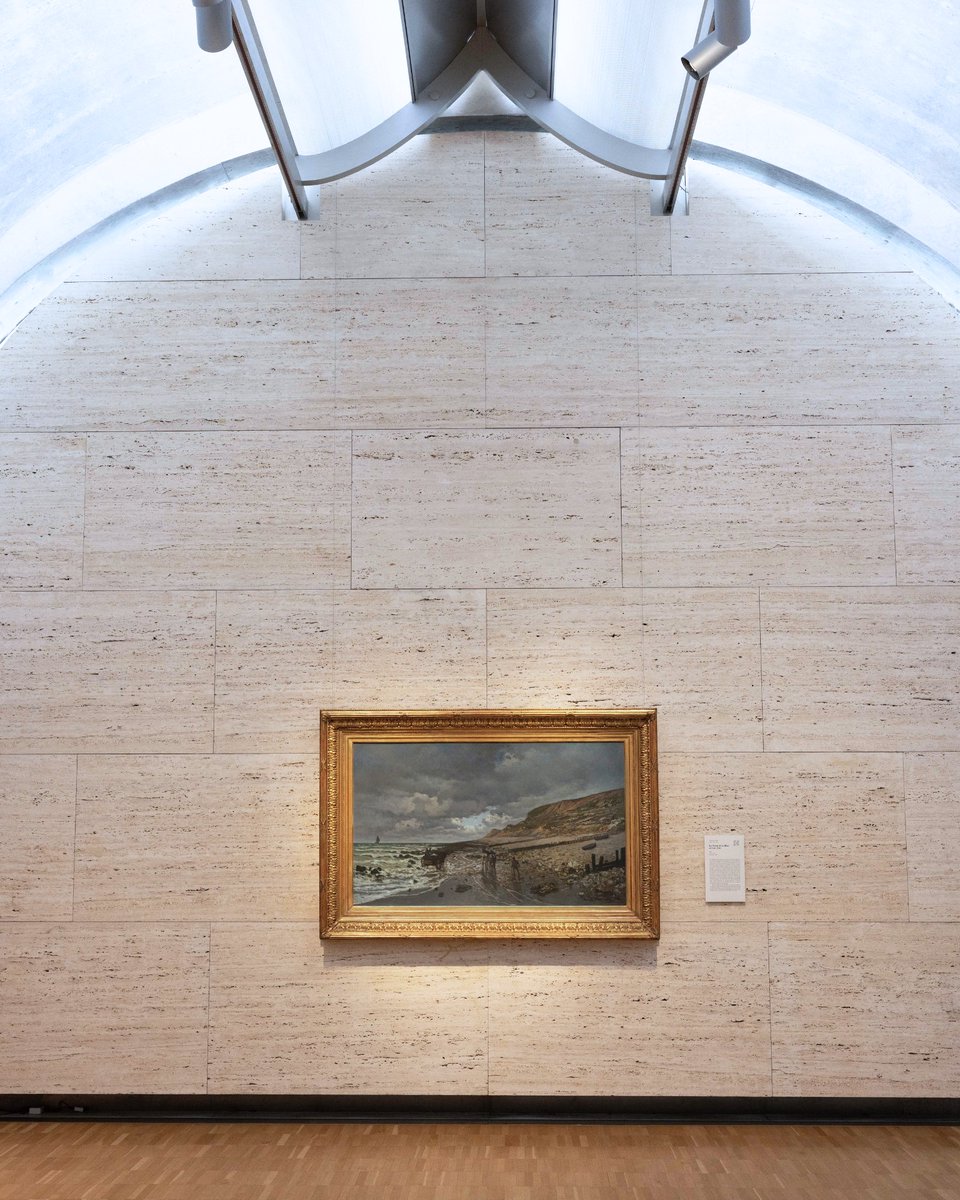
Claude Monet, “La Pointe de la Hève at Low Tide,” 1865. Kimbell Art Museum
The painting dates from the beginning of his career and was included in the Paris Salon of 1865, an important milestone that helped bring the young artist recognition.
The lion was a powerful symbol in biblical imagery, associated with courage and strength.
The mosaic may once have been part of a larger hunting composition, a common subject in late Roman and Early Christian art.
Tag a Leo who would appreciate this ancient artwork!