Rocket Lab is being added to the Nasdaq-100 Index.
This is a landmark moment for the team. We're incredibly proud of what we’ve achieved, and even more excited about what is still to come.
Nine years ago today, we launched Electron for the first time.
Later this year, Electron is expected to reach 100 launches, likely making it the fastest privately developed orbital rocket to hit that milestone.
From “It’s a test” to one of the world’s highest cadence launch vehicles in under a decade.
Here's a little walk down memory lane from that first historic launch.
Rocket Lab has been awarded a $90 million contract by the @USSpaceForce’s Space Systems Command @USSF_SSC to design, manufacture, integrate, and operate two geostationary satellites hosting the Heimdall space domain awareness payload produced by Rocket Lab Optical Systems.
Rocket Lab components have long played an essential role in many GEO programs, but this is our first satellite production program for geostationary orbit. The two satellites will be built on our Lightning bus, adapted for the thermal, radiation, propulsion, and station-keeping demands of GEO.
We've signed the largest launch contract in Rocket Lab history: 5x Neutron launches and 3x Electron launches across LC-1 and LC-3 from now through to 2029.
With Neutron's manifest filling up fast through to the end of the decade, the demand signal is clear: the market needs medium launch and assured access to space. We're ready to deliver with Neutron.
In a 24-team playoff, both these teams are comfortably in, with a bye. This game means nothing.
In 2013, it’s widely regarded as one of the most dramatic football games of all time.
Brand New Day? A Brand New Day to do what??? Out yourself out as a CREEP!!!!! Look at this poster! Close-up of that masked menace’s face, those empty lenses… and what’s he doing? SPYING. STALKING. LEERING at an innocent young woman like some kind of web-slinging peeping tom!!!!!
Imagine having this view as you’re commuting home.
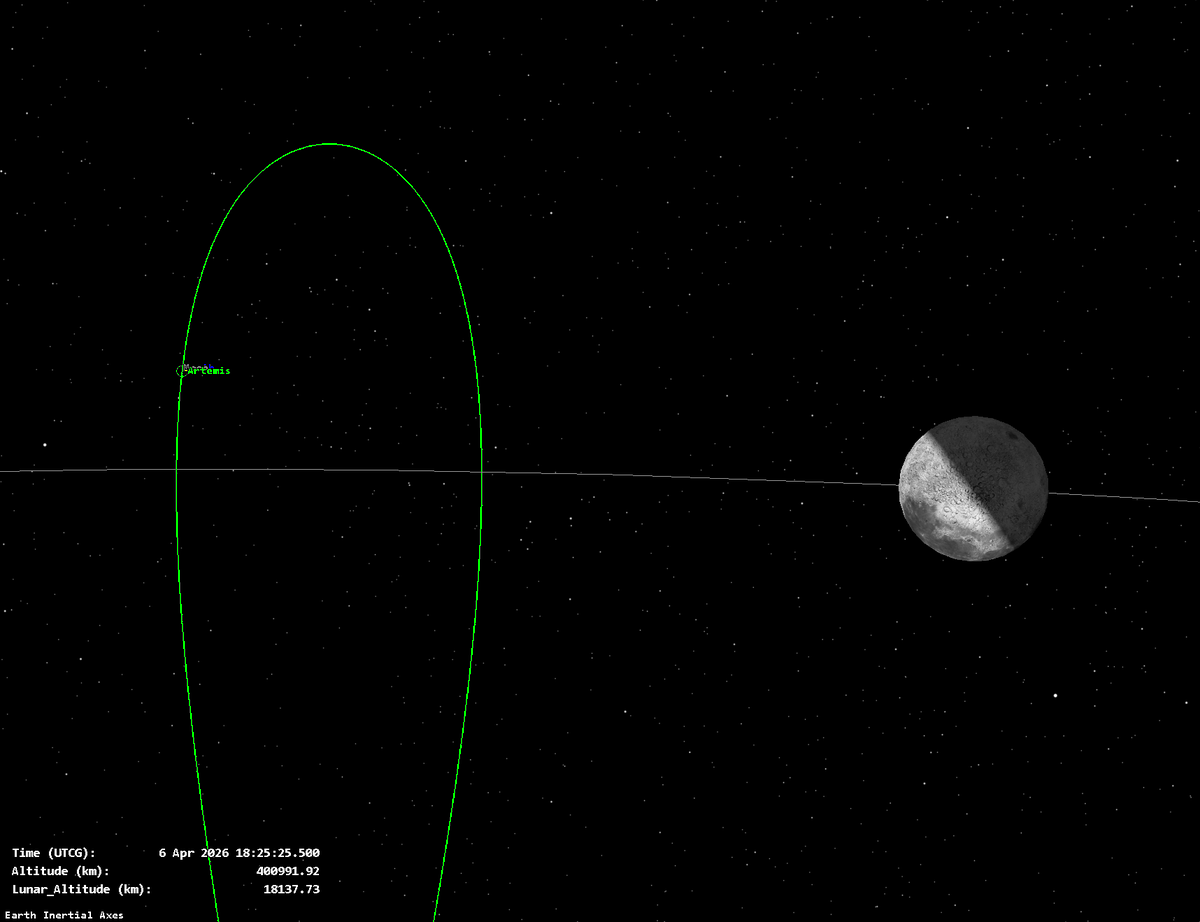
The Artemis 2 crew is now falling to Earth, picking up speed every second as gravity relentlessly pulls them.
When they plow into the upper atmosphere they’ll be the fastest humans in history - with nothing but air to slow them
Nasa is less than 1% of the budget, but has revolutionized diagnostic scanning for health prevention, lasik surgery, cancer treatments, health monitor wearables, memory foam products, cell phone sensors, power tools, etc.
People's lives have improved because of a space program.
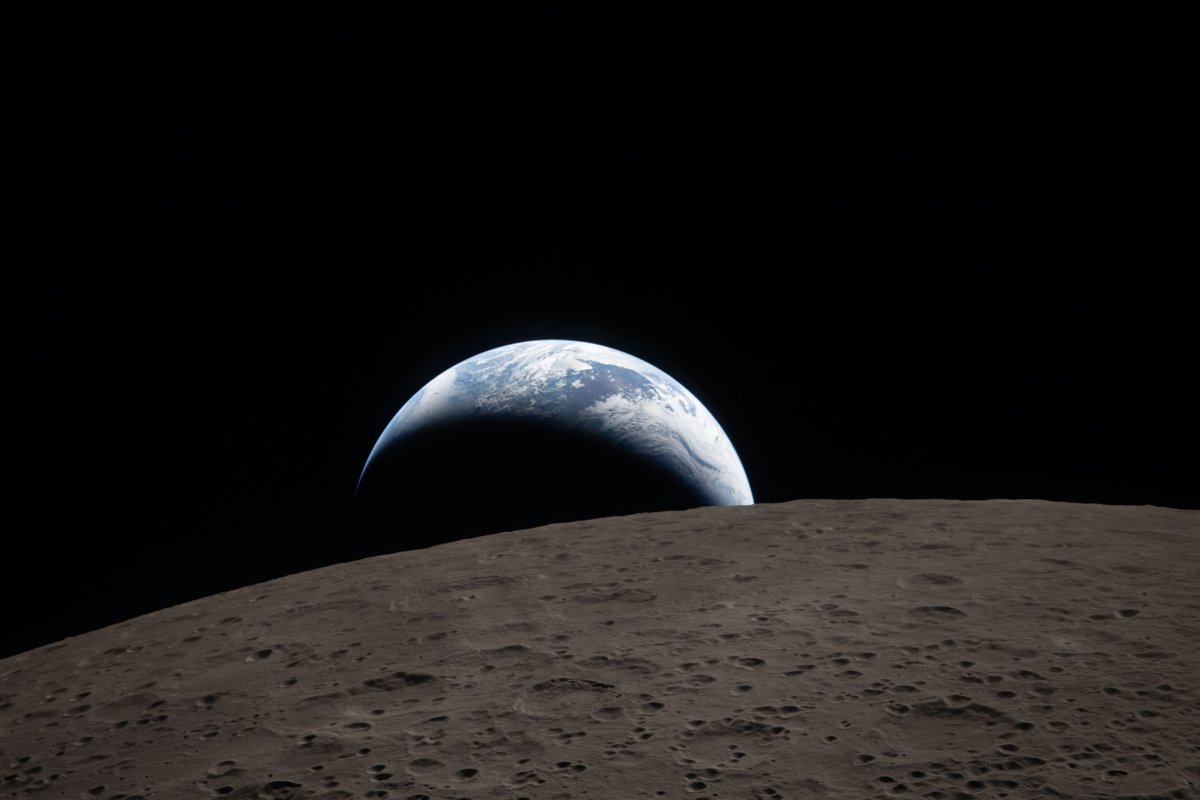
Earthset.
The Artemis II crew captured this view of an Earthset on April 6, 2026, as they flew around the Moon. The image is reminiscent of the iconic Earthrise image taken by astronaut Bill Anders 58 years earlier as the Apollo 8 crew flew around the Moon.