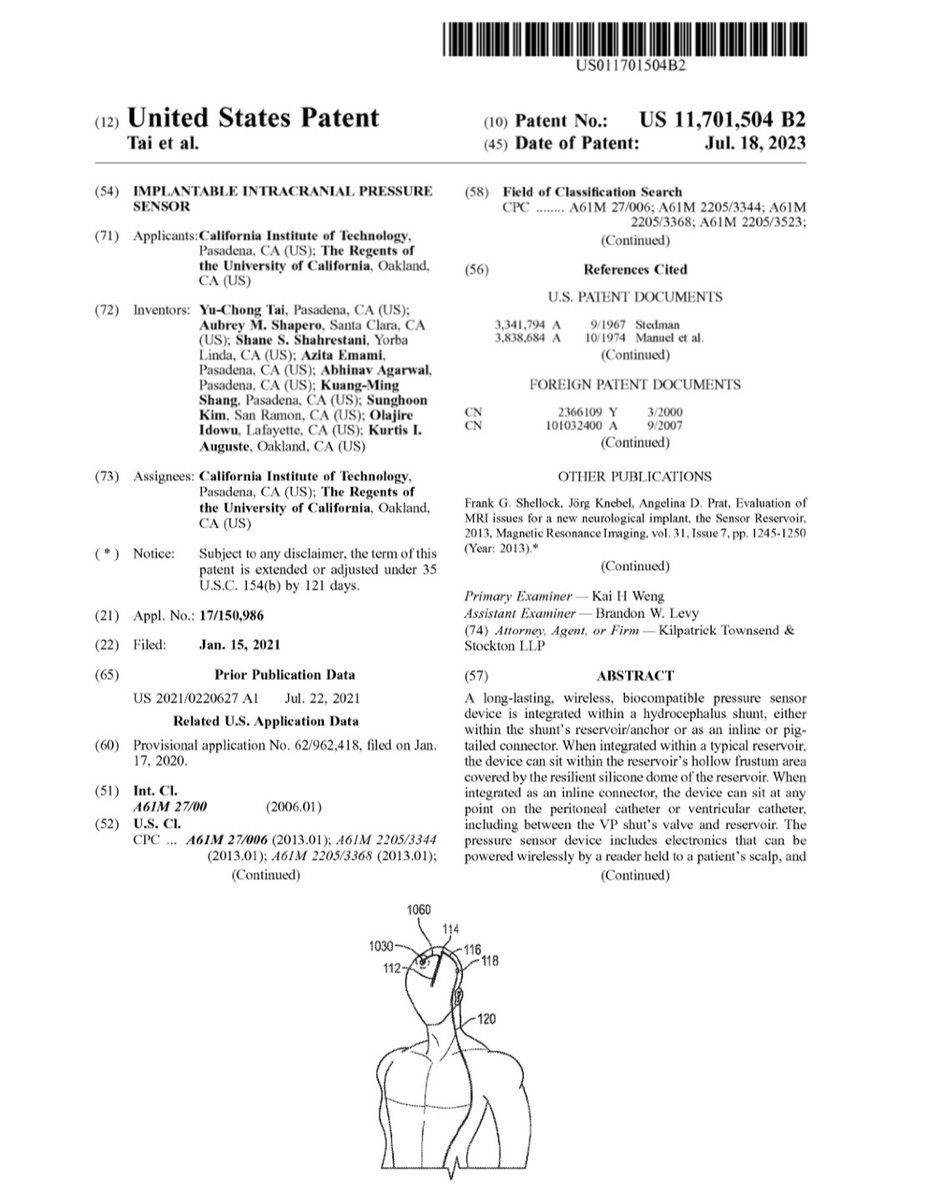
One step closer to a reality where we have long-term, reliable, non-invasive, and continuous ICP monitoring in shunted patients. Lowering rates of shunt taps and potential replacement can reduce an enormous surgical and cost burden for patients. Thanks to @Caltech for IP support!
LK-99 Endgame: What Happens Next & Market Size
If LK-99 is a room-temperature ambient-pressure superconductor, there are three distinct possibilities depending on its eventual engineering properties.
Here is a straightforward explanation of each scenario and estimated total market sizes in ARR:
The two limits on superconductor performance are:
- How much current it can carry
- How much magnetic field it can withstand
If either of these limits are exceeded, superconductors stop working. The scenarios are high/low field and high/low current, but you can't really get high-field without high-current, so only three scenarios
Scenario 1: Low-field, low-current ~$1.5 trn:
LK-99 saturates at relatively low fields, like 0.3T, and relatively low current densities, of ~1 amp / mm^2. It works in delicate electronics, small packages, at high efficiencies, with extremely high sensitivity.
It revolutionizes the following industries:
- Telecom hardware $650 bn; Cellphones $450 bn; Electronic Sensors $200bn; Satellites $70bn; GPUs $40bn; CPUs $20bn; Antennas $20bn.
Scenario 2: Low-field, high-current ~ $2 trn:
LK-99 can carry large current densities, on the order of >1000 amps / mm^2, but can't stand strong magnetic fields. It gains relevance in power transmission, switches, relays, and larger electrical equipment.
It revolutionizes the following industries:
Power transmission $320 bn; Wires + cables $200bn; Switches & Relays ~$ 25 bn and many others.
Scenario 3: High-field, high-current ~ $4.5 trn:
LK-99 can operate in high fields of several Tesla and high currents of >1000 amps / mm^2. It revolutionizes fundamental industries by replacing motors, generators, transportation equipment, and unlocks new energy sources like fusion.
It revolutionizes the following industries:
Power generation $1.8 trn; Electric Motors $300 bn; Rail freight $250 bn; Energy Storage $200 bn
~~~~
Some important considerations:
- "The totals don't add up" - If something works at high field, it works at low-field, and same for current. Therefore Scenario 1 is the base-case and adds to the bottom line of both other scenarios; it places the least engineering requirements on the material. All numbers for total market sizes are estimates found online in popular market reports for ~2022.
- To incorporate this material into micro-electronics means re-thinking the extremely-mature CMOS 300mm silicon wafer fabrication process, a process that would take a decade if not more to get right.
- A final consideration is the mechanical strain the material can withstand, which also affects the current and field tolerances of existing superconductors. Bulk deformations of the crystal lattice can disrupt superconducting properties - this issue has over-time been improved upon in modern high-temperature superconductors but is still present, and may limit applications in the long-run.
- Our current generation of YCBO-based high-temperature superconductors started out as low-field, low-current, highly strain-sensitive, and over 30+ years of engineering development, these now carry >1000 amps/mm^2 in fields as high as 10T (although these numbers trade off against each other). What this means is, with time, engineering, patience, and concerted effort, if TK-99 is a superconductor then Scenario #3 is highly likely within 10-20 years.
~~~~
Conservative estimate:
Current conservative estimates by an MIT professor put the probability of LK-99 being "it" at 5%.
Assuming a long-term achievement of Scenario 3, this gives an expectation value of a $225 billion annual market.
~~~~
Caveat: LK-99 is not yet confirmed to be a superconductor but has several suggestive corroborations from other experimentalists and simulations. I am reserving judgement until results are confirmed by a Department of Energy National Lab in the USA or a similarly regarded institution.
Prior to leading the team that developed the first atomic bomb at Los Alamos, J. Robert Oppenheimer held a dual appointment at Caltech and UC Berkeley. At least one term a year between 1930-1942, he commuted to Pasadena to teach Topics in Theoretical Physics. (Photo: 1930s)
Great thing about @caltech is that cross-departmental collaboration is easy and encouraged. Check out our latest publication on ACS AMI: Low-Temperature Direct Growth of Nanocrystalline Multilayer Graphene on Silver with Long-Term Surface Passivation https://t.co/LG5k7qxNJE
There’s no better way to learn how to be an influencer (to the people you care about) from @MarkRober!!! I wish I could be like him one day to inspire generations and generations.
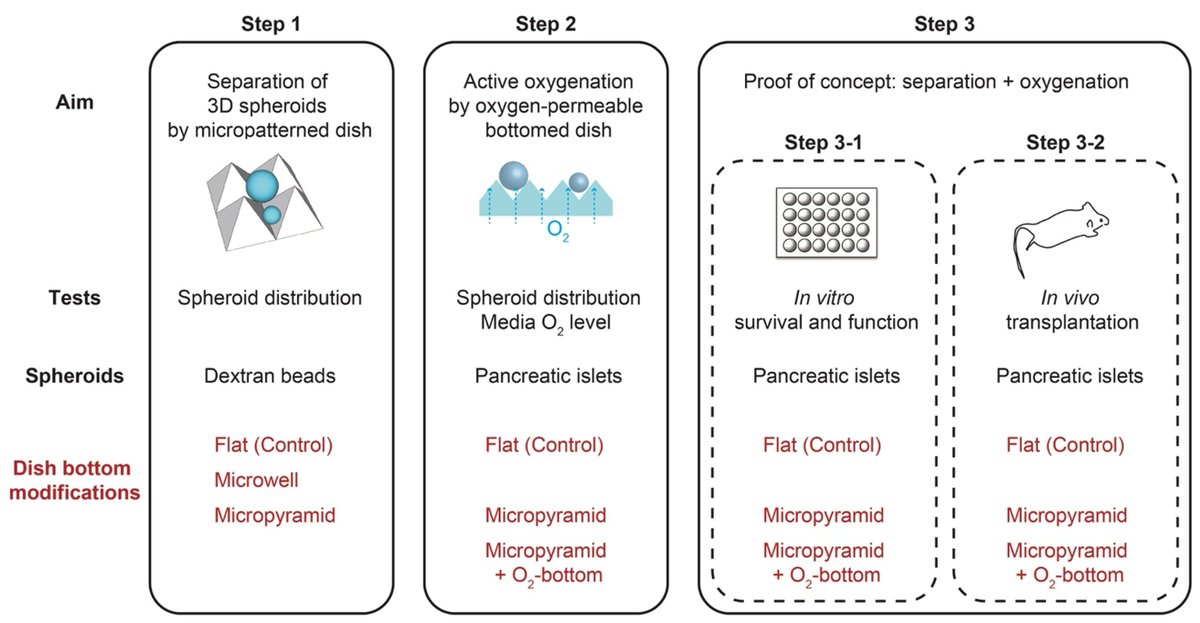
When islets are cultured in a micropyramid-patterned and oxygen-permeable bottomed dish, transplanting these islets into immunodeficient diabetic mice exhibited significantly improved engraftment to achieve euglycemia compared to islets cultured in the conventional culture wells.
Oxygen is the key to pancreatic islets' survival! Check out our technology for maintaining cell-spheroid viability and function for cell therapies:
https://t.co/XMTX4b1tmZ via @IOPscience#Biofabrication
Check out our newly published paper: Graphene on Nanoscale-Thick Au Films: Implications for Anticorrosion in Smart Wearable Electronics https://t.co/JZaHK8j3vl
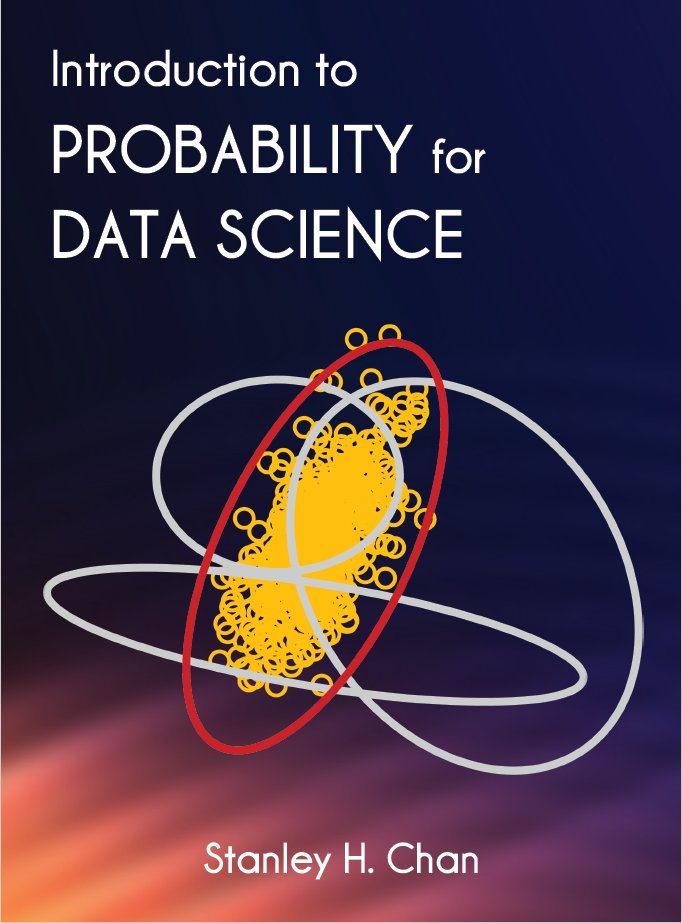
«Introduction to Probability for Data Science» by @stanley_h_chan, with video lectures, exercises, and Python, MATLAB, Julia, R code! 🤩🤩🤩
https://t.co/eRljUCIqtM
#Onthisday 100 years ago Leonard Thompson became the first person to receive an injection of insulin to treat Type 1 diabetes. The treatment was a success, leading to a Nobel Prize for the scientists that discovered insulin, including Frederick Banting, pictured.
#NobelPrize
The original vaccine-induced T cell response (via mRNA or J&J) is durable vs Omicron
https://t.co/ov8dBZjmiG
"current vaccines may provide considerable protection
against severe disease w/ the Omicron variant despite the substantial reduction of neutralizing antibody responses"
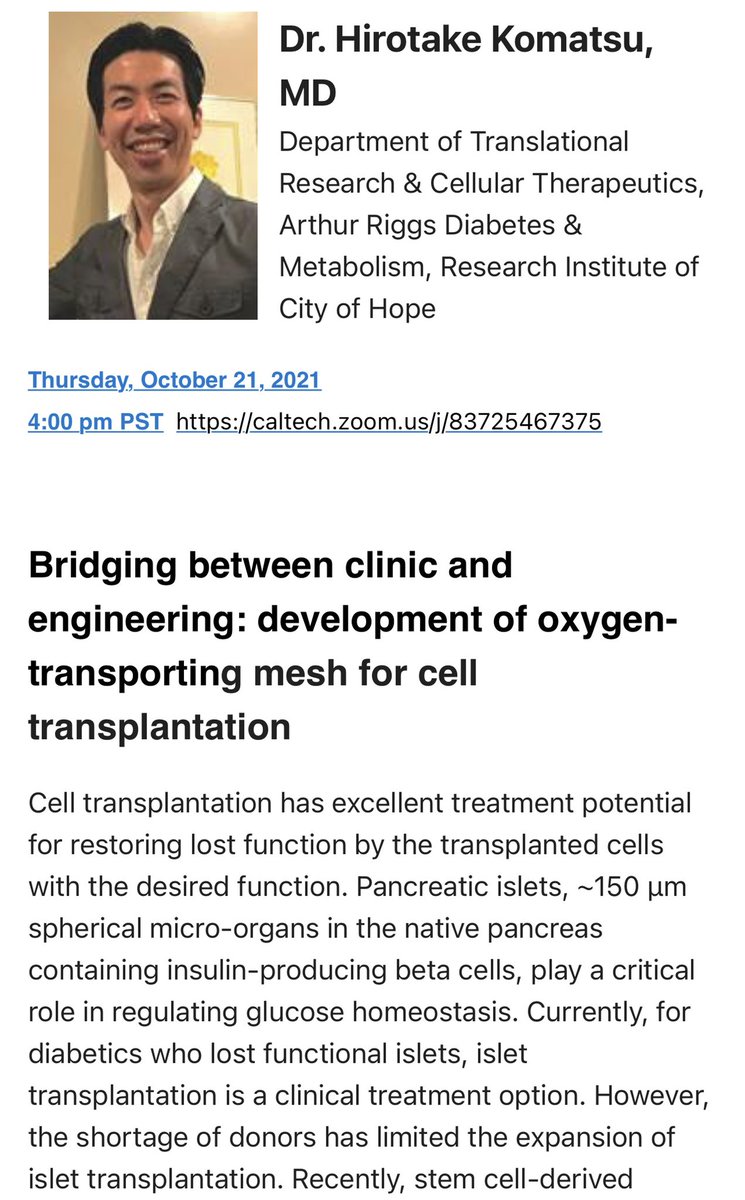
My collaborator (and very good friend), Dr. Hirotake Komatsu, is going to talk about our recent work on oxygen-transporting device for islet transplantation in treating type 1 diabetes (T1D) at 4PM PST tomorrow (10/21) virtually at Caltech. Folks are welcome to join!
Our new study is out today in Nature! We demonstrate a brain-computer interface that can turn thoughts about handwriting into text, enabling a person with paralysis to type 18 words per minute – doubling the prior record. 1/3
https://t.co/l3PaBnm0Uv