The recent decision by the Transport Commissioner to bar sleeper buses from operating on the Jammu–Srinagar highway is being presented as a safety measure, but many in Kashmir see it as yet another instance of systemic bias where decisions disproportionately disadvantage the Valley while benefiting interests based in Jammu.
Historically, Kashmir’s connectivity and economic autonomy have often been shaped—or restricted—by policies driven from Jammu-centric administrative and business lobbies. This latest order appears to follow the same pattern. While safety on mountainous roads is a legitimate concern, the blanket ban on sleeper coaches raises serious questions, especially when similar services continue to operate in other hilly regions across India, including Himachal Pradesh and Uttarakhand, without such outright prohibitions.
The Jammu–Srinagar highway is not just a road—it is a lifeline for Kashmir. Any policy affecting it has direct economic and social consequences for people in the Valley. By removing sleeper buses, which provided a relatively affordable and convenient overnight travel option, the decision shifts the burden onto passengers, many of whom now face higher costs, longer travel times, and reduced comfort.
At the same time, the move appears to align closely with the interests of conventional bus operators, particularly those based in Jammu. The immediate support from the Jammu transport lobby, including sleeper bus associations, has reinforced the perception that this is not merely a safety-driven intervention but one that redistributes economic gains toward a specific group. With sleeper buses out of the picture, passenger demand is expected to fragment across multiple standard buses, increasing trip frequency and earnings—primarily for Jammu-based operators.
What makes the situation more concerning is the impact on those who invested in sleeper buses. Many operators, including Kashmiris, took significant bank loans to purchase these vehicles, betting on a growing demand for modern, long-distance travel. The sudden regulatory shift has now put their livelihoods at risk, leaving them burdened with debt and uncertain about their future in the transport sector.
If safety is indeed the primary concern, stakeholders argue that the administration should have explored regulatory improvements—such as stricter vehicle standards, driver training, route-specific guidelines, or limited permits—rather than imposing a complete ban. A more balanced approach could have addressed risks without dismantling an entire segment of the transport ecosystem.
In its current form, the order reflects a deeper structural issue: decisions affecting Kashmir are often taken without adequately considering the region’s unique needs or consulting those directly impacted. For many, this is not just about buses—it is about a recurring pattern where policy choices seem to favor Jammu’s economic networks while placing additional constraints on Kashmir’s mobility and enterprise.
Afsoos our premier hospitals are in such shambles.
Wake-up @sakinaitoo@JKSamadhan@CM_JnK
Citizens deserve cleanliness and top notch health care which go hand in hand.
This is failure of duty bound staff and admin.
@SMAltafBukhari@mohsinzshah
Transport industry in Kashmir has been pushed to the wall.
In ideal conditions everyone should have fair chance of competition but the Smart city buses have unfair advantage over others whose bread and butter is dependent
@CM_JnK please hear the please before this one collapses
This is horrible if true that waste is being drained into channels of drinking water fed to numerous areas.
@CM_JnK@diprjk@rtimuzaffar@TahirPeerzada_
Clean drinking water is basic right of any human and same is getting violated as in video. Hope govt take strong action
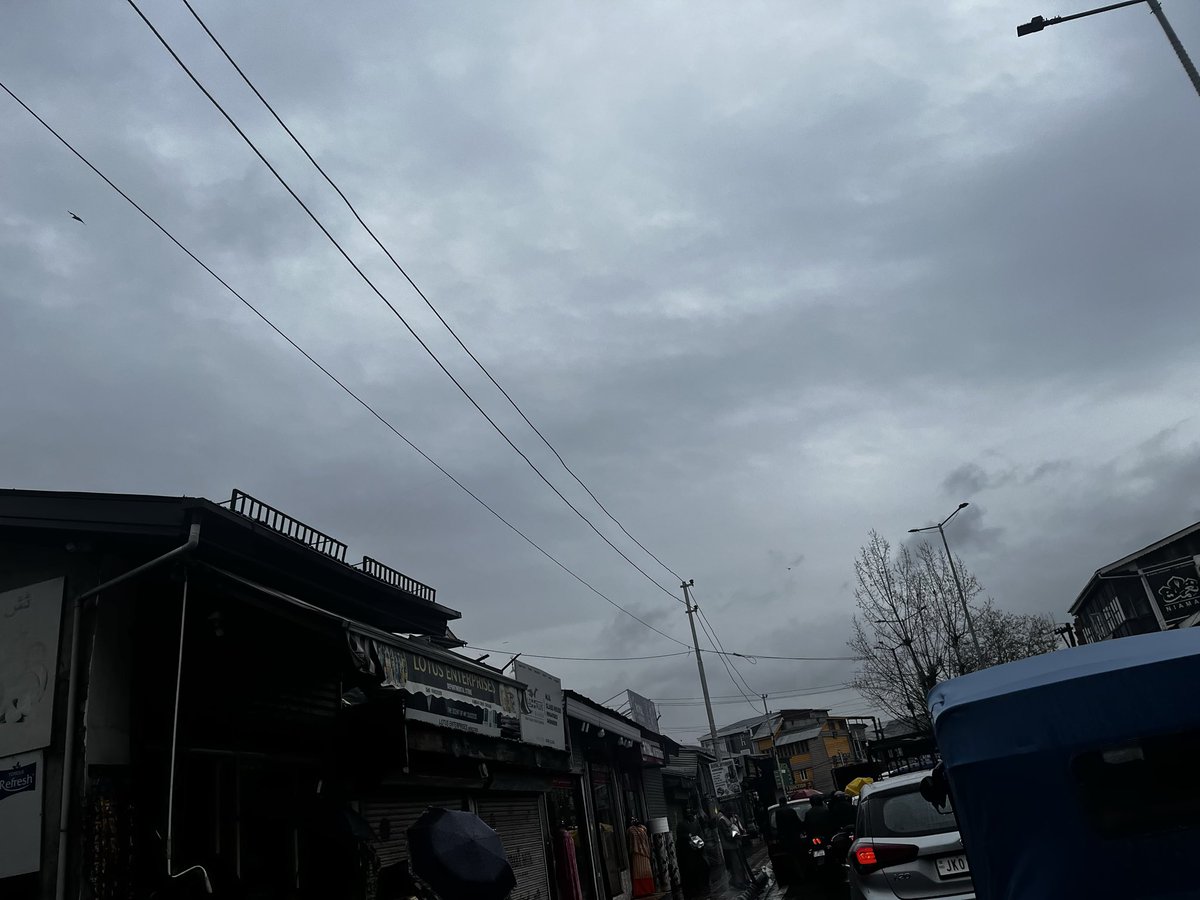
Chaos on roads of Srinagar.
No personal is visible to manage traffic and vehicles are barely crawling.
Downtown is worst affected if traffic mismanagement in view of Eid shoppers.
@Traffic_hqrs@TahirPeerzada_@rtimuzaffar
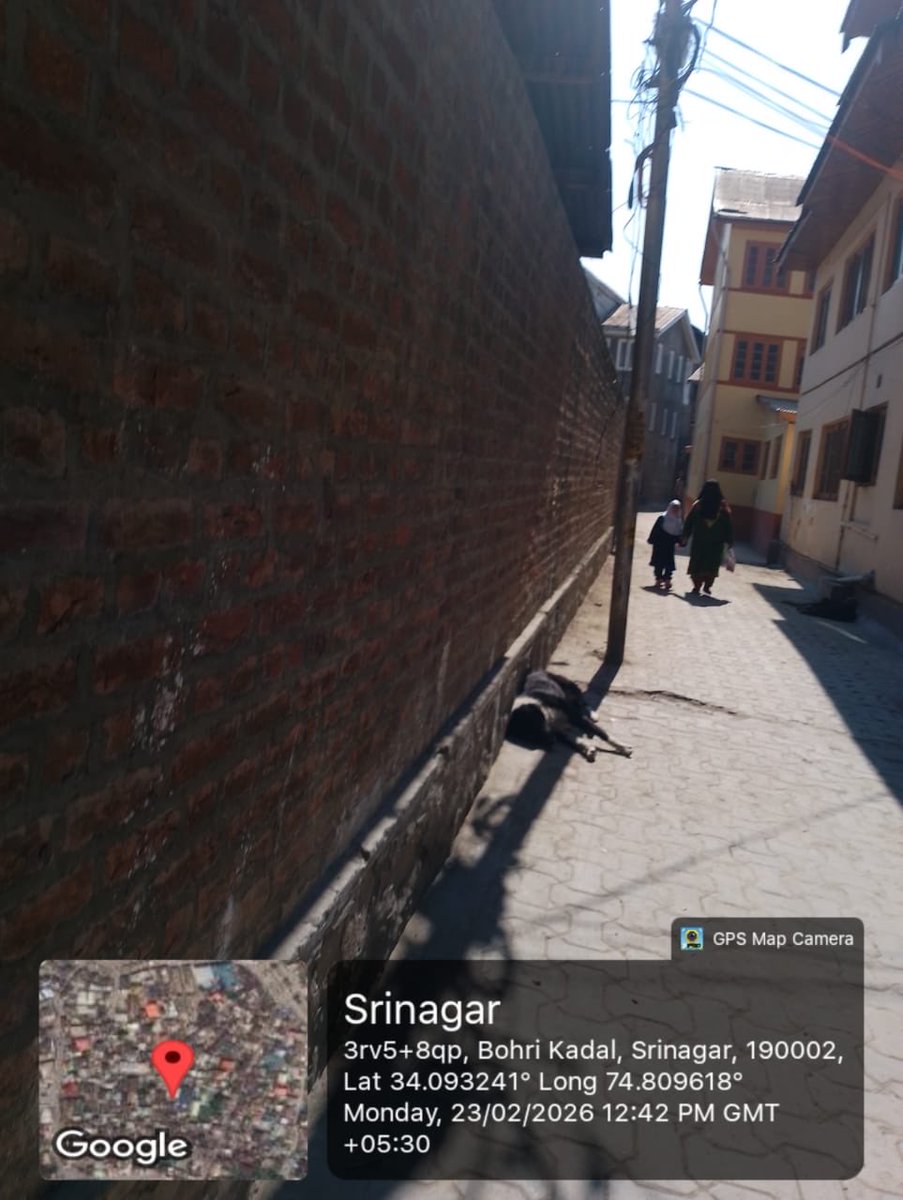
In addition to the below pending lights, below are attached images where lighting is required in this holy month as worshipers move in darkness.
@SMC_24x7@SMC_Srinagar@FazLulhaseeb@KasNuzhat