Proud son of Cincinnati. Lover of all things Cincinnati, especially our FC! Airborne soldier, Afghanistan veteran, sometime-diplomat. Searching for my ikigai.
Harry Truman left the White House as one of the least popular presidents of his era. He returned home without a presidential pension, without a government-funded staff, and without much public appreciation for the choices he had made. Yet more than a decade later, another president would travel to his hometown to place tangible proof in his hands that one of his greatest defeats had never truly been a defeat at all.
On January 20, 1953, Truman’s presidency came to an end.
Unlike former presidents today, he had no taxpayer-funded office waiting for him. No lifetime salary. No official support system. The Former Presidents Act, which would later provide those benefits, had not yet been created.
His most reliable income came from his World War I military pension.
It was a little over one hundred dollars a month.
So Harry and Bess Truman boarded a train, left Washington behind, and returned to Independence, Missouri.
At the time, few Americans seemed upset to see him go.
His approval ratings had collapsed. Critics blamed him for inflation, political scandals, the Korean War, and much of the uncertainty that followed World War II. Newspapers had spent years portraying him as ineffective, and many voters believed his legacy had already been written.
In the eyes of much of the country, Harry Truman was a failed president.
Truman never spent much energy arguing otherwise.
Instead, he settled back into ordinary life.
That same year, he bought a Chrysler and took a road trip with Bess across the country. They drove through multiple states without a motorcade or special treatment. Truman stopped at gas stations and filled the tank himself.
People recognized him.
Truck drivers waved.
Strangers asked for autographs.
Once, state police reportedly pulled him over because he was driving too slowly.
Back home in Independence, he answered his own phone, handled his own mail, and took daily walks through town. Reporters who tried to follow him sometimes struggled to match his pace.
The former president had become, in many ways, a private citizen again.
What stood out most was what he refused to do.
He did not spend his retirement attacking Dwight Eisenhower.
He did not launch a campaign to repair his image.
He did not obsess over his place in history.
He simply moved forward with his life.
Meanwhile, history quietly began revisiting the decisions he had made.
One of those decisions came in 1948 when Truman signed Executive Order 9981, beginning the desegregation of the U.S. military.
It was a politically risky move.
Military leaders objected. Southern Democrats were furious. Many advisers warned him against it.
Truman proceeded anyway.
He believed segregation was morally wrong, and once he reached that conclusion, political calculations no longer mattered much to him.
Then there was Europe.
The continent emerged from World War II shattered. Economies were broken, cities lay in ruins, and millions faced poverty and instability.
Truman’s administration responded with policies that would shape the modern world.
The Truman Doctrine committed America to resisting Soviet expansion.
The Marshall Plan invested billions in rebuilding Western Europe.
At the time, many critics called it wasteful spending.
Years later, those same decisions looked very different.
European economies recovered. Democracies survived. Western Europe entered one of the most stable and prosperous periods in its history.
Policies once mocked as expensive mistakes increasingly appeared to be the foundation of the postwar order.
Yet one issue remained painfully unresolved.
National health insurance.
In 1945, only months after World War II ended, Truman became the first American president to formally ask Congress for a comprehensive national health insurance program.
He believed illness should not destroy a family financially.
The opposition was immediate and intense.
The American Medical Association denounced the proposal. Conservatives attacked it. Many lawmakers from both parties joined forces to stop it.
The legislation died.
Truman tried again.
It failed again.
When he left office in 1953, one of the causes he cared about most remained unfinished.
There would be no celebration.
No signing ceremony.
No victory.
So Truman returned to Missouri and carried on with his life.
Then, twenty years after he first began the fight, something remarkable happened.
On July 30, 1965, President Lyndon B. Johnson signed legislation creating Medicare and Medicaid.
Johnson could have held the ceremony at the White House.
Instead, he boarded Air Force One and flew to Independence, Missouri.
The signing took place inside the Harry S. Truman Presidential Library.
Waiting there was an 81-year-old former president whose vision had once been dismissed and defeated.
Before signing the bill, Johnson publicly praised Truman for championing the cause long before the nation was ready to embrace it.
Then he signed the legislation.
Medicare and Medicaid became law.
Johnson handed several of the signing pens to Harry and Bess Truman.
In front of the country, he made something clear:
The man who had lost the battle in the 1940s had helped make victory possible in the 1960s.
But Johnson had one more tribute planned.
Six months later, he returned to the Truman Library carrying two small cards.
They were among the first Medicare cards ever issued.
Card number one belonged to Harry S. Truman.
Card number two belonged to Bess Truman.
Johnson presented them personally.
The symbolism was impossible to miss.
The president who had left Washington believing one of his most important goals had failed now held proof that the idea had survived long enough to become reality.
The cause had outlived the defeat.
Truman died in 1972 at the age of eighty-eight.
By then, historians had already begun reevaluating his presidency.
The Marshall Plan.
The Truman Doctrine.
The integration of the armed forces.
The recognition of Israel.
The creation of NATO.
The strategy of containing Soviet expansion without triggering another world war.
And the early push for national health insurance.
Decisions that once drew criticism increasingly looked like acts of long-term leadership.
The president who left office with approval ratings near thirty percent gradually rose in historical rankings until he became widely regarded as one of the most consequential presidents of the twentieth century.
What makes that transformation remarkable is that Truman did almost nothing to create it.
He did not reinvent himself.
He did not rewrite history.
He did not spend decades demanding recognition.
He returned home, lived quietly, and let time deliver its verdict.
Some victories happen on election night.
Some arrive when a bill becomes law.
And some take decades before the world realizes the people who appeared to lose were simply ahead of their time.
Harry Truman lived long enough to see one of those victories placed directly into his hands.
History is patient.
Sometimes it takes years for the world to catch up to the people who were right.
@Enquirer I hope the loss of these delicious food items and of the $$ for the upkeep of the church and school qualifies for reimbursement from some agency or government relief fund….!
As a kid, Quentin Roosevelt smuggled the family pony into the White House elevator to cheer up his brother Archie, who was stuck in bed with the measles. He was the youngest of Teddy's six children and everyone who knew the family said the same thing about him: he was the one most like his father.
He was also half blind and had a wrecked back from the time a pack horse rolled over him during a rockslide at the Grand Canyon.
Neither of those things was going to stop him. When America entered the war, Quentin got into flight school by memorizing the eye chart before the physical. He was 19.
They stuck him behind a desk in France running supply at a training field, which he hated. He spent months pushing to get to the front. Back home he had a fiancee, Flora Payne Whitney, a Vanderbilt heiress and one of the most photographed young women in America. They wanted to marry before he shipped out. The Army wouldn't let her into the war zone. His father, the former President of the United States, called the rule idiotic and wicked and could do nothing about it. They never married.
Quentin finally reached the front in the summer of 1918, flying a Nieuport 28 with the 95th Aero Squadron. On July 10 he shot down a German plane. Four days later, on Bastille Day, he flew into a huge dogfight over the opening of the Second Battle of the Marne and took two machine gun rounds to the head. He went down behind German lines near a village called Chamery. He was 20 years old.
Here is the part that gets me.
The Germans knew exactly who they had killed. Theodore Roosevelt was famous in Germany and genuinely respected there. So the men who shot him down buried him with full military honors, and they marked the grave with a cross they made out of two basswood saplings lashed together with wire stripped from the wreck of his own plane.
Then they photographed it and sent the pictures out, and half of Germany was quietly appalled that this was who they had killed.
TR heard the news at Sagamore Hill. His first words were not about himself. They were "But Mrs. Roosevelt. How am I going to break it to her?"
In public he was a rock. He told the press that he and his wife were glad their boy had gotten to the front and had a chance to show the stuff that was in him. In private, people who visited that fall said he had gone quiet, and that they sometimes heard him in the barn saying "poor Quinikins" to himself.
He was dead within six months. January 6, 1919, in his sleep, age 60. His son Archie cabled his brothers four words: THE OLD LION IS DEAD.
Quentin stayed in that French field for 37 years.
Then in 1955 they moved him to the American cemetery above Omaha Beach and laid him next to his oldest brother, Ted Jr., who had waded ashore at Utah Beach on D-Day at age 56, walking with a cane, and won the Medal of Honor for it before his heart gave out a month later.
That same morning, Ted Jr.'s son landed in the first wave at Omaha. His name was Quentin Roosevelt II. He was named after the uncle he never met.
Two brothers, two world wars, buried side by side in Normandy. Same family. Same answer every time.
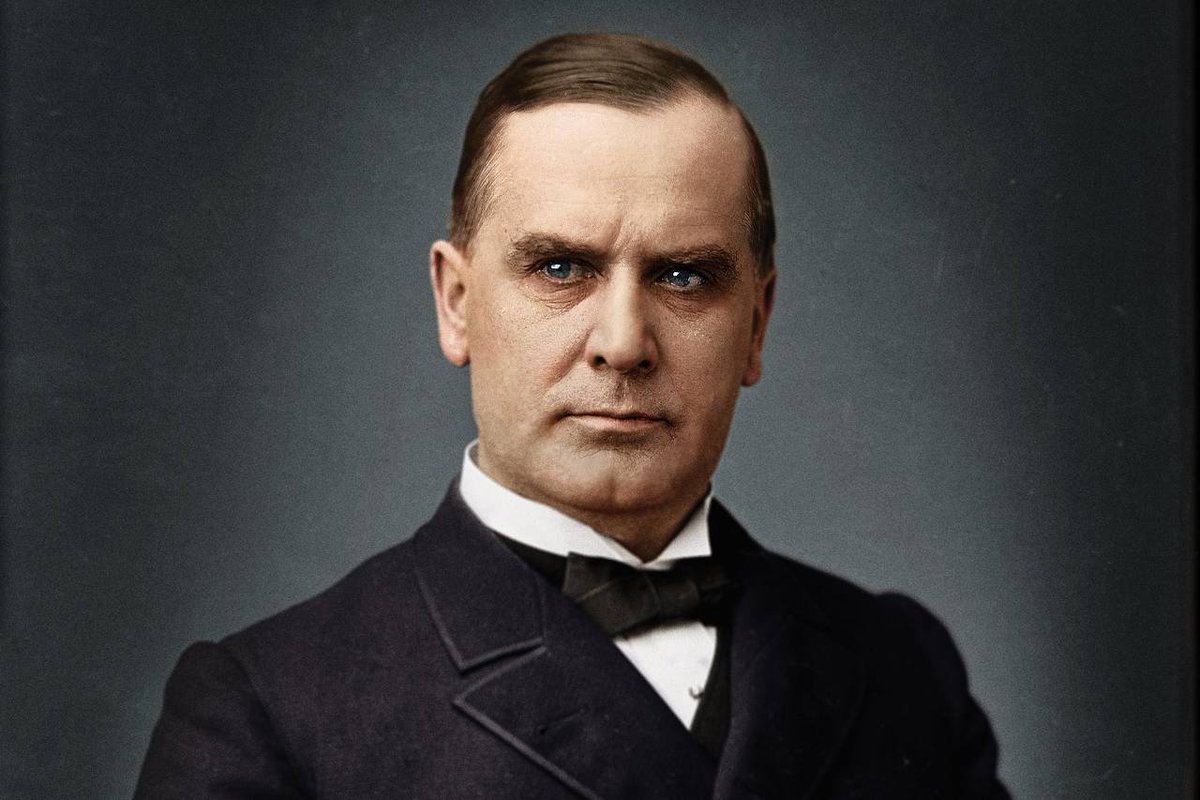
William McKinley, the 25th President of the United States, believed a red carnation in his lapel was his lucky charm and wore one nearly every day. On September 6, 1901, while greeting the public in Buffalo, he took the carnation off his own coat and handed it to a little girl in the crowd as a sweet gesture. Minutes later, now without his lucky flower, he reached out to shake the next hand in line. It belonged to an assassin, who shot him twice in the stomach. McKinley died days later, and Ohio was so moved by the story that it made the scarlet carnation the state flower in his honor.
In happier times, his free time was full of odd charm. McKinley kept a pet parrot named "Washington Post," a green Mexican parrot he adored. The President had a little routine with it: he'd whistle the opening notes of "Yankee Doodle," and the parrot would finish the tune. The bird also worked as an unofficial White House greeter and would famously squawk "Look at all the pretty girls!" whenever women walked past its cage.
But the most moving thing about McKinley was how he treated his wife. Ida McKinley suffered from severe epilepsy and would have sudden seizures, sometimes right in the middle of formal state dinners. Instead of hiding her away like many men of that era would have, McKinley insisted she sit right next to him at every dinner, breaking official seating rules to do it. When a seizure struck at the table, he would calmly drape a handkerchief over her face to give her privacy until it passed, then lift it and continue the conversation as if nothing had happened. He did this quietly for years, out of pure devotion.
His murder also changed the country permanently. McKinley was the third President assassinated in about 36 years, and his death is the reason the Secret Service was formally assigned to protect the President full time.
So the real William McKinley: gave away his lucky flower minutes before he was shot, taught his parrot to finish "Yankee Doodle," and loved his sick wife so tenderly that he'd shield her with a handkerchief at the dinner table and never miss a beat.
That's a President.
15 August; Five Years Later
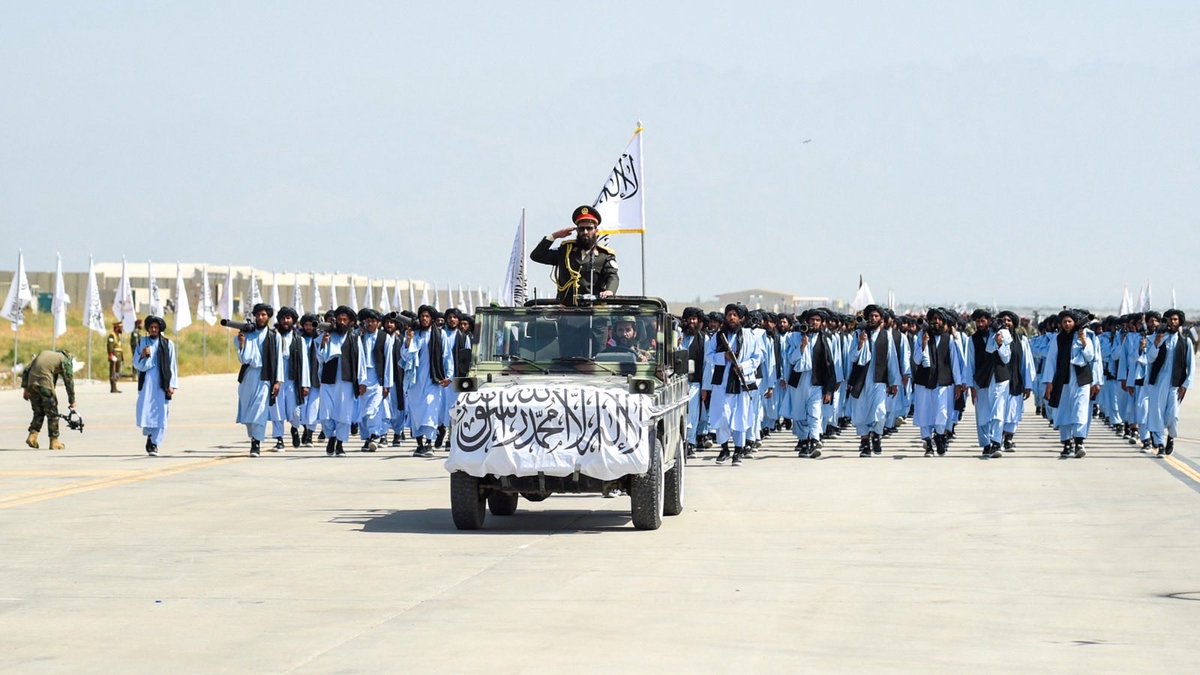
A girl who was 12 when Kabul fell is 17 today. She has spent almost her entire adolescence waiting for her school to reopen.
A university student who was 18 is now 23, her degree unfinished.
A female journalist who once walked into a newsroom now thinks twice before leaving home.
A soldier who served the Republic may now be a refugee, a labourer abroad, unemployed at home or dead.
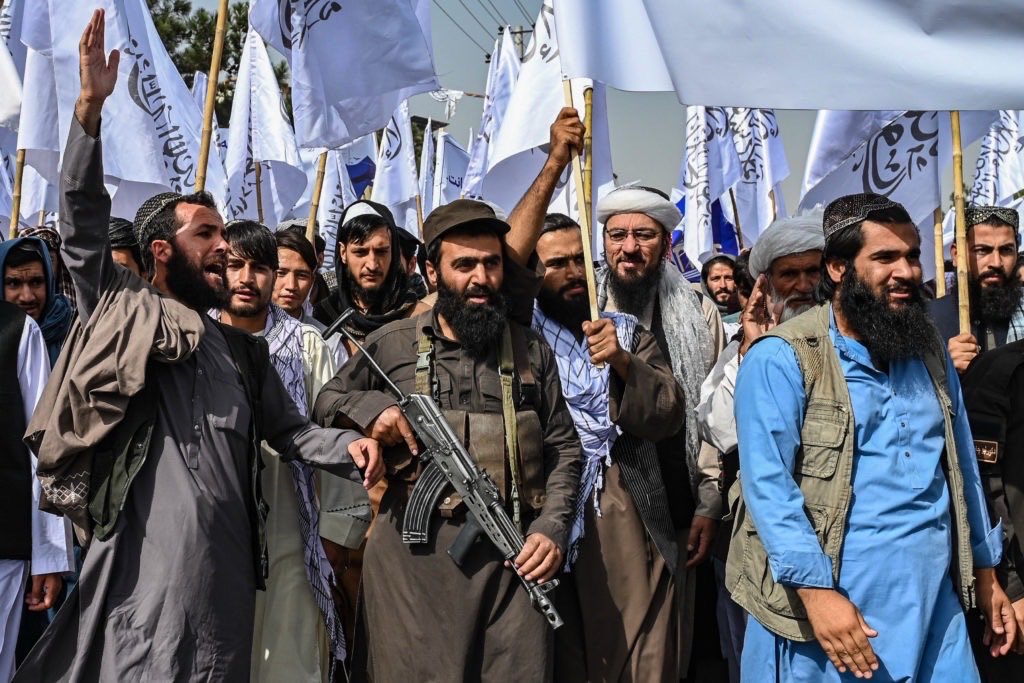
A child born that August is five today. The Taliban are the only government that child has ever known.
That is what five years means.
I was in Kabul on 15 August 2021.
I remember the rumours racing through the city. Roads filling. Offices emptying. Friends calling each other: Where are they now? What should we do?
People destroyed documents and deleted photographs. Families had hours to decide whether to stay, hide or run.
Then came the airport.
Mothers carrying children through desperate crowds. Families separated at the gates. People running beside aircraft.
And then the silence.
A city of 7-8 millions suddenly understood that the country we had known was gone.
Five years later, the Taliban have things they can point to. The nationwide war largely ended. They established control over the country, improved revenue collection and reduced poppy cultivation.
But ending a war is not the same as building peace.
This fifth year has also brought some of the most worrying security developments since 2021.
Badakhshan is a warning. Fighting involving Juma Khan Fateh, armed resistance, Taliban reinforcements and the killing of senior provincial officials have exposed tensions beneath the surface. Relations with Pakistan have descended into deadly confrontation, while ISIS-K remains a threat.
And then there are Afghanistan’s women.
More than 2.4 million girls are excluded from secondary education.
More than 100 restrictions have been imposed on women and girls.
Half of Afghan women surveyed by UN Women say they leave home only once or twice a month.
Behind those numbers are people, daughters, sisters, classmates, teachers, doctors and colleagues.
The economy has survived, but survival is not prosperity. The World Bank says GDP grew 4.8% in 2025, yet income per person fell around 5.6%. Millions still depend on humanitarian assistance.
The Taliban won the war. They have maintained control. But five years later, Afghanistan still lacks political inclusion, international legitimacy and opportunities for millions of its people.
The Republic must also face its failures. Corruption, patronage, political infighting and dependence on foreign support hollowed out a system that collapsed with astonishing speed.
I witnessed its hopes. I also witnessed its failures.
That is why 15 August should be neither a day of triumphalism nor nostalgia.
It should be a day of reflection.
How did a Republic built over twenty years disappear in days?
And how can a movement that won the war ensure Afghanistan does not simply enter another cycle of exclusion, resistance and conflict?
Five years ago, I watched Kabul fall.
I remember the fear. The confusion. The desperate phone calls. The families searching for a way out.
But today I keep returning to that 12-year-old girl.
She is 17 now.
Afghanistan cannot give her those five years back.
The least it can do is not take the next five from her.
The purpose of reporting “beneficial ownership” of companies (who really owns it) is to keep criminals & hostile countries from hiding assets & creating fronts. The purpose of eliminating this requirement & deleting the data, as the USG has done, is not clear. @ACGeoEcon 1/2
@BillKristol It’s ALWAYS allllll about the Benjamins, ain’t it? There was no crisis of conscience, ever, and once defeated, Cassidy, Tillis et al started thinking about the future: lobbying. So they let Collins and Murkowski off the hook so they could be NO votes.
Hey @united you might want to check your route competition, Breeze and rethink your fares. I compared your direct to theirs RT on the same dates and the Breeze NICER package (extra legroom! No checked bag charge!) is approximately one fourth of what you are charging for Economy.
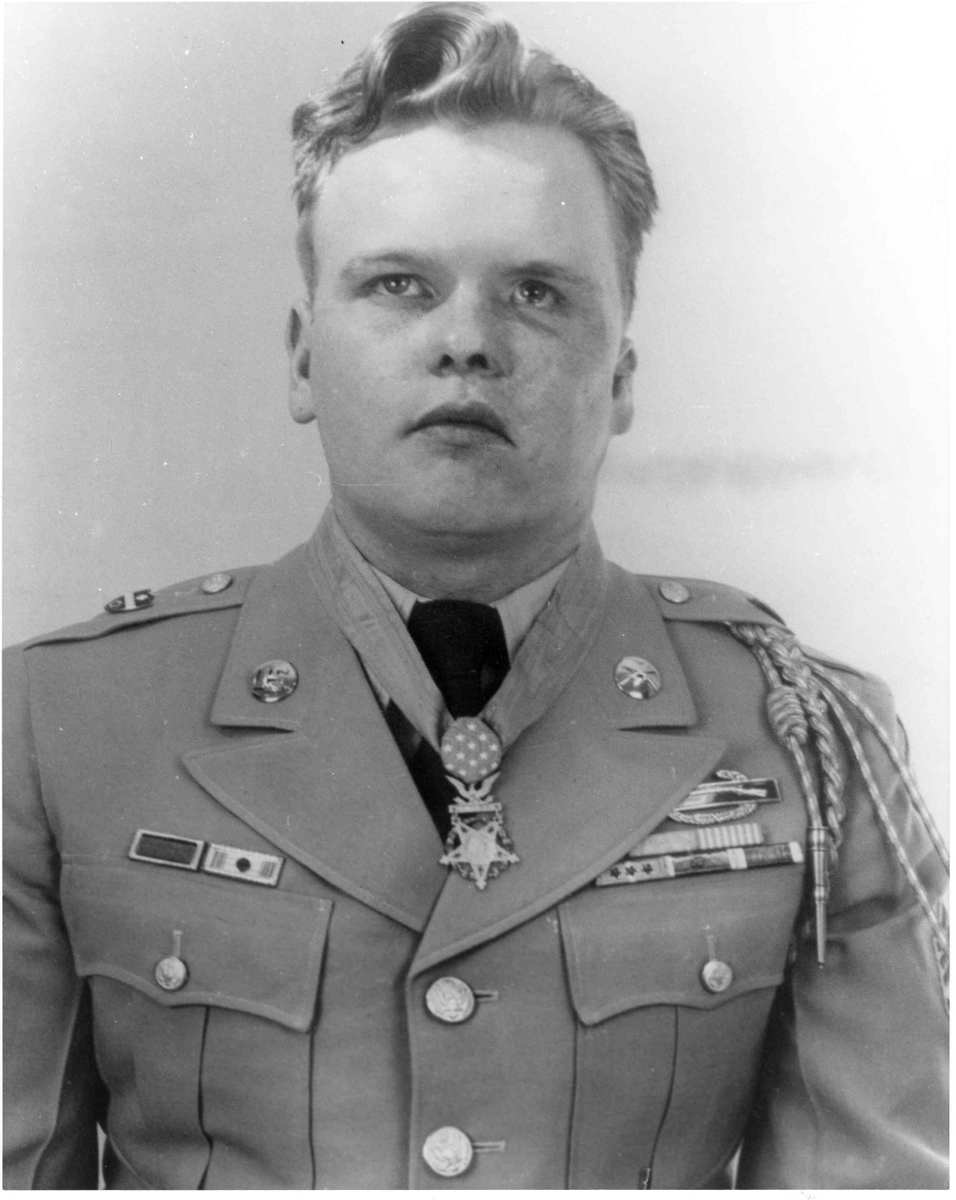
He had a grenade blast tear off part of his ear, then took a bullet through the face that went in his mouth and came out behind his ear. Most men are dead at that point. Einar Ingman stood up, killed the entire enemy machine gun crew in front of him, and only then let himself fall down.
Ingman was a farm kid from Wisconsin, a corporal in Korea in the winter of 1951. On February 26 his company was attacking a fortified enemy ridge near a place called Maltari when the two lead squads got caught in the open under murderous machine gun fire. Both squad leaders went down. Several other men were hit. The attack was dead in its tracks and starting to fall apart.
Ingman, just a corporal, took over. He pulled the two shattered squads together, reorganized them, moved from man to man telling them where to shoot and steadying them. Then he decided the only way forward was to go deal with the guns himself.
He charged the first machine gun position completely alone, got close, and knocked it out with a grenade. Then he turned toward the second gun, only about fifteen yards away, and kept coming.
That is when it happened. A grenade went off right next to him. The blast ripped his left ear half off and knocked him flat on the ground. As he was dragging himself back up onto his feet, an enemy rifleman shot him in the face. The bullet went through his mouth and tore out behind his already wounded ear.
By every reasonable expectation, that is the end of Einar Ingman. Head torn open, face shot through, on the ground.
Instead he got up. He rose to his feet, lifted his rifle, and killed every single man on that second gun crew before the wounds finally dropped him unconscious.
And that broke the whole enemy defense. With both guns silenced by one impossibly stubborn corporal, his squad took the objective, and more than a hundred enemy soldiers threw down their weapons and fled the ridge.
Ingman should not have lived. He was left with terrible wounds, lasting damage to his hearing and his face, years of surgery. But he did live. President Truman gave him the Medal of Honor, and Einar Ingman went home to Wisconsin and lived into his eighties, a quiet man who once got back up with half his head gone because his squad still needed him to.
I’m going to tell everyone a story.
In 2020, I worked for the Trump-Pence campaign. Proudly.
And for those who have memory-holed early, pre-pandemic 2020, things looked very good for re-election. The economy was booming. Americans were largely satisfied. The fundamentals were very strong.
Then COVID happened.
But something else happened too.
In July 2020, the New York Times reported that Russia’s GRU Unit 29155 had offered bounties for successful attacks on US soldiers in Afghanistan.
The administration downplayed it. The campaign downplayed it. Eventually, the Biden administration did too.
But that summer I watched veteran social media erupt. This wasn’t passing outrage. It was deep, sustained anger. I flagged it for the campaign because it was obvious this issue resonated in a way many people inside politics didn’t appreciate.
Then VoteVets, a major left-leaning veterans PAC, leaned into it with devastating ads. The outrage became a conflagration.
President Trump still overwhelmingly won veterans in 2020. But in the states where it mattered, we lost ground compared to 2016. We should not have lost those points based on President Trump’s record over his first four years. The early polling reflected that.
So the moral of the story is twofold.
First, from a national security perspective, Russia is our adversary. They have repeatedly sought to kill Americans, target our servicemembers, and undermine our interests. We ignore or explain away that reality at our own peril.
Second, from a political perspective, the instinct to minimize or dismiss every report of Russian hostility is a losing proposition. Americans, especially veterans and military families, take attacks on our troops personally. They should.
Some of our soldiers have came home in body bags and that is not something you spin your way around, or dismiss.
Our polling @IWF found nearly 9 in 10 voters are outraged by Russian military support to Iran.
The administration needs to take this seriously.
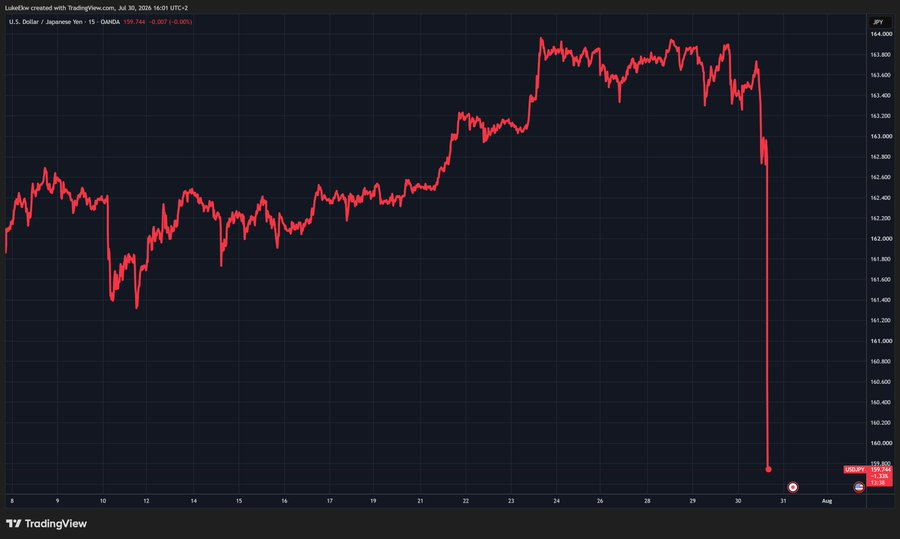
Bessent is in panic mode... he intervened to support the yen.
To prevent Japan from selling even more US assets, he joined Japan in a massive coordinated intervention.
But instead of selling USD, the US sold EUR.
To keep this war going, the US has to bail out major holders of US assets to prevent them from selling... especially Treasuries.
The US simply can't afford this war, which is why it only escalates when markets are closed.
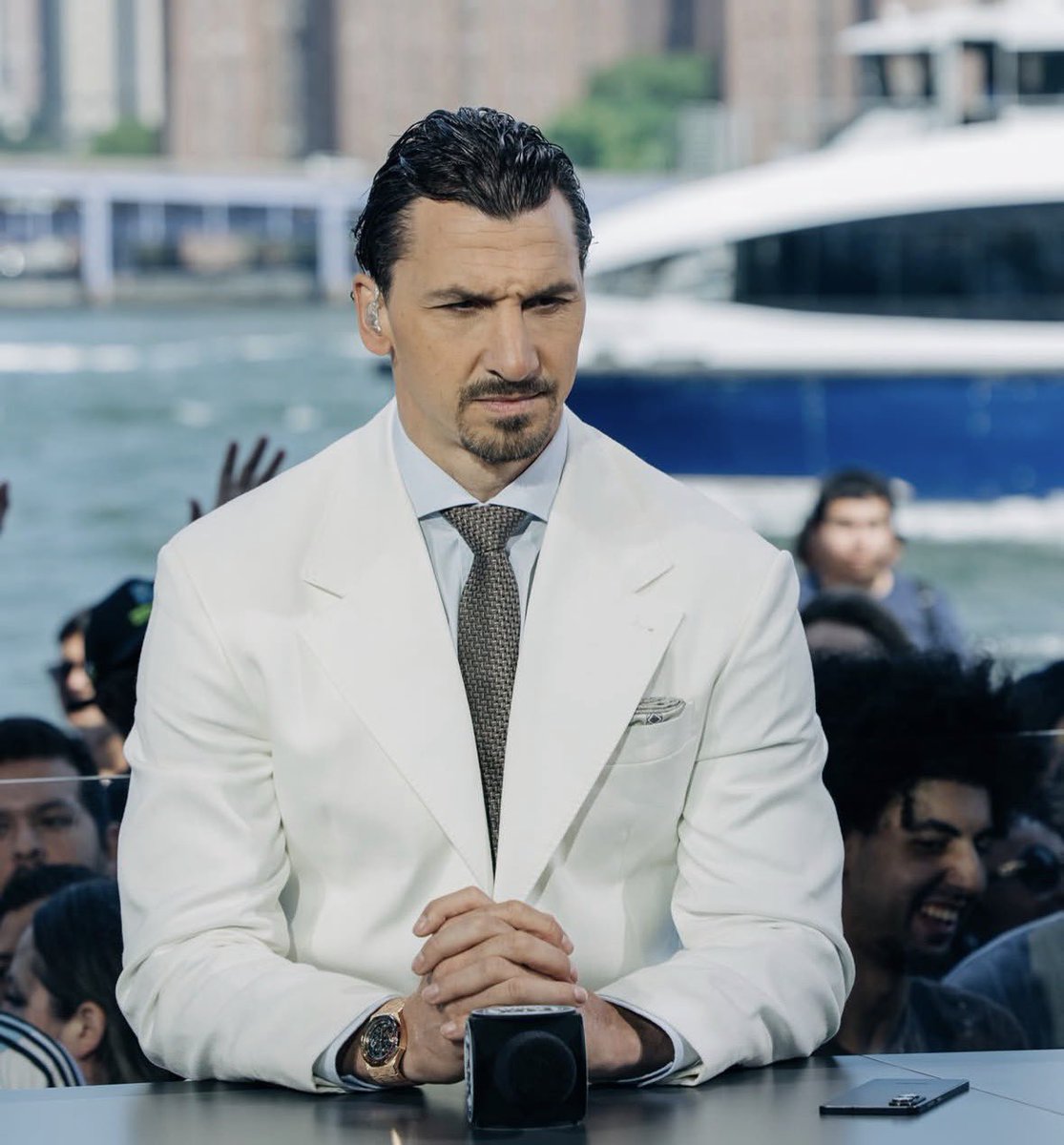
Zlatan Ibrahimovic on to Gianni Infantino’s plan to sell stakes in the FIFA World Cup:
🗣️ “Listen to me carefully, because most of these people in suits have never understood the game and never will.
They create a subsidiary. Call it FIFA Forward Enterprise. Keep majority control on paper. Sell 20% to investors who have never smelled grass. Then wave $20 million in front of every federation and pretend it’s democracy.
That is not structure. That is a magic trick for lawyers. FIFA keeps the majority. FIFA keeps the board. FIFA keeps “exclusive authority” over governance, the calendar, the rules, everything that sounds important on paper. The investors get no operational role. They are only buying a slice of the cash machine. FIFA even says the investors are buying into the subsidiary, not into FIFA itself, so “nothing changes.”
I have seen this movie before. Nothing changes… until the numbers start talking. Once private money owns a permanent piece of the World Cup’s revenue, the pressure never stops. More tournaments. Bigger formats. Different calendar. Different priorities. Because investors do not care about the soul of the game. They care about return. And when the federations are already bought with the $20 million “gift” and the bigger Forward payments, who exactly is going to say no?
This is the same FIFA that spent decades selling the World Cup under the table. I remember the 2015 arrests. Swiss police walking into the hotel in Zurich and taking officials out in the early morning. Racketeering. Bribes. Money laundering. Hundreds of millions paid for television rights, for marketing rights, for World Cup votes. South Africa 2010. Qatar. The whole circus under Blatter. Jack Warner. Chuck Blazer singing to the Americans. Blatter and Platini banned for that $2 million “gentlemen’s agreement” that suddenly appeared when it was convenient. The Ethics Committee, the indictments, the years of “we are cleaning the house.”
And now the house is cleaner, they say. Now instead of brown envelopes and secret payments, we have subsidiaries, minority non-controlling stakes, permanent capital vehicles, JPMorgan valuations, and carefully selected long-term partners. Same hunger for money. Same system of buying loyalty from the 211 associations. Only the language got more expensive.
Infantino stands there and talks about democracy and opportunity. I am Zlatan. I do not need the $20 million and I do not need the speech. Most of these federations do need the money. That is exactly why this structure is dangerous. You are not offering development. You are offering a transaction: take the cash, vote yes by September, and stay quiet while pieces of the World Cup become private equity assets.
Football does not belong to FIFA. FIFA belongs to football. The moment you put shareholders inside the commercial heart of the World Cup and call it progress, you have already admitted the game is for sale. They just found a prettier way to write the contract this time.
I played at the highest level. I saw real power and real money. This is neither. This is bureaucracy protecting itself while selling the one thing that still belongs to the people who actually love the game.
Keep your structure. Keep your valuations. Keep your minority non-controlling stakes. The World Cup was never meant to have owners in suits. It was meant to be bigger than all of you.
Lloyd Burke, a lieutenant from Arkansas that everybody called Scooter, was done with Korea. His thirteen month tour was over. He was standing at the command post with his orders in hand and a plane waiting to fly him home. All he had to do was get on it.
Then word came back that his old company was stuck. G Company of the 5th Cavalry was trying to take a hill near Chong-dong and the Chinese had them pinned down cold, dug into bunkers, chewing the attack to pieces. The company was exhausted, bleeding, and going nowhere. Scooter Burke had a ticket out of the war in his pocket. He put it down and went forward to his men instead.
What he did next reads like something out of a movie that nobody would believe. The attack was stalled by three enemy bunkers, so Burke went after them himself. He charged the first one alone and killed the crew. He charged the second one alone and killed that crew too. At the third bunker he threw grenades in, and when the enemy threw their grenades back at him, he caught them and threw them right back before they went off.
Then he really got going. He grabbed a light machine gun, tore it off its mount, and started firing it from the hip as he walked into the enemy, carrying it in his arms like a rifle. He pulled the shattered company back together, got them up and moving again behind him, and led them up and over the hill.
By the time it was finished, Scooter Burke had personally killed more than a hundred of the enemy and been wounded doing it, and the hill that had stopped a whole company was taken because one man who was supposed to be on a plane home decided he could not leave.
And he lived. Burke got the Medal of Honor for it, stayed in the Army, and retired decades later as a full colonel with five Purple Hearts to go with the medal. The man who tore up his ticket home became a legend precisely because, when it counted, going home was the one thing he would not do.
Well said. And for anyone wondering whethee labels such as “progressive” or as in this OpEd, “conservative,” mean anything, Steve adds a great William F. Buckley quote that pithily defines the “conservative” label. Sadly, the present claimers of the label are far away from it…