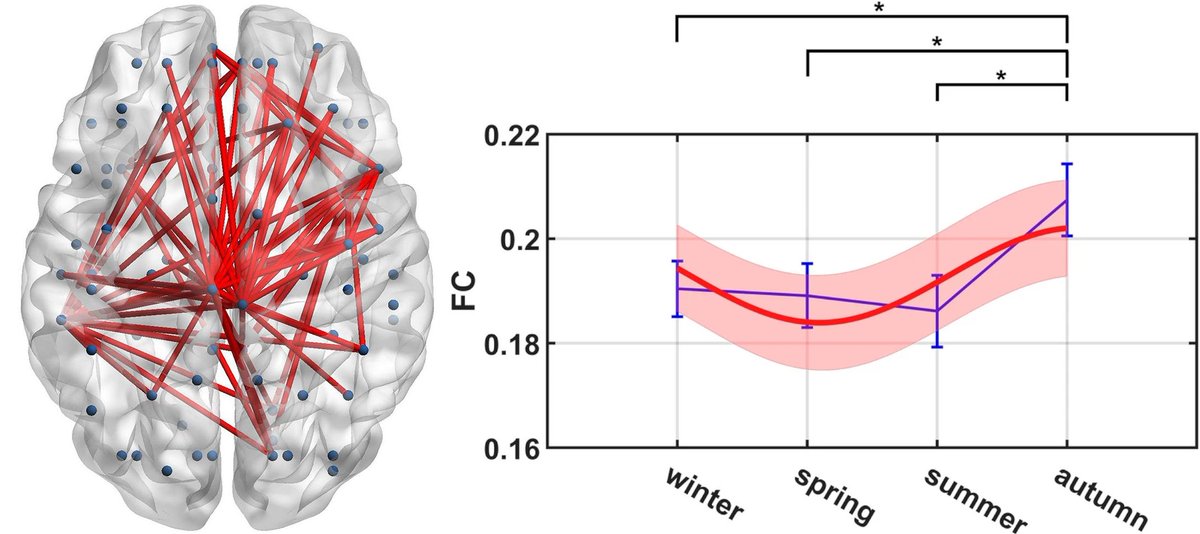
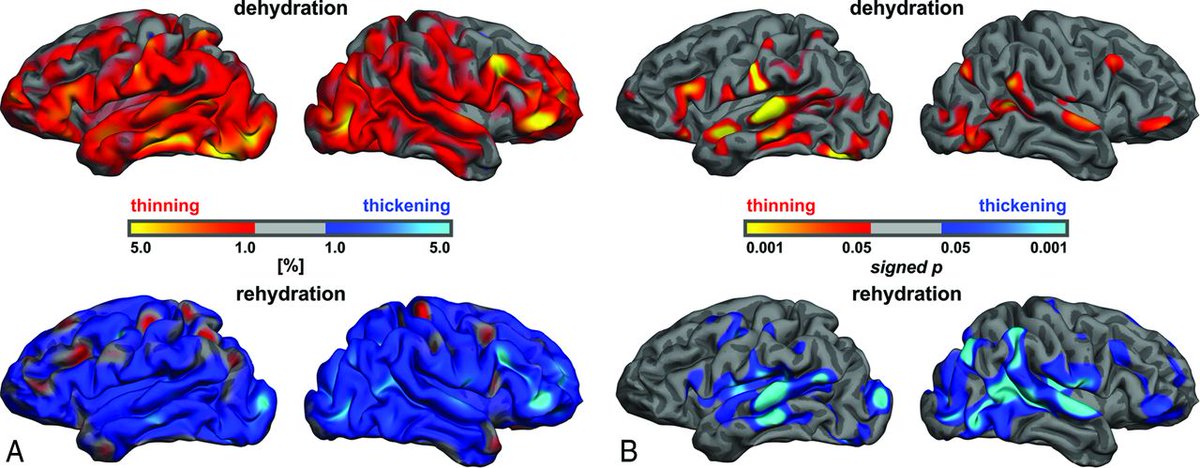
🧵What If Psychiatry ( and Neurology) Begins in the Retina? 👁️🚨
They say the eye is the window to the world BUT what if it’s the window to the brain itself.
Stay with me, this one’s a ride. 1/15 👇#WCP25#WCP2025
Ever feel like you just *get* someone? Here's the science of what's going on.
When you vibe effortlessly in conversation, it’s not just shared interests—your brains might be in sync. Neuroscientist Ben Rein notes that close friends often share similar brain structures in social regions, a concept called homophily, where neurologically similar people bond easily. This similarity makes conversations flow smoothly, as your brains operate on the same wavelength.
Beyond this structural overlap, there’s something even more sci-fi: interbrain synchrony.
This occurs when two people interacting—especially during teamwork or storytelling—exhibit nearly identical patterns of brain activity in certain regions. It’s not magic or telepathy, just the brain’s natural ability to mirror and connect. So if you’ve ever walked away from a great conversation feeling unusually understood, there’s a good chance your brain was quite literally in sync with theirs.
[Thomson, J. (2024). The sci-fi hypothesis that explains why you click with certain people. Big Think]
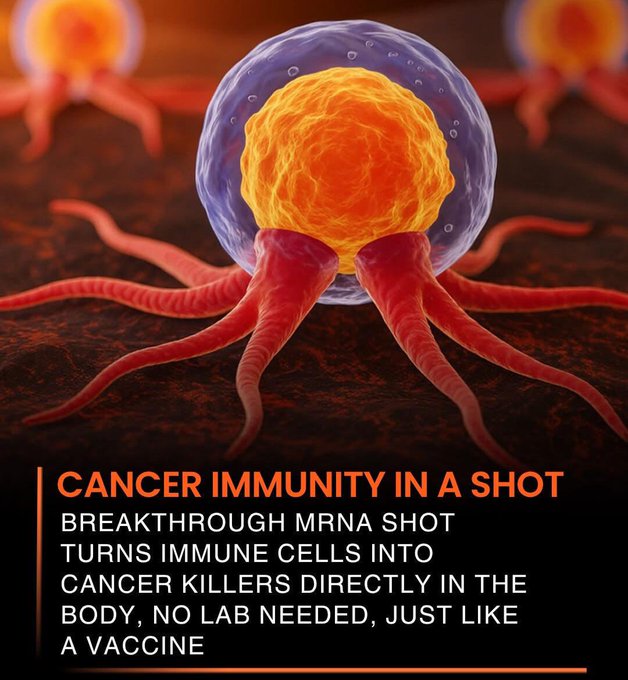
Cancer immunity in a shot.
Scientists at the University of Florida have created a breakthrough mRNA cancer vaccine that erased deadly brain tumors in early human trials without chemo or radiation.
Tested on four glioblastoma patients, the vaccine reprogrammed their immune systems within 48 hours to attack the tumor.
Built from each patient’s own tumor cells and delivered via lipid nanoparticles, it showed success similar to earlier tests in mice and dogs. It is now moving into Phase 1 pediatric trials.
The gut-brain axis is a bidirectional communication network between the gastrointestinal tract and the central nervous system. This dynamic system integrates neural, endocrine, immune, and metabolic signals, many of which are modulated by the gut microbiota.
🧠 1. Neural Pathway
The vagus nerve and enteric nervous system (ENS) transmit afferent signals from the gut to the brain. Microbial metabolites and host-derived neurotransmitters (e.g., serotonin, dopamine, GABA) influence mood, cognition, and stress responses. Enteroendocrine and enterochromaffin cells release neuroactive compounds in response to microbial cues.
🧬 2. Endocrine Pathway
The gut microbiota modulates HPA axis activity through changes in gut barrier integrity, circulating metabolites, and stress hormones. Cortisol, released from the adrenal cortex, affects both systemic inflammation and brain function. Microbiota-regulated hormones such as GLP-1, CCK, and ghrelin further influence appetite, mood, and behavior.
🦠 3. Immune Pathway
Microbial antigens (PAMPs) and metabolites interact with intestinal immune cells (e.g., Th1, Th17, dendritic cells), influencing systemic and neuroinflammatory tone. Elevated cytokines like TNF-α, IL-1, and IL-6 have been linked to blood-brain barrier disruption, depression, and cognitive impairment.
🔁 4. Metabolic Pathway
The gut microbiota ferments dietary components (e.g., fiber, protein, bile acids) into signaling molecules including:
-SCFAs (butyrate, propionate)
-Secondary bile acids
-Branched-chain amino acids (BCAAs)
These metabolites affect energy regulation, neurotransmission, and epigenetic signaling within the CNS and peripheral tissues.
BREAKING NEWS
The Norwegian Nobel Committee has decided to award the 2025 #NobelPeacePrize to Maria Corina Machado for her tireless work promoting democratic rights for the people of Venezuela and for her struggle to achieve a just and peaceful transition from dictatorship to democracy.
#NobelPrize
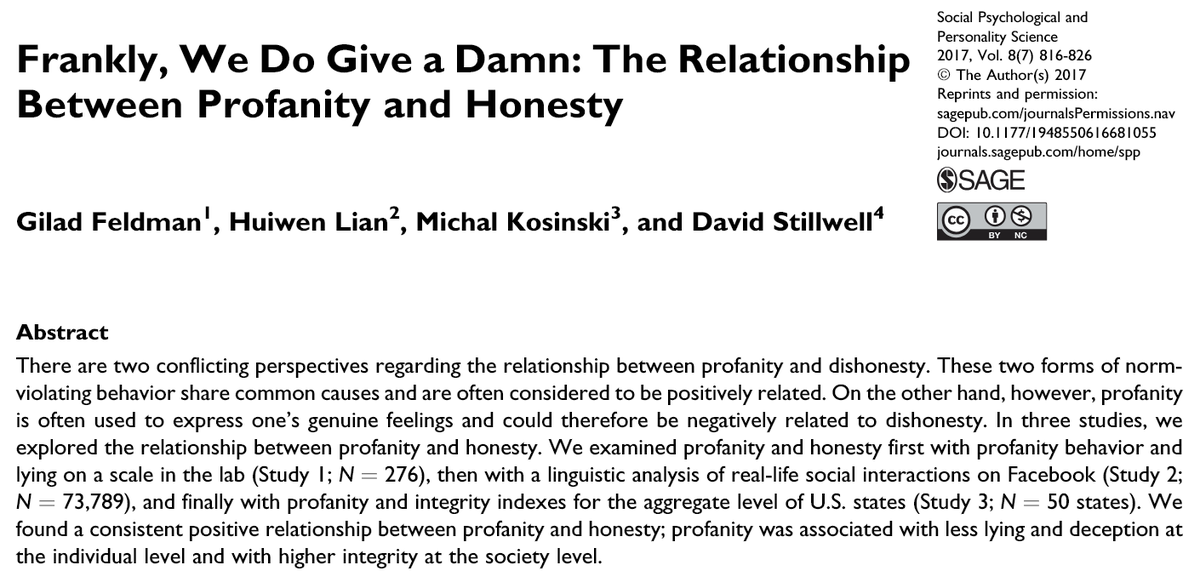
Cursing is rarely a symbol of low class. It's often a mark of high authenticity.
Evidence: Swearing predicts higher rates of honesty and integrity. It signals a willingness to prize candor over courtesy.
A little profanity shows that you're being real and you do give a damn.
Neuroplasticity = the brain’s ability to change.
But plasticity itself isn't “good” or “bad.”
In a bad environment:
• High plasticity → rapid learning of the wrong lessons
• Low plasticity → can't unlearn them
Here's how to unlock your plasticity 🧵
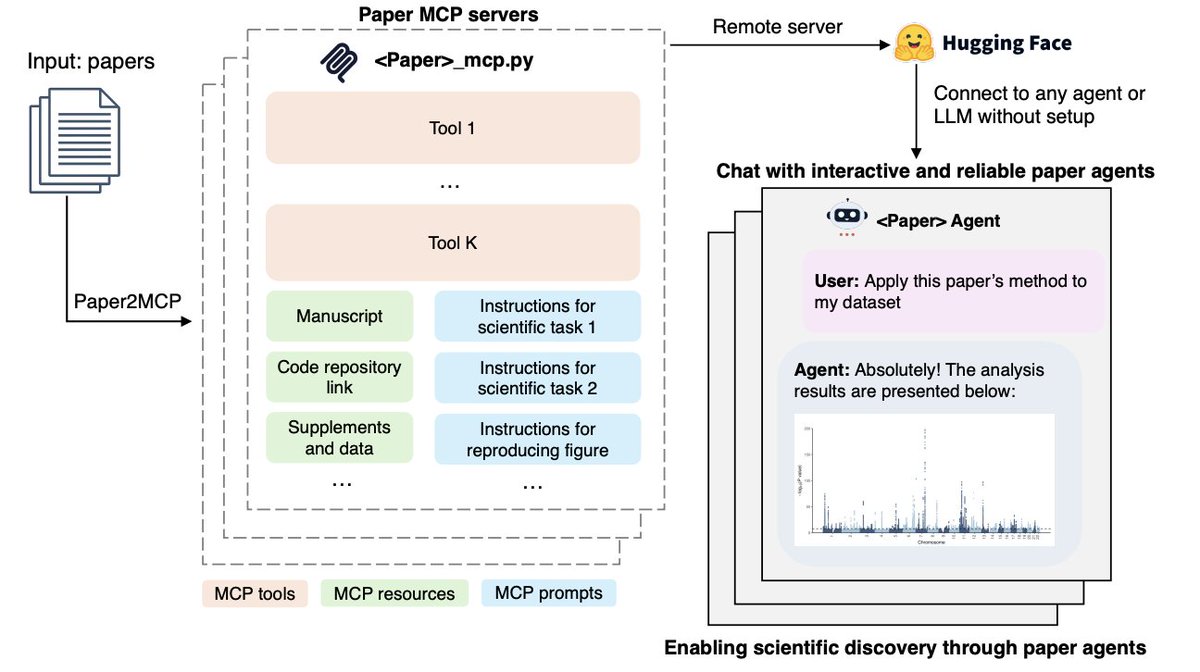
Holy shit...Stanford just built a system that converts research papers into working AI agents.
It’s called Paper2Agent, and it literally:
• Recreates the method in the paper
• Applies it to your own dataset
• Answers questions like the author
This changes how we do science forever.
Let me explain ↓
Creativity is associated with delayed brain aging.
Expertise in music, dance, painting & gaming results in neuroplasticity-driven efficiency in the brain.
We were made to create, not consume.
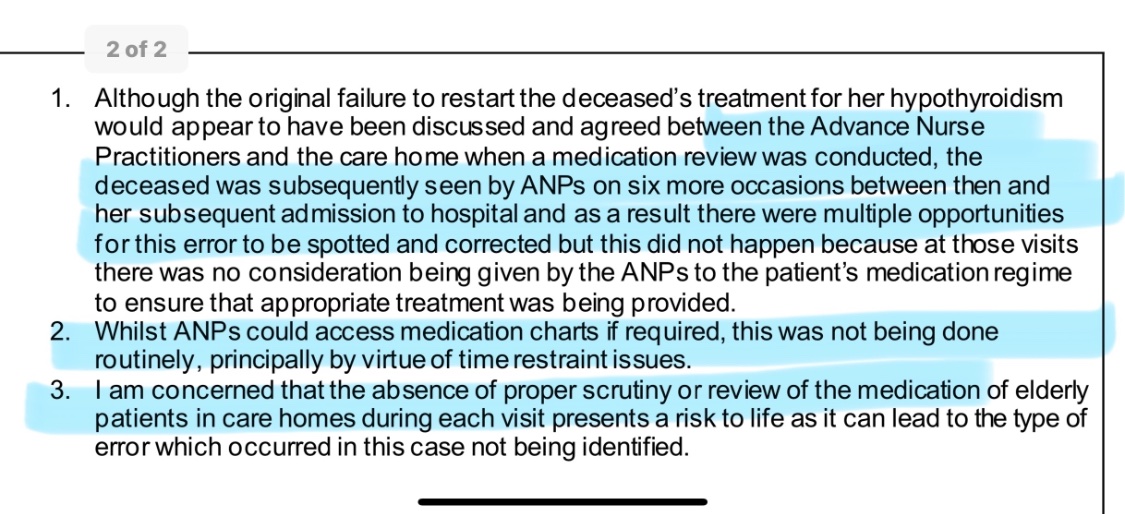
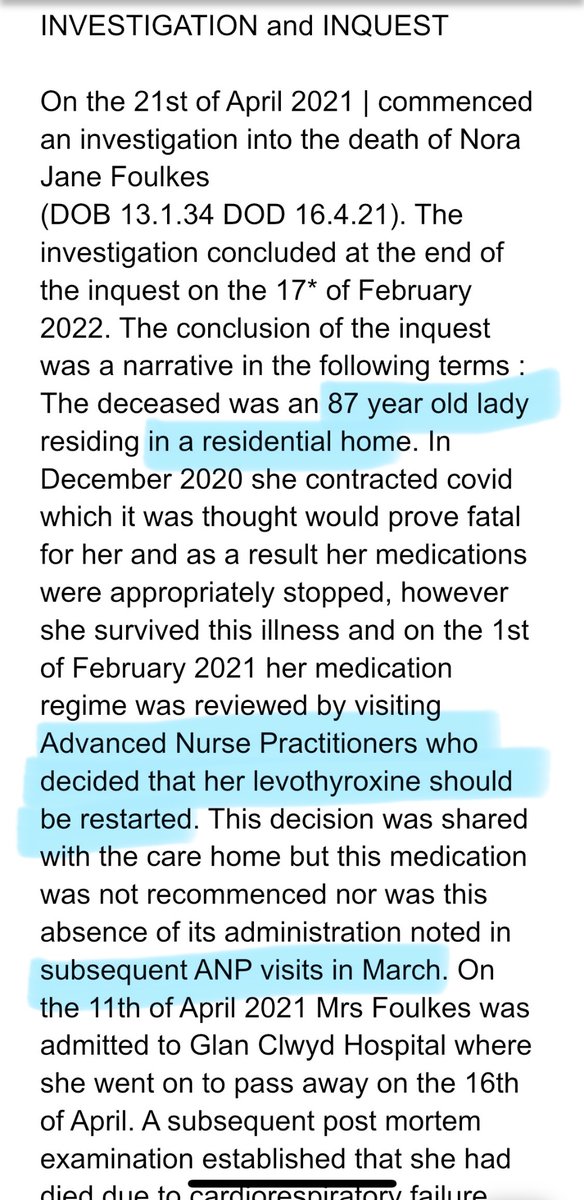
The GP is also guilty of allowing this Advanced NURSE Practitioner (ANP) to independently review a residential home patient six times.
She didn’t bother reviewing the patient’s medications on six occasions, and the patient died.
Cheap healthcare.
tech bro 1.0- nerds in a garage who want to change the world, burning man, psychedelics, Silicon Valley, super technical
tech bro 2.0- 996, blue chip pedigree from FAANG or university, gym bro, obsessed with tracking everything, AI vibecoding marketing slopmaster
tech bro 3.0- philosopher, well-read, highly sociable, ultimate craftsman, unattainably put together, high hospitality, high taste
we are obviously still in number 2, but I feel like the liberal arts renaissance man type will rise to prominence in the tech world




![Rainmaker1973's tweet photo. Ever feel like you just *get* someone? Here's the science of what's going on.
When you vibe effortlessly in conversation, it’s not just shared interests—your brains might be in sync. Neuroscientist Ben Rein notes that close friends often share similar brain structures in social regions, a concept called homophily, where neurologically similar people bond easily. This similarity makes conversations flow smoothly, as your brains operate on the same wavelength.
Beyond this structural overlap, there’s something even more sci-fi: interbrain synchrony.
This occurs when two people interacting—especially during teamwork or storytelling—exhibit nearly identical patterns of brain activity in certain regions. It’s not magic or telepathy, just the brain’s natural ability to mirror and connect. So if you’ve ever walked away from a great conversation feeling unusually understood, there’s a good chance your brain was quite literally in sync with theirs.
[Thomson, J. (2024). The sci-fi hypothesis that explains why you click with certain people. Big Think]](https://pbs.twimg.com/media/G26awMeWQAEdX6P.png)