A new study from NCCOS-funded researchers estimates that a full season, #HarmfulAlgalBloom–related closure of #RazorClam digs at Long Beach, WA can lead to revenue losses in excess of $840,000 for local industries. Learn more: https://t.co/E8Cmo4NDnT
@WHOI
NEW PAPER: My co-authors @MelinaKour and Di Jin @WHOI and I find that one community in WA can lose nearly $850k in business revenues if the recreational razor clam season is cancelled due to HABs using @SafeGraph foot traffic data: https://t.co/OoMbJMX77O
Was reminded today of this excellent list of scientific jargon to avoid, from R Somerville and @ClimateComms long ago but still completely relevant, especially as climate change work has become even more interdisciplinary.
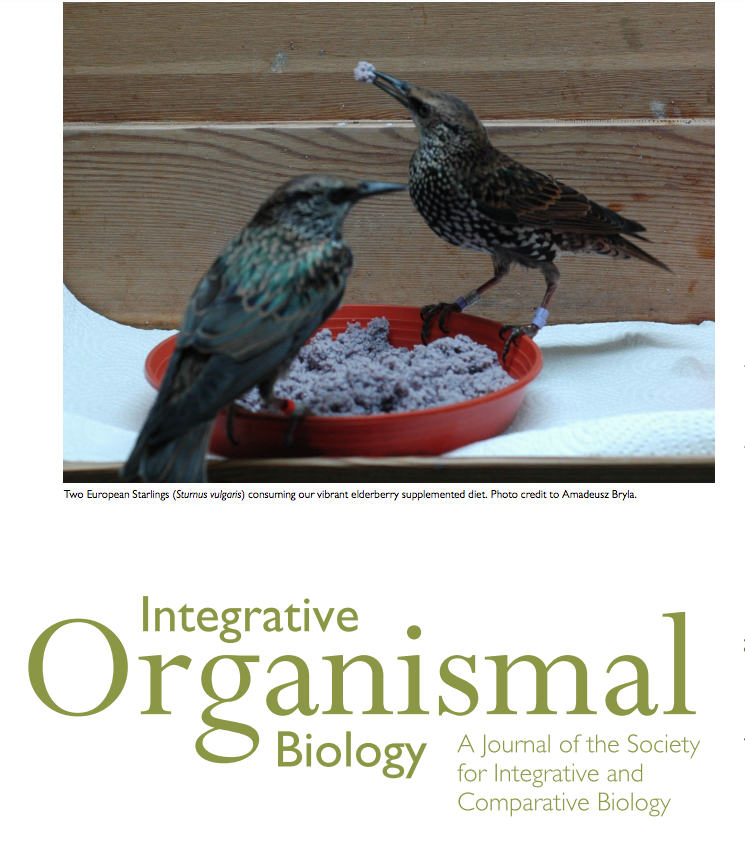
Our new article is published! Flight & dietary antioxidants stimulate antioxidant enzyme expression in metabolic tissues after recovery
Thanks Amadeusz Bryla for the 📸 of starlings chowing down our diet
Thanks @BirdsWesternU for the wind tunnel & support
After a recent grant rejection where I knew I would be competing against mostly STEM proposals this article hits a little too close to home...#econtwitter#econproblems
Here's a movie poster (click for full image) for our thrilling new paper on annual-cycle movements of black scoters, just out in @wildlifesociety Journal of Wildlife Management. Message me for a copy!
A study from two US non-profit organizations found that graduate students need more support to manage the mental health issues that they are experiencing at worrying rates, according to a @NatureCareers report. https://t.co/aJBY6zcCEJ
I'll be defending my dissertation next Friday July 16th at 10:00am ET. Cell death, oysters, parasites and more things than you ever wanted to know about the IAP gene family...a fun way to spend an hour if you ask me!
What’s on the menu? Research on double-crested cormorants shows the birds eat few sportsfish in the Lake Winnebago system in Wisconsin. Instead, their diets consists mostly of drum and shad. #WildlifeServices https://t.co/df8k59AOfh