Such a fantastic case. If you are in Ortho or MSK care and don't follow James, you are missing out on interacting with one of the top diagnosticians of our time.
Insertional tendon changes are typically part of apophysitides - I see this in the hamstring tendon in ischial apophysitis almost universally, calcaneal apophysitis etc etc - its part of the 'wider syndrome' (if not defined by imaging)
Into skeletal maturity, a % of OGS patients have persistent pain - possibly due to persistent insertional tendinopathy, or irritable intra-tendinous ossicle.
@DrJN_SportsMed Interesting that it is a common feature across different sites. Clinically, the symptoms behave very much like an insertional tendinopathy.
Shots fired:
"Researchers should not use the “factors associated with” study design and scientific journals should not publish these analyses."
https://t.co/TWZhECsxd1
I seem to have been discussing pilot and feasibility studies a lot this week. One question often asked is how big should my pilot/feasibility study be? 1/6
#MethodologyMonday #124
🎙️New podcast: The Replication Crisis Hits Sports Science.
72% of sports science studies could NOT be replicated.
Effect sizes dropped 75%. Nearly 90% of researchers wouldn’t even share data. We explore bad incentives, a crisis of trust & how to fix it
🎧 https://t.co/fkm5qQ9GCG
Ground-breaking, still highly relevant paper established that specific health status measurement #instruments are better at detecting treatment effects – that is, more responsive – than are generic instruments.
https://t.co/RUQdZYjitG
📢 SPIRIT 2025 Statement: Updated Guideline for Protocols of Randomised Trials. Includes:
-A new open science section
-Enhanced guidance on harms assessment and description of interventions/comparators
-A dedicated item on patient and public involvement
https://t.co/zodJbocNuy
No differences in prevalences of pubic-related radiographic findings between football players with and without groin pain!
Great to see another online paper from my PhD🤩
It is open access! 🆓 ⬇️
https://t.co/sN6mLmE1fN
@SORC_C
The updated SPIRIT 2025 explanation and elaboration document provides guidance on protocols of randomised trials for researchers
https://t.co/uYpHVZQnbD
This week saw the publication of SPIRIT 2025, a major update to the international SPIRIT Statement which provides guidance on what should be included in a trial protocol. 1/6
#MethodologyMonday #117
This updated SPIRIT 2025 (Standard Protocol Items: Recommendations for Interventional Trials) explanation and elaboration document provides guidance on protocols of randomised trials for researchers
https://t.co/uYpHVZQnbD
A major update to the CONSORT reporting guidance for clinical trials was published last week.
📌 CONSORT 2025 replaces all previous versions and should be used from now on.
So what’s new and what’s different? 1/7
#MethodologyMonday #116
(COI - I am a co-author)
🚨 Innovative approaches to injury prevention and performance enhancement in running 🏃♀️
Insights from PhD research on hamstring strengthening, running biomechanics and energetics, and wearable technology ⌚️
🏆 PhD Academy Award article from the #CurrentIssue 📄
#FREE 👉 https://t.co/IuPc88IpdU
PhDone!
Honoured to defend >10yrs of work alongside my promotors, Prof. Kerkhoffs & Prof. @Jltol.
Massive thanks to our team, opponents, friends & family.
Thesis available here: https://t.co/l8l7dWXSA1
Made possible by @ACES_Amsterdam@AMSmovement@deorthopedie, thank you!
Big news for #EBM! Just out in #BMJ, ROBUST-RCT, pristinely developed, innovative, simple, user-friendly instrument for risk of bias assessment in #RCTs far superior to anything before, will become standard outside of Cochrane and in #Cochrane if they let folks use it.
https://t.co/iEROPshcRW
Consent ✅
17 yo footballer & sprinter
Ramp in training - worsening lower abdominal pain into medial groin / adductor region & into perineum
Initially R, then more severe L
Sprinting, change of direction / cutting, abdominal / core work provocative
Also cough & sneeze, rolling. over in bed
Clinically, pain reproduced on isometric adductor testing, resisted crunches, tender symphysis pubis
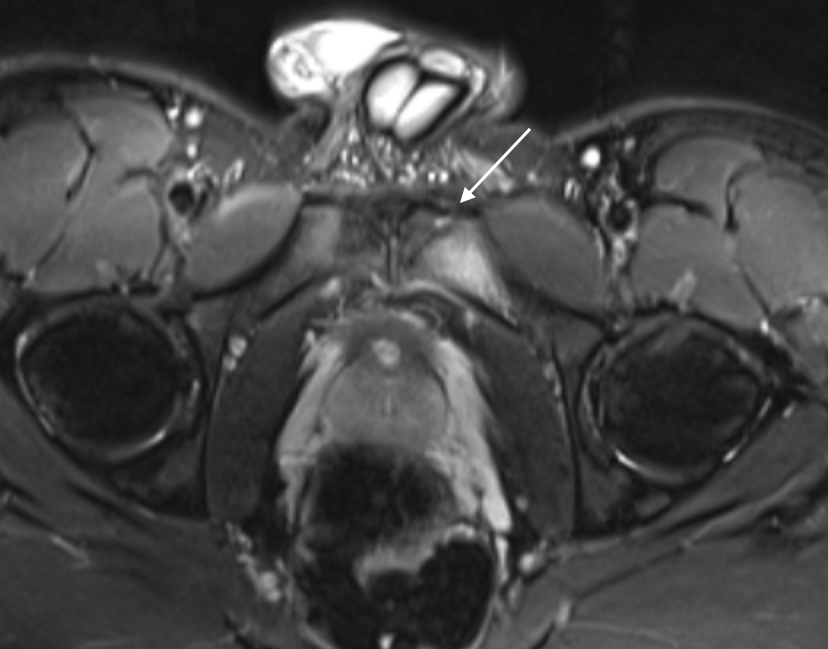
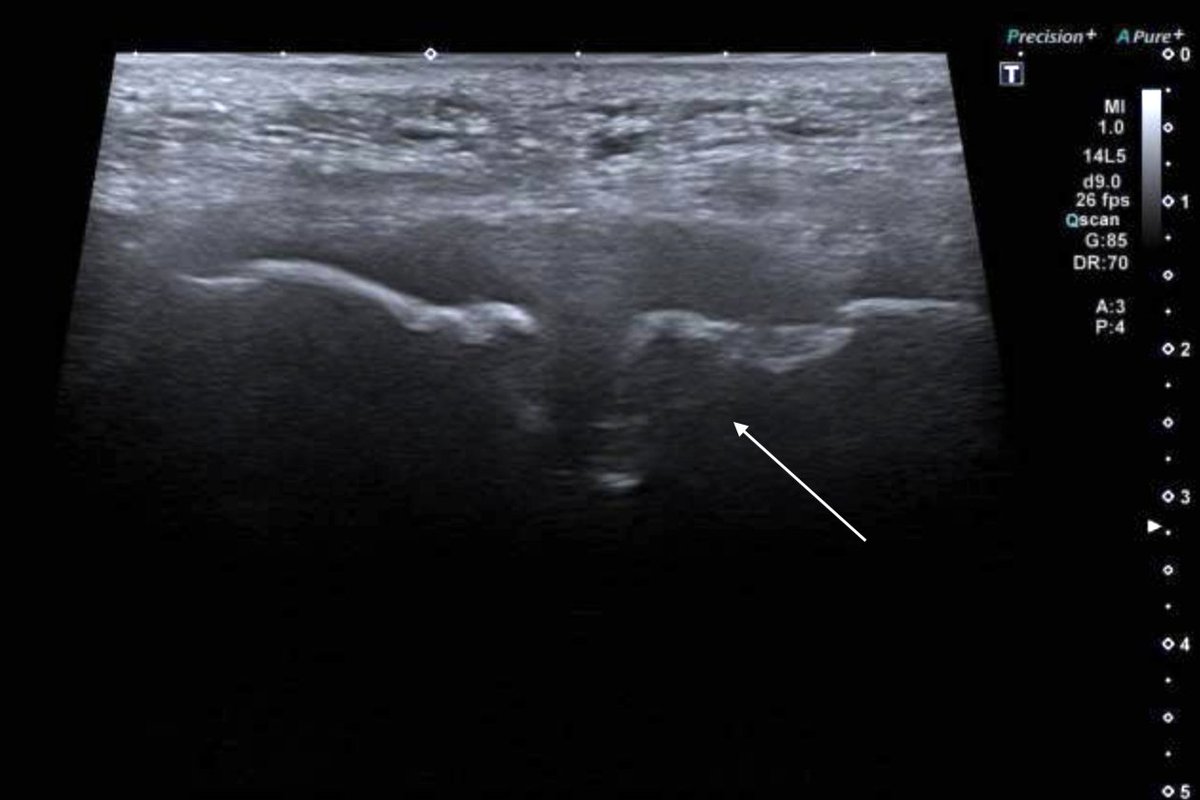
POCUS - L superior pubic apophysis fragmented / widened
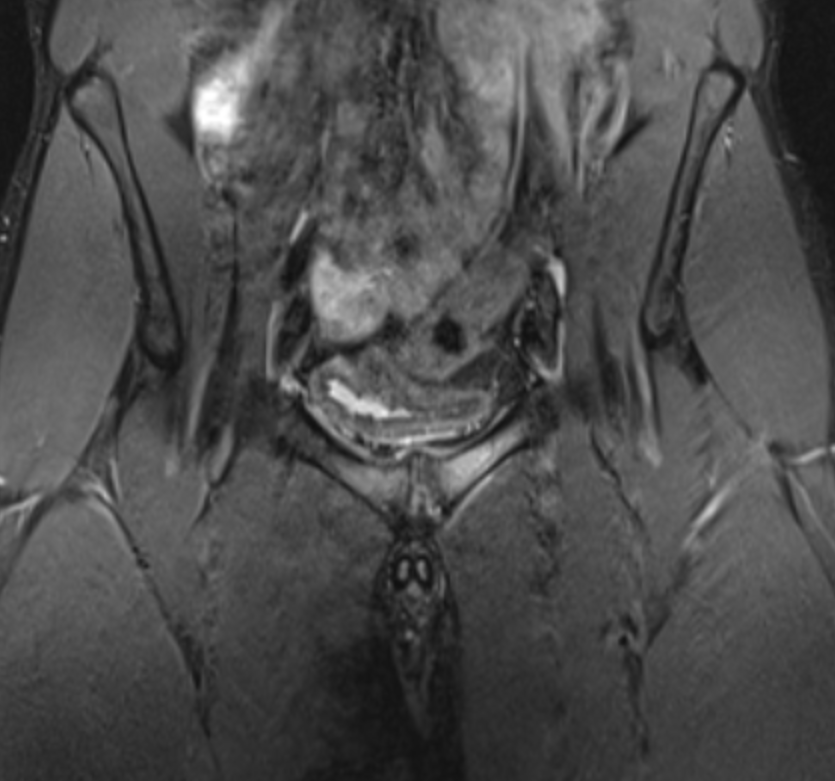
MRI - marked perisymphyseal bone oedema, L > R as per laterality of symptoms, plus inflammation across L superior pubic apophysis.
So - pubic overload / pubic apophysitis
The pubic apophyses often fuse very late (up to late 20s!) versus other pelvic apophyses - so might not be on our diagnostic radar
Key is not to confuse with adductor related groin pain, which might send us down an erroneous tendon focused rehab programme