En tiempos muy antiguos Pedro Urdemales se aparecía por las islas. en un bote a remo, ofreciendo llevar cartas, recados, ropa, alimento y dinero a los parientes difuntos que sufrían en la soledad del Purgatorio la incertidumbre de esperar saber si irían al cielo o al infierno
The Rhyming Path of Promethea #12
A deep dive into Alan Moore and J.H. Williams III’s masterpiece. A continuous, poetic loop where the Tarot Major Arcana becomes a map of your own awakening.
Let the verses unfold....
🧵
Lemmy before Motörhead, before even Hawkwind, was known as Ian Willis and played as singer and guitarist for psychedelic rock band Sam Gopal back in the late 60’s.
I think we are all glad heaviness came along!
🤘🤘🤘
In this haunting 1923 photograph, a Selk’nam woman stands in Tierra del Fuego with her child wrapped against her back in a guanaco fur cloak. At first glance, it looks like a quiet image of motherhood: a woman, a child, protection, survival. But behind it is one of the most devastating Indigenous histories in South America. The Selk’nam, also known as the Ona, lived for thousands of years on the island of Tierra del Fuego, at the far southern edge of Chile and Argentina. They were nomadic hunter-gatherers who survived one of the harshest climates on earth, relying heavily on guanaco for food, clothing, shelter, and tools.
Then came settlers, gold prospectors, sheep ranchers, and the brutal logic of colonization. Land that had never been “owned” in the European sense was suddenly fenced, claimed, and turned into ranching territory. The Selk’nam hunted sheep as they had hunted guanaco, not because they were criminals, but because their world had been violently overwritten. To the ranchers, they became an obstacle. To the state, they became a “problem.” To bounty hunters, they became targets. Historians have documented campaigns of extermination in which Selk’nam people were hunted, captured, displaced, and killed as ranching and colonial expansion took over Tierra del Fuego.
Missionaries later gathered survivors into missions, where forced assimilation, disease, confinement, and cultural destruction continued what the rifles had begun. Children were separated from old ways of speaking, moving, believing, and remembering. Survivors often stopped passing down language and identity because being visibly Selk’nam had become dangerous. That is one of the cruelest parts of genocide: it does not only kill bodies. It teaches descendants to hide themselves in order to live.
For many years, the Selk’nam were spoken of as if they had vanished completely. But that language is changing. Descendants have fought to be recognized, to reclaim identity, and to challenge the idea that genocide made them disappear. In Chile, Selk’nam recognition became a major issue in recent years, with descendants insisting: *we are still here.*
#drthehistories
“Down the mountain walls
From where Pan’s cavern is
Intolerable music falls.
Foul goat-head, brutal arm appear,
Belly, shoulder, bum,
Flash fishlike; nymphs and satyrs
Copulate in the foam.”
WB YEATS
News from the Delphic oracle
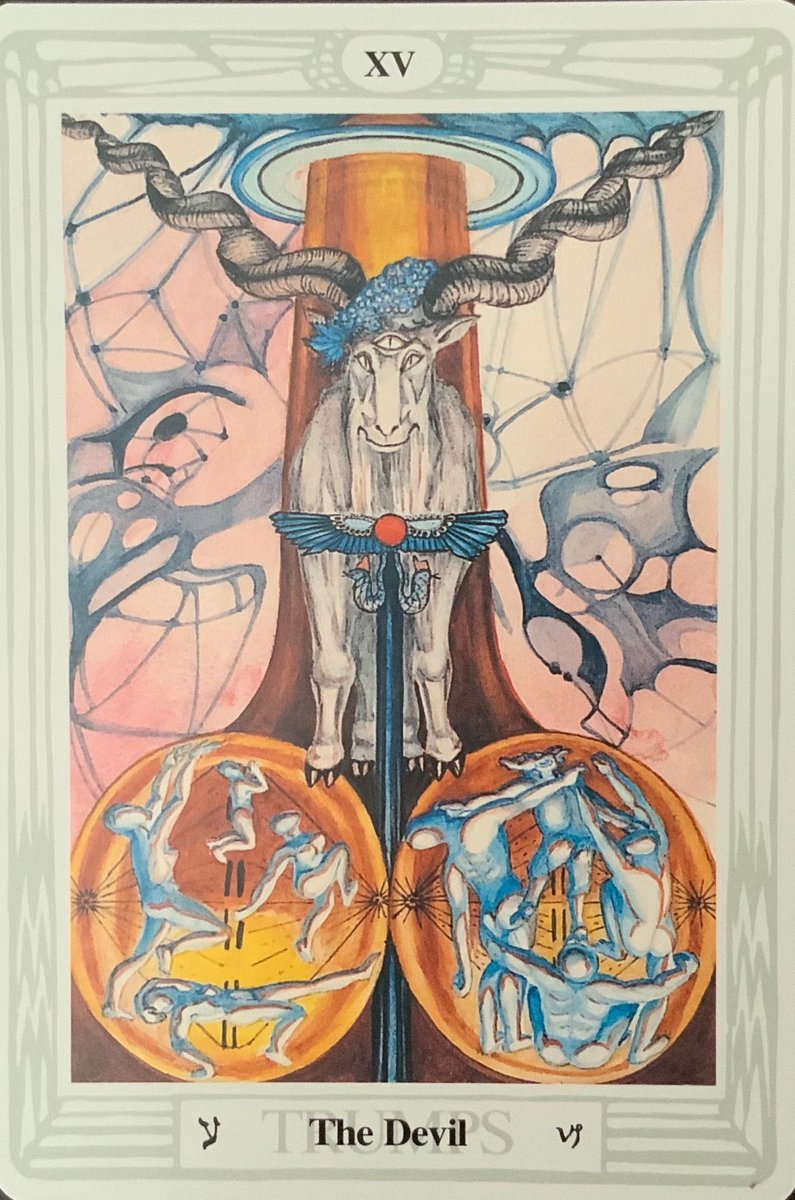
Art: Thoth tarot deck by Aleister Crowley and Frieda Harris
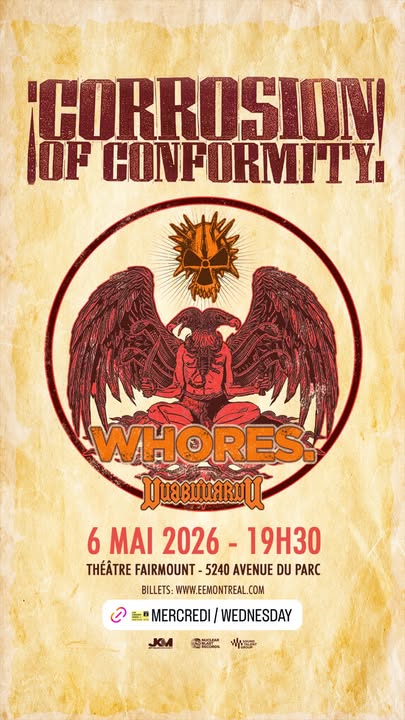
Two new enemies from Voivod: The Nuclear Warrior, the first official video game inspired by Voivod.
Their designs draw from Away's sci-fi universe, translated into animated pixel art by the dev team.
Wishlist on Steam (it's free and really helps the project).
🔥 ¡Crudo, directo y sin concesiones! 🔥
📆 El 5 de mayo de 1978, AC/DC lanzó "Powerage", un disco sin adornos que capturó a la banda en estado puro, con una energía callejera y una solidez que con el tiempo lo convirtió en una joya de culto ⚡.
🔗 Lo recordamos aquí! 👉 https://t.co/DzouRpBNbK
💬 ¿Entre los mejores trabajos de AC/DC? 🤔
Pablo de Rokha de “Genio y figura”
“Yo soy como el fracaso total del mundo, ¡oh
pueblos!
El canto frente a frente al mismo Satanás,
dialoga con la ciencia tremenda de los muertos,
y mi dolor chorrea de sangre la ciudad."
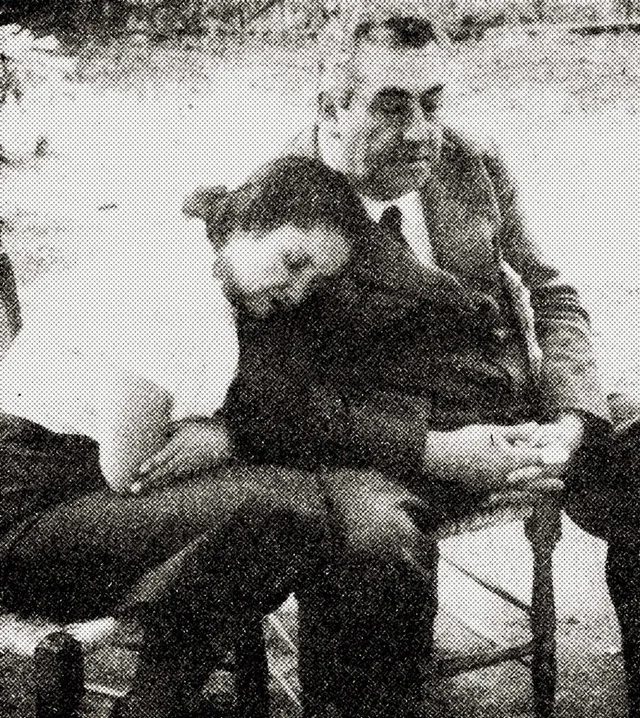
Foto: Violeta Parra y el poeta Pablo de Rokha.