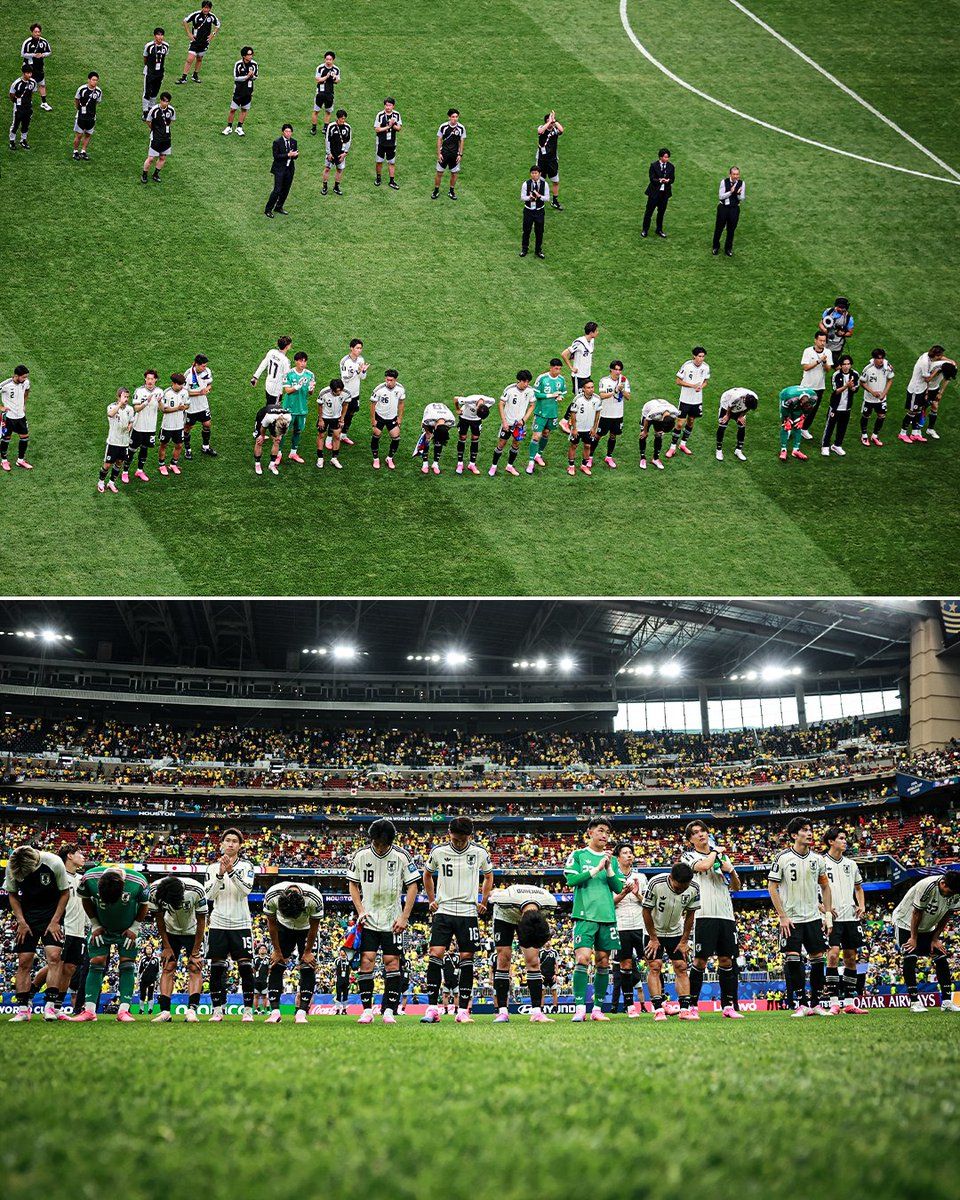
Chelsea manager Xabi Alonso
Bayern Munich manager Vincent Kompany
Arsenal manager Mikel Arteta
Man City manager Enzo Maresca
All graduates from the school of Pep 🧠
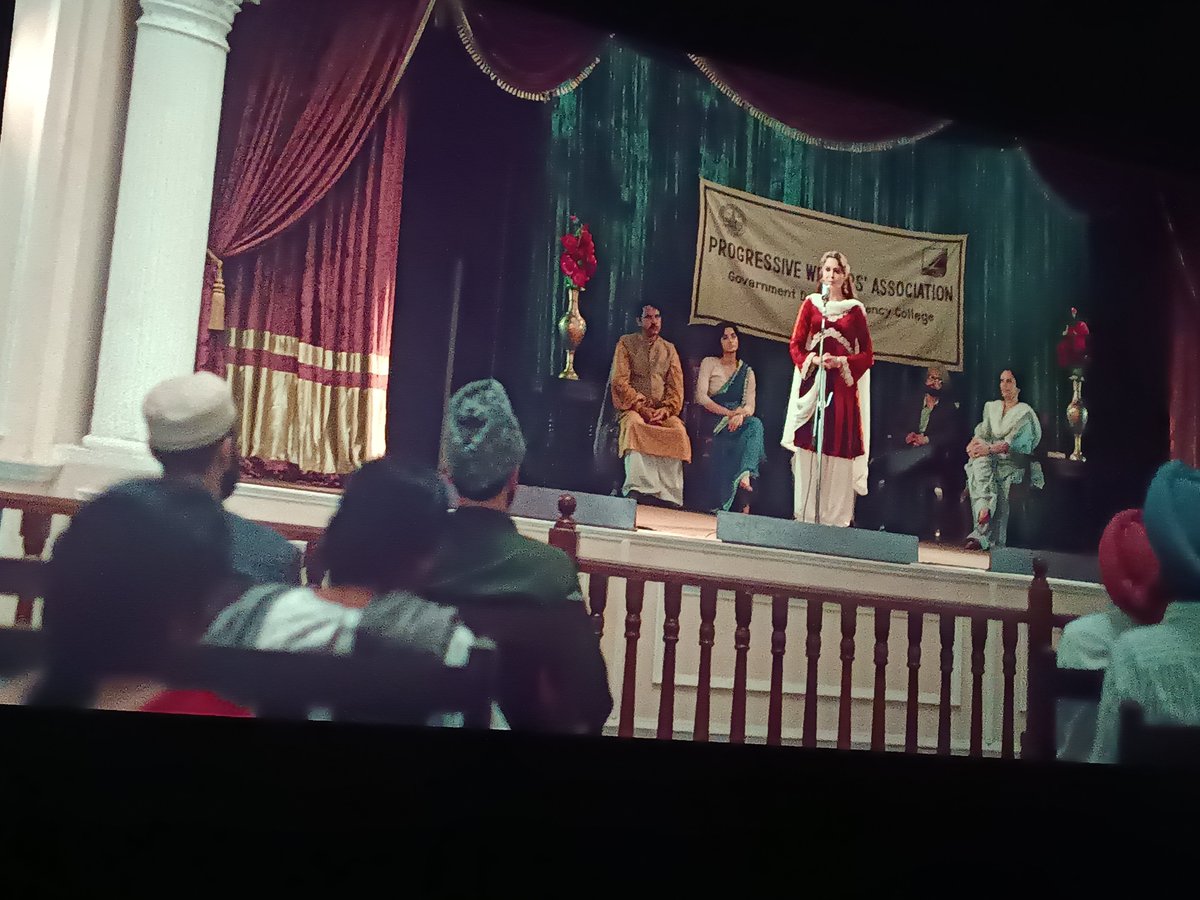
Saw a rough cut of #MeinVaapasAaunga at Imtiaz’s months ago—no score, CG, or mix, yet it deeply resonated. Seeing it in theaters was another level; watching the audience connect was so special. It’s easy to follow trends, but you stayed true to your core. Thx, Imti!
Cape Verde btw, wow. Just wow. The story of the entire group stages for me.
Unbeaten in a group where no one could see them finishing anywhere but last. Largely positive in their style, it felt like they enjoyed every second of being in the World Cup.
This is what football is about. Beautiful storyline. And it continues to write itself. Thoroughly deserved.
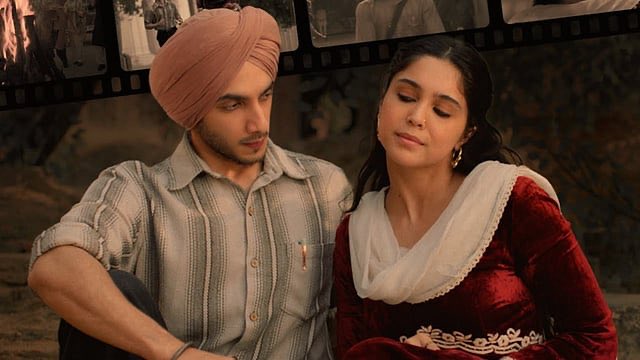
After a long,I watched a Hindi film in a theatre.Sharvari looked absolutely beautiful on screen.Vedang Raina & entire cast did a wonderful job,but I am speechless when it comes to Naseeruddin Shah.A.R. Rahman's music & Deepali Sahay's voice gave me goosebumps.
#MainVaapasAaunga
Many, many thoughts on Balan: The Boy
(possible spoilers)
______
In Balan: The Boy, you spend an entire first half following a mother and her son, watching them drift from place to place, drop identities like clothes, until that heartbreaking interval when they get separated. When the second half begins, of course, you'd expect to remain with one of them. Instead, like society that has abandoned them in unexpected ways, director Chidambaram lets them go. He shows us a police station, a potentially dangerous policeman, and his relationship with a constable. It almost feels like you're now watching an entirely different film. The film, you see, is as nomadic as its main characters. The mother and son live in a world of sudden exits, of unreliable shelters and short relationships. It's so cool that the storytelling has this same restless rhythm.
We’ve seen films about people running from abuse, violence and suffering. What Chidambaram’s film beautifully captures is the tragedy of people running from love as well, and how inevitable this is for people who have been permanently damaged by violence. When those who are supposed to protect you cause you the deepest wounds (the boy’s father, the policeman, and to a certain extent, Tovino's character too), you begin to believe that stillness is dangerous, and worse, human company cannot be trusted. Attachment becomes synonymous with threat. That’s why the mother runs when the tea-shop owner offers her a home. That’s why she gets ready to leave again when her anonymity gets compromised at the grandmother’s estate. She truly has internalised the tragic conclusion that love results in captivity. I suppose every relationship does demand a kind of surrender.
It’s a film of extraordinary sensitivity and craft. One of my favourite images feels straight out of a painting: the mother and son lying together on a bed with a gun beside them. Isn't this such a fantastic visual summary of their existence? The weapon is a shield, yes, but it is apparently a more reliable companion to them than another human. Interestingly, the old woman comes closest to becoming part of their tiny family. And yet, it is only after her death that mother and son finally allow themselves to stretch out on that bed and rest. Better a gun than even a gentle old woman, it seems.
Balan: The Boy spoke to me about imprisonment, and about the extreme lengths some go to avoid being captured. The film has a wild soul, and I have always harboured a tender spot for wildness. The mother’s retelling of her past is beautifully designed to be a fucked-up fable. The film itself unfolds like that story: a mother and child moving through people and places, collecting strangers as they go. I know this idea sounds like some romantic road movie. But no, no. Chidambaram treats this as a dark thriller, and this is because society remains uncomfortable with those who refuse to conform. Think about it: even identity is a compromise in exchange for safety and security. I loved that these two remain nameless till the end.
In many ways, this film feels like the opposite of Chidambaram’s previous work, Manjummel Boys. There, the frames were crowded with people, with friendship, with positive sentiment. The landscape itself sometimes seemed more important than the individuals. Here, everything is intimate. Painfully close. In that film, a group comes together to save someone. Here, the main characters refuse to be saved.
Some close-ups are truly breathtaking. The eyes of the boy. The eyes of his mother. There is so much life in them, so much damage. They reveal pasts that dialogue never needs to explain. The gorgeously atmospheric music by Sushin Shyam certainly helps. I found myself gasping at certain editing choices too. A shot of the ocean at the beginning tells you so much about the mother and the child even before you know what they've done. Another stunning moment arrives when Abbas, played magnificently by Tovino Thomas, falls asleep after making a promise to the boy and wakes the following morning, when we see that the child has now become a teenager. This creative choice tells us so much more than any montage might have.
Just like the mother and son, the film too refuses to conform. Characters arrive and disappear. Some never return. The narrative goes wherever it wishes. The film casually shares information, allowing meaning to organically emerge later. A bank robbery is mentioned almost in passing, only for you to connect the dots once Abbas comes in. The grandmother casually tells us that the boy enters school through a back entrance, and when we later watch him quietly use that route, the moment feels surprisingly emotional.
Balan: The Boy feels breathtakingly fresh. A woman at its centre who won't seem like a victim. A child who never cries, even though he should all the time. A narrative that moves across people, places and time like a happy nomad. This is a film rich in ideas, feeling, and cinematic novelty. If I had a reservation at all, I think it would be about the Pavithran character, and how his revenge feels too extreme for this deeply nuanced film.
But this is a tiny complaint about a work of tremendous ambition and emotional power. This film in speaking about two damaged people, doesn't ask whether they can be fixed or rescued. Instead, it asks whether people can be so afraid of being trapped that they see every refuge as a trap, every person as a threat? That's the kind of nuance that makes Balan: The Boy the best film I've seen all year.
Had never previously experienced a freezing auditorium transform into a freezing morgue at the end of a film.
Cinema at its brutal best.
Civilization at its brutal worst.
#TheVoiceOfHindRajab
“यादों में है वो ही नशा
जो मैख़ानों में।”
“सिक्के दुःखों के सभी के खोटे”
“हाथ जो भी उठा
गर्दनें जो कटीं
वो भी मैं
वो भी तू
आदमी”
“नाम भी है मेरा
शक़्ल भी है मेरी
दोनों में जो था मैं
वो नहीं”
“मुड़ के जो देखी नैन तिजोरी
दरिया ही दरिया मिले”
मैं वापस आऊँगा के हर गीत में शब्दों के रूप में ऐसे ऐसे दहकते शोले हैं कि हर ठंडा दिल नर्म हो जाये।
शुक्रिया @Irshad_Kamil.
Honesty often gets rewarded by audience.
#MainWapasAunga is a living example of this, where #ImtiazAli made a film he believed in, and it’s scripting its own trajectory defying all odds.
From a Rs 1.25 crore on day one, it is probably looking to earn Rs 6 crore on day ten. Now that’s some trending. What has worked for the film? The sheer honesty in dealing with the conflict and characters.
The urban audience is stepping out, and this is certainly the motivation that’s needed to make cinema with conviction based on own belief system.
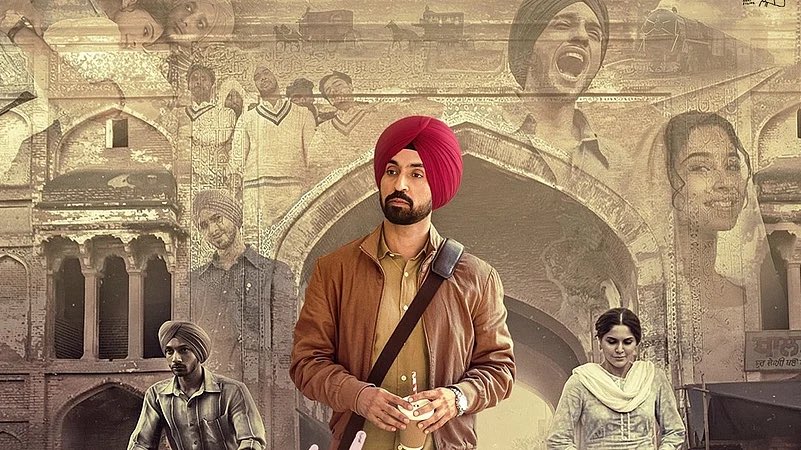
May the film continue to run, get footfalls and emerge the sleeper success story of 2026! It’s always good to see surprises at the box office, congratulations to the entire team and the leading star cast - #DiljitDosanjh, #Sharvari, #VedangRaina and #NaseeruddinShah saab.