🚨 Brazilian skate legend Sandro Dias just smashed the world record!
Dropped in from 230 feet up, that’s like 22 stories high, on a wild temporary ramp in Brazil.
Hit a blistering 64 mph.
Atomic veterans describe what nukes feel like
“When the flash hit you, you could see the X-rays of your hand through your closed eyes.”
“If I was looking at you now I would see all your bones, the blood vessels and everything.”
Rita Moreno is one of just three people to win an Emmy for The Muppets, the other two: Bernadette Peters and Peter Sellers. The comedy timing during her performance of "Fever" while Animal attempts to railroad her is incredible. It was also done in one take
"Dat my kinda woman!"
When you see the glow of fire cutting through the night sky during Mardi Gras, you’re witnessing one of the oldest and most layered traditions in New Orleans — the Flambeaux. 🔥⚜️ The word “flambeaux” comes from French, meaning torch. In the 19th century, before electric streetlights illuminated parade routes, enslaved Africans and free men of color were forced to carry flaming torches to light the way for krewes rolling through the city. They walked ahead of floats, beside riders, and through crowds — providing literal light during a time when they themselves were denied freedom and basic rights. What began as labor rooted in slavery later evolved into paid work after Emancipation, with Black men continuing the tradition as torchbearers during Mardi Gras parades. Over time, the Flambeaux became more than lighting. They became performers. With kerosene torches in hand, they danced, twirled, entertained, and brought rhythm and movement to the streets. Spectators began tossing coins — a practice that, while festive on the surface, carries complicated undertones tied to class, race, and power. The image of Black men performing for tips while lighting the celebration of others is a reminder that New Orleans’ beauty often sits alongside hard truths. Today, Flambeaux carriers are still a powerful and visible part of Mardi Gras. They are paid professionals who train for the role, understand the risks, and embrace the cultural significance of the tradition. In recent years, there have been conversations about fair wages, safety standards, and proper respect for the history behind the role. Many are reclaiming the narrative — honoring the ancestors who carried those flames under bondage while asserting dignity and pride in what the tradition represents now. The Flambeaux are not just aesthetic. They are history in motion. They represent resilience, survival, artistry, and the complicated layers of New Orleans culture — where joy and struggle have always coexisted. As the torches flicker along St. Charles Avenue and beyond, they remind us that even in darkness, our ancestors found ways to bring light. #louisiana #mardigras #Flambeaux #BlackHistory
Kenya 🇰🇪
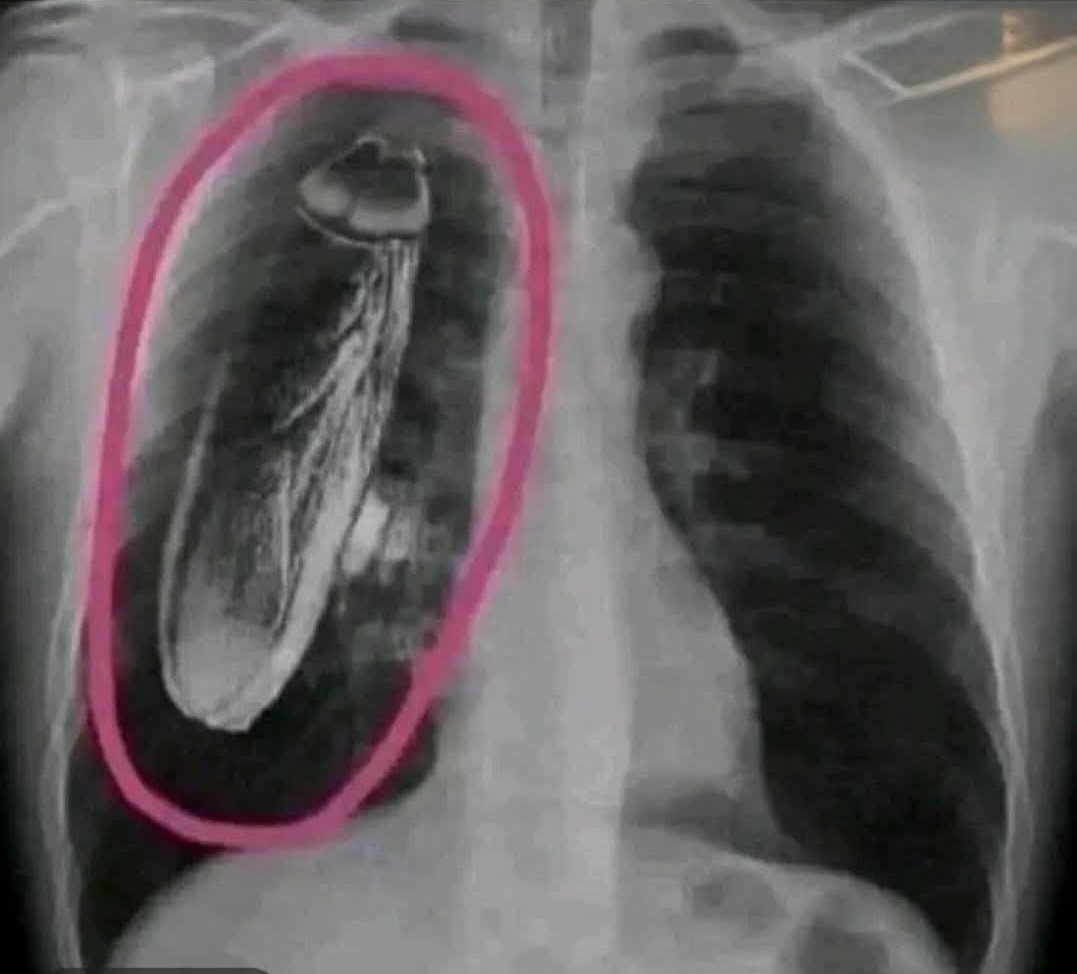
In Kenya, a patient was told after an X-ray at a government hospital that he had a live cockroach inside his chest, and they recommended him to go to Singapore for treatment.
When he arrived there and they examined him properly, they discovered that the insect wasn’t inside his body at all.
It was stuck inside the X-ray machine in the Kenyan government hospital that they used.
After 40 years, Wynton Marsalis is stepping down as the managing and artistic director of Jazz at Lincoln Center, which he founded.
“We have so many great younger people coming up,” he told CBS Mornings about the decision.
In American grocery stores we have tuna that is a bright red color. It looks fresh, but it’s fake
Grey colored tuna is placed into this machine that soaks the tuna in a red dye and injects it with a chemical and vitamin compound
This also increases the weight for more profits