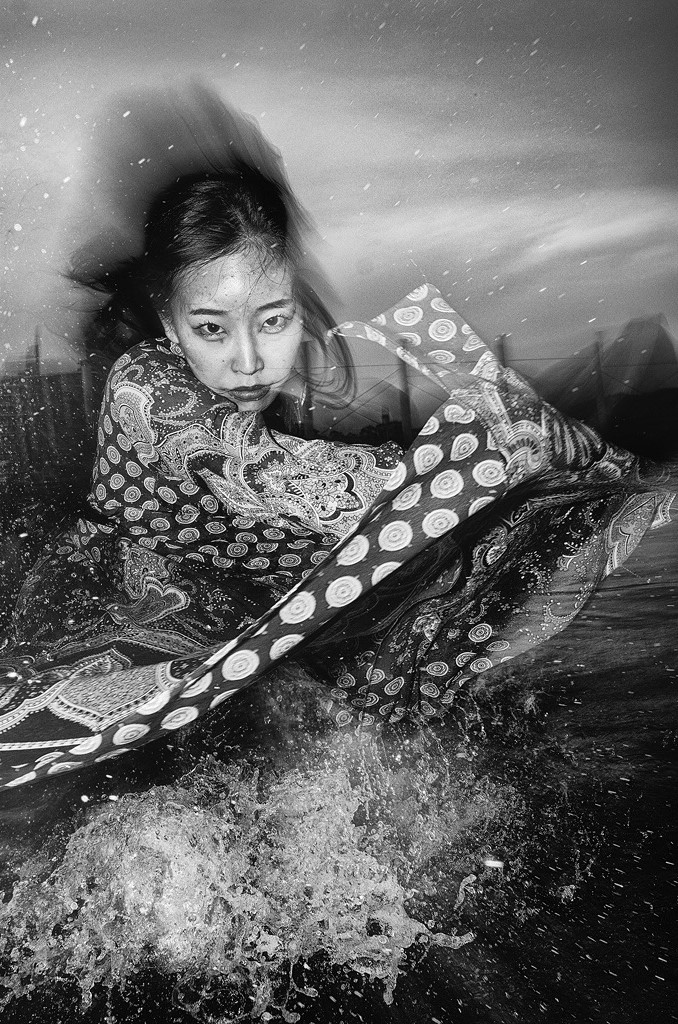
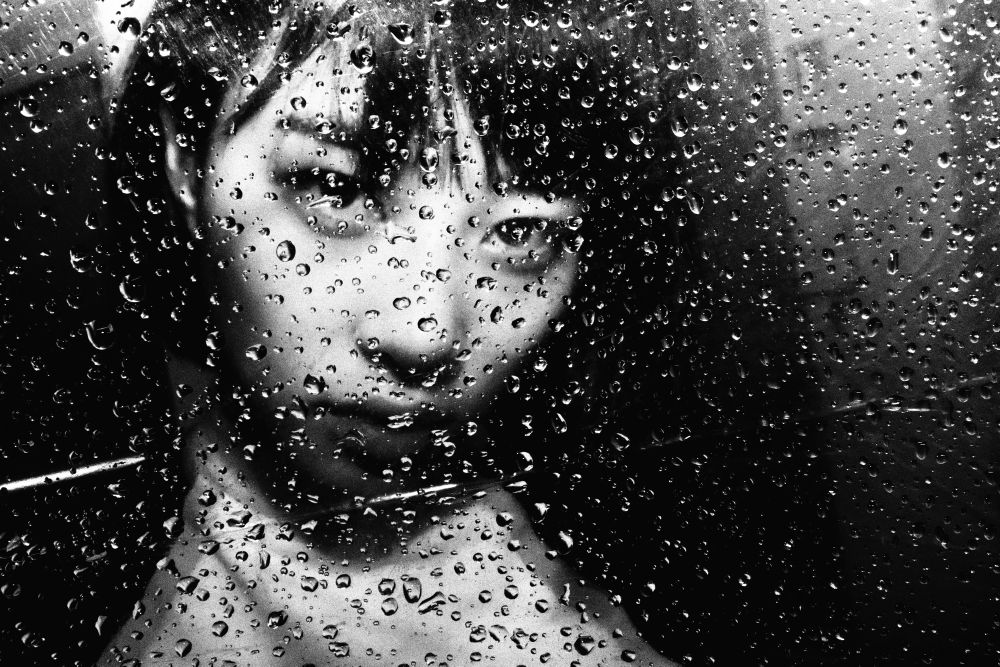
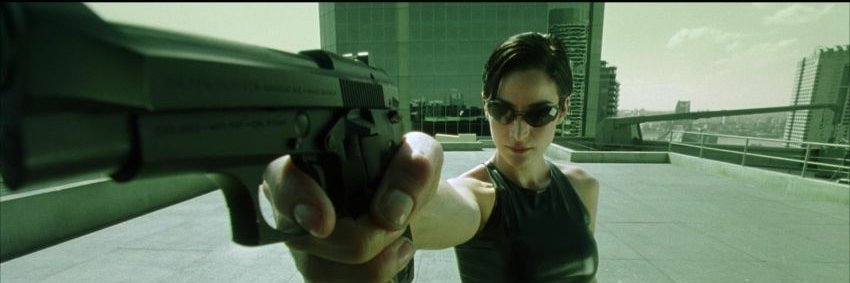
Éric Rohmer made filmmaking look deceptively effortless. The natural light, the quiet framing, the casual movement of people through spaces. His movies feel so light and unforced that you almost miss how carefully controlled every emotion actually is.
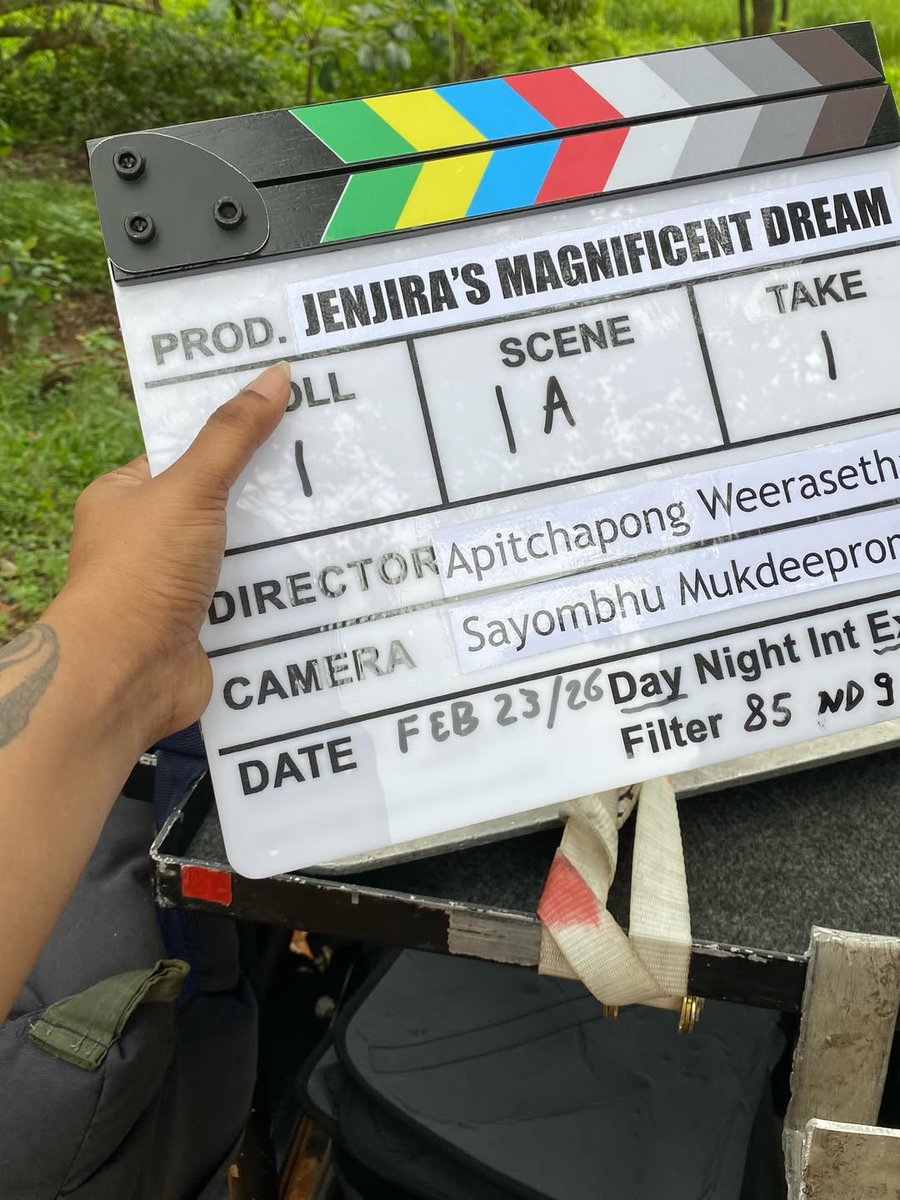
what we know so far about new apichatpong:
• the film is expected to be his longest yet, potentially around 3-4 hours
• cinematography by sayombhu mukdeeprom (he had worked on blissfully yours, syndromes and a century, uncle boonmee who can recall his past lives, and memoria)
Paris, Texas (1984) is one of those films where every frame genuinely looks painted.
The compositions are so precise in this film. Empty highways, harsh reds, wide desert shots, neon-lit interiors. None of it feels forced or overly stylized.
Wim Wenders and Robby Müller make ordinary spaces look iconic just through framing and light. It’s quiet, restrained filmmaking that lets the images carry the emotion. #filmtwt
Three of the people who made this film died of the same cancer: the director, his wife, and one of the lead actors. All three had been on the same set.
Stalker was shot on a river in Estonia. Just upstream from the set, a working chemical plant was dumping poison straight into the water. That white foam you sometimes spot drifting past on screen is the actual pollution.
The first death came in 1982. Anatoly Solonitsyn, who plays the Writer in the film, died of lung cancer at age 47. Tarkovsky was next. He died of the same cancer in Paris in December 1986, age 54. His wife Larisa, who was also the film's assistant director, died of it in 1998. The sound designer Vladimir Sharun, who was on the same set and survived, has been saying since 2001 that the river killed them. No medical study has ever proved that. But three of the same lung cancer from one crew is hard to wave off as bad luck.
Tarkovsky shot the entire film once in 1977. Took him a whole year. When the Soviet lab developed the footage, it came back ruined. A year of work, gone. He had a heart attack. The Soviet film board wanted to shut the project down right there.
So he tried something. He told the board he was making a two-part film. They gave him more money. He fired his cameraman, brought in a new one, and reshot the entire film from June to November 1978.
Stalker is based on a novel by two brothers, Arkady and Boris Strugatsky. They had also written the script. Tarkovsky put them through nine rewrites of it. The original location was supposed to be in Tajikistan, but a 1976 earthquake destroyed the area and forced the whole production to move to Estonia.
Stalker came out in May 1979. In the film, the "Zone" is a contaminated wasteland around a fourth bunker, with a wish-granting room hidden somewhere inside. Seven years later, Reactor Four at Chernobyl exploded. The contaminated land around the real reactor became known as the Zone of Exclusion. Today, the people who illegally smuggle tourists into Chernobyl still call themselves stalkers, named after the film.
Stalker is now considered one of the greatest films ever. The shot you are looking at right now is from a movie that, according to the people who made it, took the lives of the director, his wife, and the actor who plays the Writer.
Tony Jaa might be the best screen martial artist of the post–Hong Kong golden era. This chase from Ong-Bak: Muay Thai Warrior (2003) shows exactly why.
Happy Birthday, Steven Spielberg.
He has an almost unreal ability to arrive on set and discover the scene in real time, finding the shots, the blocking, and the rhythm on the spot.
This moment from the set of Jurassic Park says it all.
Found out that Adil El Arbi & Bilall Fallah, who directed the last two Bad Boys movies, released a sequel to their Belgian crime film GANGSTA this year (the title's... GANGSTAS). 2nd half contains nice set pieces, such as a long (fake) oner shootout. Only on Prime Benelux for now
The Protector (2005) is still Tony Jaa at his peak. That 6-minute restaurant oner is an insane flex.
No cuts, no cheats, just brutal choreography and camerawork pushing everyone to their limit. One of the great action feats of the century.