Coming up fast! May 10-14, 2021- Isotope Tracers in Catchment Hydrology - an on-line graduate course and workshop. For details see:
https://t.co/m4gucEiB44
Looking for professional degree information with our very own School of Environment and Sustainability? We have two info sessions:
https://t.co/BM4KU6FZeA
To distract you momentarily from the ongoing saga south of the border, received news yesterday that our paper led by Kristin Painter on the fate of nutrients from a wastewater lagoon discharge in s. Manitoba was accepted. MTF @StrEAMS_Lab @ECCCSciTech @SaveLakeWpg @LakeWpgProgram
Happy to see our publication featured in Science Trends @sciencetrend
Tracking Cats: Using Stable Isotopes To Geographically Place Mammalian Carnivores https://t.co/ic0HsJQwtr via @sciencetrend
NEW Research from our lab - Can we track cats using #stableisotopes ? Yes we can!
#PLOSONE: Tracking cats revisited: Placing terrestrial mammalian carnivores on δ2H and δ18O isoscapes https://t.co/eAgckDxjSx
NEW Research from our lab - Can we track cats using #stableisotopes ? Yes we can!
#PLOSONE: Tracking cats revisited: Placing terrestrial mammalian carnivores on δ2H and δ18O isoscapes https://t.co/eAgckDxjSx
Grazing high and low: Can we detect horse altitudinal mobility using high‐resolution isotope (δ13C and δ15N values) time series in tail hair? A case study in the Mongolian Altai
https://t.co/XXoYmmqlYt
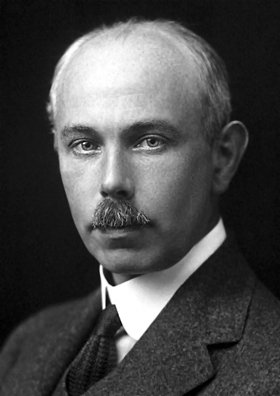
Francis William Aston FRS. Born #OnThisDay, was awarded the Nobel Prize in Physics for his discovery of isotopes through mass spectography. Isotopes are variants of an element that have different numbers of neutrons.
Terrestrial contributions to Afrotropical aquatic food webs: The Congo River case - Soto - - Ecology and Evolution - Wiley Online Library https://t.co/IunDZeRaL0
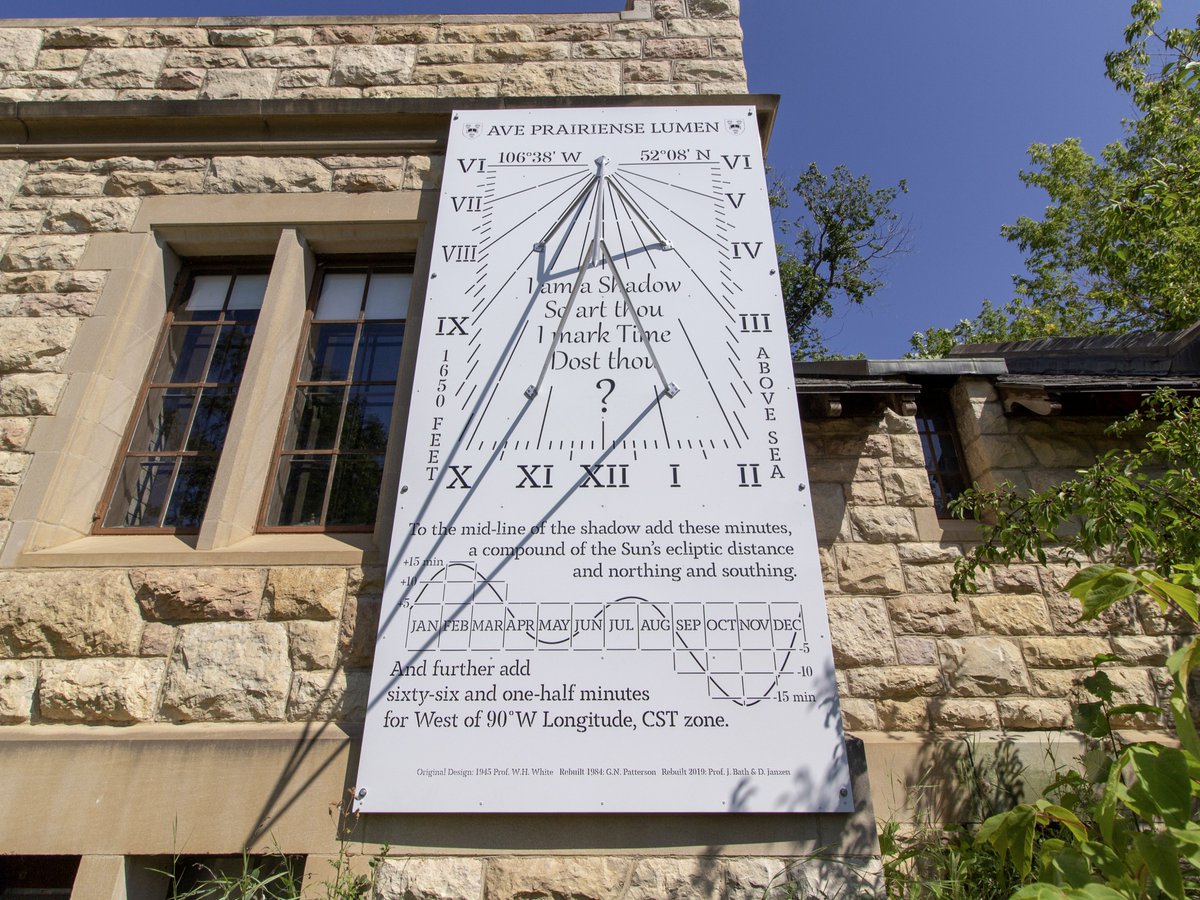
This week, a new sundial was installed on the south wall of the @USask Observatory. It's a close replica of the sundial that hung there for decades until the 1990s.
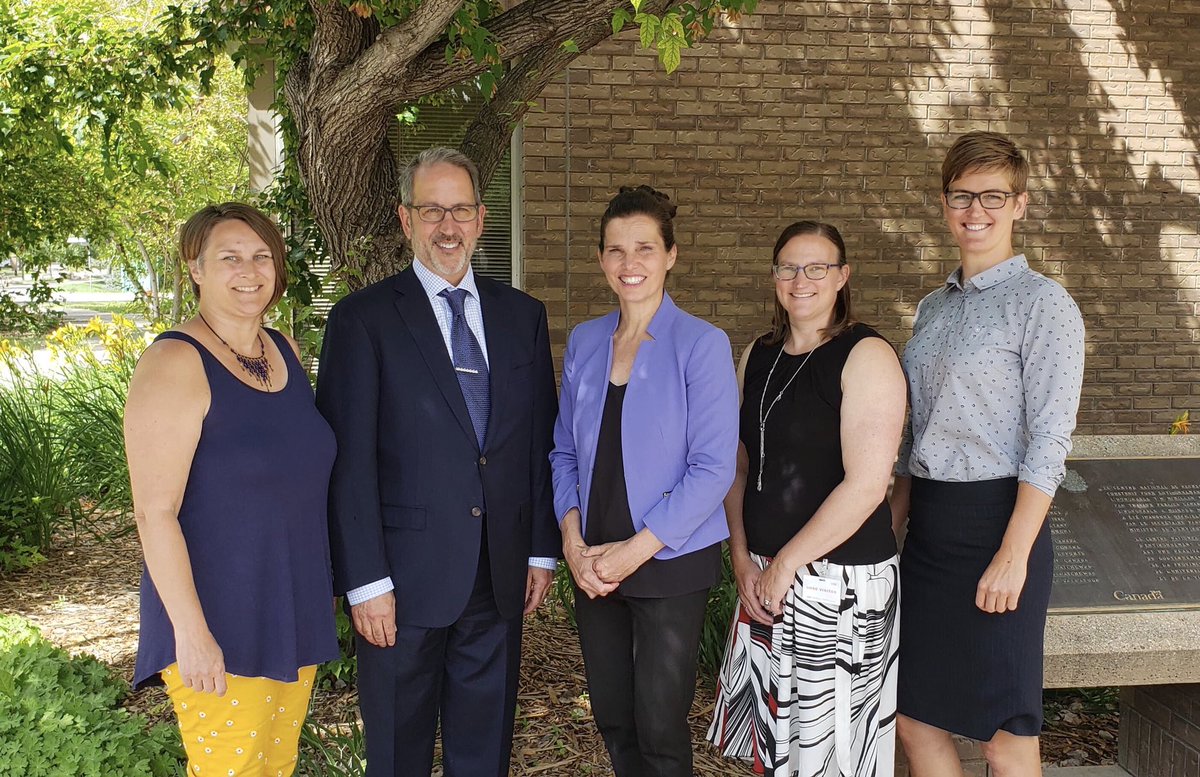
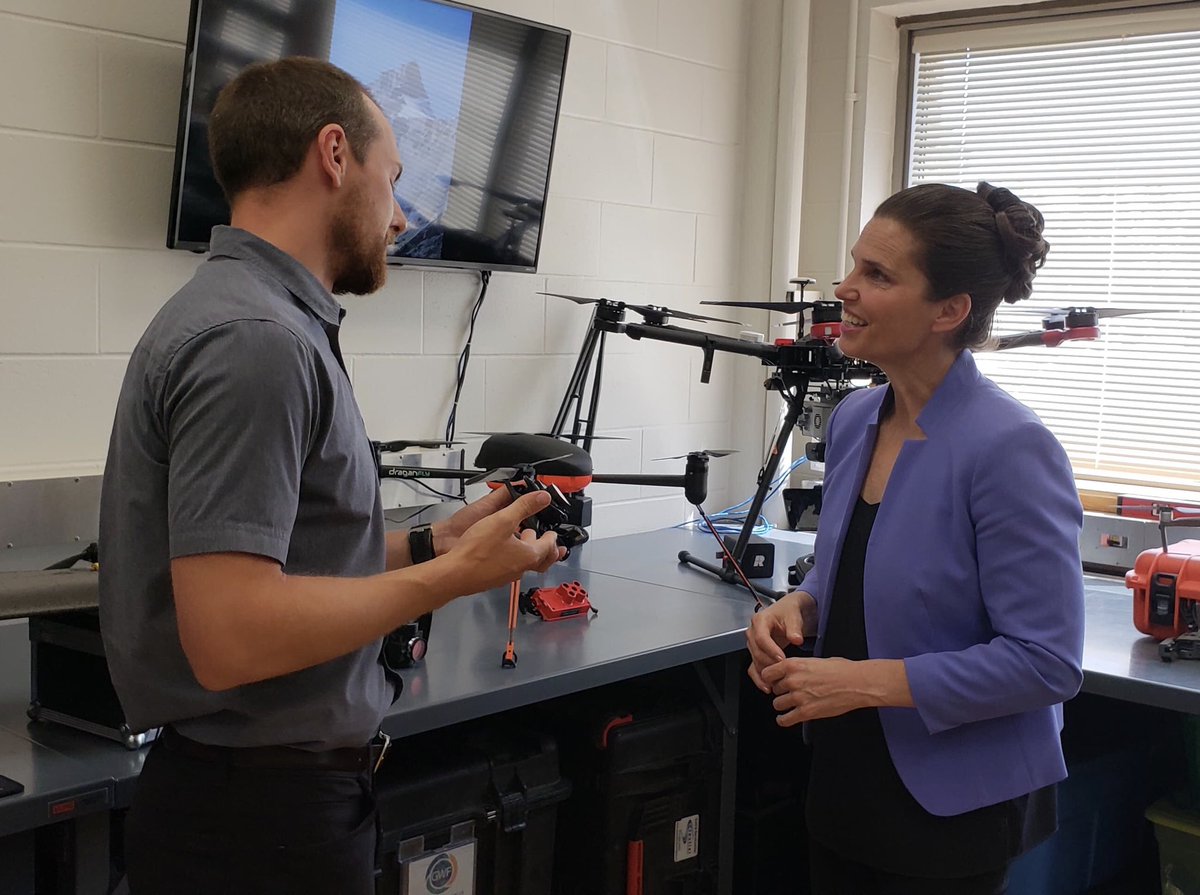
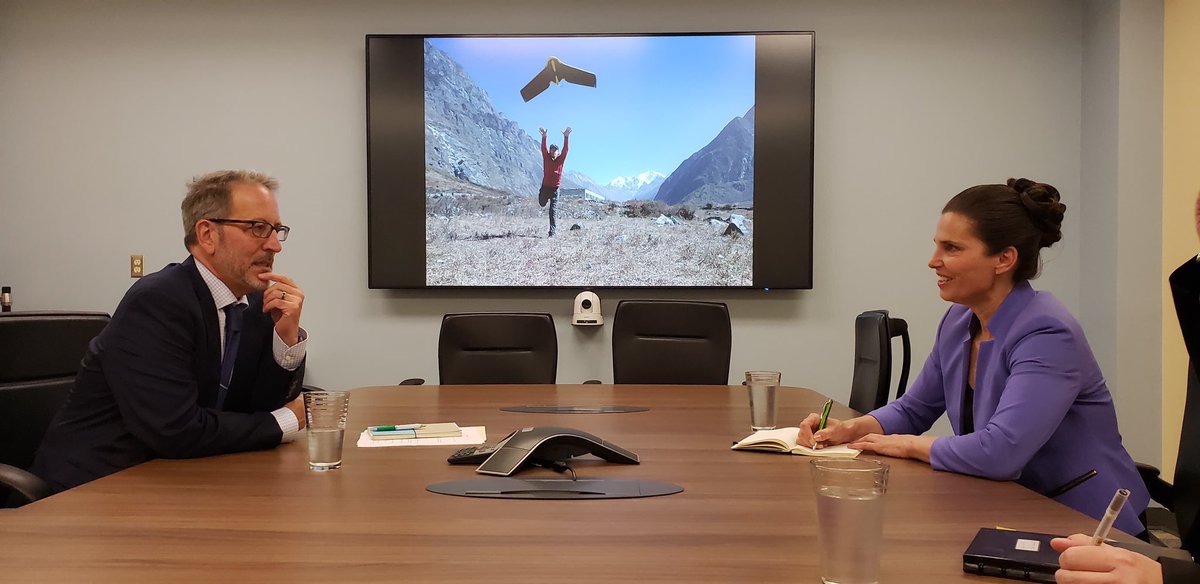
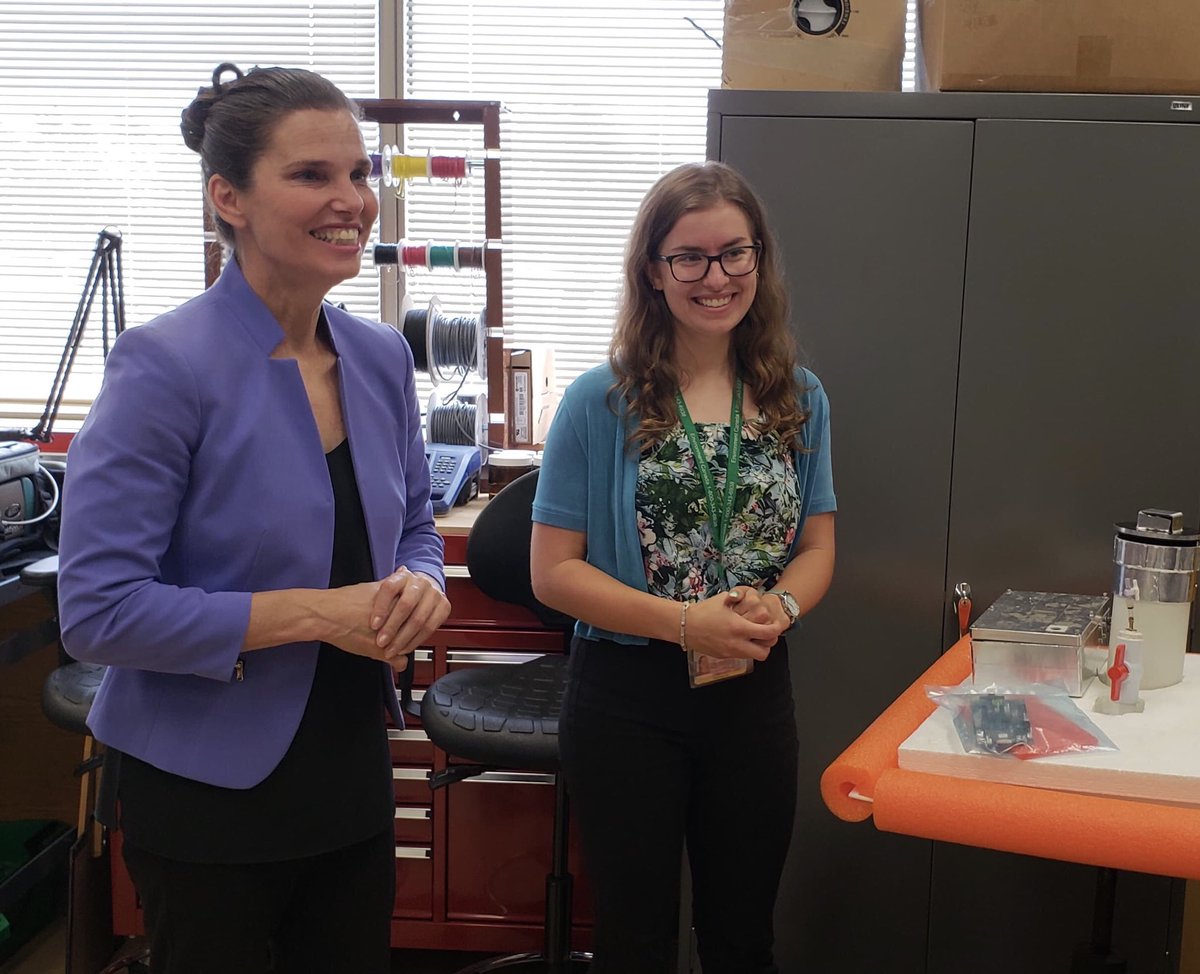
Happy to join @JayFamiglietti and the team at @usask_water for a great tour of the National Hydrology Research Centre (NHRC). The NHRC does great work to generate scientific data, related information and tools to help sustain Canada’s ecosystems. #USaskWater#WomeninWater