We are the Virginia Institute of Marine Science (VIMS)-SAV Lab. We monitor and restore underwater grasses in the Chesapeake and Coastal Bays of Virginia.
After 7 years and 2 degrees, our very own Dr. @AJJohnson1607 is heading to @vanderbiltlaw! We're sad to see him go, but can't wait to see what he'll do next. We know his future is bright! #seagrass@VIMS_News
The 2018 Bio Blitz in Wachapreague, VA, yielded over 380 unique species, some of which were completely new species discoveries. Take a look into the processing of a sample,from the water to the museum.Check out the full video by our intern Carmen Camp at https://t.co/uBeMhsYtrL
Planted a little over 4 million eelgrass seeds in Cobb Bay, Virginia yesterday. Now we're just hoping everyone stays safe with the approach of the hurricane @VIMS_News
DEQ's Coastal Zone Management Program receives permanent authorization: “I am pleased that we will be able to establish the responsible management of our coastal resources as a permanent fixture of Virginia public policy," @GovernorVA
https://t.co/1eXnH8EJuK
2018 was a great year for the VIMS seagrass restoration program, with an estimated harvest of 11.2 million eelgrass seeds! This number is one of the highest we have had in the history of our program. @VIMS_News
Here's a nice short video of our collaborator, Bo Lusk at the Nature Conservancy's Virginia Coast Reserve, enlisting volunteers to do seed-based restoration in the seaside bays @VIMS_News. https://t.co/J6wUiDTp1a
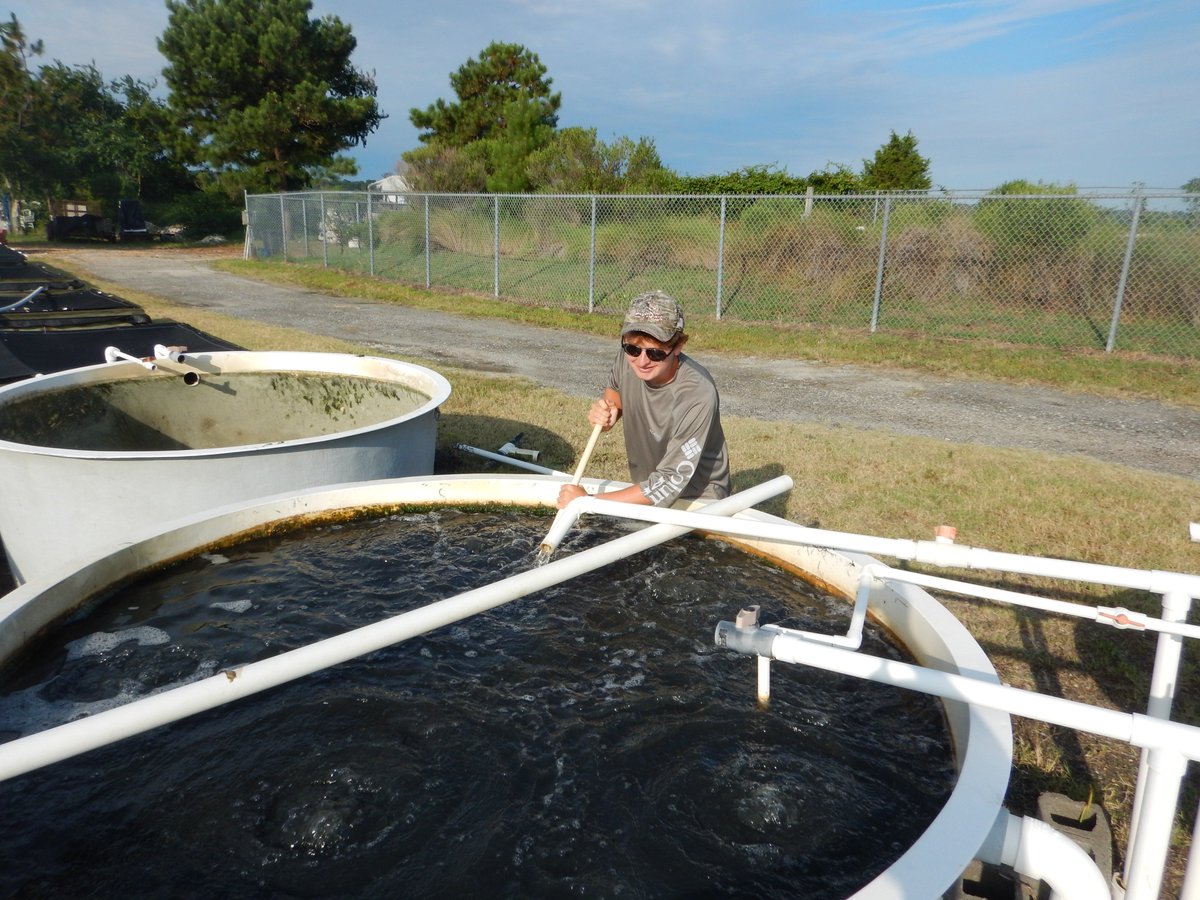
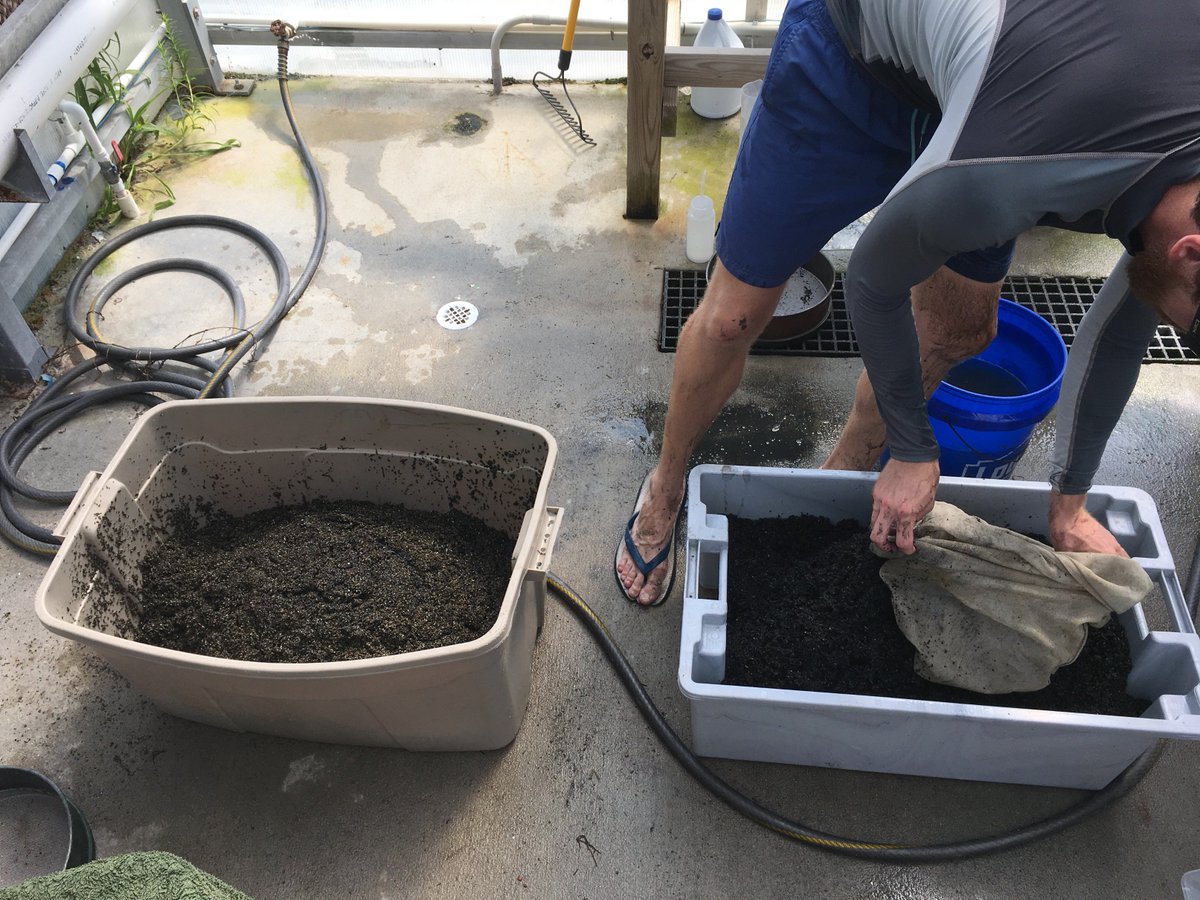
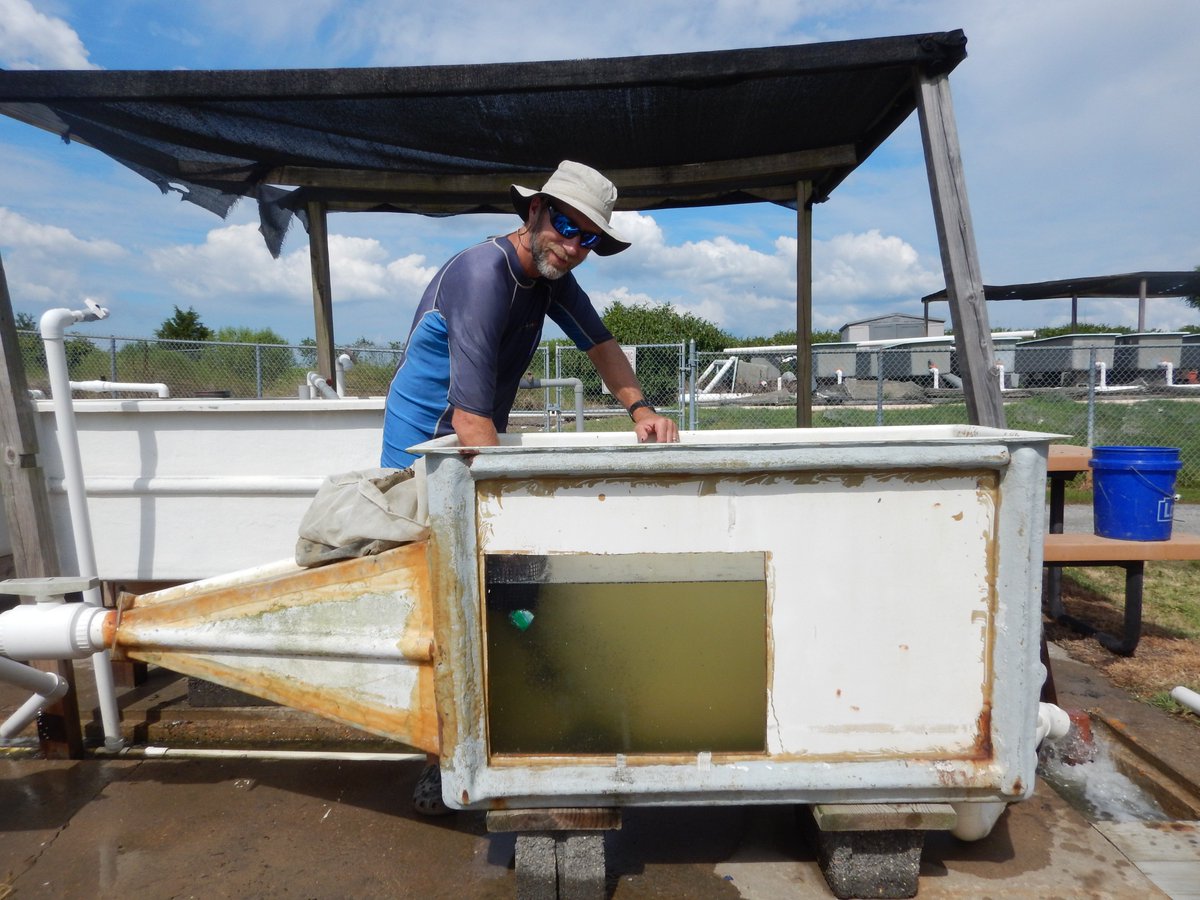
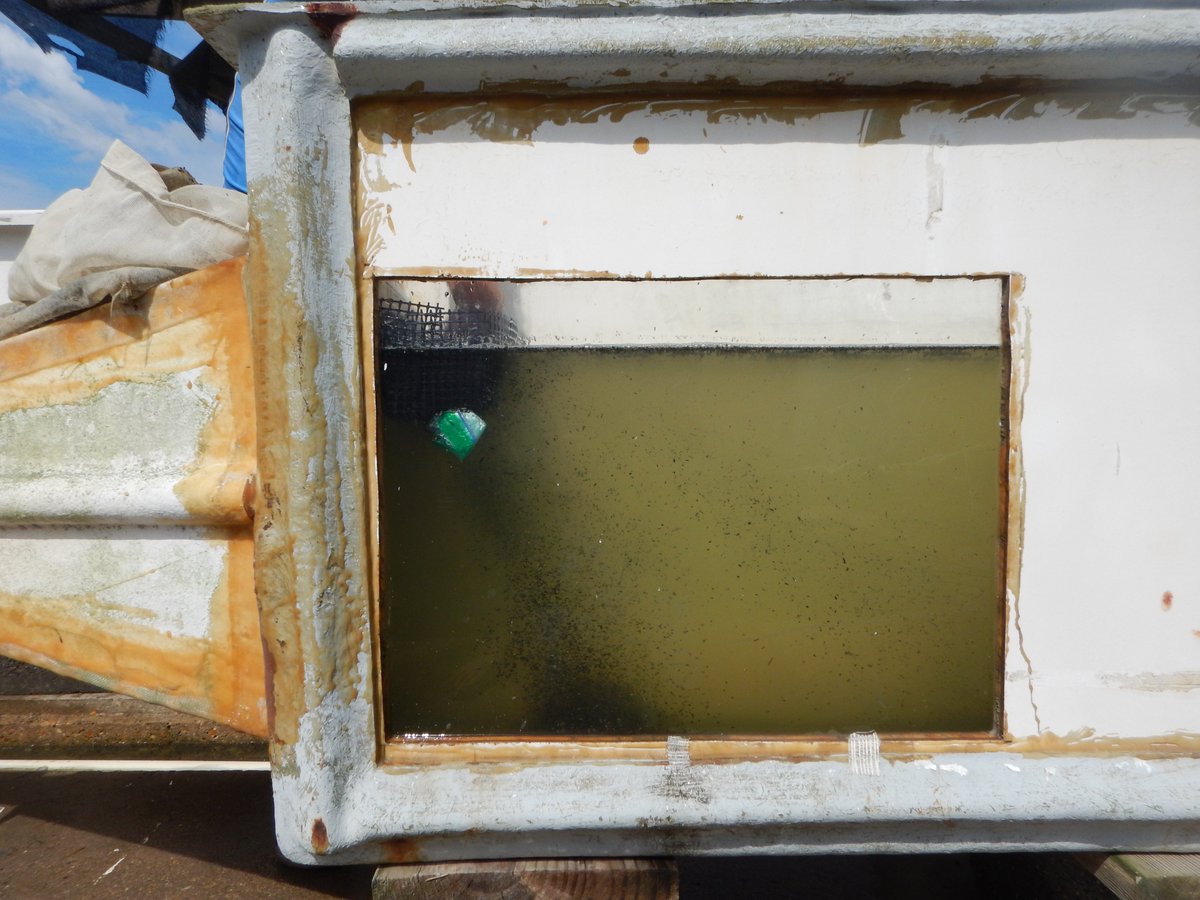
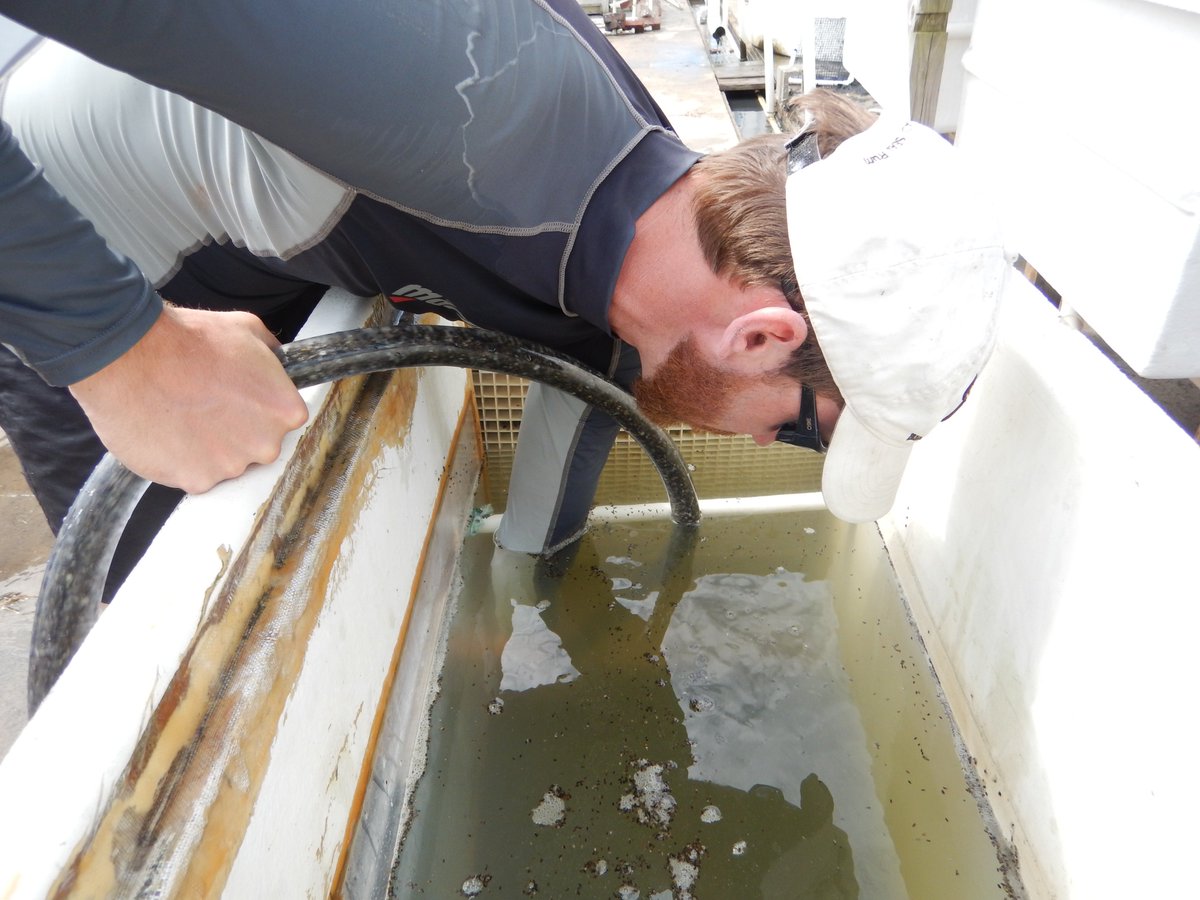
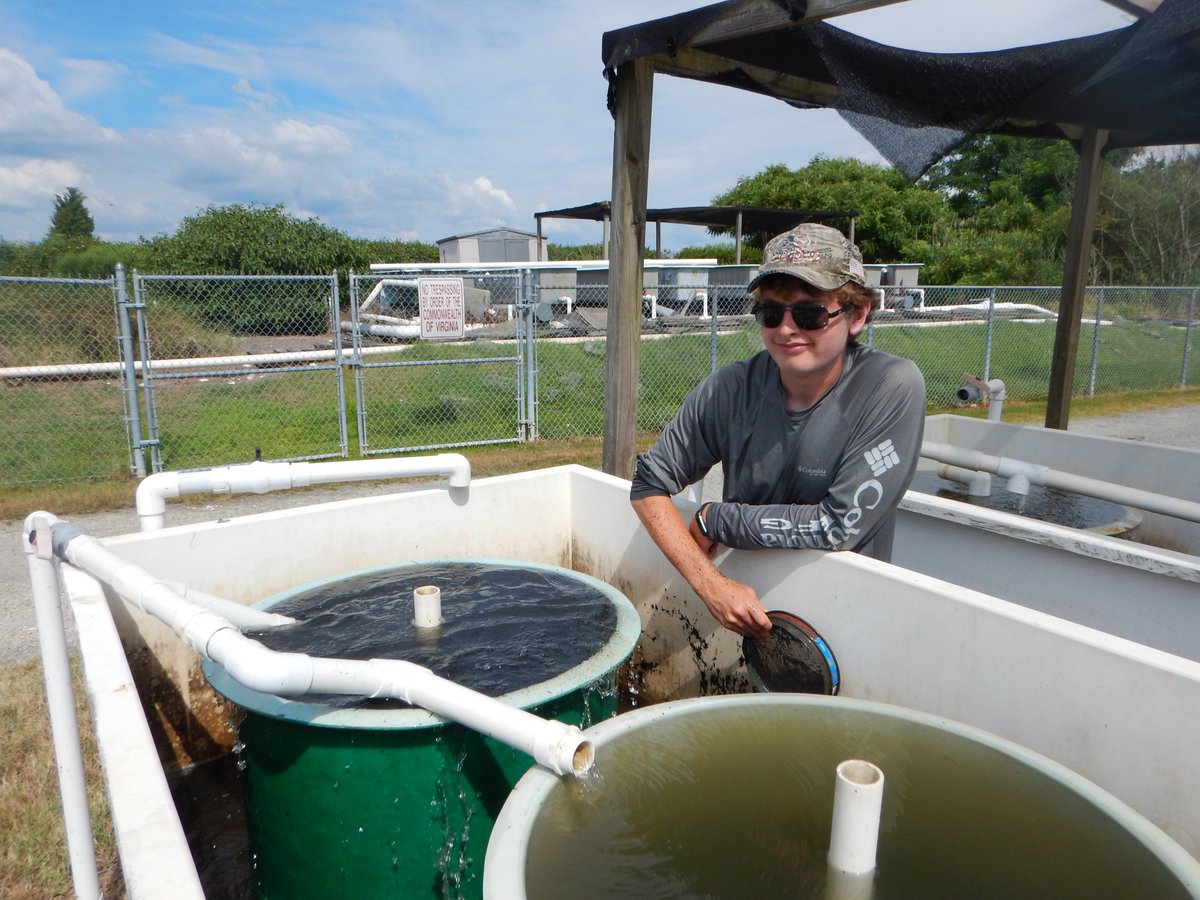
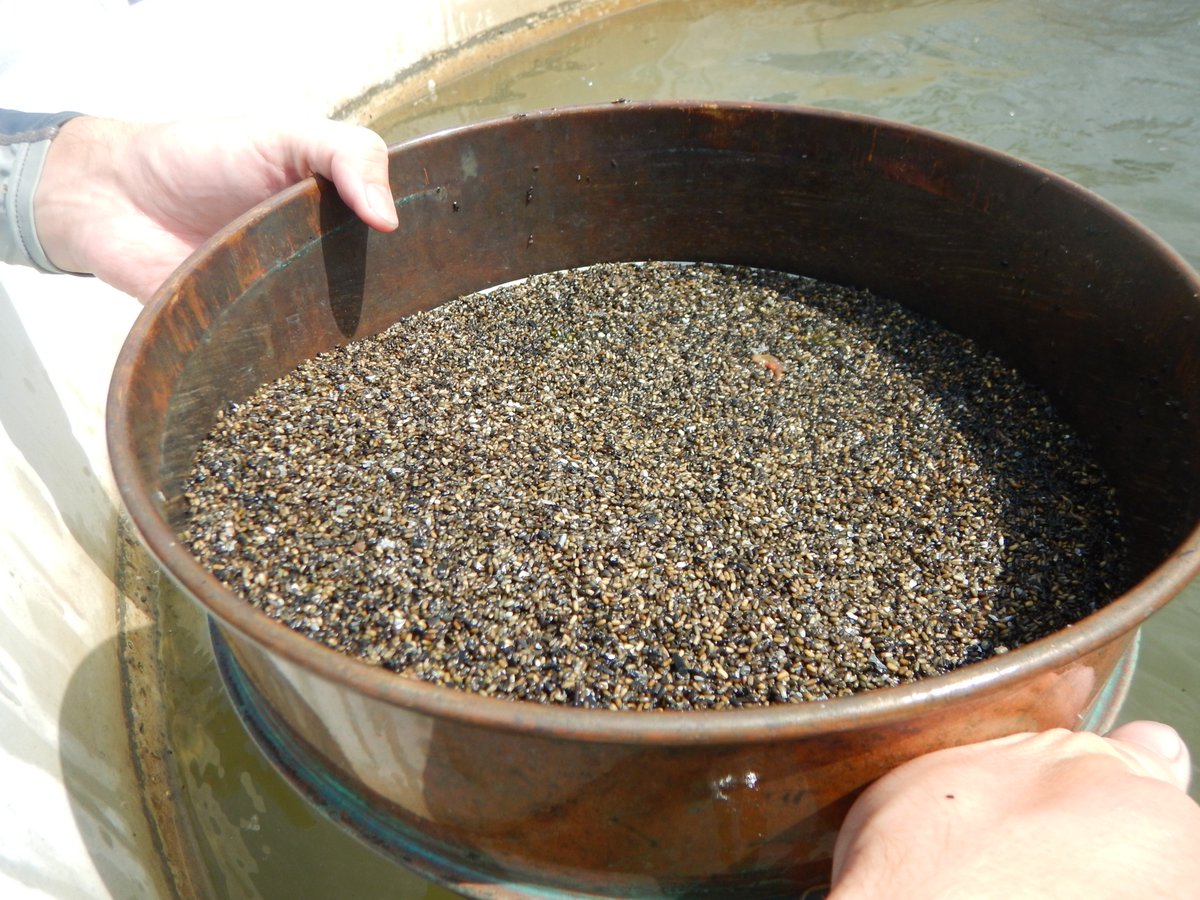
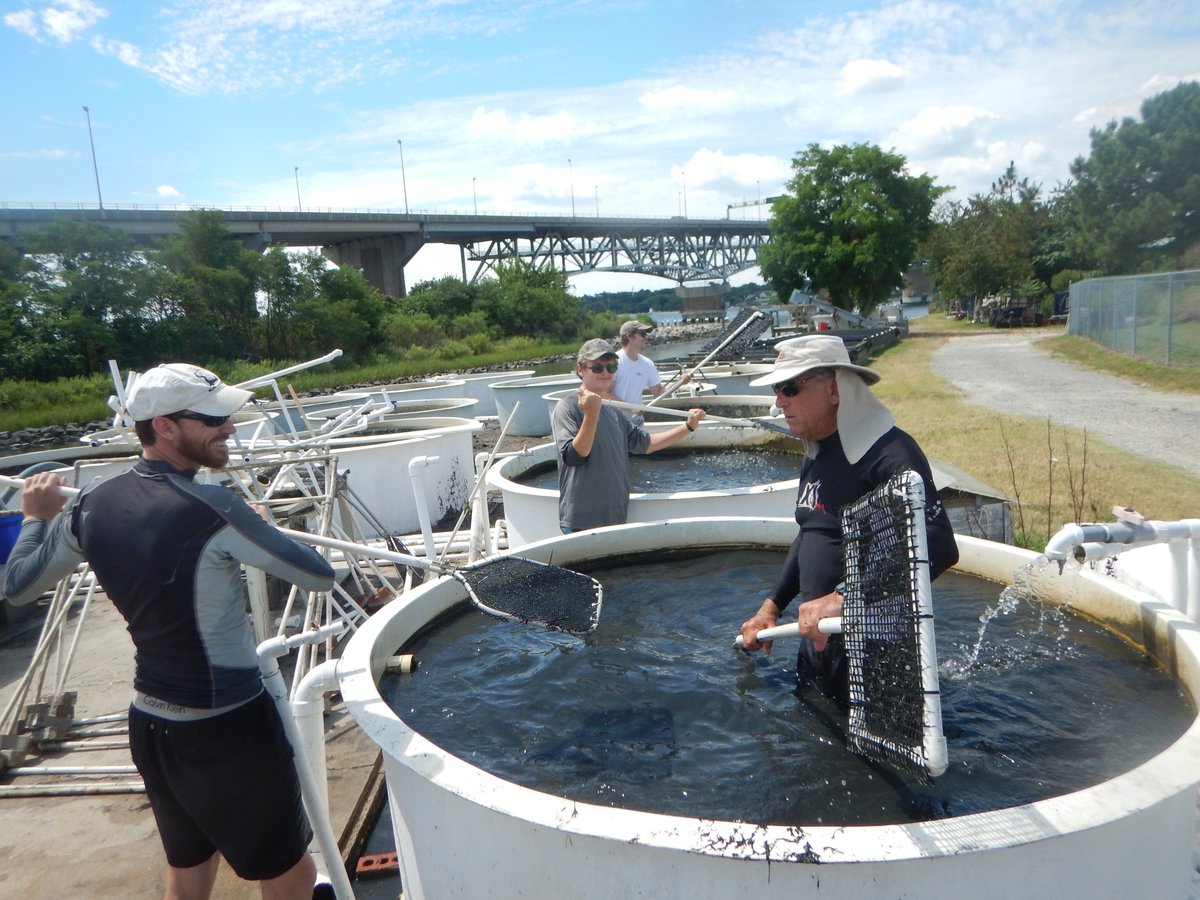
Once we remove the detritus, we flume and sieve again, then the seeds are stored in environmentally controlled tanks until distribution time. @VIMS_News
#CritterOfTheDay: The mantis shrimp, Squilla empusa! #DYK Mantis shrimp claws can strike 50 times faster than the blink of an eye. It's one of the fastest movements in the animal kingdom. https://t.co/IuBbCRGMj5
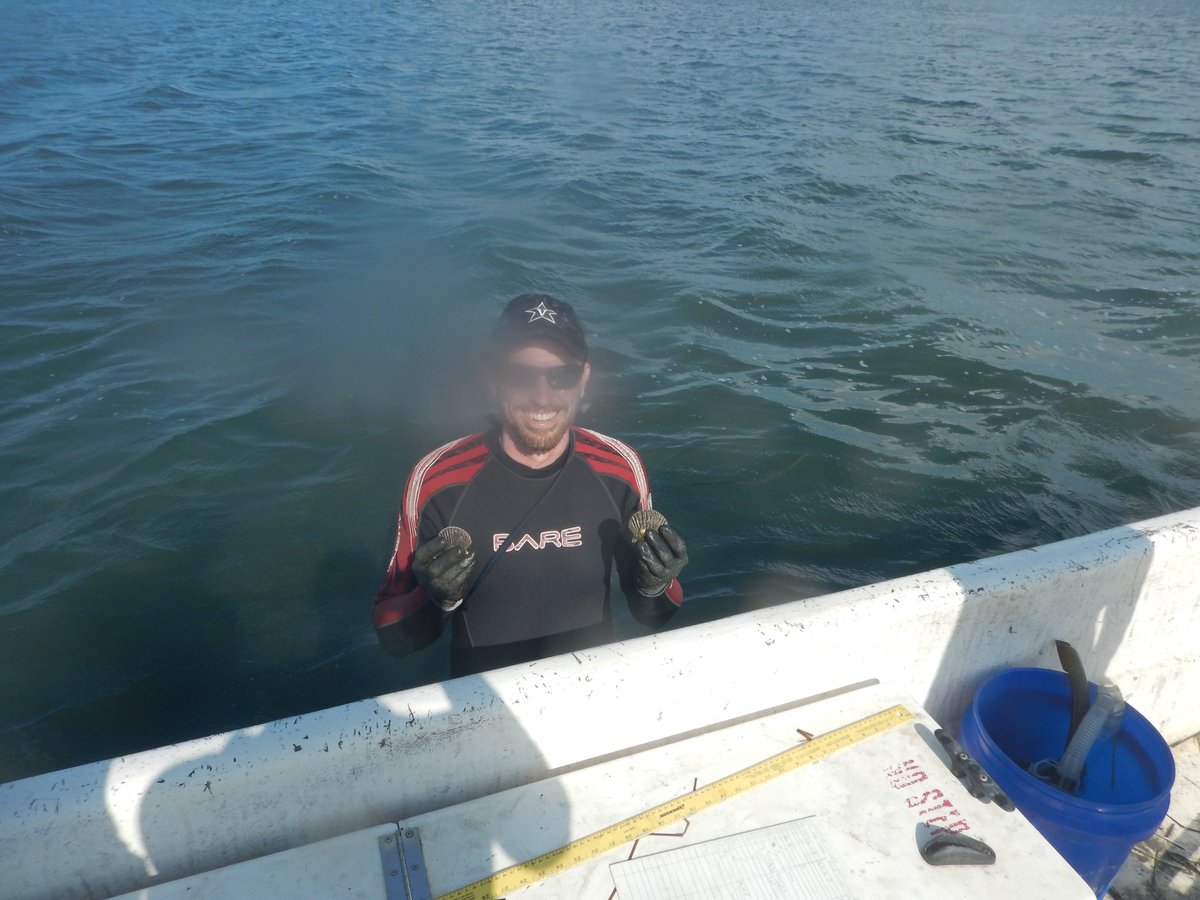
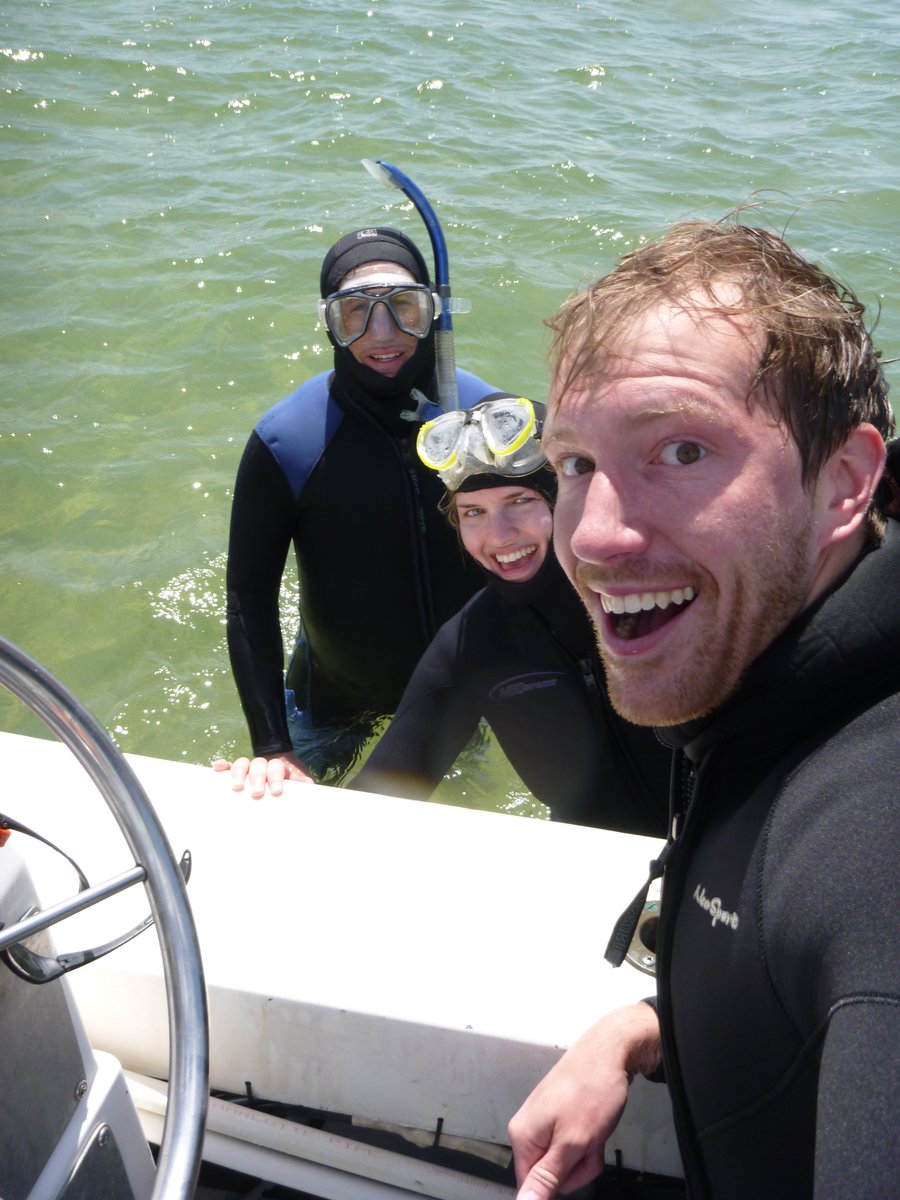
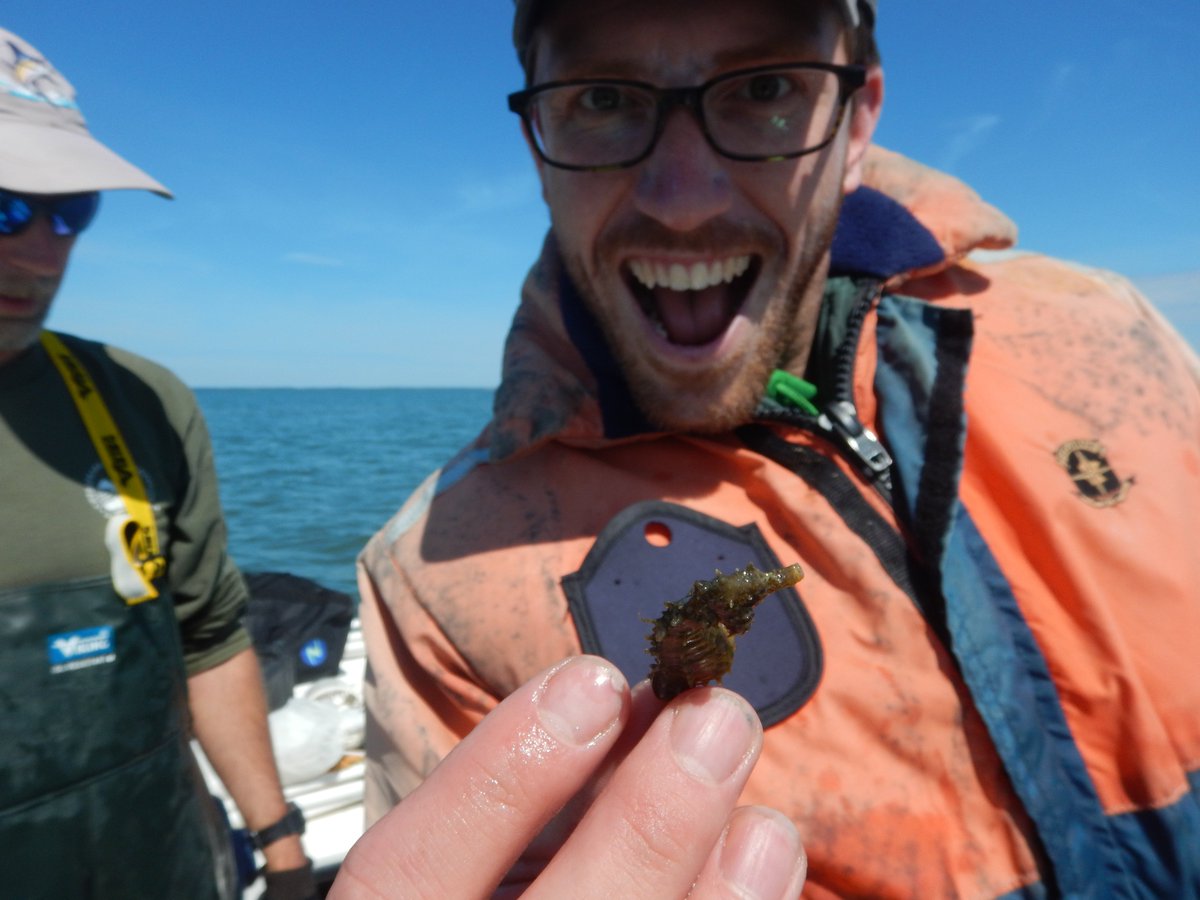
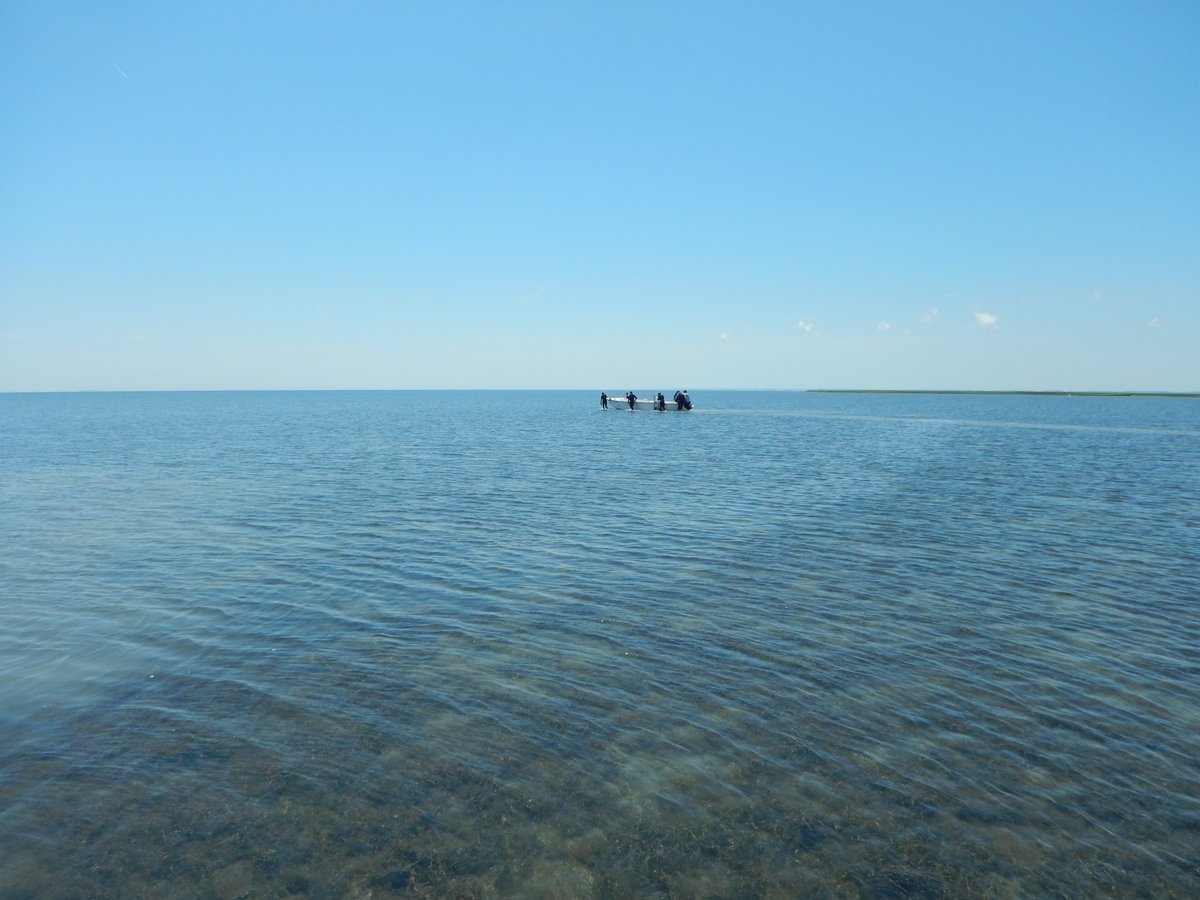
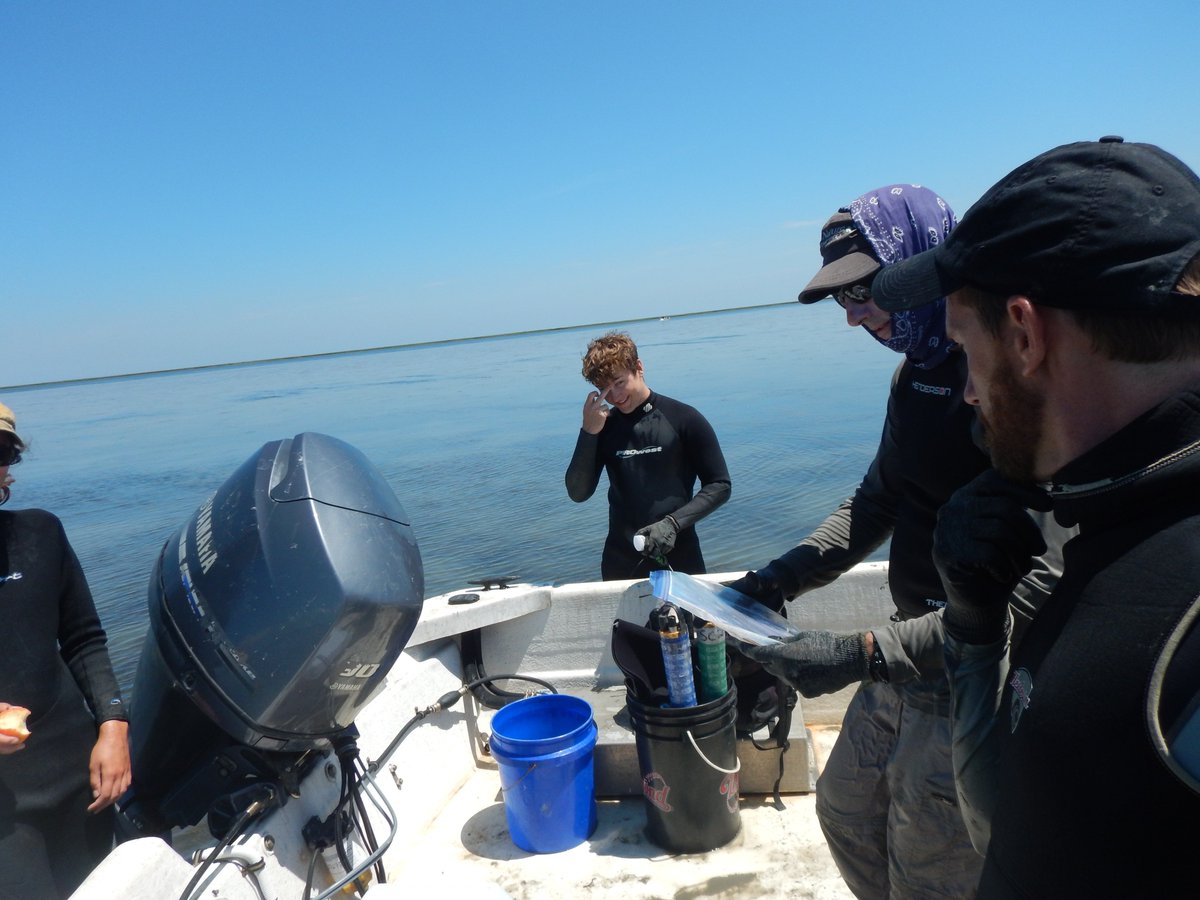
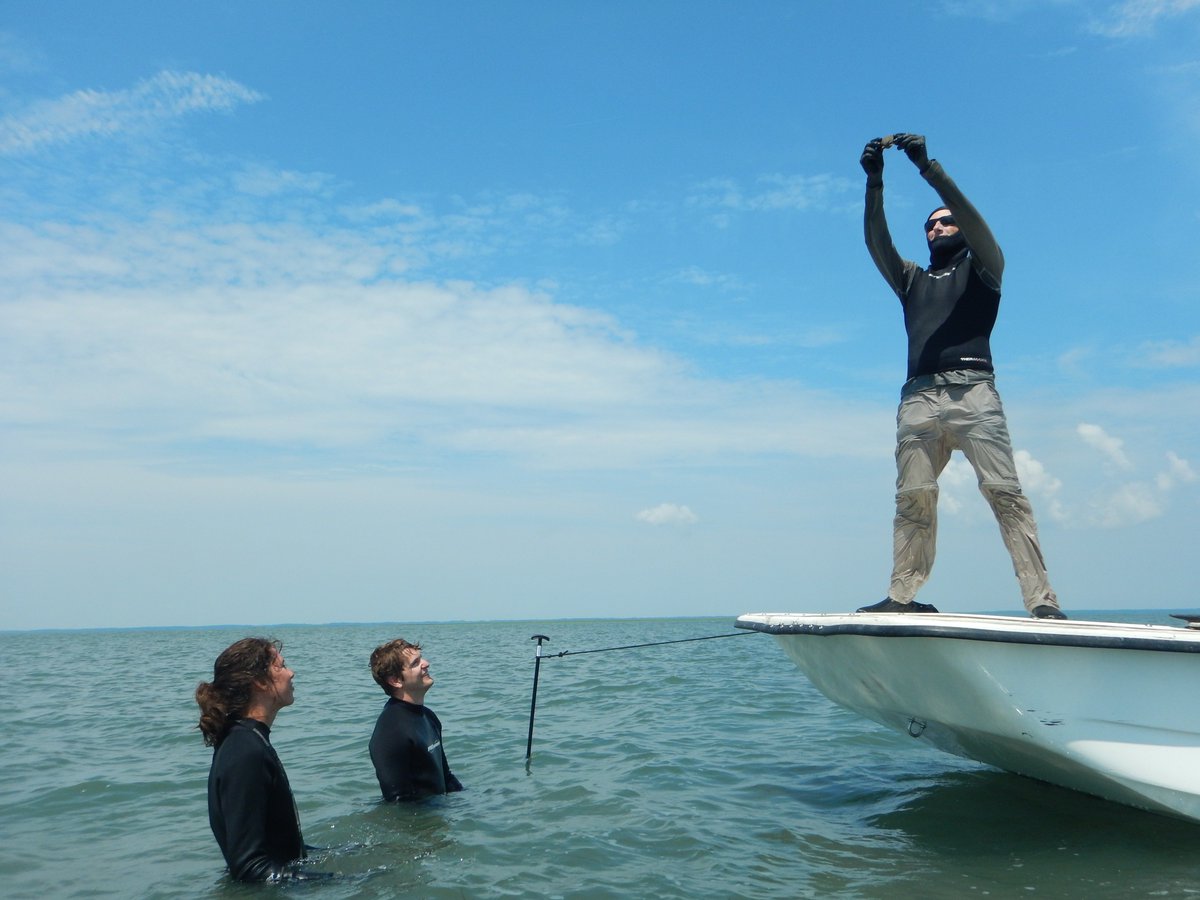
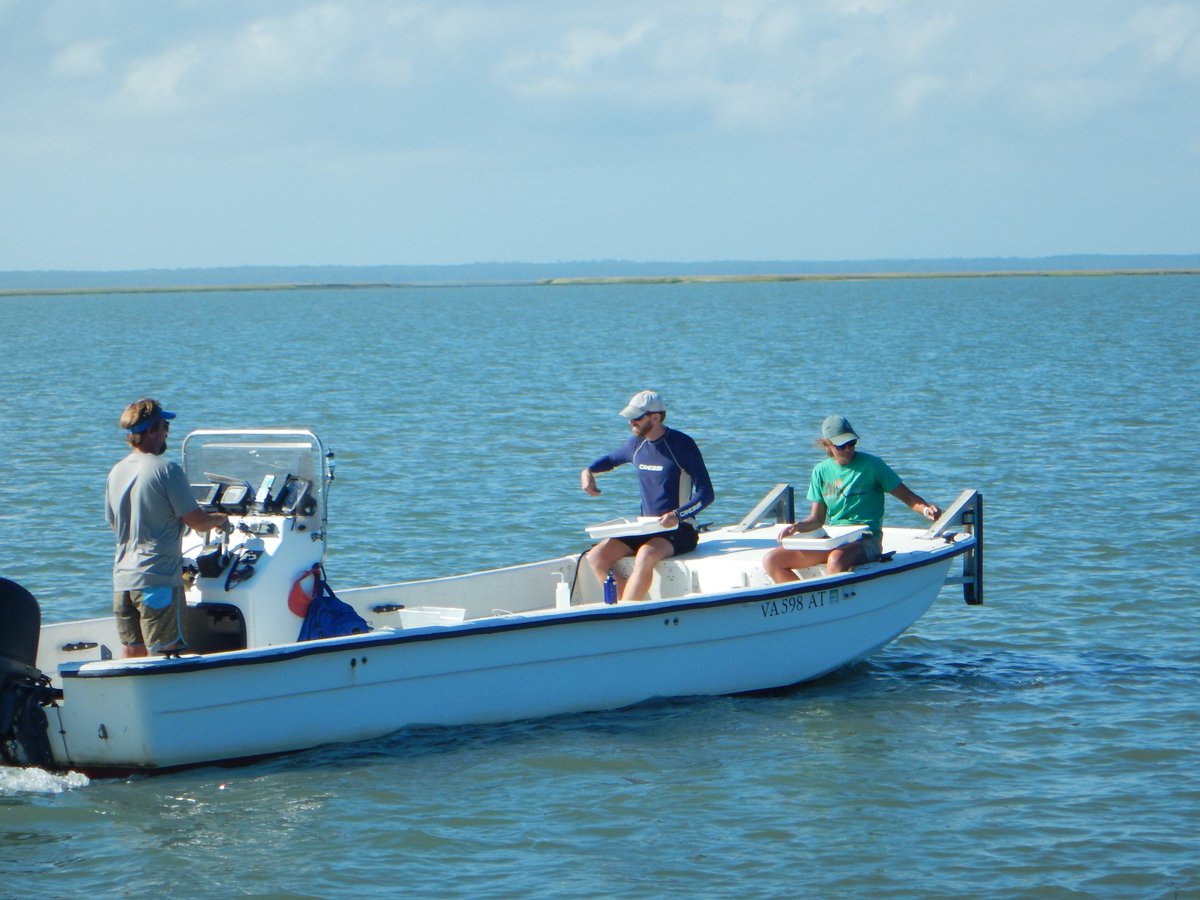
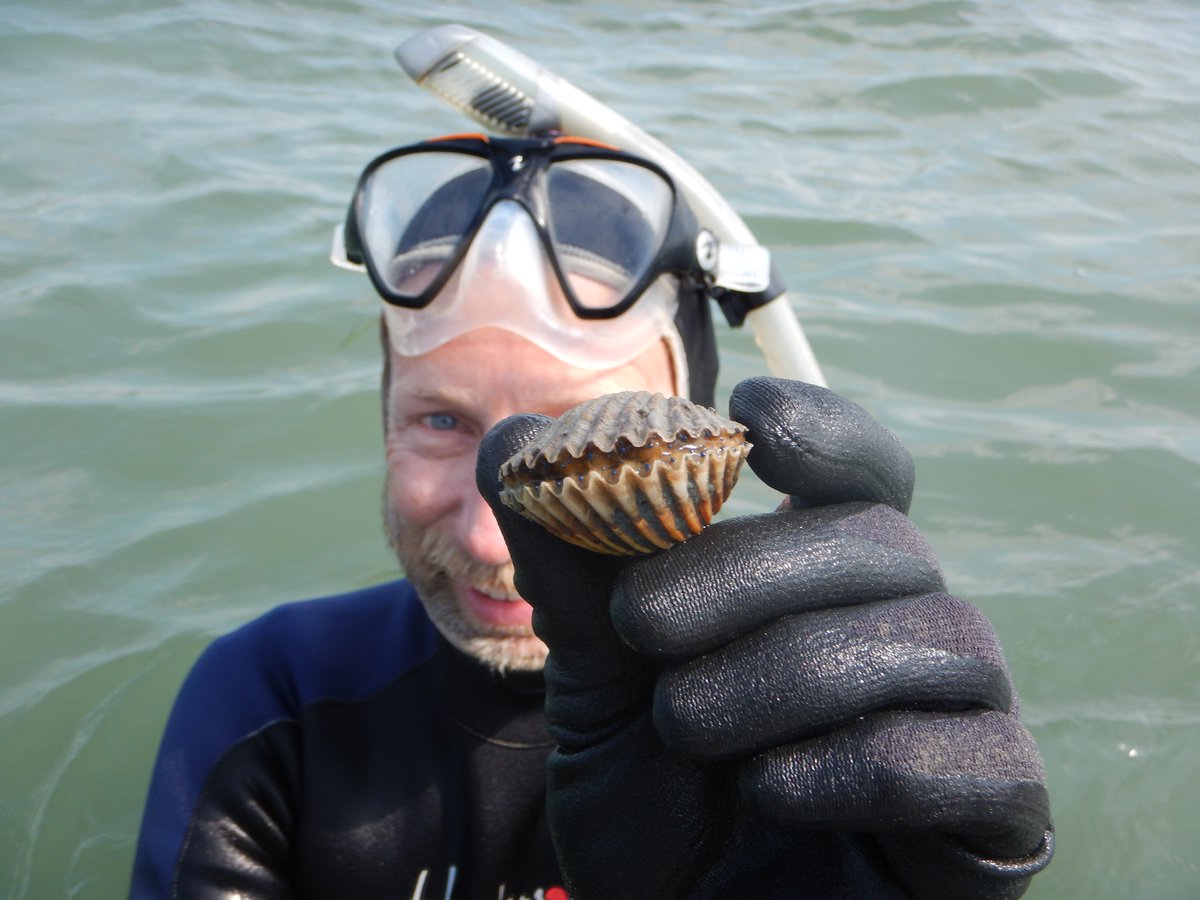
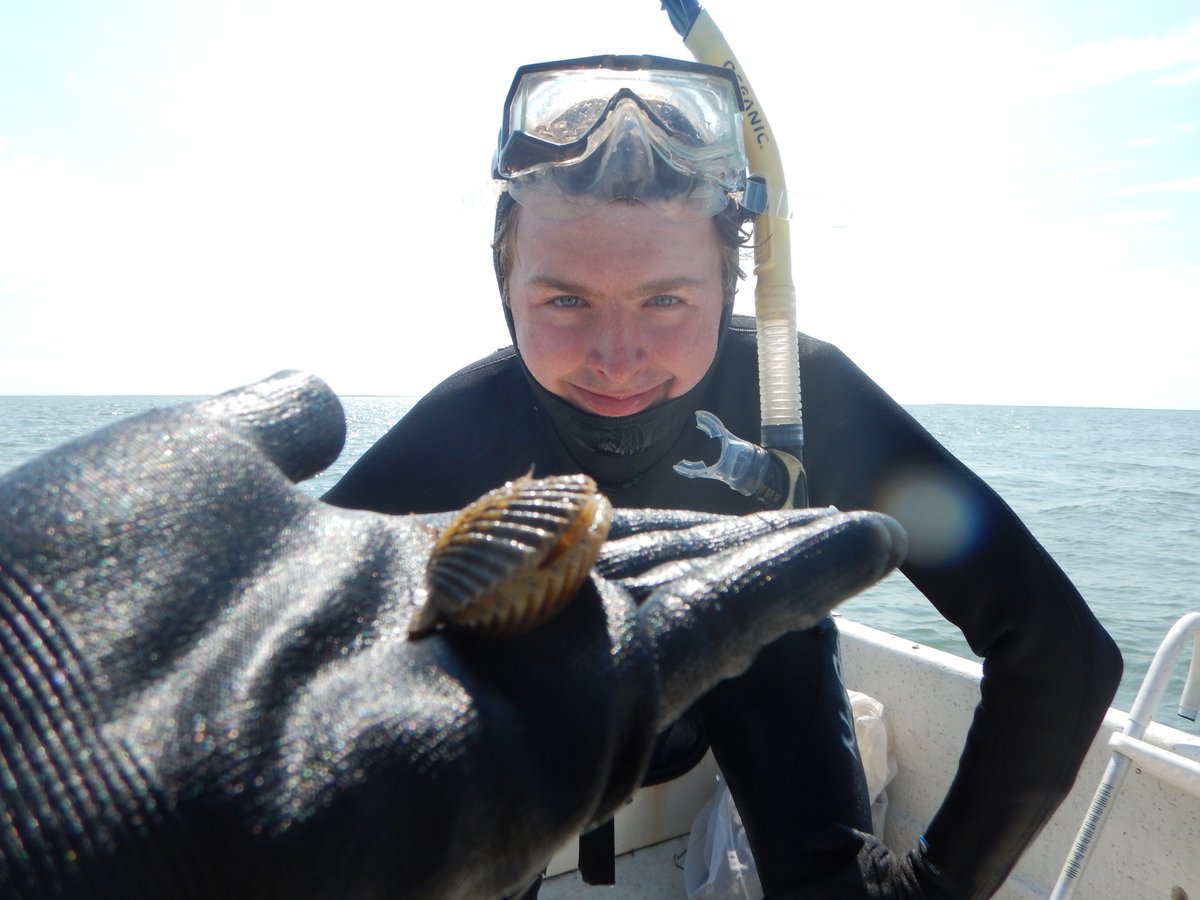
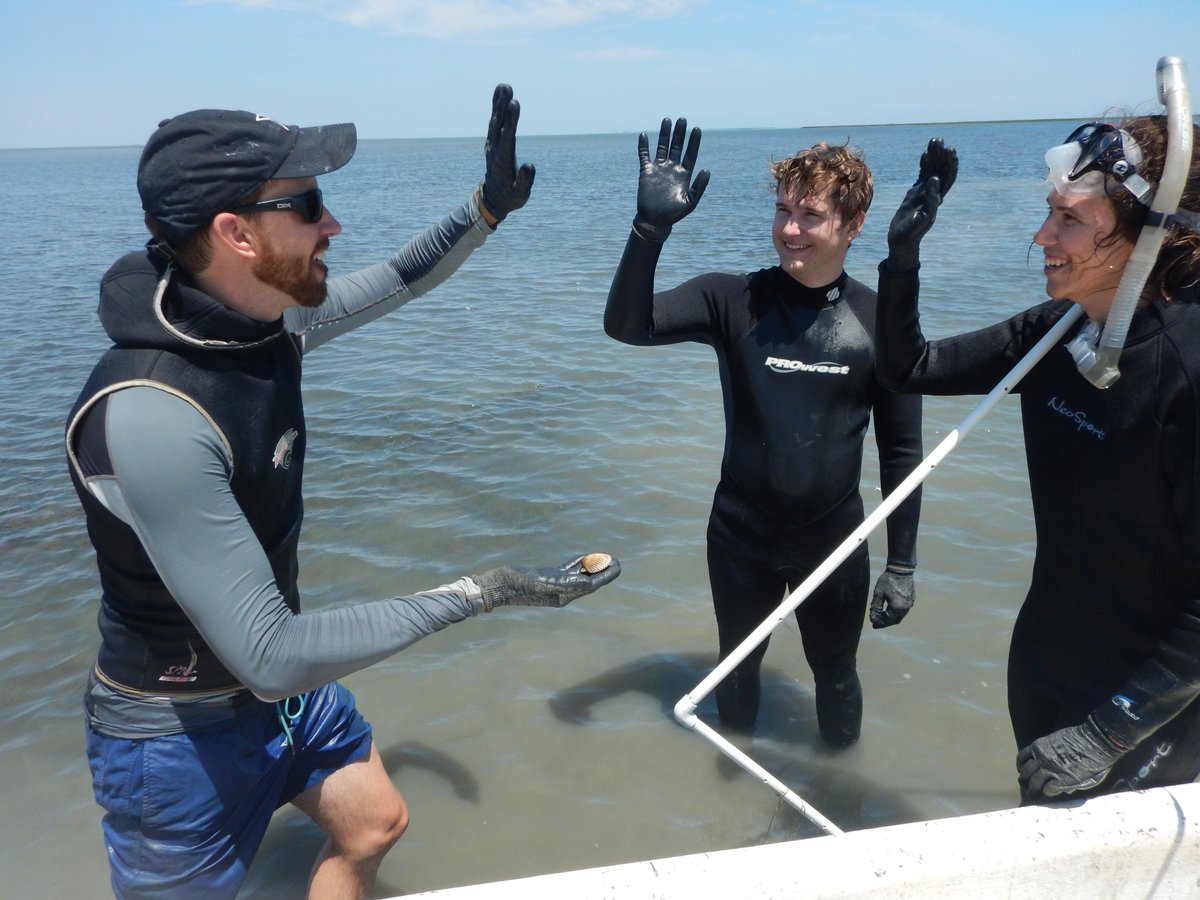
Just finished our annual bay scallop survey in the seagrass beds of the Virginia coastal bays. It was a great effort by the whole crew! Here are a few photos.
Our paper based on a 40 year seagrass survey in the lower Chesapeake Bay is out!
Warming temperatures alter the relative abundance and distribution of two co-occurring foundational seagrasses in Chesapeake Bay, USA
https://t.co/8Ghpus0WCZ