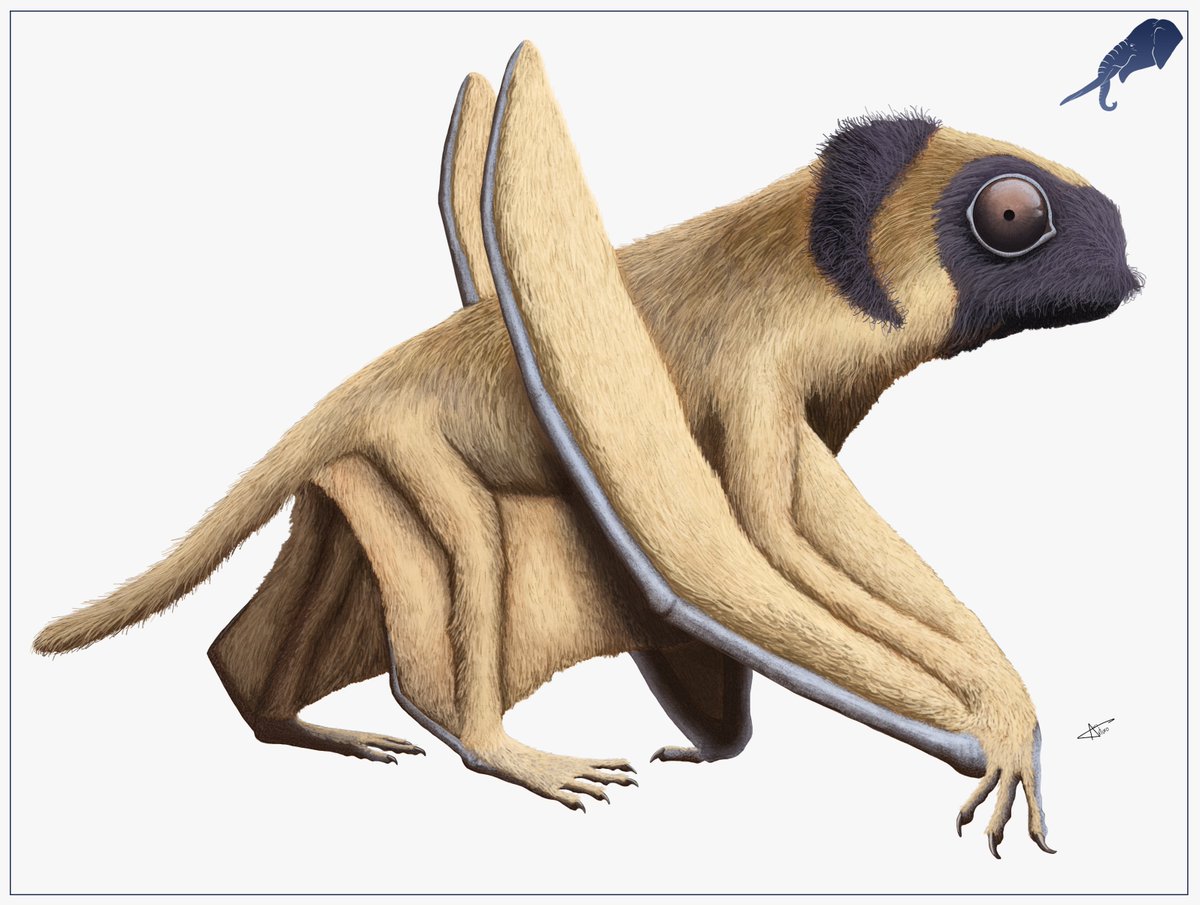
My first attempt ever at drawing a Choerolophodon, one of the weirdest proboscideans ever. As good a moment as any to wonder just how ancient flappy elephant type ears are and whether all proboscideans had them… this one I gave hyrax-y ears :B
@ladalbarran2000
Illustration inspired by a recently study on Pleistocene microfauna recovered during excavations at the Santa Lucía paleontological site, where fossils of axolotls (Ambystoma velasci) and flamingos were found in the same layer.
10.1016/j.palaeo.2026.114103
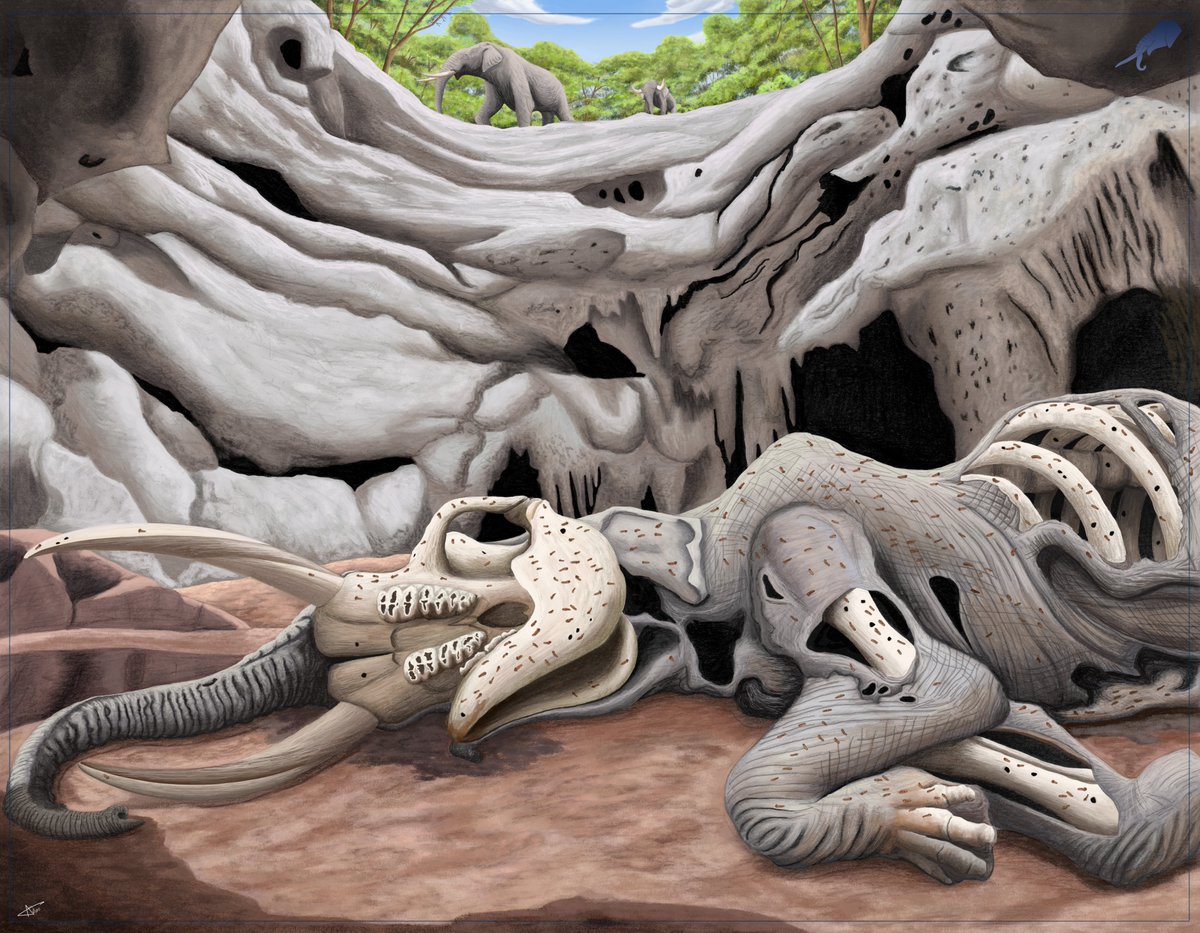
Artistic reconstruction of the gomphothere found in the Loltún Caves in Oxkutzcab; the remains were assigned to Cuvieronius hyodon. The fossils are housed at the INAH Yucatán and the Palacio Cantón Museum, both in the city of Mérida, Yucatán.
https://t.co/O8YrJ9X7Ht
Illustration inspired by an paper published in 2025 about perforations caused by Dermestidae larvae in bones of Cuvieronius hyodon from the Loltún caves in Yucatán.
https://t.co/O8YrJ9X7Ht
Tamaulipasaurus morenoi was a small diapsid of uncertain affinities found in the Huizachal Canyon in the state of Tamaulipas, Mexico.
Technique: mixed, traditional and digital (2025).
Equus mexicanus, a large horse from the Late Pleistocene discovered in the Upper Becerra Formation in the State of Mexico.
Technique: graphite pencils (2025).
Tahnaichthys magnuserrata an Early Cretaceous fish, member of the Pycnodontiformes, discovered in the Tlayúa quarry in the town of Tepexí de Rodríguez, Puebla.
Technique: mixed, traditional and digital (2025).
Dimorphodon weintraubi, a pterosaur described in 1998, has been the subject of recent studies on anurognathids such as Sinomacrops bondei, suggesting that D. weintraubi is actually a basal anurognathid, although a more detailed and specific study of this taxon is needed. (2025).
Oh no,the tyrannosaur has stepped on something slimy at the beach... and also that big rock turned out to be a monstrous, mineral-mimicking mollusk, using the power of chromatophores and skin papillae. Vacation ruined; the Cretaceous kraken strikes again! :B Ok, last one for now.
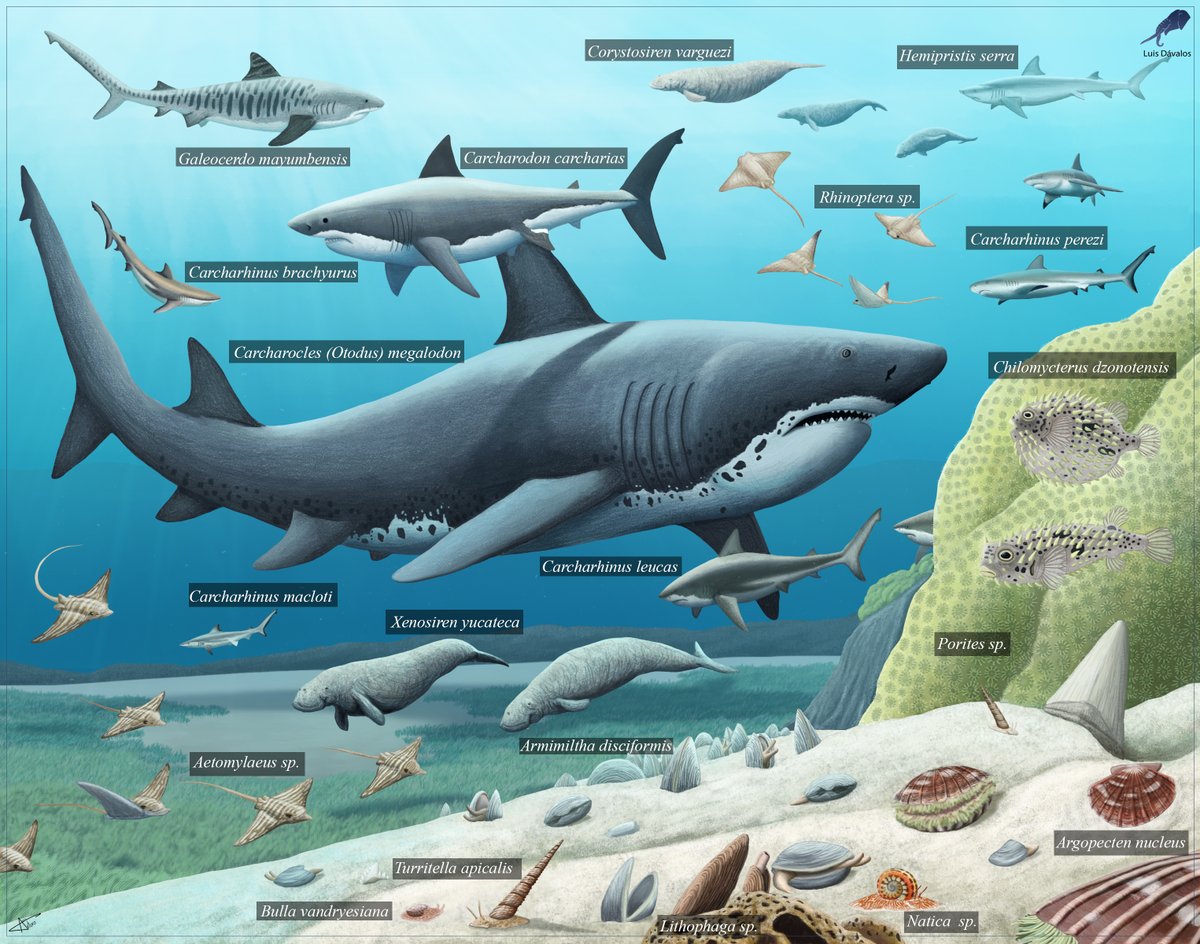
Reconstruction of "Formación Carrillo Puerto", a geological unit located in the Yucatan Peninsula from the late Miocene and early Pliocene, composed of limestone and coquina.
Unique species such as Chilomycterus dzonotensis and Xenosiren yucateca have been discovered here.
Tepexichthys aranguthyorum, an Early Cretaceous fish, member of the Pycnodontiformes, discovered in the Tlayúa quarry in the town of Tepexí de Rodríguez, Puebla.
Technique: mixed, traditional and digital (2025).
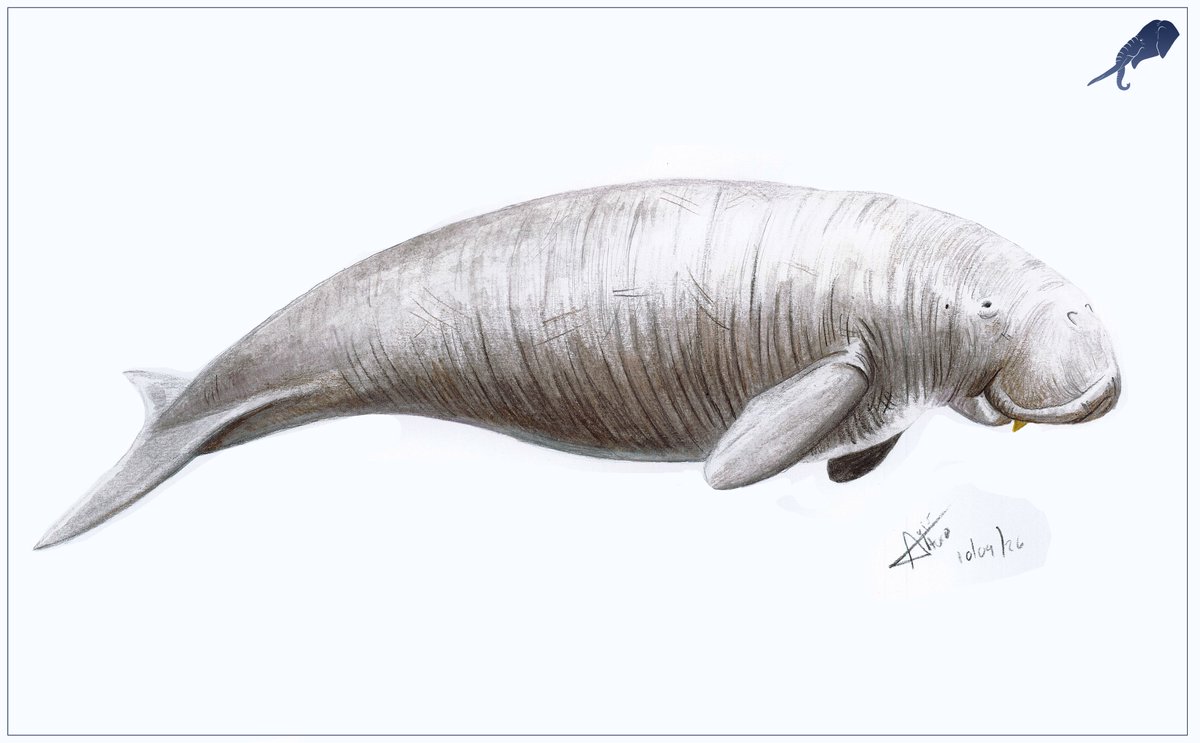
Xenosiren yucateca, an extinct dugong from the late Miocene and early Pliocene found in the Noc Ac cenote in the town of the same name in Yucatán // Technique: watercolor with colored pencils (2026).
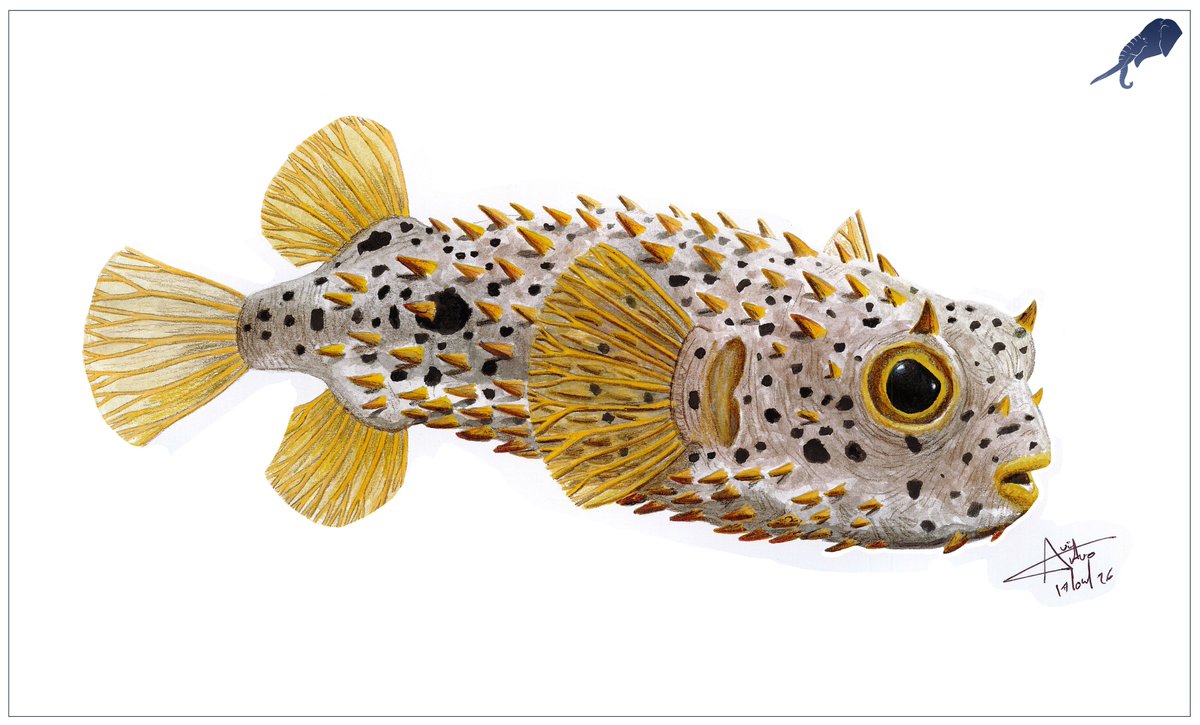
Chilomycterus dzonotensis, an extinct burrfish from the late Miocene and early Pliocene found in the X-Nabuy cenote in Yucatán // Technique: pen, colored pencils and watercolor (2026).
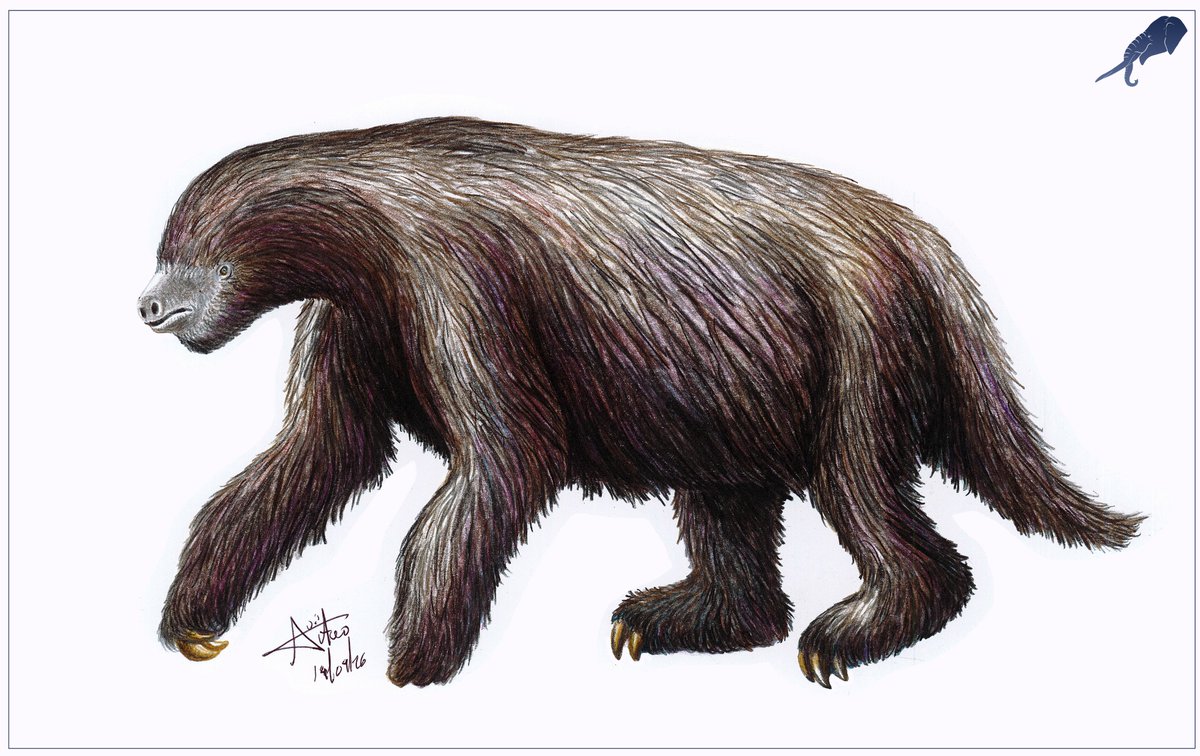
Nohochichak xibalbahkah, an giant ground sloth from late Pleistocene found in the Hoyo Negro cenote in Quintana Roo // Technique: colored pencils (2026).
Diagram of the evolution of mammoths (Mammuthus) that I made in 2022, I thought I had lost it but I was able to recover the computer where the file was stored.